What Is Everyday Life Like near the Avila Beach Pier?
November 1, 2026
November 1, 2026
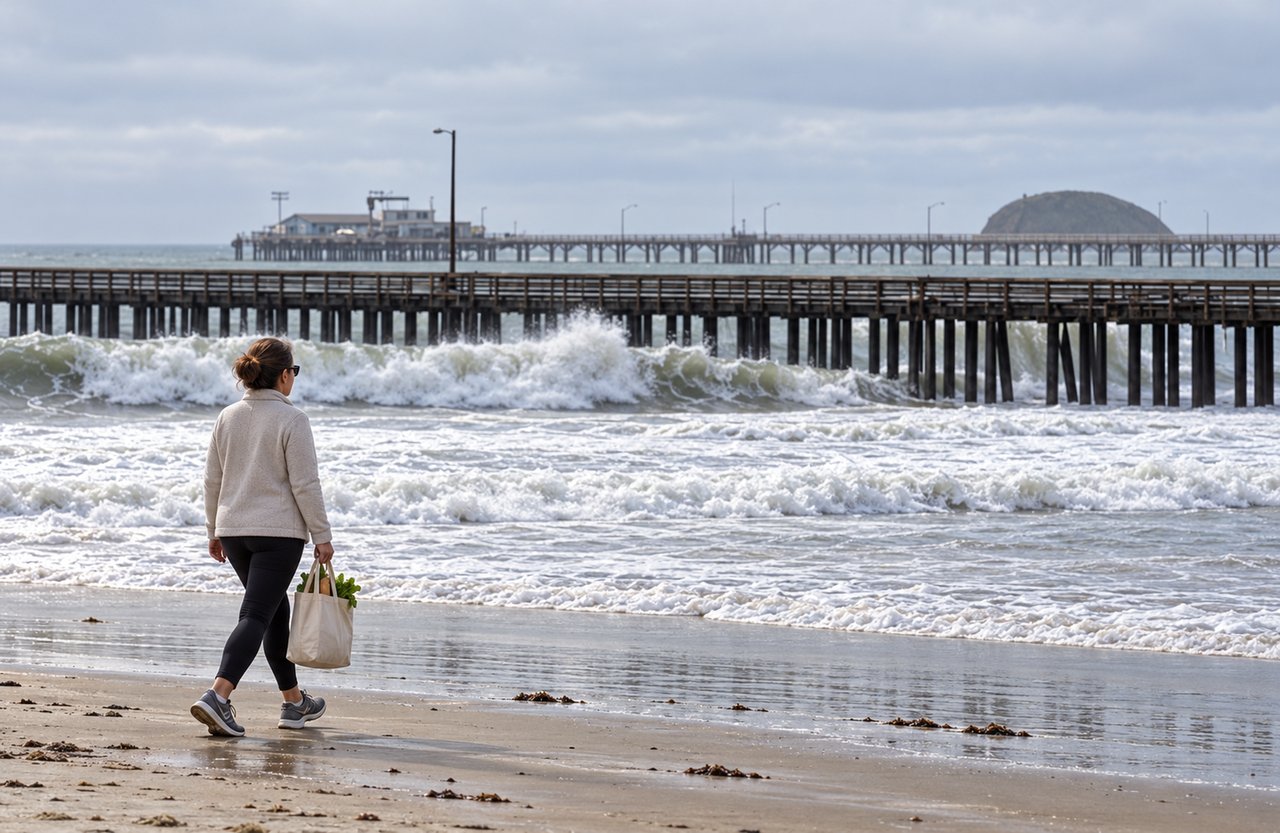
Living near the Avila Beach Pier can put the shoreline into your ordinary routine instead of making every beach visit a separate outing. The practical question is whether that setting works for the rest of your day too. Look at the actual home, your route to the waterfront, parking, errands, and the activity you notice at different times.
A pleasant afternoon near the pier is a useful introduction. It isn't the same as understanding how a nearby home will feel on a workday, a busy weekend, or an evening when you just want to come home.
I'm Amber Johnson, founder of Pillar Real Estate in Paso Robles. I help buyers relocating within SLO County and from outside the area evaluate the home and the routine together. Near Avila Beach's pier, that means looking beyond the view and asking how you would actually live there.
The appeal is straightforward: being able to include the beach and promenade in a regular walk, a short break, or time outside after work. Avila's visitor map places the pier, beach, and promenade businesses together in the village setting.
But nearby means different things from different properties. Test the walk from the exact home, including the return. Consider the route, crossings, slope, and anything you would normally carry.
Ask yourself how often you would use that connection. Would you go outside for a short walk on an ordinary day, or mainly when visitors arrive? Neither answer is wrong. It helps you understand how much weight shoreline proximity deserves in your housing decision.
Don't assume a home with an ocean view has the easiest route to the beach. Compare the view and the practical approach separately.
Being near the pier is different from having unrestricted access along its full length. Check current Harbor District information and follow posted access limits when you visit.
The Port San Luis Harbor District's April 2026 repair solicitation described the pier as open to the public only through part of the structure while further repairs were needed. That dated project information is a reason to verify present access, not a promise about what will be open on your visit.
If walking out on the pier is central to your plans, confirm the current situation directly before relying on it. A photograph, an older article, or a memory of a previous visit doesn't settle that question.
The beach and shoreline setting can still be part of your decision. Evaluate the routine that is available now rather than assuming future repair work or a reopening date.
The area around the pier is a visitor destination as well as a place people consider living. That makes it important to see how public activity relates to the particular property.
Visit on a weekday and a weekend if possible. Pay attention to people moving past, vehicle circulation, nearby businesses, and the sounds you hear from inside the home. Repeat the visit at a time when you would normally be relaxing or working.
Don't decide that every nearby home is noisy or that a quiet showing proves the area is always quiet. Building placement, outdoor space, windows, and the specific surroundings all deserve attention.
If you enjoy a setting with people out and about, that activity may be part of the appeal. If you want more separation from it, test whether the home's position gives you the level of privacy you need.
Start with the home's documented parking arrangement. Confirm what belongs to the property, what is shared, and what restrictions apply. Don't count a convenient street space as part of the purchase.
Then think through your household's actual vehicles. Can you park, load groceries, and enter the home comfortably? If there is a garage, check how it works with the vehicle and storage you expect to use.
Include visitors in that discussion. Ask where a guest would park and how they would reach the home, while checking current signs and rules for any public parking they might use.
A waterfront visit and daily parking are different tasks. A home that makes beach outings easy still needs a workable arrival routine when you return with bags, supplies, or someone who needs a shorter approach.
Make a list of the places your household actually uses. Include groceries, prescriptions, appointments, household supplies, and any regular work destination. Check the locations and hours directly.
Then separate the trips you could comfortably make on foot from those that would require another form of transportation. A nearby cafe can be a lovely part of the day without replacing your larger errand routine.
Try a representative round of errands from the property. Notice the total trip rather than only the drive into the village. If you travel elsewhere for work, test that route at the relevant time too.
For a broader overview, my guide to living in Avila Beach can help you organize the larger questions. Bring those questions back to the home and the destinations that matter to you.
Visit the property and shoreline in different conditions when you can. Pay attention to the outdoor space you would actually use and how comfortable it feels at your usual times.
Think about where you would keep sandy shoes, damp towels, jackets, and anything you carry to the beach. Look at the route from the entrance to that storage rather than assuming a beach-oriented home has a convenient setup.
If you have pets or specific recreation plans, verify the current rules for the exact public area you want to use. Don't assume every nearby stretch of shoreline has the same rules.
These checks aren't about making a simple walk complicated. They're about finding out whether the home's layout and the public setting support the ordinary activities you want to repeat.
Spend time in the rooms where you would work, sleep, and relax. Notice the relationship between windows, neighboring buildings, public approaches, and any private outdoor area.
Test the layout with your belongings in mind. A smaller home may work well if its spaces serve your needs, while a larger one may still leave you without a comfortable work area or practical storage.
Ask about upkeep and review the property condition with the appropriate professionals. For a condo or other shared-interest property, examine the applicable documents and responsibilities before assuming what an association handles.
The setting doesn't replace those checks. You are buying a particular home near the pier, with its own condition, layout, rights, and ongoing obligations.
You don't have to choose the closest possible home to enjoy Avila Beach. Consider how much proximity you want and what you might prefer in exchange for a different location.
My comparison of Avila Valley and downtown Avila Beach can help frame that choice. Use it as a starting point, then test the specific properties rather than treating either setting as one uniform experience.
If regular walking or cycling is a priority, also consider which routes you would use. My article on daily life near the Bob Jones Trail addresses a different location-based routine.
Keep the comparison tied to your actual day. A shorter shoreline approach may matter more to you than extra storage. Or you may prefer a different home and make the waterfront a planned outing.
If you expect friends or family to visit, imagine how those visits would work from the home. Think about sleeping arrangements, vehicle access, gathering space, and the walk to public areas.
Don't choose the property only for the weekend you hope to host. Your own workdays and quiet evenings will make up much of life there.
Ask whether you enjoy sharing a destination setting with visitors when you aren't on vacation yourself. Some buyers welcome that connection. Others want a home that feels more removed from public activity.
There's no single correct preference. What matters is recognizing your own before the setting becomes the reason to overlook a layout or access arrangement that doesn't fit.
Start one visit at the home instead of at the beach. Walk the route you would use, return to the property, and complete an ordinary errand. Allow time to sit inside without rushing to the next showing.
On another visit, choose a different day or time. Note what changes and what remains comfortable. Keep a short list of questions for the seller, your agent, and any relevant professionals.
Separate confirmed information from impressions. A pleasant walk is an experience you can weigh. Parking rights, association responsibilities, property condition, and current pier access need their own verification.
That approach helps you decide whether the location is a good daily fit rather than simply a place you enjoy visiting.
Everyday life near the Avila Beach Pier can mean a stronger connection to the shoreline and village activity. The right home still needs to support your privacy, parking, errands, work, and upkeep expectations.
Give the waterfront its proper weight, then evaluate the property with the same care you would anywhere else. Don't assume complete pier access, a particular parking arrangement, or easy errands without checking them.
At Pillar Real Estate, I help buyers compare the appeal of a location with the practical details of living there. We can look at what you actually want from Avila Beach and identify the information you need before choosing a home.
Considering a home near the Avila Beach Pier? Visit Sell With Amber to start a conversation about a home and daily routine that make sense for your goals.
Amber
Pillar Real Estate | Amber Johnson, Founder
805.835.3425 | [email protected]
1345 Park St. Paso Robles, CA 93446 | DRE# 01925434

Amber Johnson | November 2, 2026
Compare timing, rental availability, moving costs and what you need to learn before deciding whether to rent first.
Amber Johnson | November 2, 2026
Review permits, condition and intended use before counting a converted garage as living space.

Amber Johnson | November 2, 2026
Walk the route from a specific home to the businesses you would actually use.
Amber Johnson | November 1, 2026
Consider shoreline activity, daily errands and the pier's current access when evaluating a nearby home.

Amber Johnson | November 1, 2026
Test station access and current rail service against the trips you actually need to make.
Amber Johnson | November 1, 2026
Check the exact property's space, access and applicable rules before choosing a home around RV storage.
Amber Johnson | November 1, 2026
Review the wall's condition, drainage and documentation before deciding whether repair belongs in your sale plan.
Amber Johnson | November 1, 2026
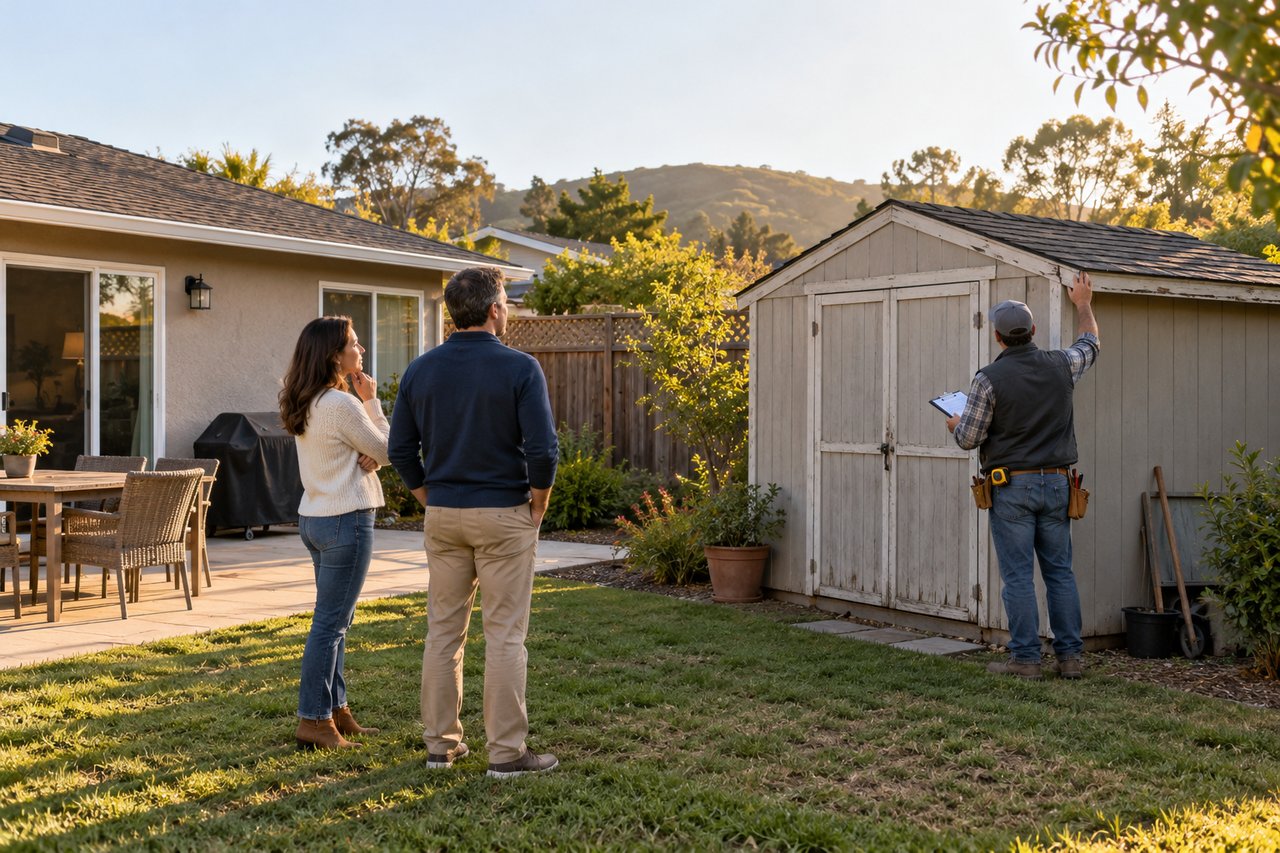
Review condition, placement, permits, usefulness and removal cost before deciding whether the shed helps or distracts from the sale.
Amber Johnson | November 1, 2026
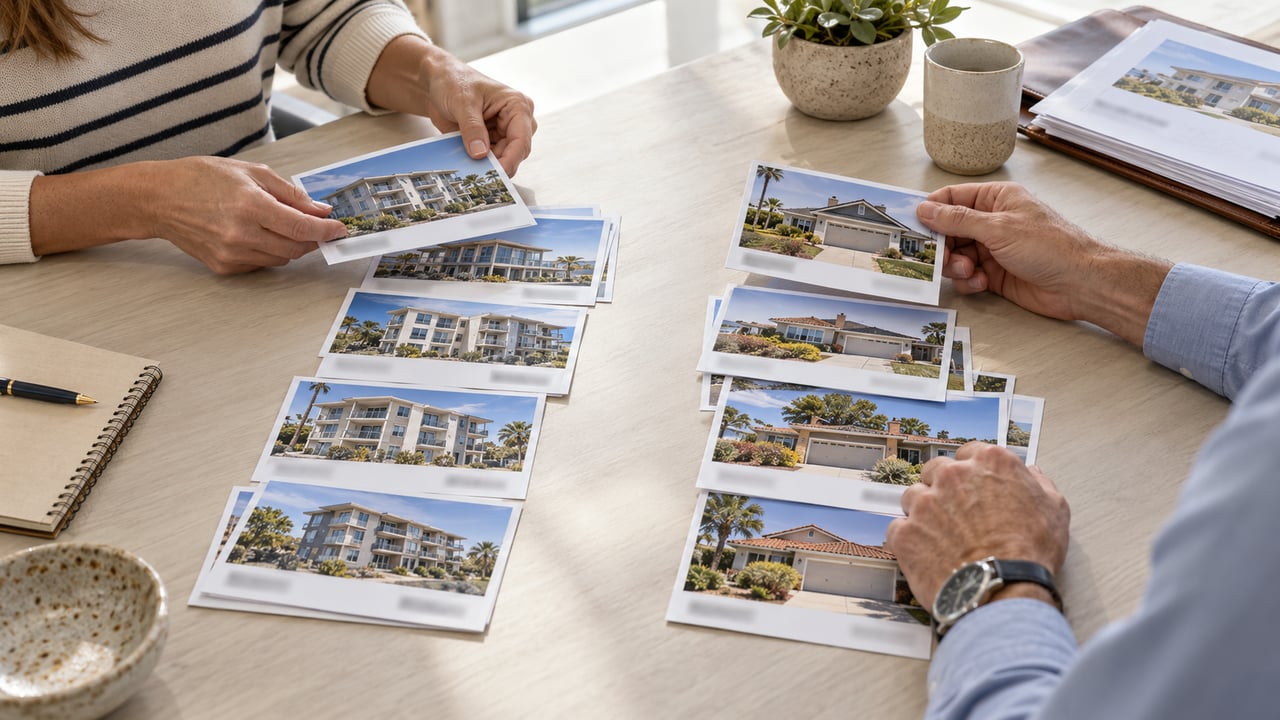
Separate the asking-price mix from closed-sale evidence before drawing conclusions about value.
You’ve got questions and we can’t wait to answer them.
Amber Johnson, Founder
Pillar Real Estate
805.835.3425
DRE# 01925434
1345 Park Street
Paso Robles, CA 93446