Would I Prefer Avila Valley or Downtown Avila Beach?
October 3, 2026

October 3, 2026
The choice between Avila Valley and downtown Avila Beach is really a choice between two different daily rhythms. Avila Valley tends to feel more residential and tucked into the inland approach to the coast. Downtown Avila Beach places you closer to the beach village, waterfront activity, and a more walkable pattern for some everyday outings. Both can offer access to Avila Beach, but they do not create the same experience once you leave the house.
I am Amber Johnson with Pillar Real Estate, and I help Central Coast buyers compare communities by looking beyond the postcard view. If you are deciding between Avila Valley and downtown Avila Beach, focus on where you want to spend an ordinary morning, how you expect to move through the week, and which tradeoffs you are comfortable accepting. The right answer will come from your routine, not from a single feature.
Avila Valley sits along the inland approach to the beach. The landscape has a greener, sheltered feel in many areas, with hills, mature trees, and residential pockets that can feel removed from the activity of the waterfront. Depending on the specific property, you may feel connected to Avila Beach while still living in a setting that reads more like a valley neighborhood.
Downtown Avila Beach has a different sense of place. The compact village, beach, pier, restaurants, shops, and public spaces are closer together. When a property is positioned near the center of town, the coastal environment is part of the everyday view and soundscape. Visitors, events, and beach activity may also be more noticeable.
Neither setting is automatically quieter, busier, easier, or better in every location. Individual streets and properties matter. A home near a well-used route can feel different from one tucked farther away. Visit at several times and pay attention to the immediate surroundings rather than relying on a broad label.
Downtown Avila Beach may appeal to someone who wants to step outside and reach the beach village on foot. Depending on the address, a morning walk, a casual meal, or time near the water may require less driving. That can be a meaningful lifestyle benefit for people who want the coast woven into their normal week.
Avila Valley may suit buyers who prefer a more residential starting point and do not mind driving for most errands or beach visits. The valley can still feel closely connected to the coast, but the household routine is usually organized around getting in the car rather than walking from the front door to the village.
Think honestly about how often you would use the downtown setting. If walking to the waterfront is one of the main reasons you want to live in Avila Beach, downtown may deliver that experience more directly. If you expect to visit the beach occasionally but value the feeling of coming home to an inland residential setting, the valley may be a better fit.
My guide to the pros and cons of living in Avila Beach can help you identify the larger coastal tradeoffs. This comparison goes one step further by asking which part of Avila fits the routine you actually want.
Walkability should never be assumed from the words “downtown Avila Beach.” Use the exact address and test the routes that matter to you. Walk to the beach, a restaurant, a public space, or another destination you expect to use. Notice slopes, crossings, sidewalks, lighting, and how comfortable the trip feels with groceries, children, a pet, or beach gear.
A downtown property may reduce some car trips, but it may not eliminate driving for work, larger shopping trips, appointments, or other needs outside the village. A valley property may be convenient to the places you use most even if it is not walkable to the beach. The useful question is not whether one area is generally walkable. It is whether the home supports your specific destinations.
If you enjoy walking mainly for recreation, both areas may offer appealing surroundings in different ways. If you want walking to replace driving for part of the week, downtown location becomes more important. Separate recreational walking from practical daily access when you compare homes.
Parking can shape everyday comfort in a coastal village. Before choosing a downtown home, confirm the parking that belongs to the property, where guests can park, and how the street feels during periods of higher beach activity. Do not assume that nearby public parking will always meet the household’s needs.
Look at the driveway, garage, assigned spaces, street restrictions, and the way vehicles enter and leave the property. If you have multiple cars, frequent guests, mobility needs, or equipment such as bicycles and boards, those details deserve attention during the first showing.
Avila Valley properties may offer a different parking pattern, but each property still needs to be evaluated on its own. A larger-looking driveway does not guarantee the access, storage, or turning space your household needs. Confirm boundaries, easements, restrictions, and any community rules through the appropriate documents.
Downtown living places you closer to the energy that makes Avila Beach appealing. That can include more people moving through the area, activity near public spaces, deliveries, beach traffic, and sounds associated with restaurants or events. Some buyers enjoy that liveliness. Others discover that they want more separation between home and visitor activity.
In Avila Valley, the surrounding feel may be more residential or landscape-focused, but privacy varies from property to property. Road position, nearby uses, topography, vegetation, and neighboring homes can influence what you see and hear. A home that looks private in listing photos may feel different when you stand in the yard.
Visit on a weekday and a weekend if possible. Spend time outside. Open windows. Listen from bedrooms and patios. Ask what the area is like during busier periods without relying on one person’s opinion as a guarantee. You are trying to understand the normal range of conditions.
The decision is not only valley versus downtown. It is also one specific property versus another. Home type, condition, lot configuration, views, outdoor space, parking, storage, stairs, and maintenance needs may differ substantially. A buyer who starts with location may ultimately choose based on which home functions better.
Downtown properties may emphasize proximity and a coastal-village lifestyle. Some buyers may accept a smaller footprint, different parking arrangement, less private outdoor space, or more neighboring activity in exchange for that setting. Avila Valley buyers may prioritize residential surroundings, usable outdoor areas, or a different sense of separation, depending on what is available.
Do not compare prices without accounting for these differences. Ask what each property includes and what the location contributes. Review recent comparable sales with care, because a downtown home and a valley home may attract overlapping but not identical buyer priorities.
Avila Beach is part of a larger San Luis Obispo County routine. Consider where you work, shop, attend appointments, visit family, and spend time outside the community. Test those drives from each candidate property at the times you would normally travel.
A downtown address may feel ideal when you are focused on the beach, but your weekday routine could pull you inland. A valley address may create a smoother transition to regular driving while still keeping Avila Beach close. The difference may be small for one household and important for another.
If you are relocating from outside the area, my guide to moving to San Luis Obispo County provides a broader framework for evaluating work, services, climate, community fit, and property due diligence.
Downtown is likely to be the stronger fit if the beach village itself is the reason you are moving. You may prefer seeing the coast as part of your normal day, walking to nearby destinations when the address allows it, and feeling connected to the public life of Avila Beach. The tradeoff may include less separation from visitors and activity.
Avila Valley may be the stronger fit if you want access to Avila Beach but prefer to live in a setting with more of an inland residential character. You may be comfortable driving into the village and organizing daily life around a car. The tradeoff is that the beach may feel like a destination rather than an extension of your doorstep.
For another coastal comparison, review Pismo Beach versus Avila Beach. It shows how two nearby coastal communities can support very different routines, just as the valley and downtown areas within Avila can.
It is easy to picture a life built around the waterfront when you tour on a beautiful day. Make the decision using the activities you will realistically use throughout the year. If regular beach walks, meals in the village, and community outings are central to your plan, downtown access may carry more value. If your household spends most of its time at home or elsewhere in the county, the valley setting may deserve more weight.
Families may want to map the practical route to the places they expect to visit. For example, the Central Coast Aquarium in Avila Beach is one local destination, but your decision should include school, work, groceries, medical care, recreation, and the needs of every household member.
Write down your five most common weekly destinations and your five favorite leisure activities. Compare how each candidate home supports them. That exercise often reveals whether the attraction is tied to the beach village itself or to the larger Avila setting.
Coastal and valley properties can involve different maintenance questions, site conditions, insurance considerations, community rules, and environmental factors. Do not rely on general assumptions. Review disclosures, inspections, title information, insurance availability, utility details, and any association documents that apply to the specific home.
Ask qualified professionals about conditions that matter to the property. Confirm renovation approvals, parking rights, access, drainage, exterior maintenance responsibilities, short-term rental restrictions if relevant, and any future plans that could affect the setting. Rules and availability can change, so current documentation is essential.
A location can feel right while the property itself is wrong for your goals. Keep the lifestyle decision and the due diligence decision connected, but do not let one replace the other.
Before making an offer, compare each home using the same categories:
Rank the categories before you compare homes. If walkable access to the beach village is your first priority, downtown may win even when the home asks for compromise elsewhere. If residential setting and home function matter more, Avila Valley may come out ahead.
You may prefer downtown Avila Beach if you want the coast and village to shape your everyday routine and you are comfortable living closer to visitor activity. You may prefer Avila Valley if you want a more inland residential setting while keeping Avila Beach within your regular orbit.
The strongest decision comes from testing both. Walk the downtown routes. Drive from the valley to your most common destinations. Visit candidate streets at different times. Compare parking, privacy, property condition, and the places you will truly use.
I can help you compare Avila Valley and downtown Avila Beach with the details of each home and your household priorities in view. The goal is not to declare one part of Avila universally better. It is to find the setting that still feels right after the tour becomes an ordinary Tuesday.
Visit Sell With Amber to start the conversation.
Amber
Pillar Real Estate | Amber Johnson, Founder
805.835.3425 | [email protected]
1345 Park St. Paso Robles, CA 93446 | DRE# 01925434
Website: pillarrealestate.com
Amber Johnson | October 3, 2026
Compare the feel of the inland valley with the walkable beach village before choosing where to live.
Amber Johnson | October 3, 2026
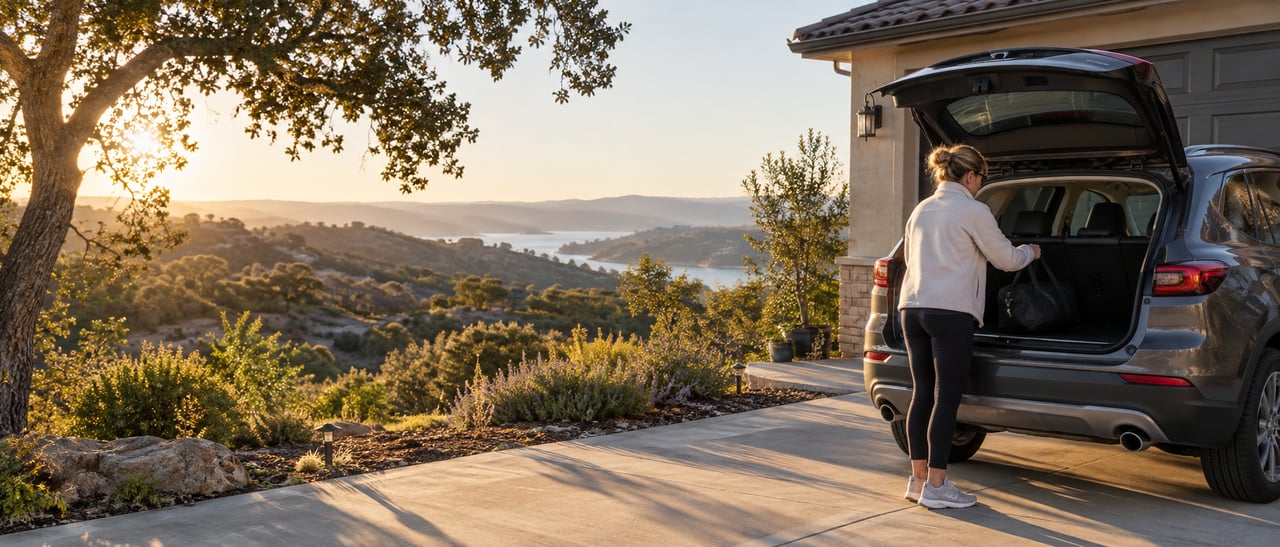
Consider the daily drive, household routine, and community fit before choosing a home near Lake Nacimiento.

Amber Johnson | October 3, 2026

Amber Johnson | October 3, 2026
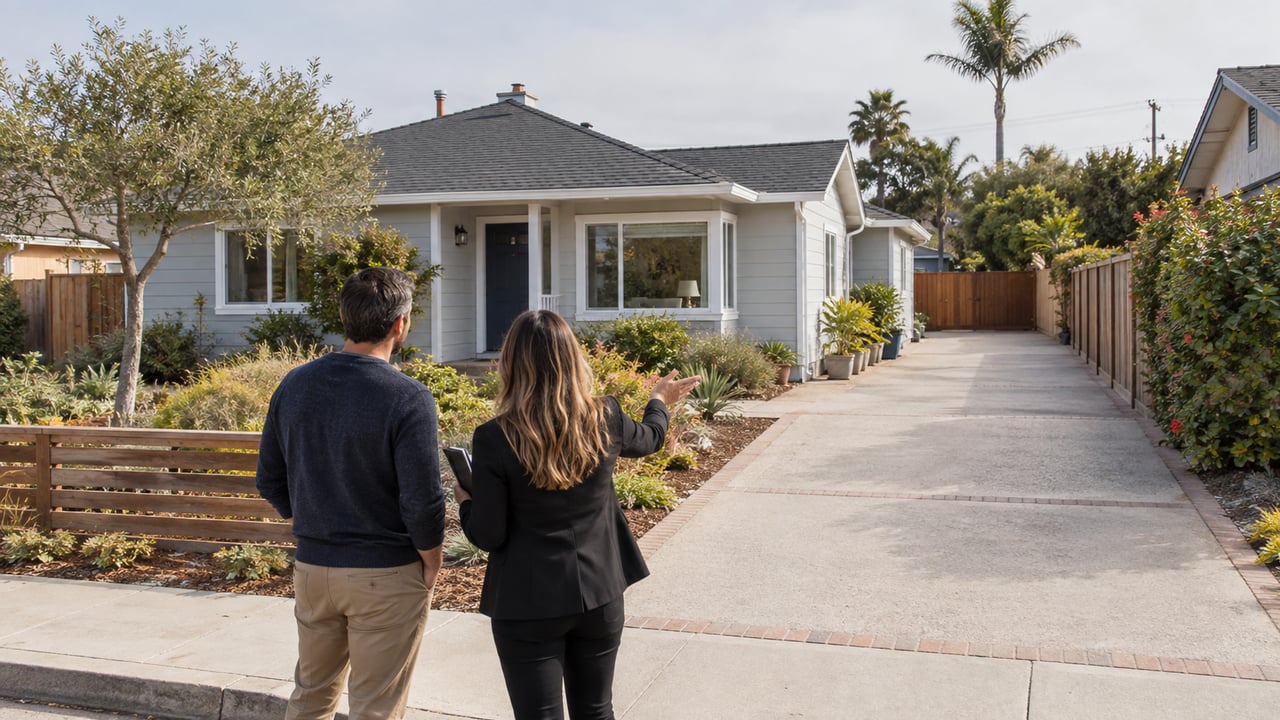
Weigh the pool's condition, comparable sales, and likely buyer interest before setting the list price.
Amber Johnson | October 3, 2026
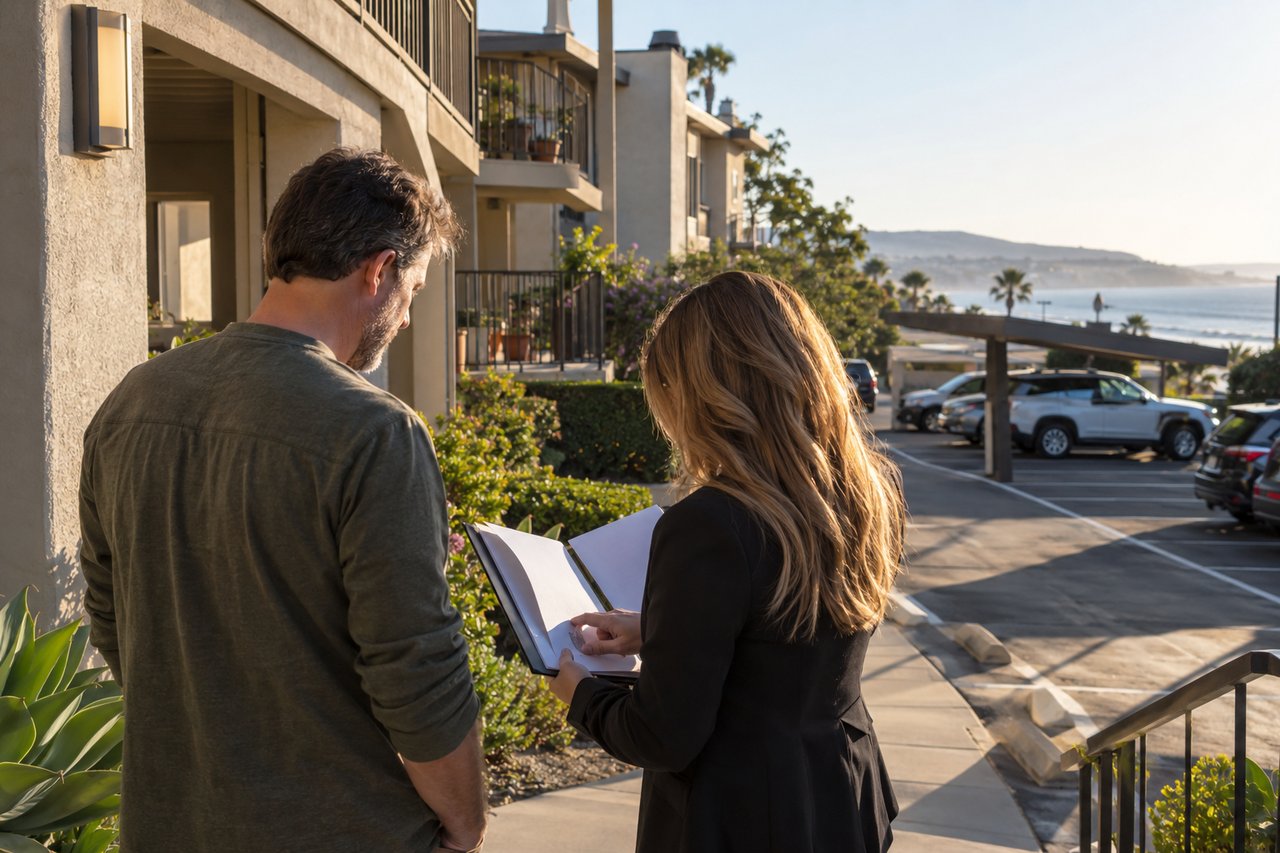
Show the home's parking, storage options, and coastal lifestyle clearly so buyers can assess the tradeoff.
Amber Johnson | October 3, 2026
Review association documents, insurance, building condition, parking, and total monthly cost before an offer.

Amber Johnson | October 2, 2026
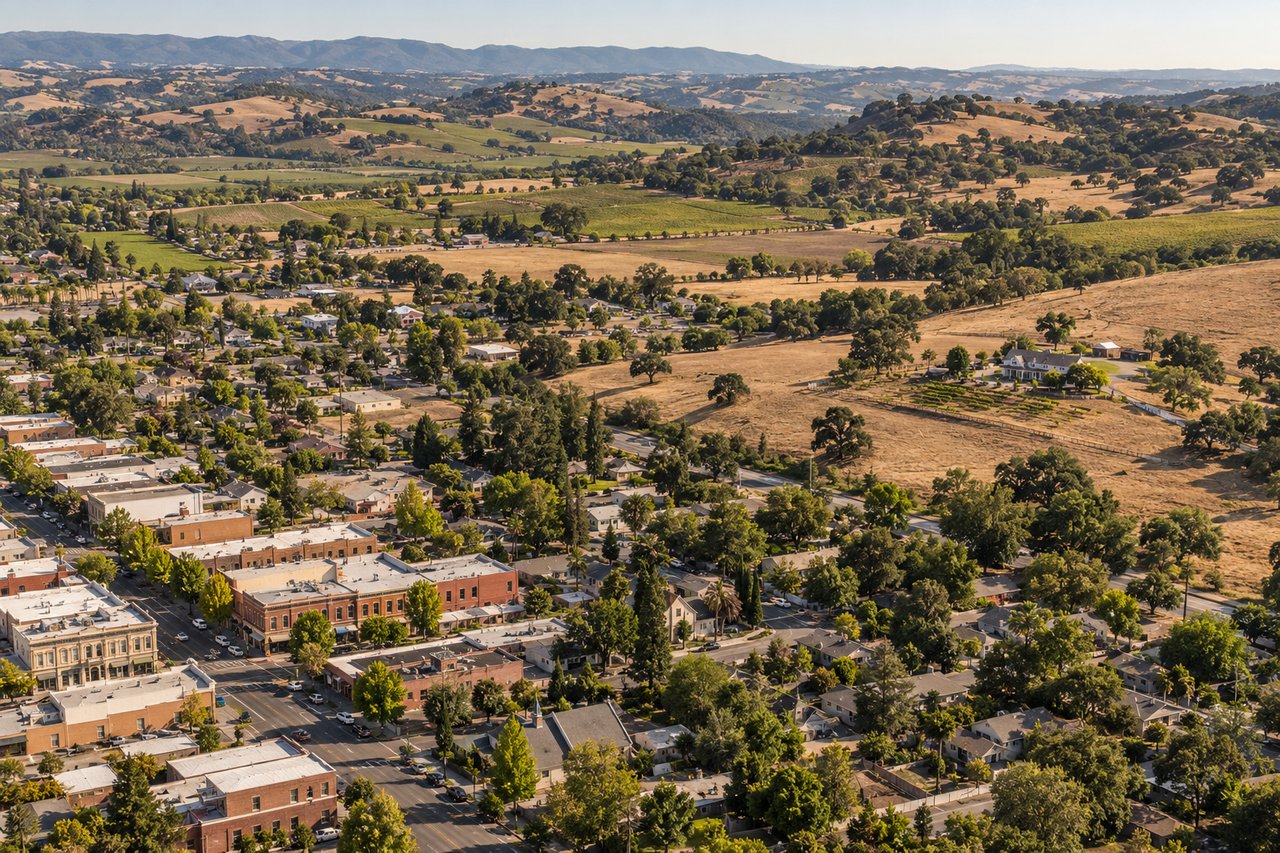
Consider trail access, coastal weather, neighborhood streets, and practical routines near the preserve.
Amber Johnson | October 2, 2026
Compare lot size, upkeep, access, and everyday routines before choosing your Templeton setting.
Amber Johnson | October 2, 2026
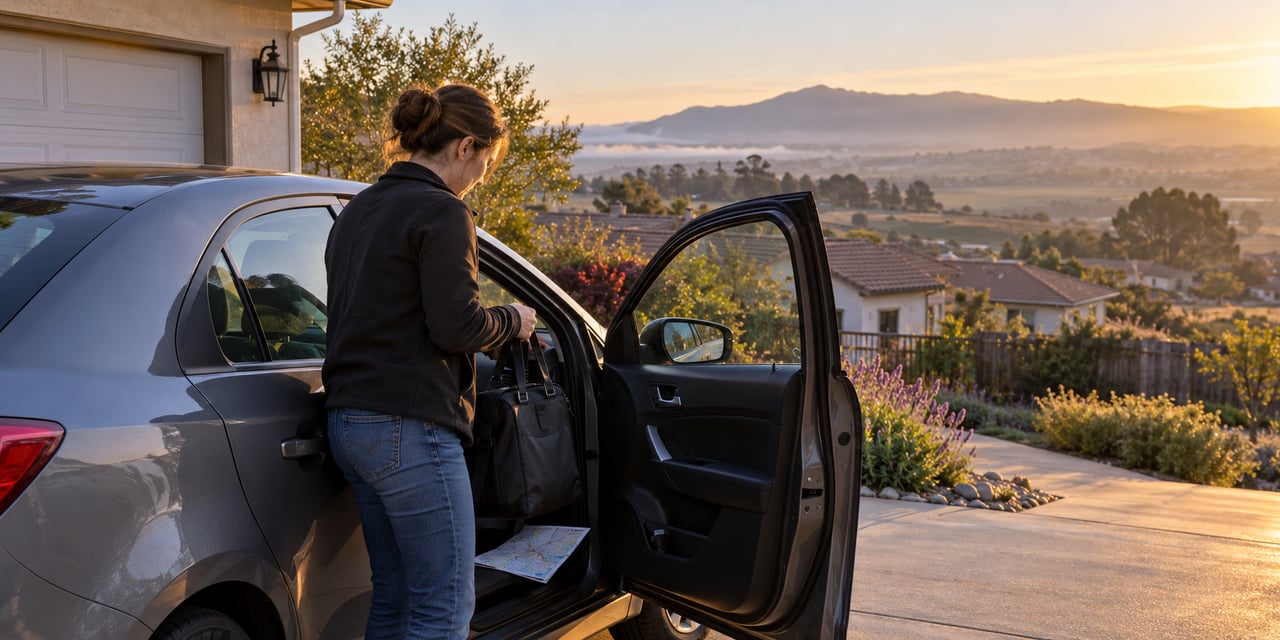
Consider your route, schedule, transportation costs, and the daily routine before choosing a home.
You’ve got questions and we can’t wait to answer them.
Amber Johnson, Founder
Pillar Real Estate
805.835.3425
DRE# 01925434
1345 Park Street
Paso Robles, CA 93446