What Is Everyday Life Like near the Bob Jones Trail in Avila Beach?
October 7, 2026
October 7, 2026
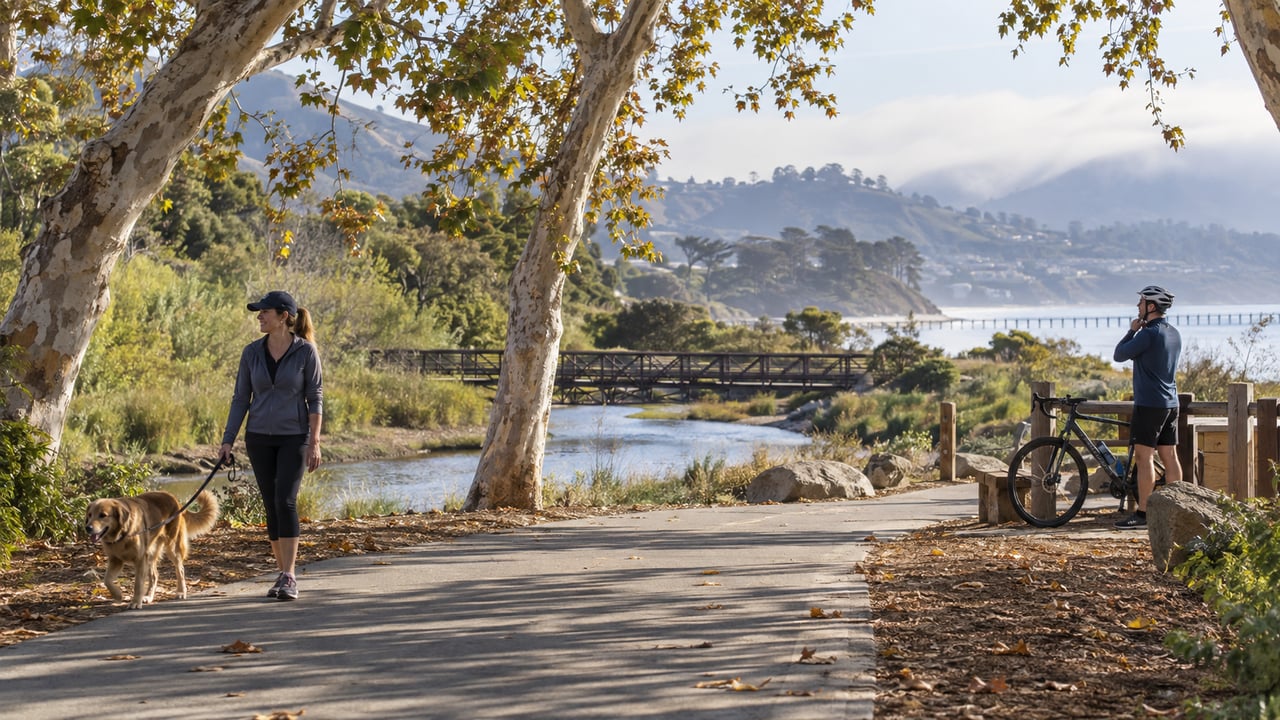
Living near the Bob Jones Trail can make walking, cycling, and time outdoors feel like part of an ordinary week instead of a special outing. The trail is paved, county maintained, and connects the Ontario Road trailhead with downtown Avila Beach. It follows San Luis Obispo Creek, passes through the valley, and gives residents a comfortable route for a morning walk, an after-work bike ride, or a weekend trip toward the beach.
Here’s the thing. “Near the trail” can mean very different things from one property to the next. One home may offer a short walk to a practical access point. Another may look close on a map but still require a drive, a road crossing, or parking at the trailhead. Everyday life depends less on the marketing description and more on the exact route you would use.
If the trail is one reason you’re considering Avila Beach, test the routine before you buy. Start at the property. Walk or drive the actual route. Notice the grade, traffic, parking, weather, and weekend activity. Then ask yourself a simple question: would I really use this two or three times a week?
The biggest lifestyle benefit is convenience. When a pleasant walking or cycling route is easy to reach, you don’t have to plan an entire day around being outside. You can take the dog out before work, meet a friend for a walk, ride toward town, or clear your head at the end of the day.
The official Avila Beach visitor information describes the Bob Jones Trail as a well-paved bike and walking trail that is mostly flat, with benches along the route. It runs beside San Luis Obispo Creek and reaches downtown Avila Beach. Those details matter because they make the trail approachable for many types of users, not only serious cyclists or hikers.
That does not mean every outing feels the same. A quiet weekday morning can feel very different from a sunny weekend afternoon. Your routine also changes with your starting point. Someone living in Avila Valley may think of the trail as a nearby exercise route. Someone downtown may use it as a way to move inland from the beach. The right fit depends on how you want to use it.
For many residents, the trail’s value is not a long ride to the pier. It is the ability to take a reliable walk without creating a complicated plan. A paved surface can be easier for a brisk walk, a stroller, or a steady dog-walking routine than a rougher hiking path.
Dogs are welcome on the trail according to the official visitor information, with the usual responsibility to clean up after them. If you plan to walk a dog regularly, look beyond that basic rule. Check whether your route from home has safe shoulders or sidewalks. Notice where you can step aside when cyclists pass. Think about shade, water, and warmer afternoons. A convenient trail is most useful when the trip from your front door also feels comfortable.
Parents may value the same predictability. A smooth path can make it easier to walk together or help a child practice riding a bike. Still, mixed use requires attention. Walkers, dogs, runners, and cyclists share the route. Everyday enjoyment comes with ordinary courtesy: keep right, stay aware, and avoid blocking the path.
The Bob Jones Trail can support a quick recreational ride without committing to road cycling. The mostly flat, paved route is one reason people of different ability levels use it. A resident may ride a portion of the trail, stop in town, or pair the trail with a longer route based on comfort and experience.
Storage becomes part of the home decision. Is there a secure place for bikes? Can you get a bike out without carrying it through a narrow living space? Is the route from the property to the trail practical? These details sound small during a showing. They matter once you repeat the routine every week.
If cycling is a priority, bring your bike to the area before making a decision. Ride from the home or the nearest legal access point. Pay attention to road crossings and the return trip. A route that feels easy on a map may feel different with traffic, gear, or a child riding beside you.
Avila Beach attracts day visitors, especially when the weather is inviting. The trail is also a popular local attraction. That can create an upbeat, social atmosphere. It can also mean more people at common access points and more competition for convenient parking.
For some buyers, that energy is part of the appeal. They like seeing people walking, riding, and heading toward the beach. Others want the calmest possible setting and may prefer a home that offers trail access without sitting close to a busy staging area.
Visit at more than one time. A weekday morning tells you about the regular routine. A weekend afternoon shows you a busier version. If you are comparing the broader community, this overview of living in Avila Beach can help you weigh the trail alongside the beach, visitor patterns, housing choices, and daily services.
The official trail information identifies the main trailhead on Ontario Road, across from its parking lot near Highway 101. If your home is not within a comfortable walking or riding route, you may use that parking area as the start of an outing.
That is still convenient for many people, but it is a different lifestyle than stepping directly onto the trail from home. Ask whether you are paying a premium for proximity that you will actually use. A five-minute drive to a reliable trailhead may work perfectly. A home with closer access may be worth more to you if you walk daily.
Downtown parking is another consideration if your plan is to begin or end near the beach. The best way to understand it is to visit during the times you expect to go. Do not assume a quiet showing appointment represents a sunny holiday weekend.
Avila Valley and downtown Avila Beach can both put the trail into your life, but the daily experience is not identical. Valley locations may feel closer to the inland portion of the path, creek corridor, trees, and trailhead access. Downtown locations may place you closer to the promenade, pier, restaurants, and community attractions.
This is why the exact home matters more than the general label. A buyer deciding between the two can use this comparison of Avila Valley and downtown Avila Beach to clarify which setting better fits daily priorities.
Think in routines, not postcards. Where will you buy groceries? How will you get to work or school? Will you walk toward the beach, or use the trail mainly for exercise near the valley? How often will guests visit? The answer helps identify whether you need immediate access, easy parking, or simply a short drive to the trail.
Avila Beach has a coastal setting, but conditions can shift between the beach, valley, and inland areas. A marine layer may soften the morning light near the coast. Later in the day, a valley section can feel warmer or more exposed. Wind, sun, and seasonal shade can all affect when you prefer to walk or ride.
That does not make the trail unreliable. It means your best routine may be seasonal. A morning walk may feel right in warmer weather. A later outing may be more comfortable on a cool day. If weather sensitivity matters to you, visit the route in more than one condition and notice how the property itself responds.
A great recreational feature can be important without answering every housing question. You still need to consider commute patterns, parking at home, storage, internet needs, nearby services, and the type of property you want. The trail should support the life you already picture, not distract from a home that misses your larger goals.
Buyers also compare Avila Beach with nearby coastal communities. If you are deciding between two beach settings, this guide to Pismo Beach versus Avila Beach helps frame differences in feel, access, and everyday priorities.
Families may also care about what is available once they reach town. The Central Coast Aquarium in Avila Beach is one example of a local destination that can be paired with time near the beach. That is part of the appeal for people who want outdoor routines plus a small set of familiar community activities.
Being close to a popular path does not automatically mean a home will feel noisy or exposed. Distance, orientation, trees, fencing, elevation, and the location of an access point all change the experience. Two homes in the same general area can feel very different.
Stand outside during a showing. Listen. Look at sightlines from windows and patios. Ask where people enter the trail and where cars tend to stop. If privacy matters, compare the home during both a quieter period and a busier period. This is the kind of hyperlocal detail that a general online description cannot answer.
Use a practical checklist before deciding that trail proximity is worth paying for:
The last question is the most important. Lifestyle features have real value when they change your routine. If you walk before work, ride several evenings a week, or want an easy outdoor option for family time, access may deserve a high place on your list. If you expect to use it only when guests visit, a short drive may be enough.
The setting often appeals to walkers, casual cyclists, dog owners, and people who want a regular connection to the outdoors. It can also suit buyers who like being close to Avila Beach without needing every outing to start on the sand.
It may be less important for someone whose daily schedule keeps them elsewhere, who wants maximum privacy, or who prefers a different type of recreation. There is no universal answer. It depends on your situation.
My job is to help you separate the idea of trail living from the actual property experience. We can compare access, neighborhood feel, storage, traffic, and the rest of your priorities from start to finish. That gives you a clear basis for deciding what makes sense for your goals.
Thinking about buying or selling near the Bob Jones Trail in Avila Beach? I’ll help you compare the exact location, access, property details, and daily tradeoffs so your plan makes sense from start to finish.
Amber
Pillar Real Estate | Amber Johnson, Founder
805.835.3425 | [email protected]
1345 Park St. Paso Robles, CA 93446 | DRE# 01925434

Amber Johnson | November 2, 2026
Compare timing, rental availability, moving costs and what you need to learn before deciding whether to rent first.
Amber Johnson | November 2, 2026
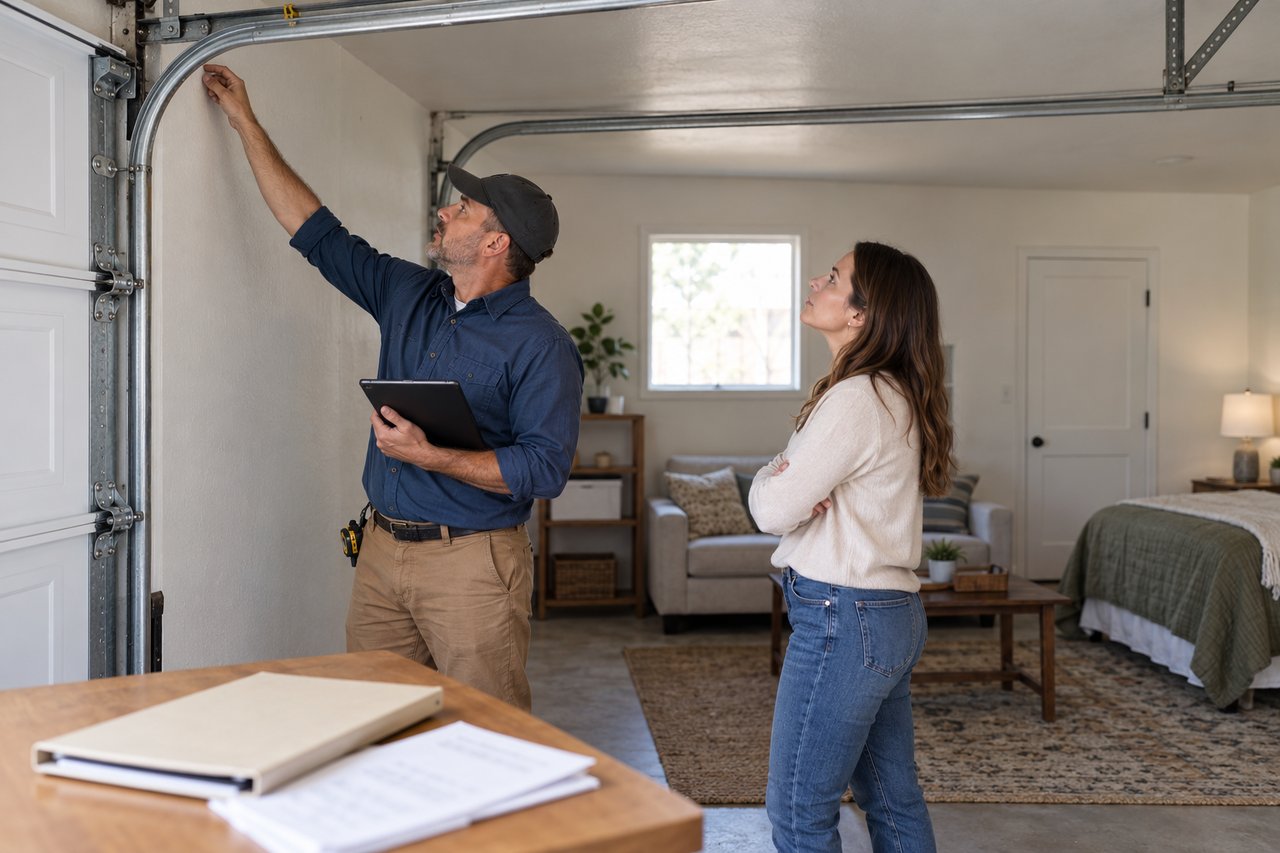
Review permits, condition and intended use before counting a converted garage as living space.

Amber Johnson | November 2, 2026
Walk the route from a specific home to the businesses you would actually use.
Amber Johnson | November 1, 2026
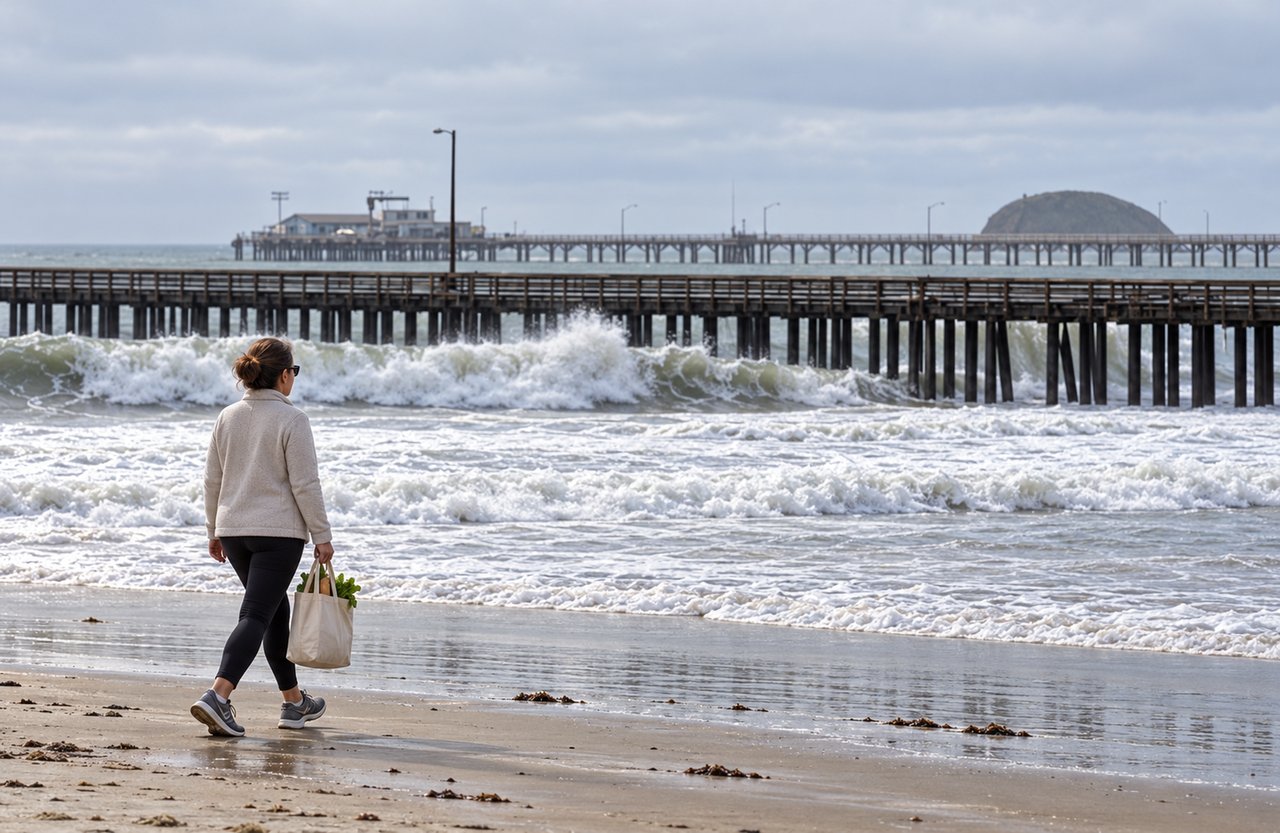
Consider shoreline activity, daily errands and the pier's current access when evaluating a nearby home.

Amber Johnson | November 1, 2026
Test station access and current rail service against the trips you actually need to make.
Amber Johnson | November 1, 2026
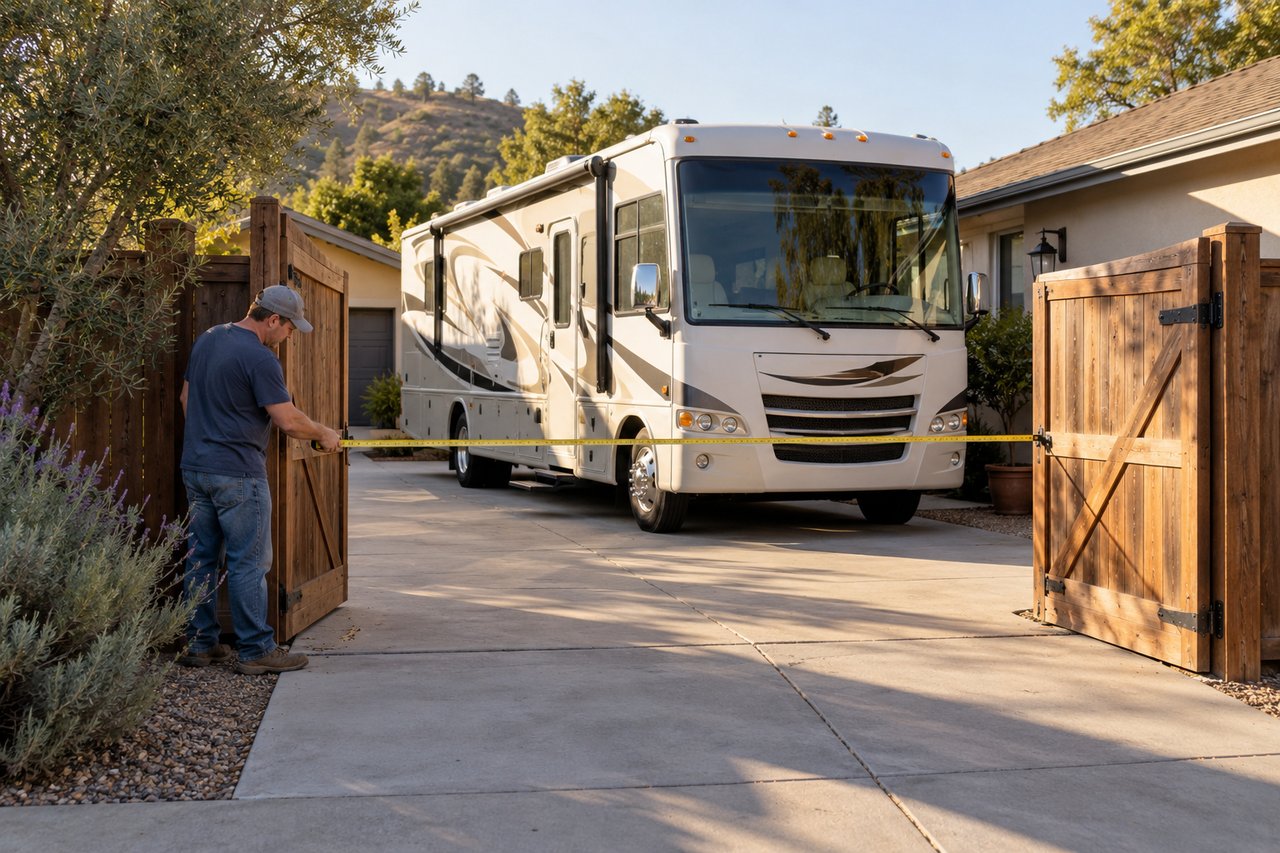
Check the exact property's space, access and applicable rules before choosing a home around RV storage.
Amber Johnson | November 1, 2026
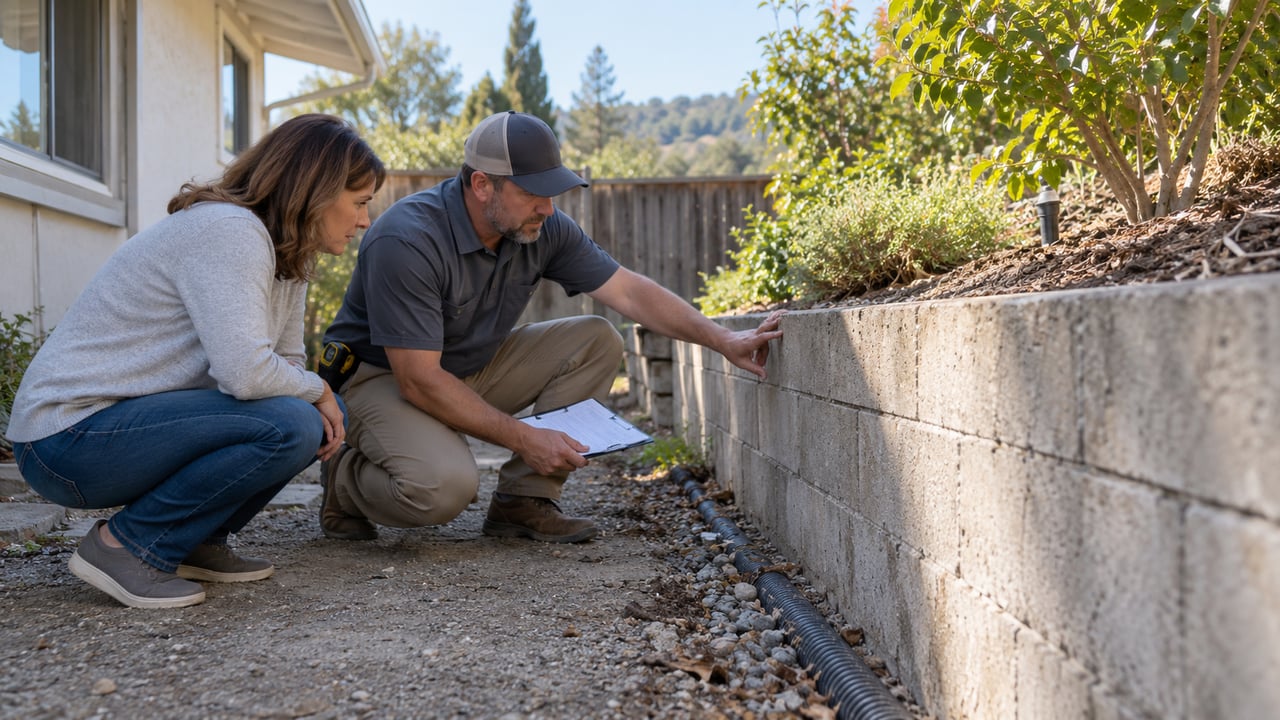
Review the wall's condition, drainage and documentation before deciding whether repair belongs in your sale plan.
Amber Johnson | November 1, 2026
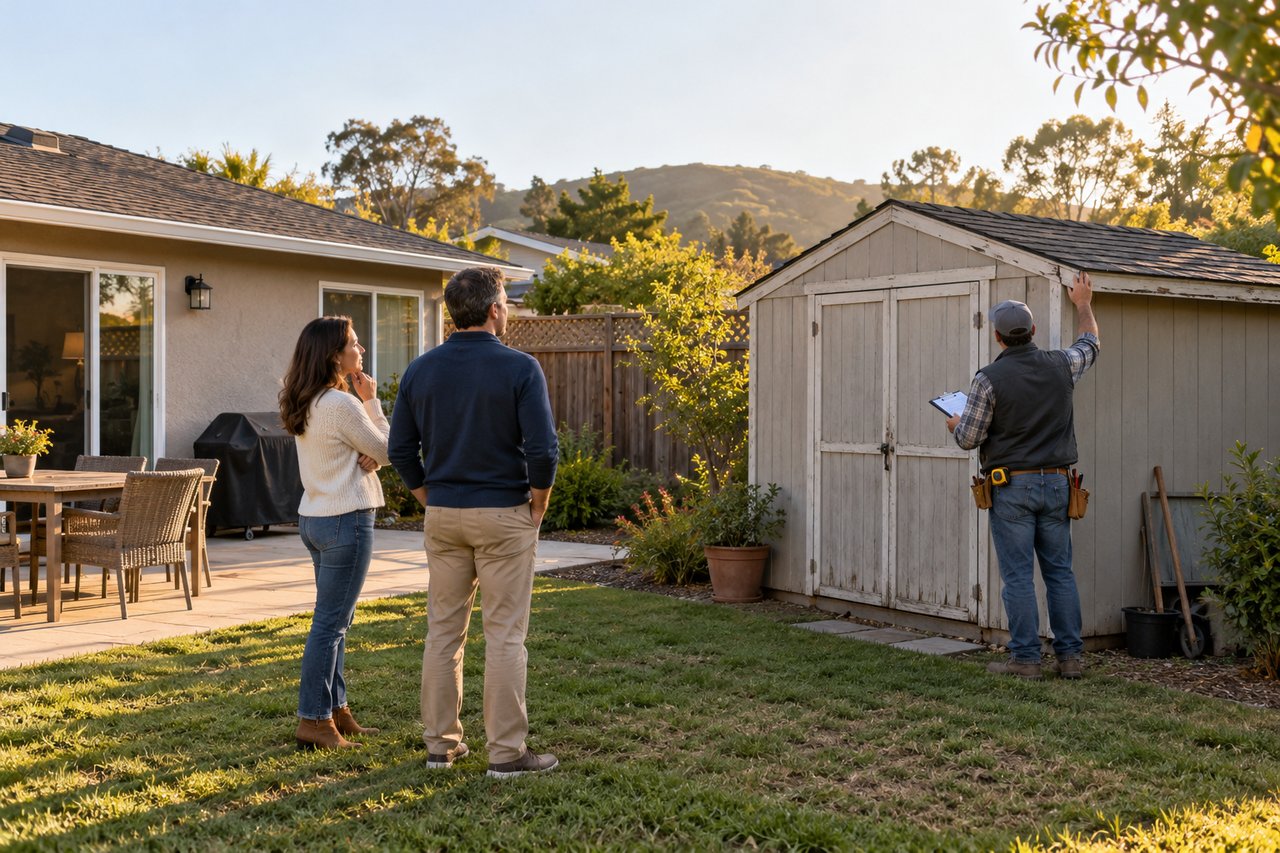
Review condition, placement, permits, usefulness and removal cost before deciding whether the shed helps or distracts from the sale.
Amber Johnson | November 1, 2026
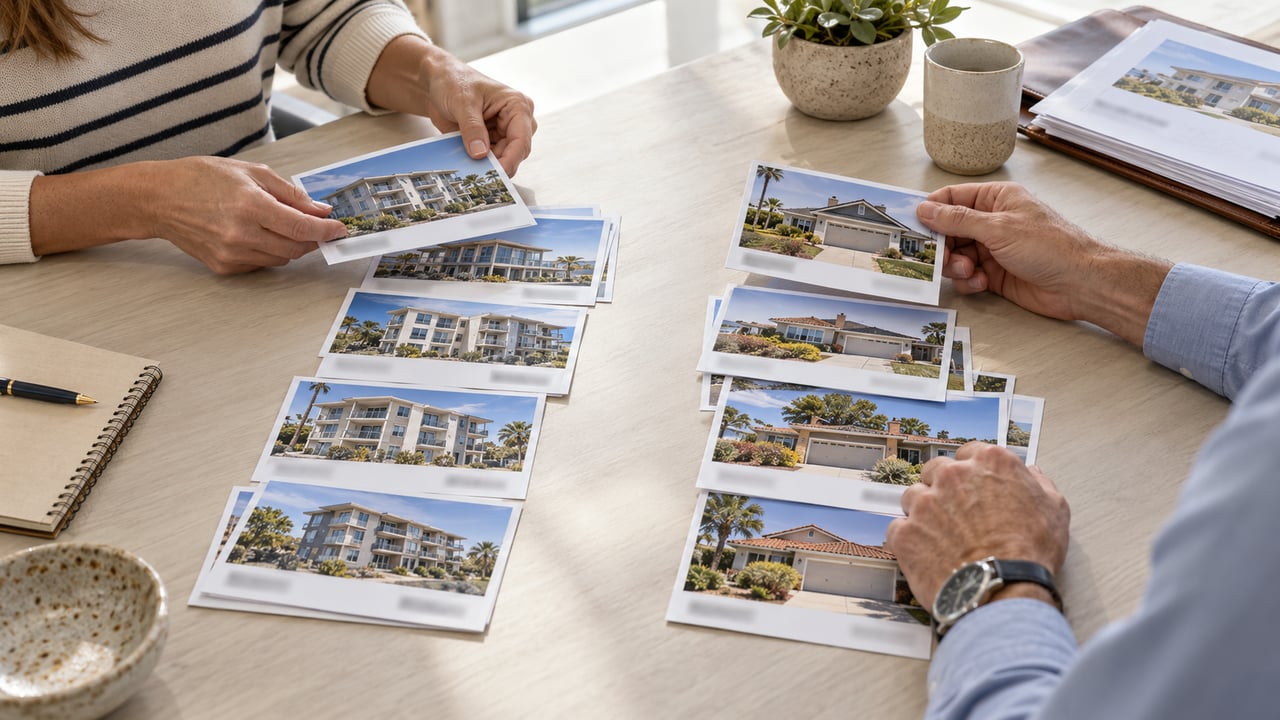
Separate the asking-price mix from closed-sale evidence before drawing conclusions about value.
You’ve got questions and we can’t wait to answer them.
Amber Johnson, Founder
Pillar Real Estate
805.835.3425
DRE# 01925434
1345 Park Street
Paso Robles, CA 93446