What Are Closing Costs for a Home Buyer?
August 19, 2026
August 19, 2026
One of the questions I hear most often from buyers is,
"Besides my down payment, what else do I need to pay?"
The answer usually comes down to closing costs.
If you're buying your first home, this part of the process can feel confusing.
You've probably budgeted for your down payment.
But then someone mentions loan fees, title fees, escrow charges, prepaid taxes, and homeowners insurance.
Suddenly, it feels like a whole new language.
The good news is that closing costs aren't a mystery once you understand what they include.
If you're buying a home in Paso Robles, Templeton, Atascadero, San Miguel, or anywhere in San Luis Obispo County, knowing what to expect can help you plan with confidence.
Over the past 13+ years, I've helped buyers throughout San Luis Obispo County understand every step of the home buying process. I've found that people feel much more comfortable when they know what the numbers represent before they reach the closing table. My goal is to help you understand the process so you can make informed decisions from start to finish.
Closing costs aren't one single fee.
They're a collection of expenses associated with purchasing your home.
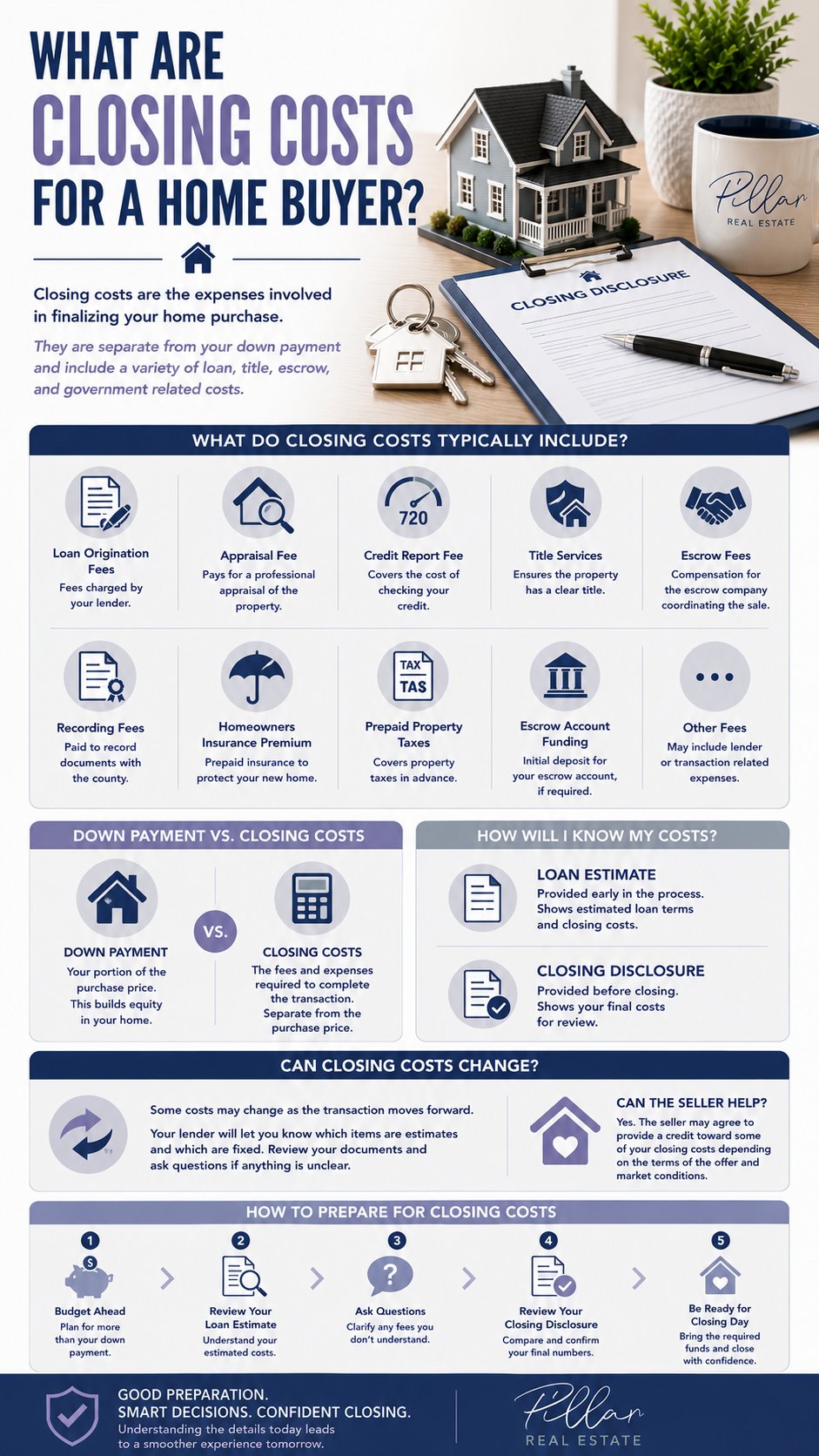
What Are Closing Costs?
Closing costs are the expenses involved in finalizing your home purchase.
They are separate from your down payment and typically include a variety of loan, title, escrow, and government-related costs.
Every transaction is different.
That's why your closing costs won't necessarily match someone else's, even if you're buying homes at similar prices.
What Do Closing Costs Usually Include?
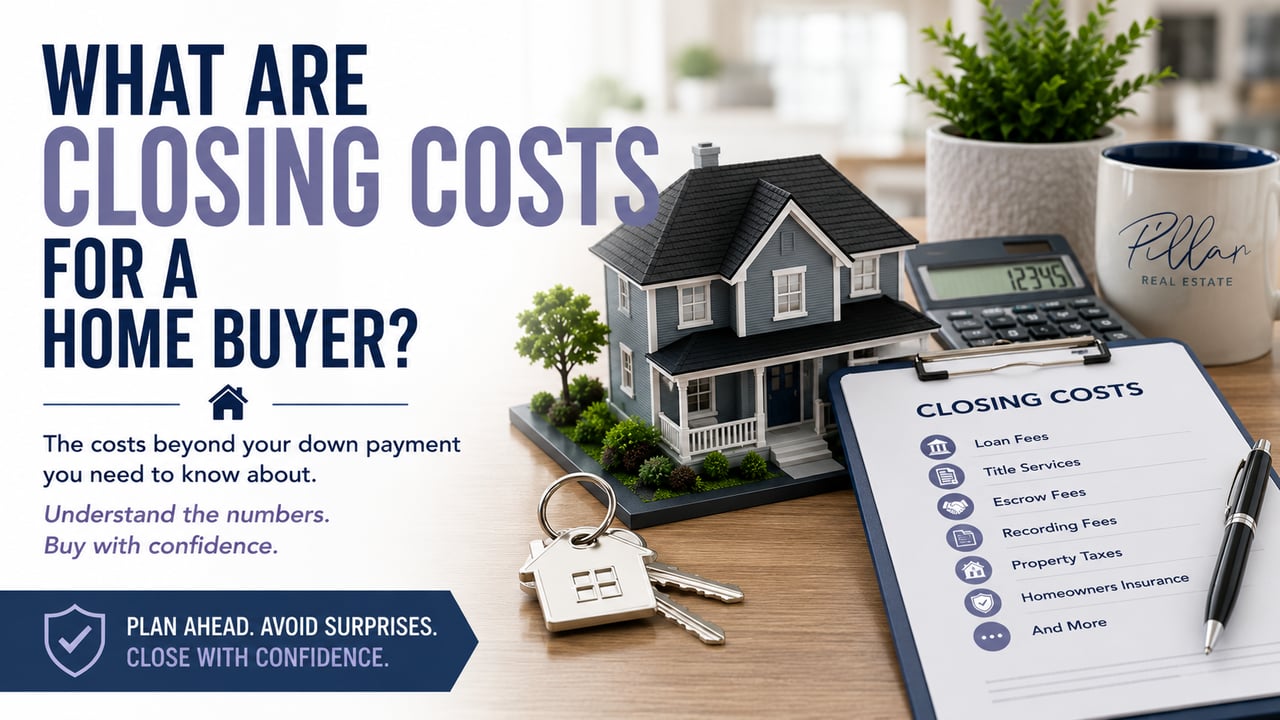
While every purchase is unique, buyer closing costs often include items such as:
Some of these costs are paid to your lender.
Others are paid to service providers or local government agencies involved in the transaction.
Are Closing Costs the Same as the Down Payment?
No.
This is one of the most common misunderstandings.
Your down payment is the portion of the home's purchase price that you contribute.
Your closing costs are the expenses associated with completing the transaction.
They're two separate parts of your home purchase.
Understanding that distinction helps buyers plan their finances more accurately.
How Will I Know What My Closing Costs Are?
One of the benefits of today's lending process is transparency.
Early in the transaction, your lender provides a Loan Estimate, which outlines estimated loan terms and closing costs.
Before closing, you'll also receive a Closing Disclosure, which provides the final figures you'll review before signing your documents.
These documents give you an opportunity to understand your costs before closing day.
Can Closing Costs Change?
Some costs may change as the transaction progresses.
Others remain relatively consistent.
Your lender can explain which items are estimates and which are fixed based on your specific loan and purchase.
That's one reason it's helpful to review your Loan Estimate carefully and ask questions whenever something isn't clear.
Can the Seller Help Pay Closing Costs?
Sometimes.
Depending on the terms of the purchase agreement and the negotiation between the buyer and seller, a seller may agree to provide a credit toward some of the buyer's closing costs.
Whether that's possible depends on the specific transaction and current market conditions.
What I'm Seeing Right Now
Over the years, I've noticed that buyers usually aren't worried about paying closing costs.
They're worried about not knowing what to expect.
Once we review the Loan Estimate together and talk about the different categories of costs, the uncertainty fades.
Instead of wondering where the money is going, buyers understand what each expense is for and why it's part of the process.
That's what good preparation does.
It replaces uncertainty with confidence.
From start to finish.
A Real-Life Example
I was working with first-time buyers who had carefully saved for their down payment.
They felt prepared.
Then their lender sent over the initial Loan Estimate.
One of them looked at me and said,
"I thought the down payment was everything. What are all these other costs?"
It's a common question.
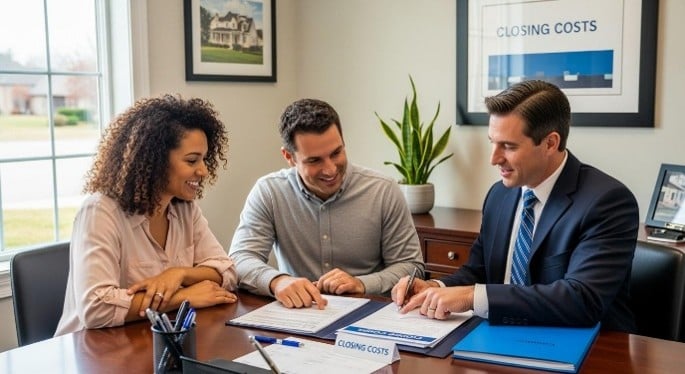
So we sat down and walked through the estimate together.
We talked about the appraisal.
Title services.
Escrow.
Recording fees.
Prepaid homeowners insurance.
And a few other items that are part of purchasing a home.
Once they understood what each cost represented, the conversation completely changed.
Instead of feeling surprised, they felt prepared.
That's one of my favorite moments in the buying process.
Helping someone replace uncertainty with understanding.
The Biggest Mistake
The biggest mistake buyers make is budgeting for the down payment but forgetting about closing costs.
They're two different things.
Your down payment is part of the purchase price.
Your closing costs are the expenses associated with completing the transaction.
Planning for both before you start shopping for a home helps avoid unnecessary stress later.
What This Process Should Feel Like
Closing costs shouldn't catch you off guard.
By the time you're a few weeks into escrow, you should have a clear understanding of:
What your estimated closing costs are.
What each expense is for.
Which costs may change.
And approximately how much money you'll need to bring to closing.
When you know the numbers ahead of time, closing day feels exciting instead of overwhelming.
How This Connects to the Bigger Picture
In the last article, we talked about earnest money and how it's held during escrow.
The next financial piece buyers usually ask about is closing costs.
Understanding both helps you build a complete picture of what to expect between an accepted offer and closing day.
Next, we'll answer another question that's become much more common over the past few years:
Who pays the buyer's real estate agent?
Steps: How to Prepare for Buyer Closing Costs
Step 1: Budget for More Than the Down Payment
Before you begin your home search, remember that purchasing a home involves more than your down payment.
Planning for closing costs early helps you avoid surprises later.
Step 2: Review Your Loan Estimate
If you're buying a home in Paso Robles, Templeton, Atascadero, San Miguel, or San Luis Obispo County, your lender will provide a Loan Estimate that outlines your projected loan terms and estimated closing costs.
Take time to review it carefully.
Step 3: Ask Questions About Any Fees You Don't Understand
Don't feel like you need to know what every line item means.
That's what your lender and your real estate professional are there for.
Understanding the numbers is much more important than memorizing the terminology.
Step 4: Review Your Closing Disclosure
Before closing, you'll receive a Closing Disclosure showing the final costs associated with your purchase.
Compare it with your Loan Estimate and ask about any significant changes.
Step 5: Be Ready for Closing Day
Once you know your final figures, you'll be prepared to bring the required funds to closing and complete your purchase with confidence.
So... What Are Closing Costs?
Closing costs are the collection of expenses associated with buying a home.
They're separate from your down payment and include items related to your loan, title, escrow, recording, insurance, and other parts of the transaction.
Understanding these costs before closing helps you plan ahead and enjoy a much smoother buying experience.
The Best Closings Start With Good Preparation
Over the past 13+ years, I've learned that buyers don't expect every number to be exactly the same from one transaction to another.
What they do want is clarity.
When you understand your estimated costs early, ask questions along the way, and review your documents before closing, you can move forward with confidence instead of uncertainty.
That's exactly how the process should feel.
From start to finish.
The Real Question to Ask
Instead of asking:
"How much are my closing costs?"
Ask:
"Do I understand what my closing costs include and how they fit into my overall budget?"
That's the question that helps you prepare for a successful closing.
Next Steps
If you're planning to buy a home in Paso Robles, Templeton, Atascadero, San Miguel, or anywhere in San Luis Obispo County, understanding your financial picture before writing an offer can make the entire process much less stressful.
Learn more about how I help buyers understand every step of the home buying process by visiting:
👉 https://pillarrealestate.com/buying
Whether you're purchasing your first home or your next one, my goal is to help you understand the process, make informed decisions, and feel confident from start to finish.
FAQ
What are closing costs?
Closing costs are the expenses associated with completing a home purchase. They typically include loan-related fees, title services, escrow fees, recording fees, prepaid taxes and insurance, and other transaction costs.
Are closing costs included in my down payment?
No. Your down payment and your closing costs are separate. The down payment is your contribution toward the purchase price, while closing costs are the expenses required to complete the transaction.
When will I know how much my closing costs are?
Your lender will provide a Loan Estimate early in the transaction with estimated closing costs. Before closing, you'll receive a Closing Disclosure showing the final figures.
Can closing costs change before closing?
Yes. Some costs may change as the transaction progresses, while others remain relatively consistent. Your lender can explain any updates reflected in your Closing Disclosure.
Can the seller help pay my closing costs?
Sometimes. Depending on the purchase agreement and the outcome of negotiations, a seller may agree to provide a credit toward certain buyer closing costs.
Why is it important to understand closing costs before making an offer?
Knowing your estimated closing costs helps you create a realistic budget, avoid surprises, and make informed financial decisions throughout the home buying process.
Amber Johnson, Founder
Pillar Real Estate
805.835.3425
[email protected]
1345 Park St. Paso Robles, CA 93446
DRE# 01925434
Amber Johnson | September 21, 2026
How traffic patterns, privacy, parking, lot shape, and buyer preferences can influence marketing and value.
Amber Johnson | September 21, 2026
The price, credits, repairs, timing, and other terms Paso Robles sellers may need to evaluate this season.
Amber Johnson | September 21, 2026
When an open house can support a launch, when private showings may matter more, and how to judge the results.
Amber Johnson | September 20, 2026
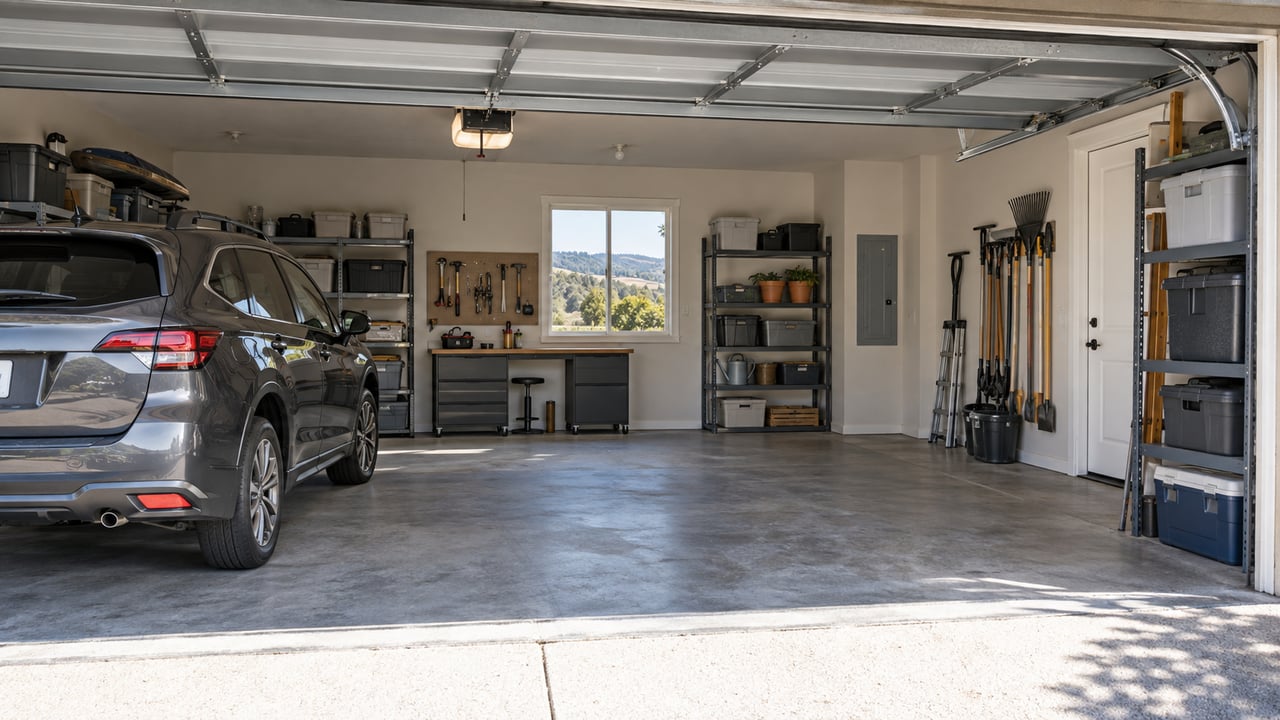
How garage organization, storage, access, and visible maintenance can influence a buyer’s overall impression.
Amber Johnson | September 20, 2026
Why seller absence usually gives buyers more freedom to look, talk, and form an honest impression.
Amber Johnson | September 20, 2026
The records that help confirm ownership, payoff information, property history, and a smoother listing process.

Amber Johnson | September 18, 2026

Amber Johnson | September 18, 2026
Amber Johnson | September 18, 2026
How wells, septic systems, acreage, access, and the buyer pool shape a rural-property sale.
You’ve got questions and we can’t wait to answer them.
Amber Johnson, Founder
Pillar Real Estate
805.835.3425
DRE# 01925434
1345 Park Street
Paso Robles, CA 93446