Should I Replace My Roof Before Selling My Paso Robles Home?
September 17, 2026
September 17, 2026
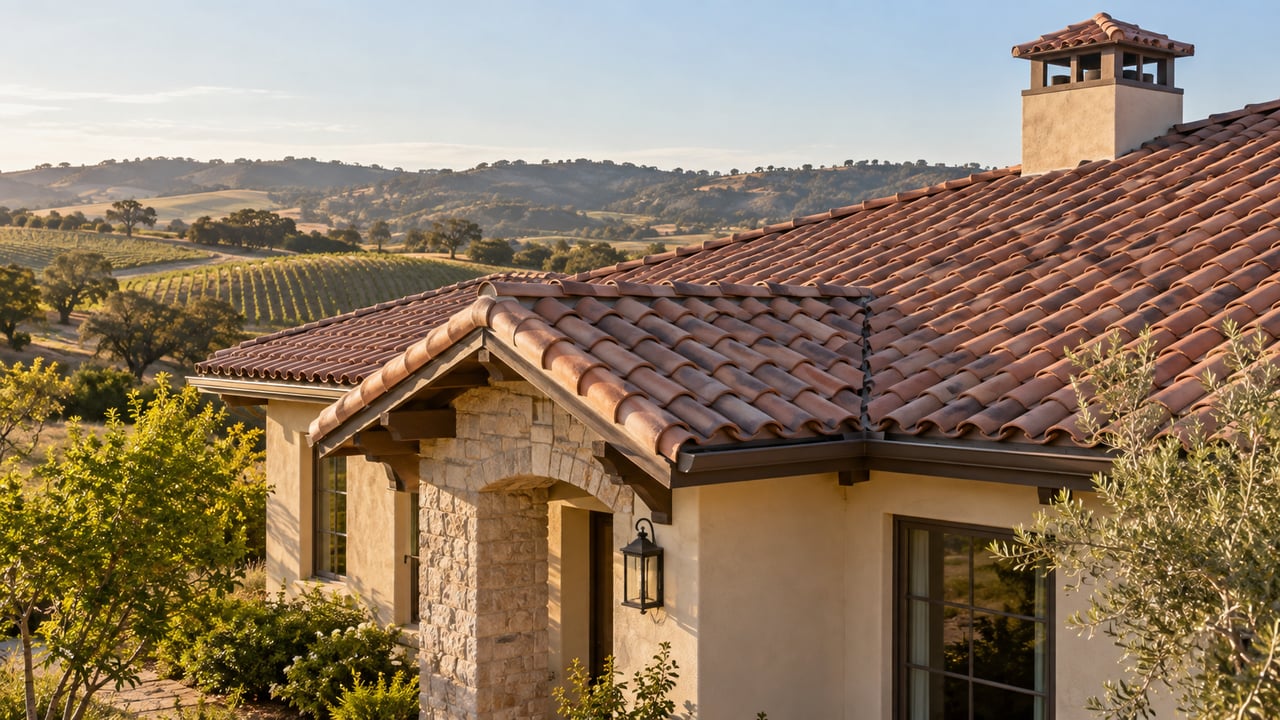
You do not automatically need to replace your roof before selling a Paso Robles home.
You need to understand the roof’s condition, how buyers and insurers are likely to respond, and whether repair, replacement, a credit, or an as-is sale best supports your goals.
A roof is different from a cosmetic update. Buyers may disagree about paint colors or flooring, but they see a failing roof as a cost, a timing problem, and sometimes a financing or insurance obstacle. That does not mean every older roof needs to be replaced. Age alone is not the whole story. Material, maintenance, installation quality, visible damage, leaks, and remaining useful life all matter.
The right decision starts with facts.
If the roof’s condition is unknown, schedule an evaluation with a qualified roofing professional. Ask for a written description of the roof type, visible condition, active concerns, recommended repairs, and an estimate when appropriate.
A general home inspector can identify signs that deserve attention, but a roofer can usually provide a more focused opinion about materials and repair options. If the property has solar panels, multiple roof sections, a flat portion, prior patching, or an addition, make sure those areas are included.
This is one reason a pre-listing inspection can help a seller prepare. You would rather understand the issue before pricing and marketing than learn about it after a buyer is already questioning the home.
No single symptom determines the answer, but several findings together can point toward a larger project:
A few broken tiles or a localized flashing repair is not the same as a failing roof system. The scope should come from the actual condition, not fear about what a buyer might say.
Replacement may be the right strategy when the condition is obvious, the issue will affect nearly every buyer, and the seller has enough time and resources to complete the work properly.
A completed roof can remove a major objection. It may improve first impressions, reduce uncertainty during inspections, and give the buyer clearer information for insurance. It can also support a cleaner marketing message when the property competes with homes that are better maintained.
Replacement may deserve serious consideration when:
The last point matters. A new roof can improve marketability, but sellers should not assume they will recover every dollar. Buyers pay for the whole property, not a line-by-line reimbursement of improvements.
A targeted repair may make more sense when the roof is generally serviceable and the concern is limited. Examples might include broken tiles, a small flashing failure, a damaged vent boot, clogged drainage, or a leak with a clear repairable source.
Use a qualified contractor. Keep invoices, reports, warranties, and photographs. Buyers are more comfortable when a seller can show what was found, what was completed, and who did the work.
Do not use a cosmetic patch to hide a known issue. Fresh ceiling paint without an explanation for prior water staining can create more concern, not less. Repair the cause, document it, and disclose the history accurately.
Some sellers do not have the time, cash, or desire to replace a roof before selling. Others are selling a property that needs several updates and is likely to attract buyers who expect a project. In those situations, an as-is strategy may be appropriate.
As-is does not mean the roof can be ignored. The condition should be disclosed, the pricing should account for it, and the marketing should reach buyers who can complete the purchase despite the issue.
Review the tradeoffs in selling as-is or fixing a Paso Robles home before listing. A lower-effort path can still be strategic when it is chosen with clear information.
A lender is focused on the property that secures the loan. Depending on the loan program and appraiser’s observations, a significant roof problem may lead to questions or a repair requirement. The lender may also need confirmation that the buyer can insure the home.
That does not mean every old roof blocks financing. It means the seller should understand the risk before accepting an offer that depends on a particular loan and closing schedule.
If a buyer’s financing is sensitive to the roof condition, the contract should leave enough time to address the issue. A seller may agree to a repair, provide a credit when permitted, adjust the price, or choose another offer. The right answer depends on the offer and the cost of the work.
Property insurance standards can change, and different carriers may evaluate the same roof differently. Buyers should begin insurance conversations early, especially when the roof is older or has known damage.
A roof that has not leaked may still draw insurance questions. Material, age, condition, surrounding vegetation, maintenance, and documentation can affect underwriting. Sellers should avoid promising that the home will qualify with a particular carrier.
If you receive an insurance-related concern, ask for the exact issue in writing. Then determine whether a repair, certification, further inspection, or replacement would address it. Do not spend thousands based on a vague statement.
A credit can give the buyer control over the contractor, material, color, and timing. It can also save the seller from managing a major project before moving. But a credit is not always a complete solution.
The buyer’s lender may limit credits or require the roof issue to be corrected before closing. The buyer may not have enough cash after closing to complete the project. Insurance may still need to be in place before the transaction can fund. A large credit can also change the buyer’s loan calculations.
Before offering a credit, confirm that the structure works with the buyer’s financing and insurance plan. A credit that cannot be used does not solve the problem.
Buyers rarely subtract only the contractor’s estimate. They may also account for uncertainty, inconvenience, the possibility of hidden damage, and the effort of completing work after closing. That is why a documented condition is easier to price than an unknown one.
If the seller has three clear roofing bids, the buyer can evaluate a range. If the listing simply says “roof may need attention,” the buyer may assume a larger problem. Information reduces the room for fear to set the number.
Compare the home with relevant Paso Robles sales, then adjust the strategy for condition and buyer response. Do not price as though the roof is new when it is not. Do not automatically discount the entire replacement cost when a sound repair may be enough.
A roof decision should not be made in isolation. The seller may also be considering paint, flooring, landscaping, pest work, septic service, HVAC repairs, or cosmetic updates. Spend first on issues that affect safety, financing, insurance, and buyer confidence.
The article on which repairs to make before selling in Paso Robles explains the same principle. Generic advice often encourages homeowners to update everything. A local plan asks what this property and this buyer pool actually need.
A roof replacement may be the highest priority. It may also consume money that would be better kept for negotiation. Get the facts first.
A new roof can protect value by removing a serious objection. That is not always the same as adding a dollar-for-dollar premium. Buyers expect a home to keep water out. They may appreciate a recent roof, but they still compare location, layout, size, condition, and price.
When deciding what actually adds value before a Paso Robles sale, separate improvements that make the home more appealing from repairs that preserve basic marketability. Both can matter. They just affect the sale in different ways.
The marketing advantage is strongest when the work is complete, documented, warranted when applicable, and presented accurately. “New roof” is useful. “Roof replaced by a licensed contractor, with invoice and warranty available” gives buyers more confidence.
The answer is not “replace every old roof” or “leave every roof alone.” It depends on your situation.
Amber Johnson and Pillar Real Estate help Paso Robles sellers evaluate preparation decisions before money is spent. The goal is to remove the obstacles that matter, keep the work aligned with the likely buyer, and position the home for top dollar without treating every possible project as mandatory.
If you're thinking about selling and want a step-by-step overview of how the process works from preparation to closing, I've created a seller resource that walks through what to expect.
sellwithamber.pillarrealestate.com
This is a helpful place to start if you're gathering information and weighing your options.
Amber
Amber Johnson, Founder
Pillar Real Estate
805.835.3425
[email protected]
1345 Park St. Paso Robles, CA 93446
DRE# 01925434

Amber Johnson | October 26, 2026
Compare trail access, drive time, terrain and weather with the routine you actually want before choosing an Atascadero home.
Amber Johnson | October 25, 2026
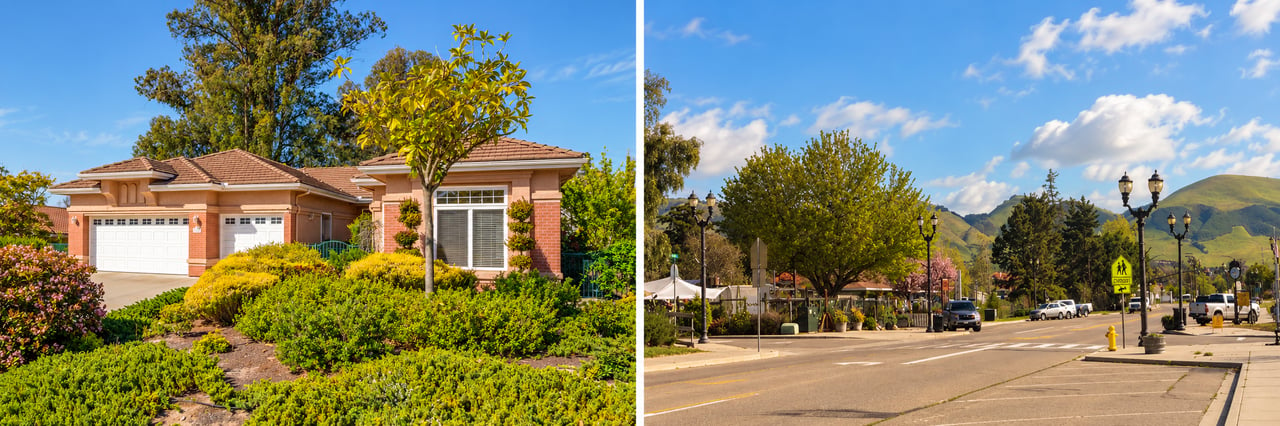
Compare home settings, road patterns, community amenities and daily routes before choosing between these two Nipomo areas.
Amber Johnson | October 25, 2026
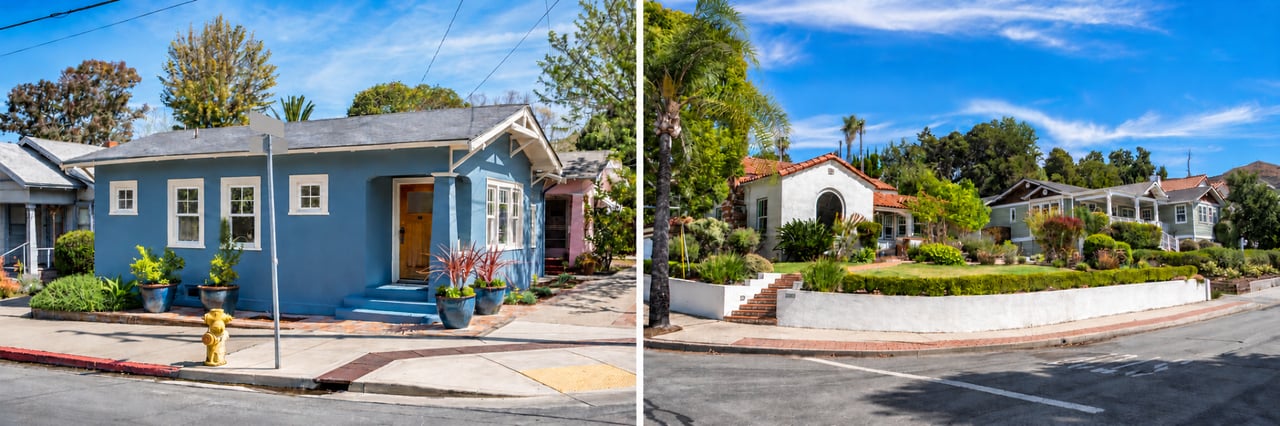
Compare housing patterns, access, street activity and daily routes before choosing between these San Luis Obispo areas.

Amber Johnson | October 25, 2026
Test both routes, work schedules and the trip from a specific home before deciding whether Oceano supports the household's routine.
Amber Johnson | October 25, 2026
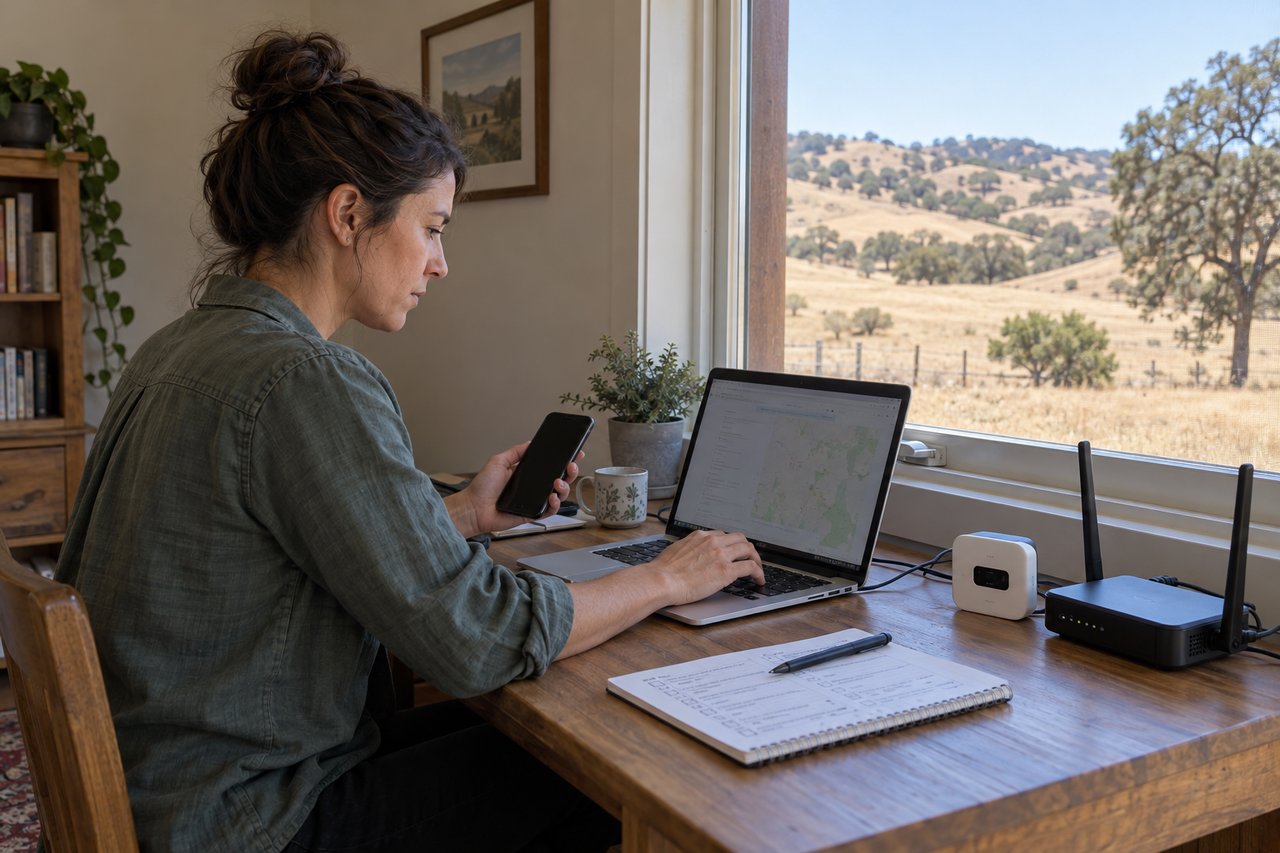
Verify service at the exact address, backup connectivity, power reliability and workspace needs before choosing a Creston property.
Amber Johnson | October 25, 2026
Set buyer expectations with accurate positioning, thoughtful presentation and firsthand checks at different times of day.

Amber Johnson | October 24, 2026

Amber Johnson | October 21, 2026

Amber Johnson | October 21, 2026
You’ve got questions and we can’t wait to answer them.

Amber Johnson, Founder
Pillar Real Estate
805.835.3425
DRE# 01925434
1345 Park Street
Paso Robles, CA 93446