Should I Rely on Countywide Market Data When Buying or Selling in San Luis Obispo County?
October 9, 2026

October 9, 2026
Use countywide numbers as context, then compare the city, property type, price range, and neighborhood that actually shape your decision.
Countywide real estate data is useful. It can show whether inventory is building, how quickly homes are moving overall, and whether buyers or sellers have gained some negotiating room. But it should not be the only information you use to price a home, write an offer, or decide whether now is the right time to move.
San Luis Obispo County is not one uniform housing market. A coastal cottage, a Paso Robles acreage property, a San Luis Obispo bungalow, a South County tract home, and a condo can behave very differently during the same month. The countywide number blends all of those sales together.
Here is the short answer. Use countywide data to understand the larger direction. Then narrow the analysis until it reflects the property and decision in front of you.
Countywide data gives you a broad view. It can help answer questions such as:
Those trends matter because they establish the background for local decisions. If inventory is growing across the county, buyers may have more choices. If pending activity is strengthening, sellers may see better response when a home is positioned correctly. If days on market are lengthening, both sides may need to adjust expectations around timing.
The value is context. A countywide report can tell you what is happening in the larger pool, but it cannot tell you exactly what one home is worth or how much competition a buyer will face for a specific property.
A median or average compresses many different transactions into one figure. The mix of homes sold can change from month to month. If more high-priced coastal or luxury properties close during one period, the countywide median may rise even when values in a particular neighborhood are steady. If more condos or smaller homes close, the median may fall without signaling that every home's value declined.
The same issue applies to days on market. A countywide figure may combine turnkey homes that sold quickly with unique rural properties that needed a much longer buyer search. It may combine entry-level homes with properties that appeal to a small audience. The blended number is real, but it does not describe every segment.
This is why the question whether it is a buyer or seller market depends on where you live. Market conditions can change by city, neighborhood, property type, and price range even when the headline describes the county as a whole.
The first step is geographic. Compare the countywide trend with the city or community that matters to you. Paso Robles, Templeton, Atascadero, San Luis Obispo, the coastal communities, and South County do not share the same inventory, buyer pool, commute patterns, climate, or housing mix.
Then narrow the area again when possible. A neighborhood near downtown may attract a different buyer than a rural property outside city limits. Homes near the beach may compete on view, condition, parking, and coastal exposure. A property in a planned community may be compared with homes that share amenities, dues, rules, and a similar lifestyle.
For sellers, this means the most relevant competition is not every active listing in San Luis Obispo County. It is the group of homes a qualified buyer would realistically compare with yours.
For buyers, it means a countywide increase in inventory does not guarantee more choices in the neighborhood, price range, and property type you want. The right strategy is to measure the segment you will actually shop.
A single-family home should not automatically be analyzed with condos, mobile homes, multi-unit properties, or vacant land. Even within single-family housing, the comparison can change based on lot size, age, condition, utilities, location, and design.
Rural acreage is a good example. Wells, septic systems, access, outbuildings, fencing, usable land, and fire considerations can affect value and marketability. A countywide median cannot account for those details.
Condos have a different set of variables. Association dues, reserves, insurance, financing eligibility, parking, rental rules, and unit condition can shape buyer demand. Coastal homes may be influenced by views, marine exposure, access, and proximity to the water. New construction can include builder incentives that are not obvious in a simple sales-price figure.
When the property type changes, the relevant market changes too. Keep the broader data, but do not let it replace an apples-to-apples comparison.
Market activity can be strong in one price range and slower in another. The number of qualified buyers, financing options, available inventory, and expectations around condition may all change as price rises.
A seller can hear that countywide inventory is limited and assume every listing will receive immediate offers. That conclusion may not hold if the home is priced above the most active buyer range or competes with several updated properties. A buyer can hear that the market is slowing and assume a large discount is available, but a well-priced home in a tight segment may still attract strong interest.
Ask how many similar homes are active, pending, and recently sold within the price band that applies to your property. Then look at the condition and features of each one. Price range is not just a filter. It helps define the buyer pool.
No single statistic tells the whole story. A useful analysis combines several measures and asks how they relate.
Active inventory shows what buyers can choose today. But a listing that is overpriced or in poor condition may not be meaningful competition for a home that is positioned differently.
Pending sales show where buyers are currently making commitments. They can be a more immediate demand signal than older closed sales, although the final price and terms may not yet be public.
Closed sales provide completed evidence. Their usefulness depends on similarity and timing. A sale from a different neighborhood or property type may be less relevant than a closer match.
Days on market helps describe pace, but it should be read with price changes, relisting history, and property condition. A long marketing period may reflect the initial strategy rather than a lack of demand for every comparable home.
Sale-to-list price can show negotiating patterns, but the original list price, current list price, credits, repairs, and property condition matter. A percentage alone does not explain the full transaction.
Cash-sale share can help buyers and sellers understand financing competition, but it does not mean every cash buyer is stronger or that financed offers cannot compete. My explanation of what the share of cash sales tells San Luis Obispo County buyers and sellers breaks down how to use that measure without reading too much into it.
Real estate activity has a seasonal rhythm. Comparing one month with the month immediately before it can be helpful, but it may also reflect normal changes in listing and closing activity. A year-over-year comparison adds another perspective because it looks at a similar point in the calendar.
Even then, check what changed in the mix. Were more coastal properties sold? Were fewer entry-level homes available? Did new construction account for a larger share? Did a few unusual sales affect a small sample?
For an example of how inventory and demand can be discussed together, see the May 2026 SLO County market report. The useful part of a market report is not simply the headline. It is the relationship among inventory, pending activity, pricing, and the local segments behind the totals.
If you are selling, use countywide data to set realistic expectations around the general environment. Then build your pricing and marketing plan from the homes that compete directly with yours.
Start with recent comparable sales, but do not stop there. Review active listings because those are the alternatives buyers see now. Review pending properties because they show which homes attracted an acceptable offer. Look at withdrawn and expired listings because they can reveal where pricing or positioning failed.
Then study the differences. Which homes were updated? Which had better lots, views, parking, or usable outdoor space? Which needed work? Which offered a feature that appeals to a specific buyer group? How did the photographs, description, presentation, and launch strategy affect attention?
Countywide data may tell you that conditions are becoming more balanced. Your local analysis may still show very little direct competition. The reverse can also happen. A strong countywide headline does not fix an unrealistic price in a crowded segment.
Here is the thing. Buyers do not purchase a countywide median. They compare your property with the best alternatives available to them. Your strategy should reflect what they actually see.
If you are buying, countywide data can help you understand the general pace and decide how quickly to prepare. It cannot tell you what to offer on a specific home.
For that decision, study the property's direct competition and recent comparable sales. Consider condition, disclosures, time on market, price changes, seller priorities, and how many similar homes are available. Ask whether the property is likely to attract the same buyers as other active listings.
A broad increase in inventory may support more choice or negotiation. But if your target area has only one suitable home, the countywide figure may not create much practical negotiating advantage. On the other hand, several comparable listings in the same neighborhood can give you options even when the countywide market is competitive.
Preparation still matters. Financing, proof of funds, inspection planning, and a clear understanding of your priorities can be more valuable than trying to time the countywide market perfectly.
Closed sales tell you what already happened. New listings and pending activity can help you see what is changing now.
If new inventory is appearing faster than buyers are putting homes under contract, negotiating conditions may become more favorable to buyers. If desirable listings go pending quickly while few replacements come to market, sellers in that segment may have an advantage.
The article New Listings & Market Trends: What's Happening in SLO County Real Estate? explains why those movements matter. The key is to apply the same reasoning at the local level rather than assuming the county total describes your neighborhood.
Before making a pricing or offer decision, work through these questions:
Countywide market data is worth using. It gives buyers and sellers a common frame of reference and helps identify larger shifts. The mistake is treating that broad view as the final answer.
The right strategy moves from wide to specific: county, city, neighborhood, property type, price range, and individual home. That is how market information becomes useful instead of confusing.
At Pillar Real Estate, I help buyers and sellers connect the headline numbers to the decisions they actually need to make. Amber Johnson brings local Central Coast experience, property-specific analysis, and a clear explanation of what the data does and does not support.
If you want to understand how current conditions apply to your home, target neighborhood, or next move in San Luis Obispo County, I am happy to help you compare the right segment.
Amber
Pillar Real Estate | Amber Johnson, Founder
805.835.3425 | [email protected]
1345 Park St. Paso Robles, CA 93446 | DRE# 01925434
Amber Johnson | November 4, 2026
Understand what the gap may reflect, which price changes came first and why property type and timing still matter.

Amber Johnson | November 4, 2026
Compare the cost, timing and buyer impact of each option before choosing.

Amber Johnson | November 4, 2026
Review the well arrangement, records and equipment before committing to the property.

Amber Johnson | November 3, 2026
Think through market access, travel and how often the routine fits your week.

Amber Johnson | November 3, 2026
Compare the daily routes and home settings that matter to you in each area.

Amber Johnson | November 3, 2026
Test parking, daily routes and the layout of a specific home before deciding.

Amber Johnson | November 3, 2026
Show how the yard can be used while setting clear expectations about the slope.
Amber Johnson | November 3, 2026
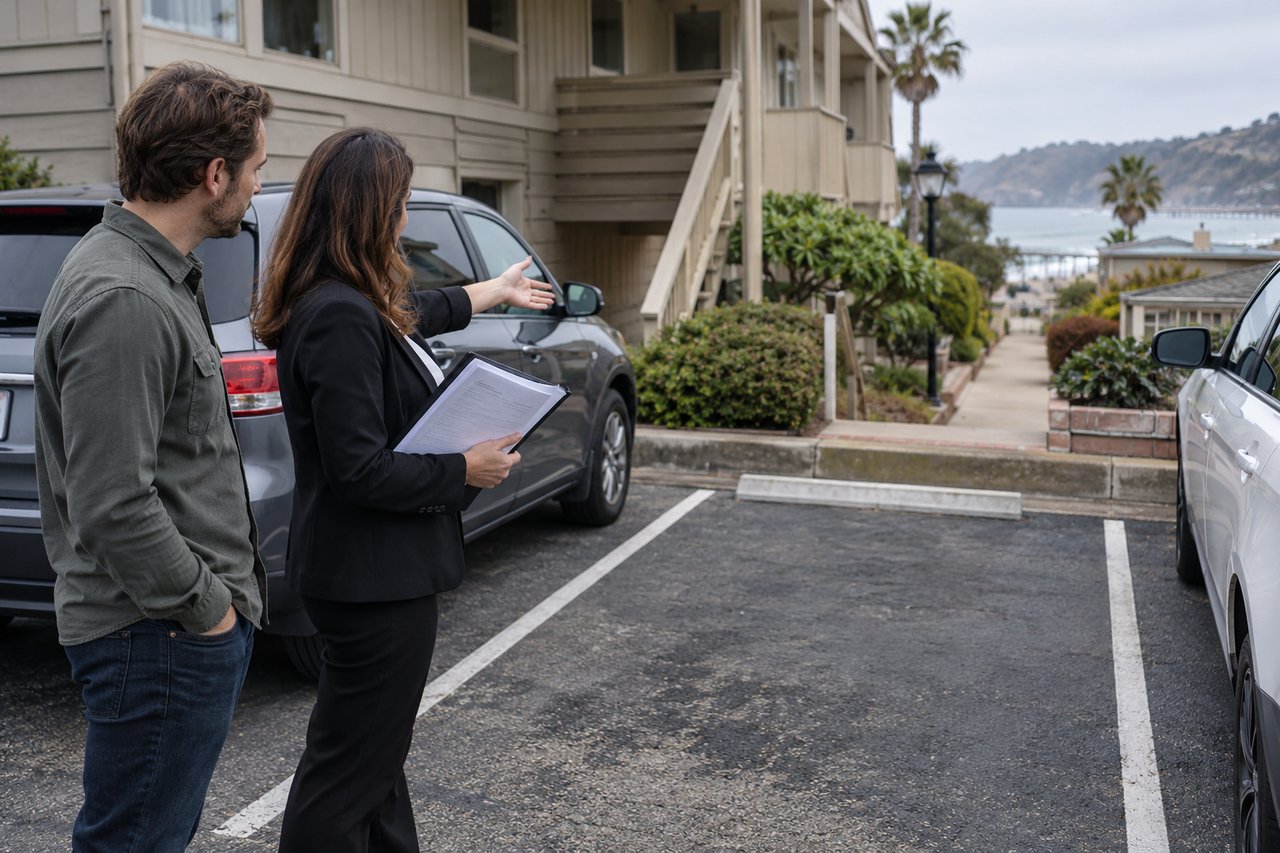
Verify the assigned space, governing documents, access, dimensions and guest-parking rules before relying on the parking arrangement.

Amber Johnson | November 3, 2026
Use both groups of listings to understand choice without assuming a single number tells the whole story.
You’ve got questions and we can’t wait to answer them.

Amber Johnson, Founder
Pillar Real Estate
805.835.3425
DRE# 01925434
1345 Park Street
Paso Robles, CA 93446