What Does the Share of Cash Sales Tell San Luis Obispo County Buyers and Sellers?
October 7, 2026

October 7, 2026
The share of cash sales tells buyers and sellers how much of a defined group of completed transactions involved purchases without mortgage financing at closing. It can provide context about the mix of buyers in that group. It doesn't tell you whether every listing has cash competition, whether a cash offer will win, or what a particular home should sell for.
I'm Amber Johnson, founder of Pillar Real Estate in Paso Robles. When I help buyers and sellers interpret San Luis Obispo County market information, I want to connect the numbers to the decision they actually face. A useful measure should help you ask better questions, not replace a close review of the property and the offer.
This article explains how to use the cash-sale share without claiming a current local percentage. Before applying any figure, confirm its source, reporting period, geography, property types, and definition. Those details determine what the number can reasonably tell you.
A share compares one part of a group with the whole group. For cash sales, that generally means cash transactions divided by the total transactions included in the report. The definition and coverage used by the source still matter.
Ask whether the measure describes completed sales, surveyed buyers, or another set of observations. Those are different kinds of evidence. A completed-sale measure describes transactions that reached closing; it doesn't automatically describe every offer submitted during the same period.
Also distinguish the number of cash sales from their share. A larger share can occur because cash transactions increased, because financed transactions decreased, or because both changed at different rates. Looking only at the percentage can hide that difference.
If a report doesn't explain the group or how the classification was made, be careful about using it to guide a decision. A precise-looking figure is only as useful as the information behind it.
San Luis Obispo County includes different communities and property choices. A countywide figure combines transactions that may not resemble the home you're buying or selling. It provides broad context rather than a direct forecast for one address.
Ask whether you can review a more relevant set of properties. Location, price range, property type, and condition may all affect which transactions make sense to compare. Don't assume a countywide cash share represents every neighborhood equally.
A narrowly defined group has limits, too. If there are few sales, a small change in the number of cash transactions can move the share noticeably. Review the transaction count alongside the percentage so you understand how much evidence is available.
Our article on new listings and SLO County market trends can help frame the broader questions. For your decision, ask which observations are actually relevant to the home and price range you're considering.
A monthly figure, a quarterly figure, and an annual figure summarize different periods. Comparing them without acknowledging that difference can create an impression of change that isn't supported by comparable evidence.
Use consistent definitions and periods when you can. If you're comparing sources, review whether they cover the same transactions and classify cash sales the same way. Differences in coverage may explain part of the apparent disagreement.
Completed sales also reflect decisions made before the reporting date. The figure may be useful background, but it doesn't instantly describe the competition a new listing will face today. Pair it with current, property-relevant observations.
The May 2026 SLO County market report is a dated reference, not a substitute for a fresh report. Keep that date distinction clear whenever you use historical material to understand a trend.
A market with cash transactions can still include financed buyers who make competitive offers. The share doesn't show every buyer who considered a home, every unsuccessful offer, or the terms that caused a seller to choose one offer over another.
It also doesn't tell you how many offers a particular property received. A listing's price, condition, presentation, access, and fit with buyer needs all deserve a separate review. You can't infer the response to one home from a broad cash percentage alone.
For buyers, the practical question is what competition is present for the properties you're pursuing. Ask about the evidence available for that specific situation. Don't turn a countywide statistic into an assumption that you must change every part of your offer.
For sellers, consider how your home compares with relevant alternatives. A market measure can support the discussion, but pricing and preparation should be tied to actual comparable properties and the circumstances of your sale.
A cash offer may remove the need for purchase mortgage financing, but the financing label isn't the complete offer. Price, contingencies, deposit terms, timing, proof of funds, and other contract provisions still need careful review.
Don't assume a cash buyer has no conditions or that every cash offer can close on the same schedule. Read the actual terms and confirm the details through the appropriate process. An appealing label doesn't establish the strength of the whole transaction.
Your goals matter, too. A closing date or possession arrangement can be important to a seller who is coordinating another move. Compare the offers against your priorities while understanding the obligations and uncertainties each one presents.
The discussion of whether cash offers are better for SLO County sellers addresses that offer-level comparison. The cash-sale share provides context around it, not a rule that tells you which offer to accept.
If you plan to use financing, a cash-share figure doesn't mean your purchase is impossible. Focus on the preparation relevant to your own offer: lender communication, a realistic budget, complete documentation, and a clear understanding of the terms you can meet.
Discuss your financing with your lender before pursuing a property. Understand the steps still required and the timeline you can reasonably support. Don't promise a closing date simply because it sounds competitive if the necessary process hasn't been confirmed.
Review contingencies and other protections carefully with your agent and appropriate advisers. A general market statistic is not a reason to remove a protection you don't understand. Any offer decision should reflect the property, your circumstances, and the risks of the actual terms.
If you plan to pay cash, the same principle applies: preparation and clear terms matter. Confirm that the transaction fits your broader financial plans with qualified advisers. Paying without a purchase mortgage doesn't eliminate the need for inspections, document review, or thoughtful decision-making.
Cash share and sale prices answer different questions. One describes the financing mix in a defined set of transactions. The other describes what buyers and sellers agreed to for the properties sold. The relationship between them needs evidence rather than an assumption.
A change in the mix of homes sold can also affect what a broad report appears to show. If the properties included differ between periods, a countywide comparison may not describe a change in the value of the same kind of home.
To discuss a particular property's price, review relevant comparable sales and current alternatives. Keep the differences in condition, features, location, and terms visible. A broad statistic should not substitute for that work.
Similarly, a lower cash share doesn't automatically establish a buyer's negotiating position. You still need to understand the listing, the available alternatives, and the seller's response to the actual offer. Use the number as one piece of context.
Ask what else the report shows about the market you're considering. The number of completed sales, available listings, time on market, price changes, and relevant sale comparisons can help you form a fuller picture when their definitions and dates are clear.
Don't expect every measure to tell the same story. They describe different parts of activity and may cover different periods. The useful work is understanding what each measure supports and where its limits begin.
The article on what a market shift can mean for SLO County buyers offers another perspective to evaluate. Apply any historical discussion with attention to its date and the evidence available for your current property search.
When a report creates more uncertainty than clarity, ask for a plain explanation tied to your situation. You should be able to understand why a measure is relevant before letting it influence an important offer or pricing decision.
Before acting on a cash-sale percentage, ask five things: what group was measured, when it was measured, how cash was defined, how many transactions were included, and how closely the group resembles the homes you're considering. Those answers establish the starting point.
Then ask what the figure leaves out. It may not show unsuccessful offers, individual contract terms, the condition of the properties, or the reasons buyers selected a financing approach. Knowing those limits helps keep the discussion realistic.
For a seller, the next step is a careful comparison of your property and any actual offers. For a buyer, it's preparation and a review of the specific listing and terms. The same market measure can raise useful questions for both without producing a universal strategy.
If you're buying or selling in San Luis Obispo County, I can help you connect the market information with your actual decision. Tell me the property or area you're considering and what you're trying to understand. We'll focus on the evidence that makes sense for your goals.
Amber
Amber Johnson
Founder, Pillar Real Estate
805.835.3425
[email protected]
1345 Park St. Paso Robles, CA 93446
DRE# 01925434
Website: https://pillarrealestate.com/

Amber Johnson | October 21, 2026

Amber Johnson | October 21, 2026

Amber Johnson | October 21, 2026
Check privacy, shared-space rules and activity near the unit before deciding whether courtyard-facing condo living suits you.

Amber Johnson | October 20, 2026
Review the stove, venting, documentation and insurance questions before treating wood heat as a benefit of the purchase.

Amber Johnson | October 20, 2026
Test the routes to your actual errands, what you need to carry and your backup options before choosing a home around cycling.

Amber Johnson | October 20, 2026
Compare these two Morro Bay areas through the specific homes, daily routes and property features that matter to your household.

Amber Johnson | October 20, 2026
Check the property’s jurisdiction, current home-business rules and private restrictions before assuming clients can visit your home.
Amber Johnson | October 20, 2026
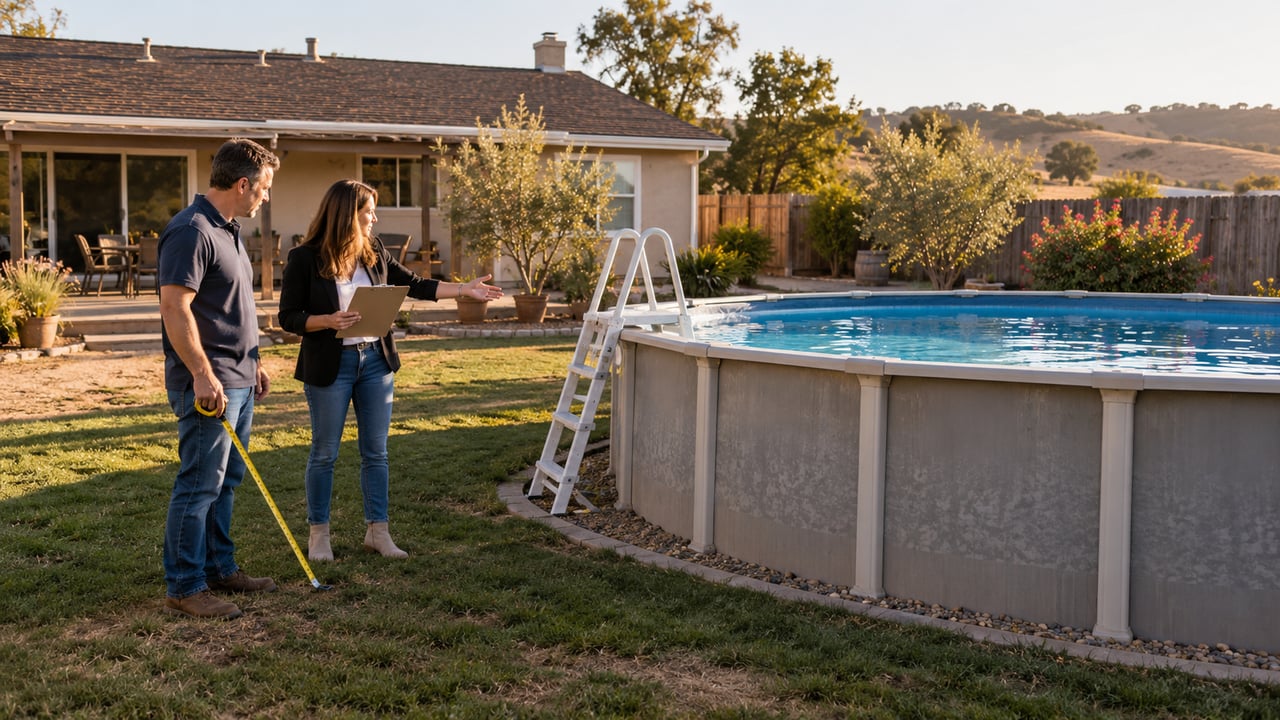
Compare keeping the pool with removal, site restoration and buyer appeal before spending money on pre-sale work.

Amber Johnson | October 20, 2026
Compare a consistent property type and reporting period within relevant price brackets before treating a broad market headline as guidance for a particular home.
You’ve got questions and we can’t wait to answer them.

Amber Johnson, Founder
Pillar Real Estate
805.835.3425
DRE# 01925434
1345 Park Street
Paso Robles, CA 93446