Should I Fix a Leaking Irrigation System Before Selling My Paso Robles Home?
September 24, 2026
September 24, 2026
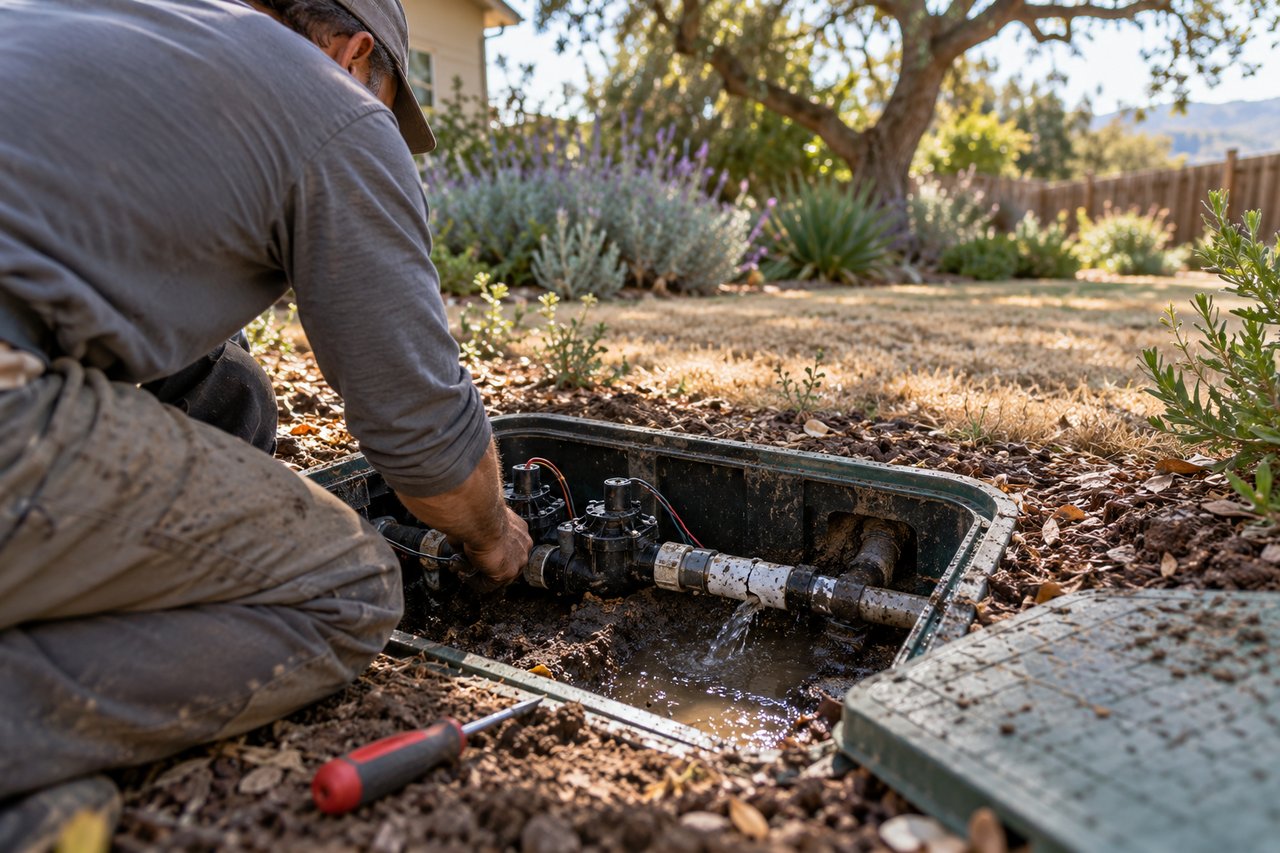
If you have a leaking irrigation system and plan to sell your Paso Robles home, I would address it before listing in most cases. That does not mean replacing every sprinkler head or redesigning the yard. It means finding the leak, understanding its effect on the property, and choosing a repair that makes sense for your sale.
A little water at a valve box can look like a small maintenance item. A constantly wet area, damaged planting, or a rising water bill can suggest a larger problem. Buyers will notice the condition of the yard and may wonder what else has been deferred. The right strategy is to learn what you are dealing with before making a spending decision.
“The irrigation leaks” can describe several different things. A broken sprinkler head may release water only when a zone runs. A valve may seep between cycles. A buried line may keep one patch of soil damp. A hose bib or another water source could be responsible instead. Those differences matter because the scope and urgency of the work can change.
Walk the yard while the system runs, if you can do so safely. Note where water pools, where spray hits hardscape or siding, and whether one area stays damp long after a cycle ends. Look for dry areas too. They may indicate a zone is no longer delivering water where it should. Take photos and write down what you observe, including whether the problem appears only when a zone is on.
For a persistent or hidden leak, ask a qualified irrigation or landscape professional to diagnose it. Do not guess that a visible puddle marks the only failure. The point of a diagnosis is to distinguish a focused repair from a larger system issue. You can then decide what belongs in the listing plan.
Buyers usually experience the yard before they study irrigation components. They see a muddy walkway, a patch of stressed grass, or water collecting next to a planter. They may ask whether the system works, whether the area has been wet for a long time, and whether the moisture has affected anything nearby.
That uncertainty can become bigger than the repair itself. A buyer does not have your history with the property. They are trying to decide what ownership will require after closing. A straightforward repair and a clear explanation can give them a much better picture than an unexplained damp spot.
In Paso Robles, outdoor space often matters to the way a home is presented. Some properties have lawns, some have drought-tolerant planting, and others have established trees or acreage. The irrigation system should support the landscape that is actually there. It does not need to be perfect or elaborate, but a visible leak works against the impression that the yard has been cared for.
I would prioritize a leaking irrigation system when water is being wasted regularly, the leak is visible during showings, or the surrounding area is deteriorating. The same goes for water reaching a walkway, fence, building, or another feature where continued moisture could create a concern. Have an appropriate professional evaluate any possible damage rather than assuming its extent.
Repair becomes especially relevant if the system is part of how the landscaping stays presentable. A green, healthy-looking yard can change quickly when one zone is not working. If photography is coming up, that timing matters. The yard needs a chance to recover after the repair, and there should be time to clean up disturbed soil or materials.
There is also a practical showing issue. A soggy patch or spray across a path makes it harder for buyers to enjoy the outdoor space. Small friction points add up when someone is evaluating a home. If the problem has a clear, reasonable fix, completing it before buyers arrive can be a sensible use of the preparation budget.
A leak does not automatically justify a complete irrigation replacement. If a professional finds one failed fitting or valve, the answer may be a focused repair. If the system is older and has several issues, ask for a clear description of the choices, their cost, and what each would accomplish. Then compare that work with the rest of your selling plan.
Would replacing the entire system meaningfully change the buyer experience? Is the yard going to be marketed as a feature that needs reliable irrigation? Are buyers for this property likely to use the current landscape or change it? These are real estate questions, and their answers depend on the specific home.
I do not recommend spending broadly just because a house is going on the market. For some sellers, a narrow repair and honest documentation make more sense than a major improvement that buyers may not value the same way. For others, a functioning system protects established planting that is central to the property's appeal. We should make that call with the home, likely buyer, and competing listings in mind.
That is the same approach I take to deciding which repairs to make before selling in Paso Robles. A repair earns its place in the plan because it addresses a clear concern, supports presentation, or reduces avoidable uncertainty. It is not there simply to make a checklist longer.
The visible leak is only part of the assessment. Look at the area around it. Is the soil eroding? Is a section of planting stressed from too much or too little water? Has repeated spray left marks on a fence or exterior surface? Does water reach the driveway or a path? If the answer is yes, talk with the appropriate professional about those effects as well as the irrigation component.
Do not assume that every stain or soft patch is caused by irrigation. Similarly, do not describe the issue as minor before someone qualified has checked it. The seller's role is to get a reliable picture and make a thoughtful decision. The technician's role is to diagnose and perform the work.
After a repair, test the affected zones. Ask for an invoice or written summary of what was fixed and keep it with your home records. A photograph of the repaired area after cleanup can be useful too. Good records make it easier to respond accurately if a buyer later asks what happened.
A seller's preparation budget has to serve the whole property. A leaking valve may compete with an interior repair, cleaning, paint touch-ups, or photography. I would start with an estimate and a realistic timeline, then decide what should happen before the home is photographed and shown.
The article on how much to spend preparing a home before selling gets at the broader point: the amount should be tied to the property and the expected benefit, not a generic rule. If stopping a leak protects the yard and removes a buyer concern, it may be a high-priority item. If a proposed overhaul goes far beyond what the home needs to show well, we should examine that cost carefully.
Think about timing. If the ground has been saturated, a same-day repair may not make the area photo-ready. Soil may need to dry, disturbed planting may need attention, and a damaged lawn may need time. Schedule the work early enough to see the result before committing to photos or the first showing.
Then review the home as a buyer would. Enter through the same path, look across the yard, and notice whether the repaired area still calls attention to itself. The goal is not to make every part of the landscape new. It is to remove a preventable distraction and present the home honestly.
“As-is” does not erase a problem or make it irrelevant to a buyer. You can choose not to perform a repair, but you still need to understand the issue and handle applicable disclosures appropriately. Your real estate agent can help coordinate the sale strategy; consult the appropriate professional for legal or technical questions.
If you cannot complete the work before listing, obtain a diagnosis and a written estimate when practical. That gives you a clearer basis for pricing, marketing, and conversations with interested buyers. An unknown problem is harder for someone to evaluate than a documented one.
The decision may depend on the property's overall condition. A home being marketed for a buyer who expects substantial work is different from a carefully prepared home whose outdoor spaces are a major selling point. Either way, the leak should be part of a deliberate plan rather than a surprise discovered halfway through the transaction.
It could. A buyer may notice wet soil during a visit, ask about irrigation during due diligence, or receive a finding from an inspection. The inspection process varies, and not every standard home inspection evaluates the entire irrigation system. That is another reason to avoid waiting for a buyer to identify the problem for you.
If the issue arises after an offer, the buyer may request more information, ask for a repair or credit, or revisit their expectations. The outcome depends on the contract and the specific findings. I cannot promise that fixing a leak will prevent a request. I can say that understanding and addressing a known issue before listing gives us more control over the information we present.
For context, my guide to what happens when a home inspection finds problems explains how findings can lead to further evaluation and discussion. The better the information you gather now, the easier it is to make decisions if questions come later.
Before approving work, I would want clear answers to these questions:
Those answers turn an annoying maintenance issue into a manageable selling decision. If the repair is modest and solves the concern, I would usually complete it. If the scope is substantial, we can weigh the estimate against the property, the competition, and your goals before committing.
Yes, fix a leaking irrigation system before selling when the leak is active, noticeable, or affecting the property. Start with a diagnosis, choose the smallest sound repair that addresses the issue, test the system afterward, and keep the records. If a professional recommends extensive replacement, review that proposal as part of the entire listing strategy instead of approving it on autopilot.
At Pillar Real Estate, I help Paso Robles sellers decide what to handle before listing and what can reasonably wait. Good preparation is specific. It supports the way buyers see the home without asking you to spend on improvements that do not make sense for your situation.
If you are just beginning that process, my guide to what to do before listing a Paso Robles home can help you put the irrigation issue in the context of the full preparation plan. Then we can walk the property together and decide on the next steps.
Not sure whether the leak needs a quick repair or a larger discussion? I can help you evaluate how the condition of the yard fits your sale, which questions to ask a qualified technician, and how to prepare the property for the buyers most likely to want it.
Amber Johnson
Founder, Pillar Real Estate
805.835.3425 | [email protected]
1345 Park St. Paso Robles, CA 93446 | DRE# 01925434
Amber Johnson | September 24, 2026
How to weigh water waste, landscape condition, repair scope, and buyer confidence before listing.
Amber Johnson | September 24, 2026
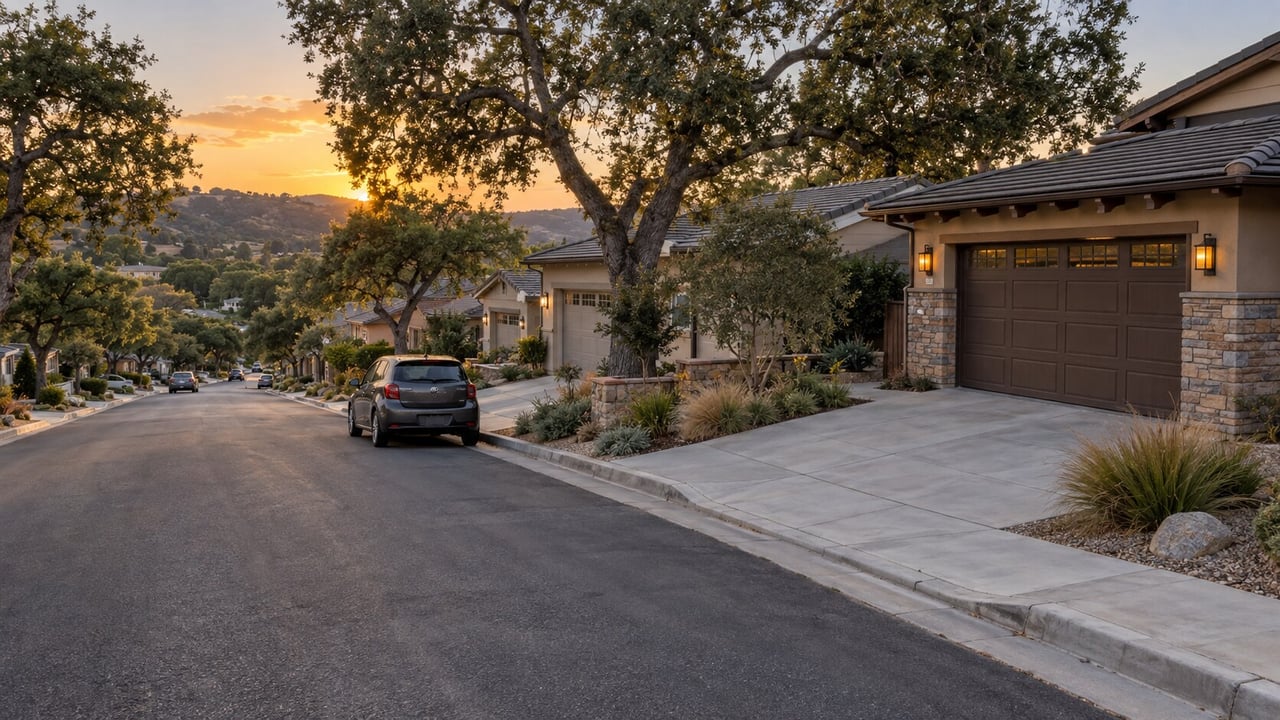
How guest access, household needs, street layout, garages, and buyer preferences can influence marketing and value.

Amber Johnson | September 23, 2026
How condition, financing limits, repair tolerance, and competing choices can shape buyer response.
Amber Johnson | September 23, 2026
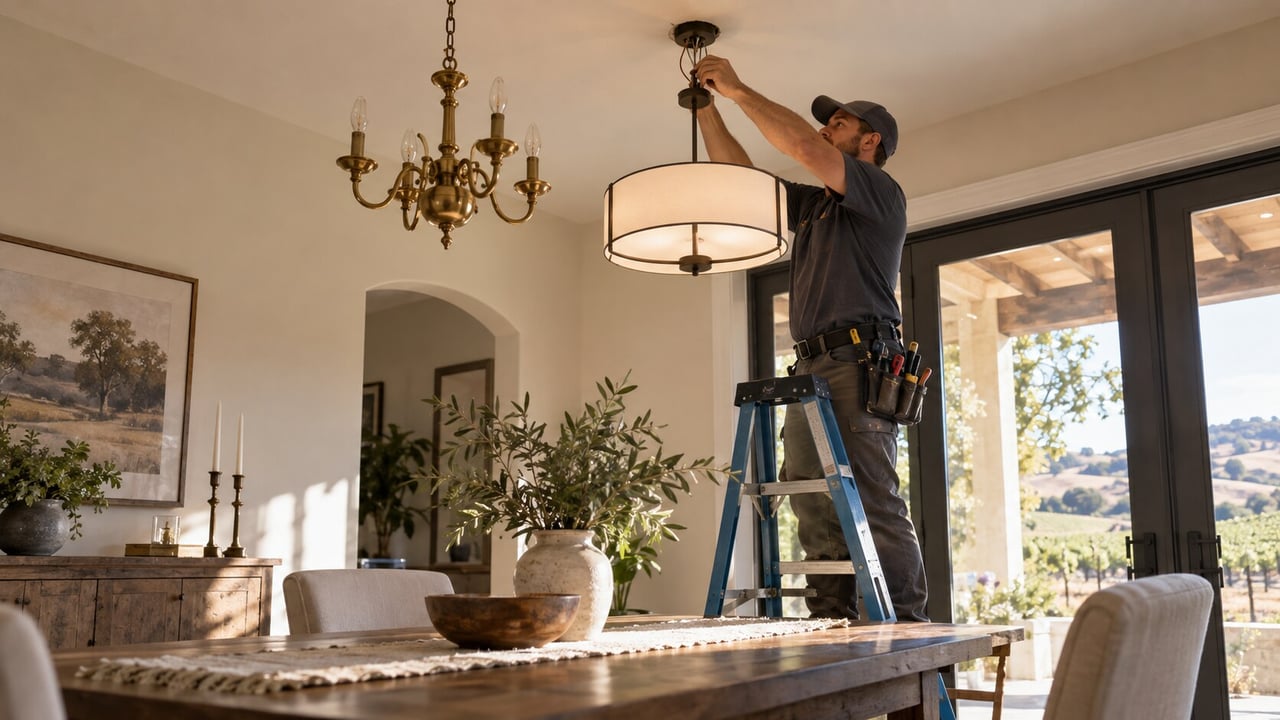
How lighting, style, room presentation, installation cost, and buyer expectations can guide the decision.
Amber Johnson | September 23, 2026
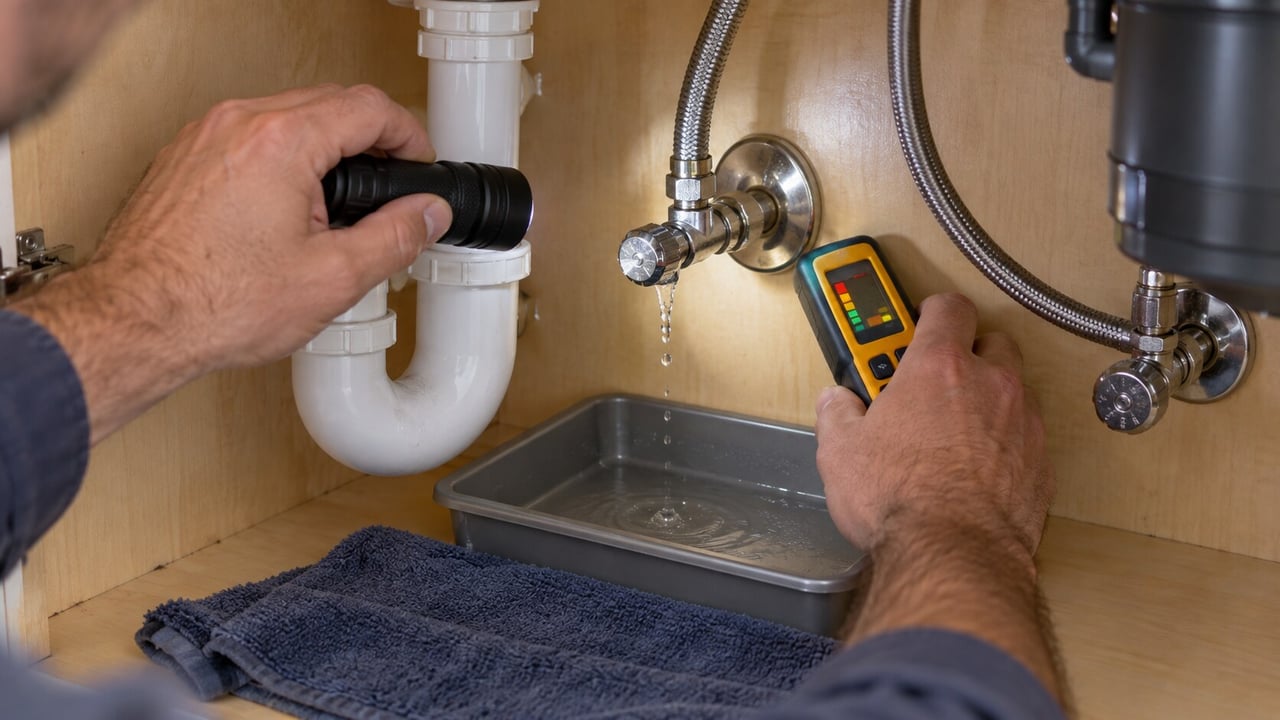
How minor leaks, visible damage, inspection findings, and buyer confidence can affect a sale.
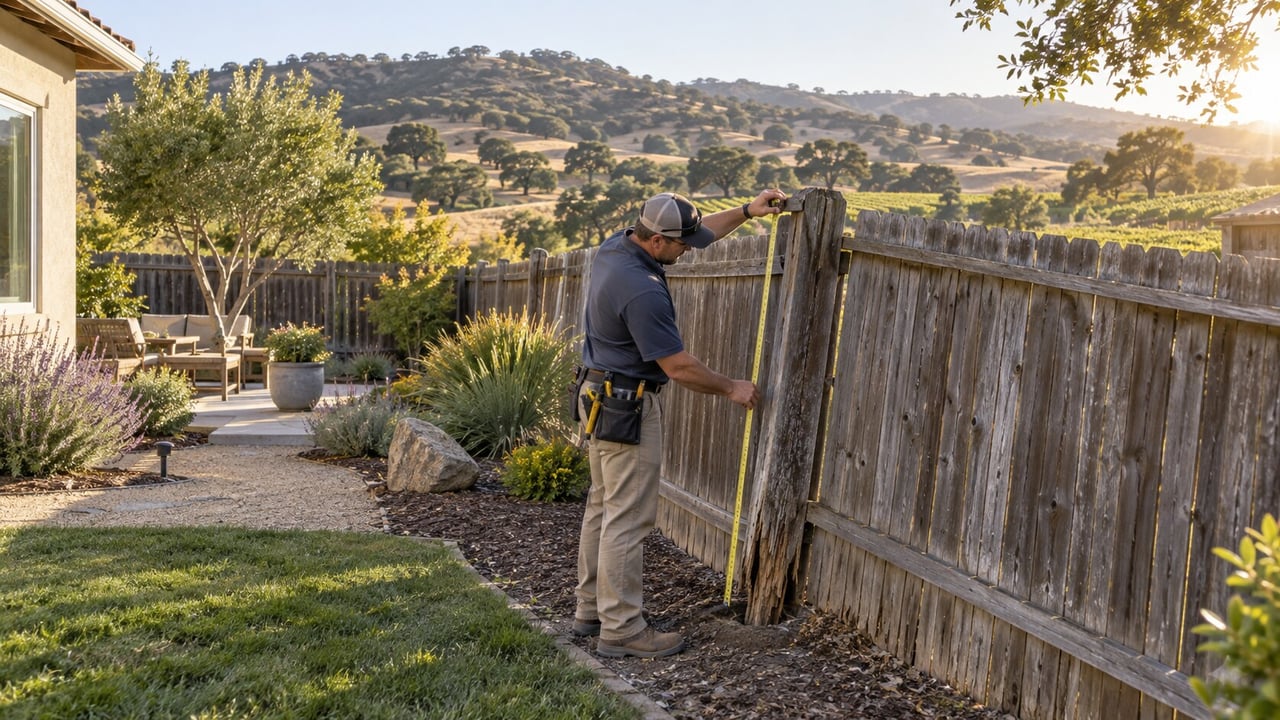
Amber Johnson | September 23, 2026
How safety, privacy, curb appeal, property use, and repair scope can affect buyer response.
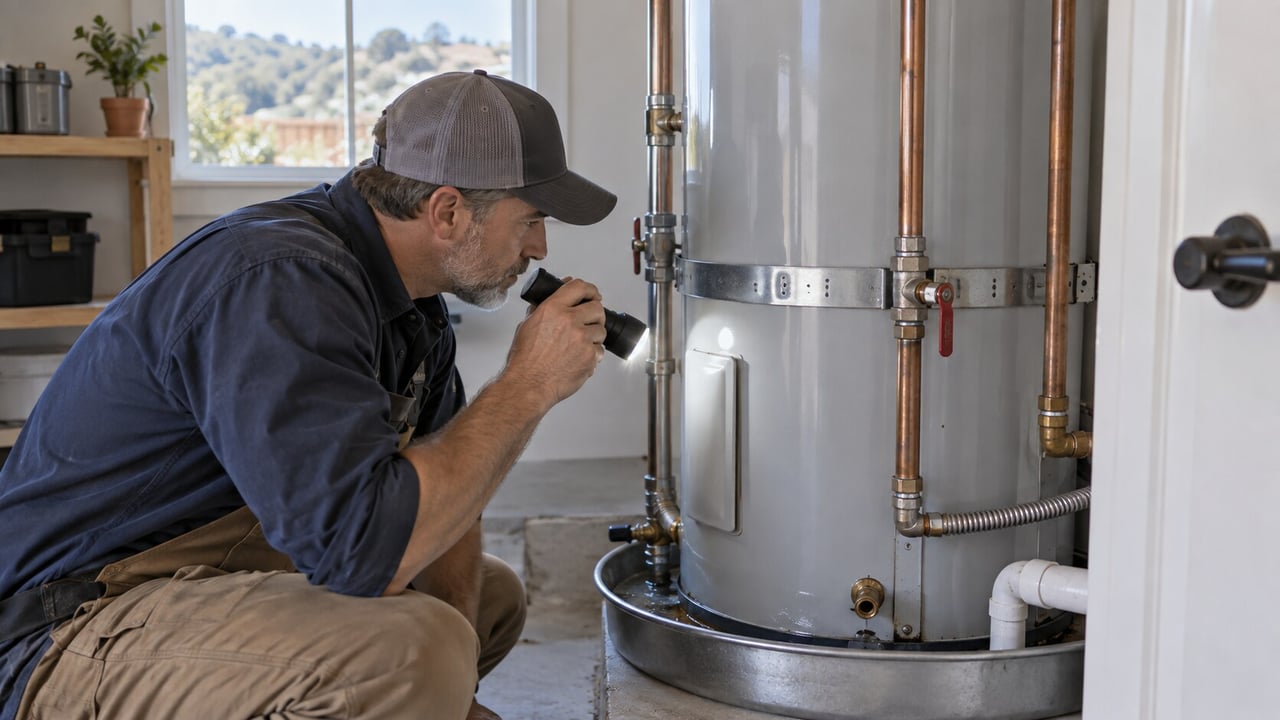
Amber Johnson | September 23, 2026
How age, condition, service history, buyer expectations, and inspection risk can shape the decision.

Amber Johnson | September 22, 2026
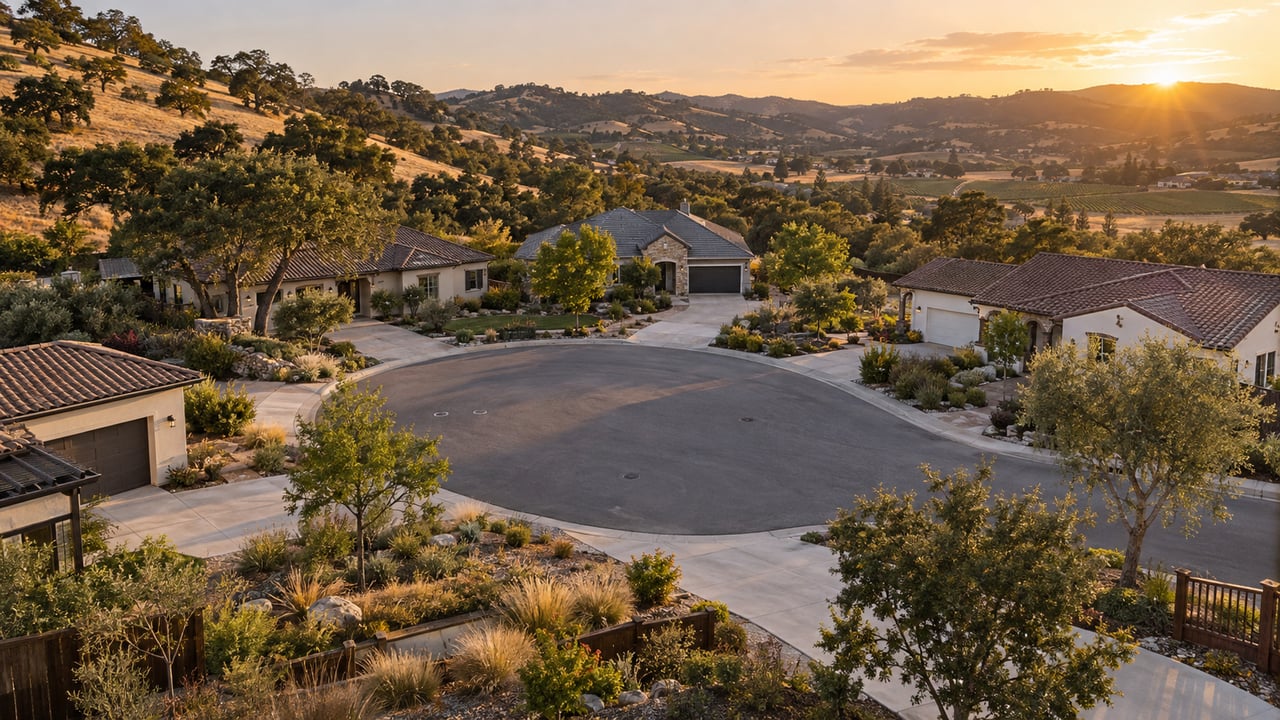
Amber Johnson | September 21, 2026
How traffic patterns, privacy, parking, lot shape, and buyer preferences can influence marketing and value.
You’ve got questions and we can’t wait to answer them.

Amber Johnson, Founder
Pillar Real Estate
805.835.3425
DRE# 01925434
1345 Park Street
Paso Robles, CA 93446