What Do Pending Sales Reveal About Buyer Demand in Paso Robles?
September 24, 2026
September 24, 2026
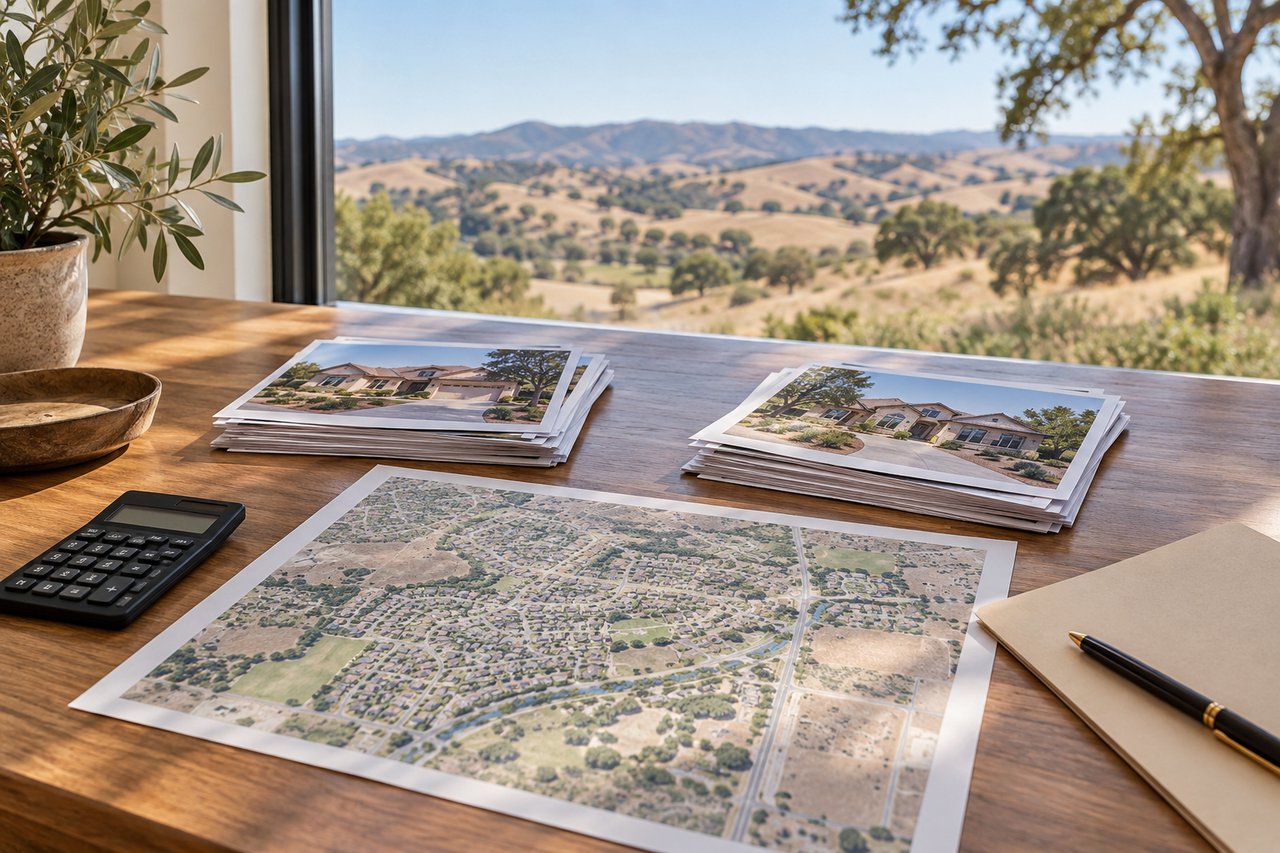
Pending sales can give a Paso Robles seller an early look at where buyers are willing to make commitments. They show which homes have moved beyond active marketing and into contract, so they can help us see where demand is forming before every transaction closes. My short answer is that pending activity is useful evidence of buyer interest, but it is not a complete measure of demand by itself.
A pending sale does not tell us the final price, the complete terms, or whether the transaction will close. It also does not mean every similar home will receive the same response. To use pending activity well, I compare it with active listings, recent closed sales, time on market, price position, property condition, and the specific type of home you plan to sell.
Closed sales tell us what buyers and sellers agreed to in transactions that have already finished. Active listings show what sellers are asking now. Pending sales sit between those two points. They reflect relatively recent buyer decisions, even though the full outcome is not yet public or final.
That timing can make pending activity especially helpful when the available inventory has changed since the most recent comparable sales closed. A home that went under contract recently may reflect buyer choices made under conditions closer to the ones your listing will face. It can help us see which price ranges, locations, property styles, and condition levels are attracting action.
For example, if several well-presented homes in one part of Paso Robles move into contract while similar active listings remain available, that pattern deserves attention. It may point to a difference in price, condition, lot, location, or marketing. The status alone does not explain the cause, but it tells us where to look more closely.
Online views, saves, and showing requests can signal interest. A pending sale reflects a stronger step: a buyer and seller have accepted a contract. That makes pending activity more meaningful than simple browsing or general attention.
Still, the commitment is tied to one property and one set of terms. Buyers may have responded to a particular floor plan, a usable yard, a quiet street, recent updates, a strong presentation, or a price that felt aligned with the home's condition. We should not treat the pending label as proof that demand is equally strong for every nearby home.
This is why I group properties carefully. An in-town home near downtown Paso Robles should not automatically be read the same way as a rural acreage property, a newer subdivision home, or a house with a vineyard view. Buyer pools overlap, but they are not identical. The more closely a pending property resembles your home in the features buyers care about, the more useful it may be.
Pending activity becomes clearer when we place it next to the homes buyers can still choose. If several comparable homes are active and only one has gone pending, we need to understand what separated that property from the rest. If most of the closest alternatives have gone pending, that may suggest buyers are responding quickly to that particular segment.
Start with the basics. Compare location, price range, square footage, bedroom count, lot characteristics, age, updates, and visible condition. Then look at presentation. Did the pending property have strong photography, a clean showing experience, and a clear value story? Did it offer a feature that is hard to find among the active listings?
The relationship between supply and buyer response matters more than the raw number of pendings. A small number of pending homes may be meaningful when there are very few comparable listings. The same number may mean less when buyers have many similar choices. My May 2026 San Luis Obispo County market report explains why inventory and demand should be read together rather than as isolated figures.
The list price remains visible in many pending records, but the accepted price and other terms may not be known until the sale closes. A buyer could have offered above, at, or below the asking price. The contract could include credits, repairs, timing accommodations, or other terms that affect the seller's result.
That uncertainty limits how precisely a pending sale can support pricing. It may show that a buyer found the property compelling enough to write an acceptable offer, but it does not reveal the full bargain. I use the pending property as a signal and wait for the closed record before treating the final price as confirmed evidence.
There is another practical limit: not every pending transaction closes. Financing, appraisal, inspections, title questions, insurance, or a change in circumstances can affect a sale. A strong analysis respects that possibility without ignoring the useful signal that a contract was accepted.
One pending home can be informative, especially when it is a close match, but a pattern is more dependable. I look for repeated buyer behavior across several properties. Are clean, updated homes moving while homes with visible deferred maintenance remain active? Are buyers choosing smaller homes in preferred locations over larger homes farther out? Are correctly positioned properties receiving contracts while ambitiously priced listings sit?
These patterns can help a seller decide how to compete. They may support a focused repair plan, a stronger presentation strategy, or a more careful price position. My article about deciding whether repairs are worth it when buyers have more choices discusses how condition can matter when buyers are comparing several alternatives.
We should also watch for differences within Paso Robles. A broad citywide summary can hide what is happening in a specific neighborhood, price range, or property category. Demand for a turnkey in-town home may be different from demand for a larger rural parcel. The best comparison set is narrow enough to reflect the buyers most likely to consider your home.
Pending sales are forward-looking clues. Closed sales provide confirmed results. I use both because each answers a different question. Pendings help show what buyers have chosen recently. Closings reveal the recorded sale price and allow a more complete comparison with the original and final list prices.
If pending activity appears strong but recent closings show price reductions or longer marketing periods, the picture may be more balanced than the pending count suggests. If recent closings and current pendings both show steady buyer response among well-positioned homes, that pattern carries more weight.
Timing matters as well. A closed sale may reflect an offer accepted weeks before the recording date. A pending home may reflect a more recent decision, but with incomplete terms. Reading both helps us avoid relying on evidence that is either too old or not yet final.
Pending activity can help identify the price positions buyers are accepting, but it should not be used as permission to copy another seller's asking price. Two homes that appear similar on paper may differ in layout, street setting, maintenance, views, outdoor space, privacy, or upgrades.
I begin with the closest relevant sales and active competition, then adjust the discussion for the home itself. The goal is to choose a price that helps qualified buyers understand the value while leaving room for the property's distinct features to matter. My guide to choosing the right listing price in San Luis Obispo County explains that process in more detail.
A seller should also ask what happened before the property went pending. Did it launch at the current price, or was the price reduced? Did it sit for a while before receiving an offer? Did a renovation, staging change, or improved presentation occur? The pending status is one point in the story, not the entire story.
If the pending homes that most closely resemble yours are consistently clean, maintained, and easy to understand online, that tells us something about buyer expectations. It does not mean you need to copy every update. It may mean the visible condition and presentation need to support the price.
Conversely, if homes with ordinary finishes are going pending when they are priced clearly and presented honestly, a major renovation may not be necessary. We can focus on repairs that protect buyer confidence, improve photography, and make showings easier.
This is where pending activity can prevent waste. Instead of preparing the home according to a generic checklist, we can compare what buyers are actually choosing. Then we can spend time and money on the parts most likely to affect the sale.
Pending sales help with the plan before listing, but your own market response becomes the most relevant evidence after launch. Showings, repeat visits, questions, feedback, and offers reveal how buyers see your home next to the competition.
If comparable homes continue to go pending while your home receives little activity, review the price, presentation, access, and marketing together. If your home receives showings but no offers, the issue may be different. Buyers may like the home but prefer another value proposition, or they may see a condition concern that needs to be addressed.
Do not react to one quiet day or one new pending listing. Look for a consistent pattern. If the evidence supports a change, make it deliberately. My article on whether to lower the price or wait when a home is not getting offers outlines the questions I use before recommending an adjustment.
These questions turn a status change into useful context. They help separate broad market noise from evidence that may affect your sale.
Use pending sales as an early indicator of buyer commitment, not as a stand-alone pricing formula. The most helpful pending properties are recent, closely comparable, and supported by active and closed-sale evidence. They can show where buyers are responding, which features or condition levels may be winning attention, and whether your planned position looks competitive.
At Pillar Real Estate, I help Paso Robles sellers read that information in the context of their actual home. We look beyond a count of pending listings and study the choices buyers had, the differences between properties, and the result your pricing and preparation need to support.
If you are considering a sale and want to understand what recent pending activity means for your property, I can help you build a focused comparison. We can review the most relevant active, pending, and closed homes and use that evidence to shape a practical selling plan.
Amber
Amber Johnson
Founder, Pillar Real Estate
805.835.3425 | [email protected]
1345 Park St. Paso Robles, CA 93446 | DRE# 01925434
Amber Johnson | September 24, 2026
How to read pending activity alongside available homes, recent closings, and the type of property you plan to sell.

Amber Johnson | September 24, 2026
How a focused paint touch-up may affect presentation, maintenance concerns, and the preparation budget.
Amber Johnson | September 24, 2026
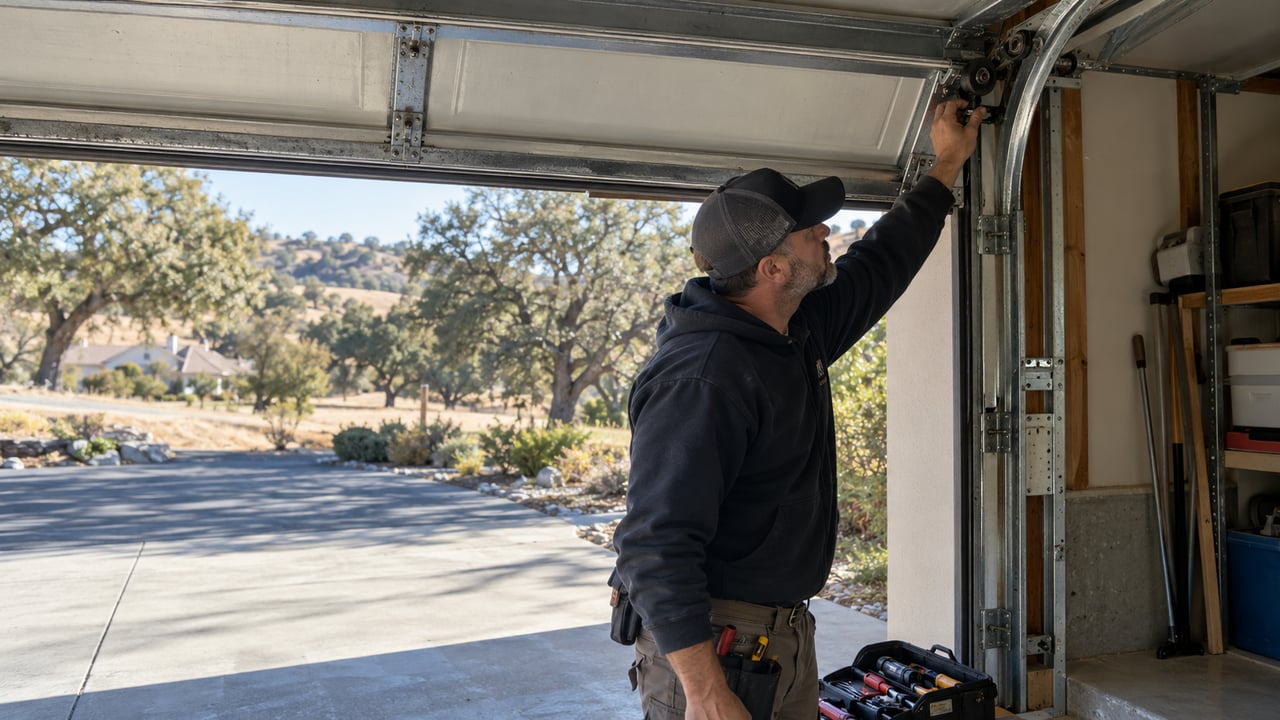
How reliable operation, visible condition, inspection concerns, and buyer use affect the repair decision.
Amber Johnson | September 24, 2026
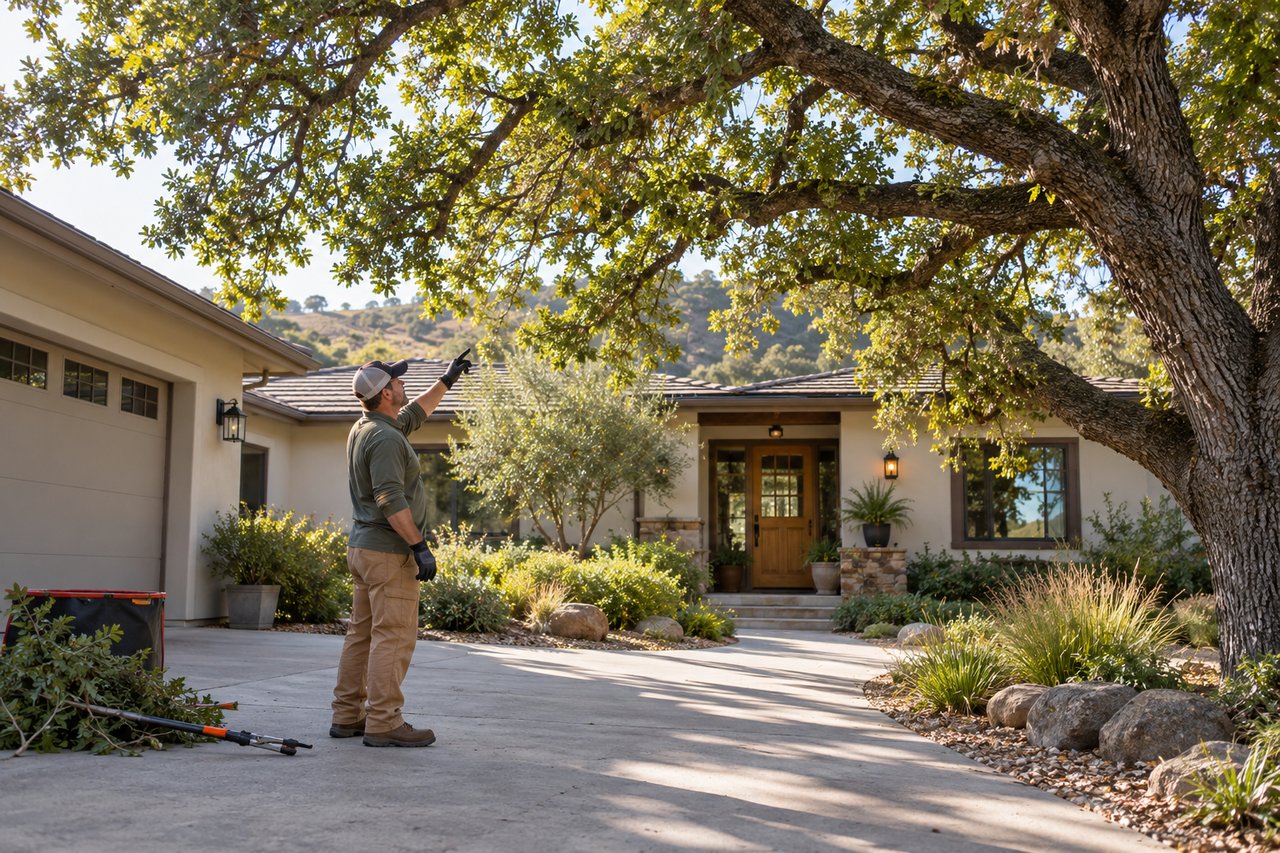
How tree condition, access, light, safety, and the property's character can guide selective trimming.

Amber Johnson | September 24, 2026
How to weigh water waste, landscape condition, repair scope, and buyer confidence before listing.
Amber Johnson | September 24, 2026
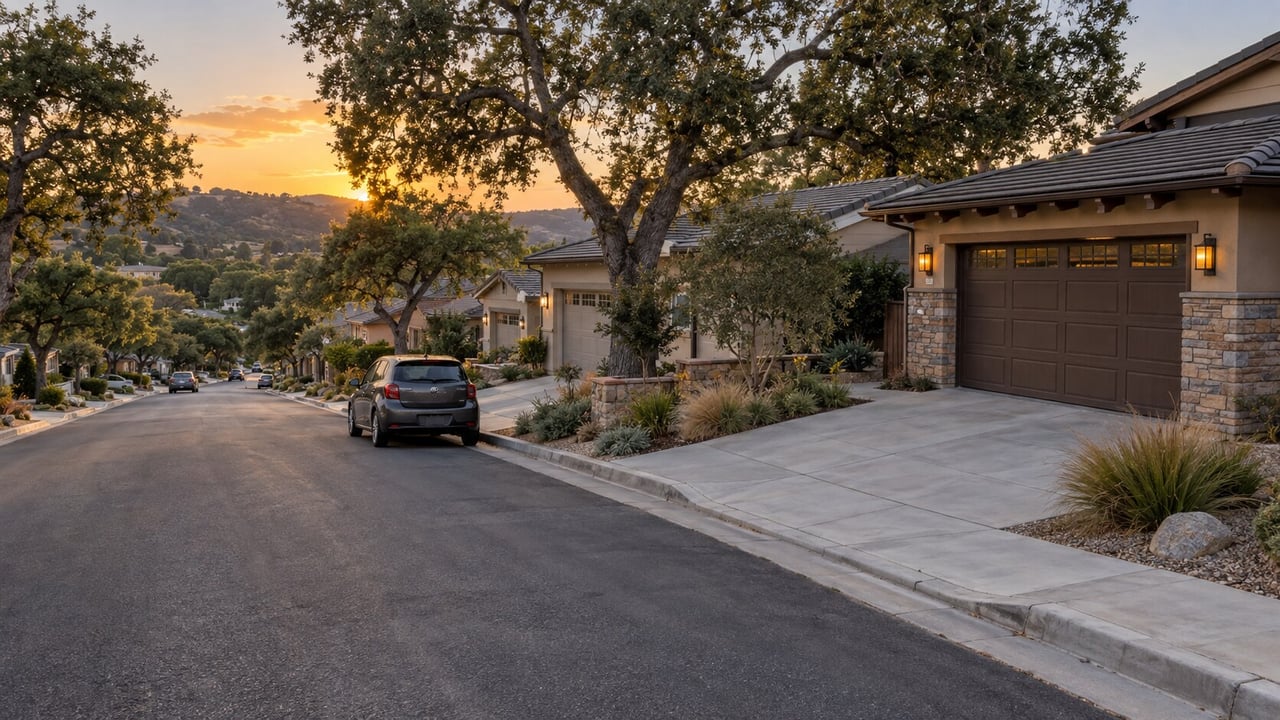
How guest access, household needs, street layout, garages, and buyer preferences can influence marketing and value.
Amber Johnson | September 23, 2026
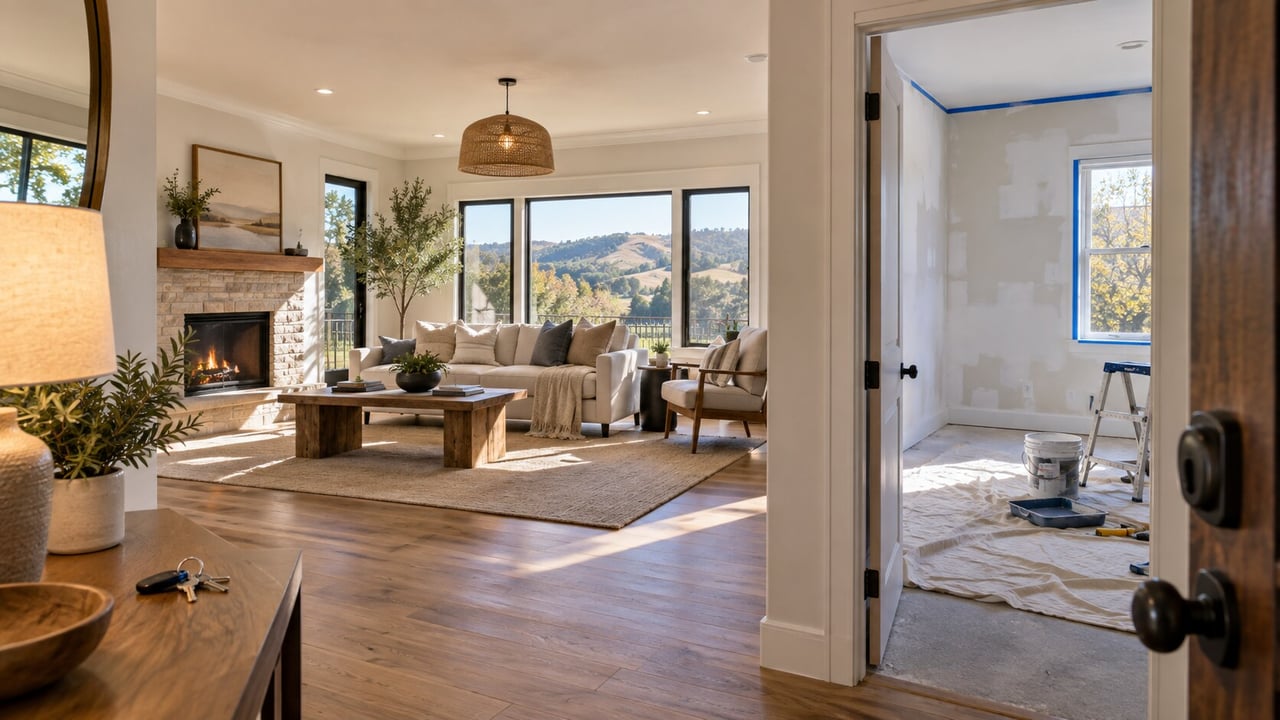
How condition, financing limits, repair tolerance, and competing choices can shape buyer response.
Amber Johnson | September 23, 2026
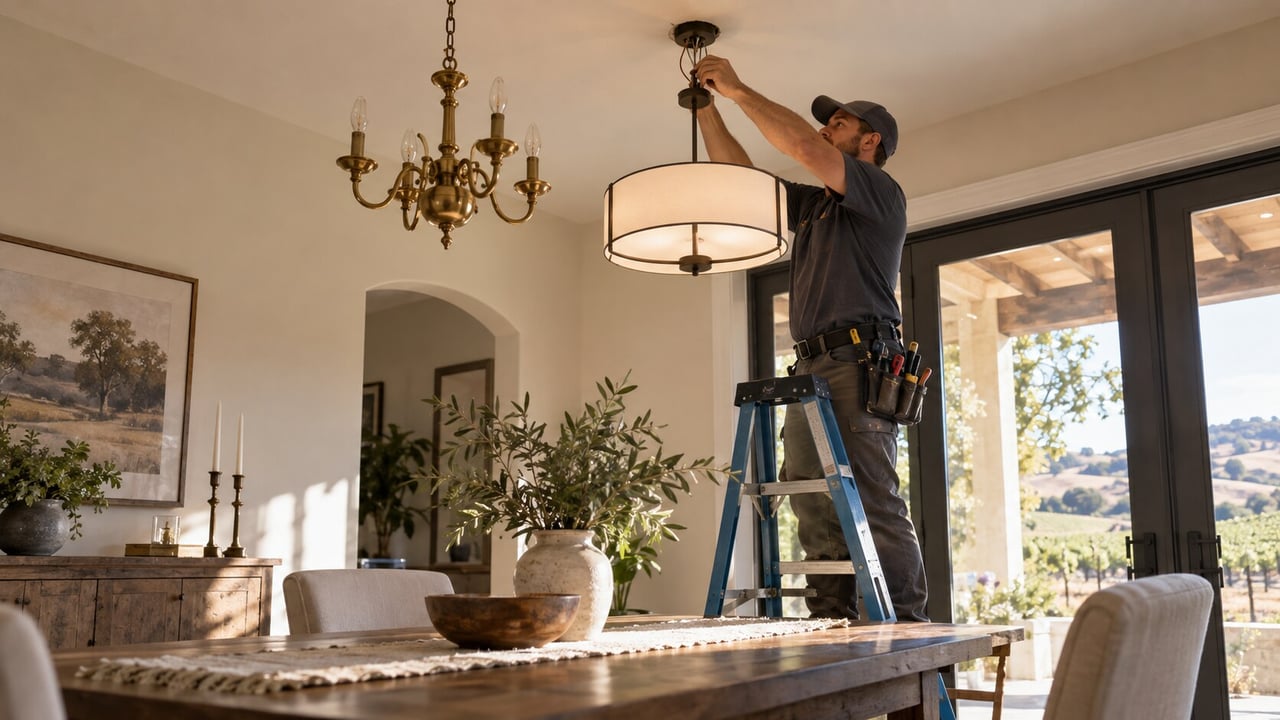
How lighting, style, room presentation, installation cost, and buyer expectations can guide the decision.
Amber Johnson | September 23, 2026
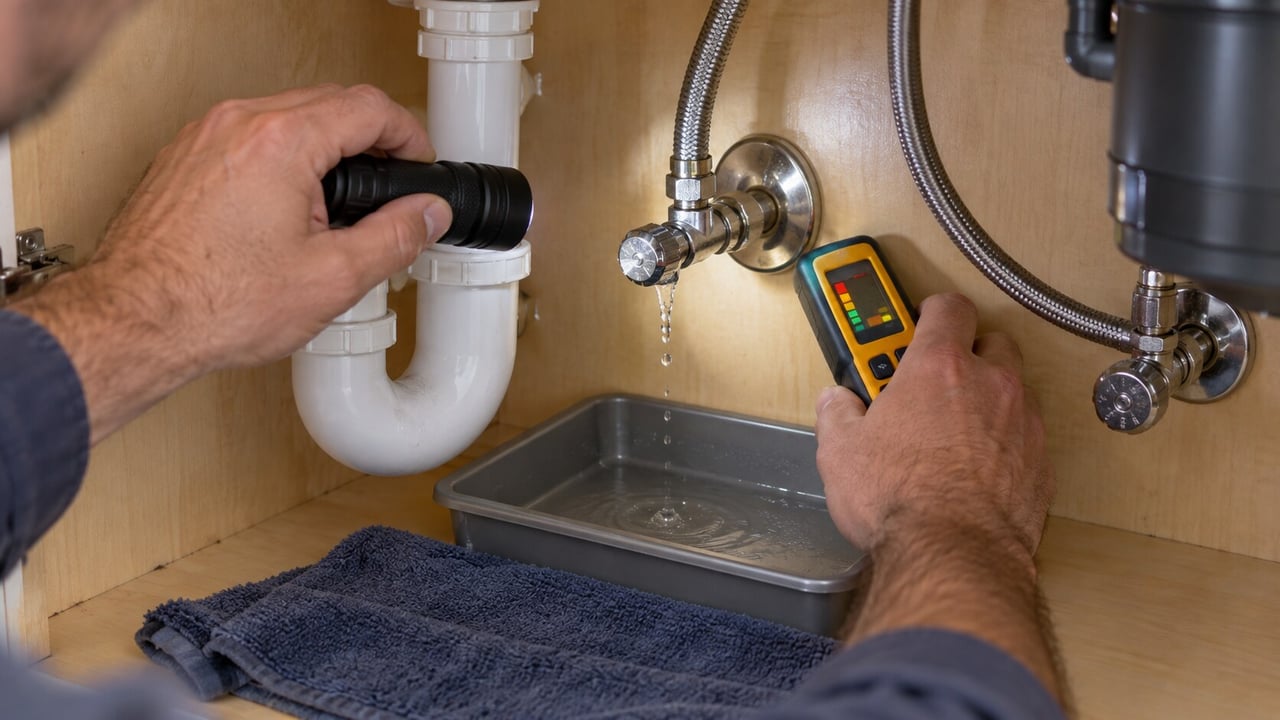
How minor leaks, visible damage, inspection findings, and buyer confidence can affect a sale.
You’ve got questions and we can’t wait to answer them.
Amber Johnson, Founder
Pillar Real Estate
805.835.3425
DRE# 01925434
1345 Park Street
Paso Robles, CA 93446