Would I Prefer Living East or West of Highway 1 in Morro Bay?
November 14, 2026
November 14, 2026
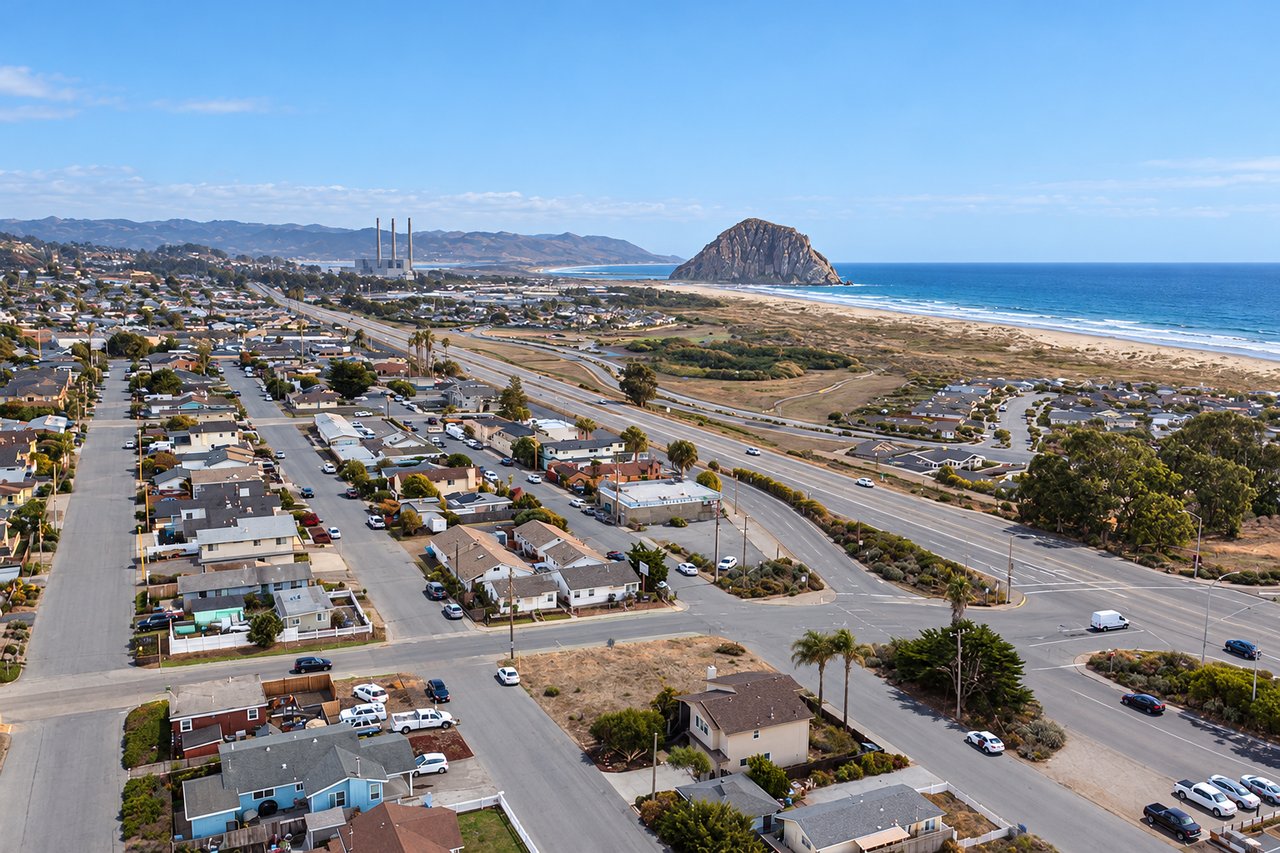
You may prefer the inland side of Highway 1 in Morro Bay if the particular terrain, home layout and routes suit your routine. You may prefer the coastal side if the actual access and setting fit the way you want to live. The highway is a useful geographic reference, but it doesn't divide the city into two uniform living experiences.
Compare specific properties on both sides before deciding. A home's elevation, street, condition, parking and connection to your regular destinations can matter more than its position relative to the highway. Treat broad area descriptions as a starting point for investigation.
I'm Amber Johnson, founder of Pillar Real Estate in Paso Robles. I help buyers compare SLO County communities through the details of everyday life. In Morro Bay, I want your search to connect the coastal setting you enjoy with a home and routine that actually work for you.
Begin by locating each candidate property accurately and reviewing its actual surroundings. Don't assume every home on one side has the same access, exposure or relationship to the water. The city includes different blocks and property settings.
A map helps organize the search, but it does not tell you how an approach feels on foot or how a home functions. Visit the actual location and distinguish what you observed from what you expected based on the map.
Our overview of living in Morro Bay can provide broader context. Use that context to build questions rather than to assign an automatic advantage to either side of Highway 1.
Notice the grade of the street, driveway and entrance at each home. Walk the route you would use while carrying groceries or bringing in everyday items. A property can look convenient from a photograph while presenting a different arrival experience.
Where a home has slopes, stairs or retaining features, ask the appropriate professionals about condition and responsibilities. Don't infer stability or maintenance needs from appearance alone. The records and qualified evaluations should inform those questions.
Consider how your needs might change during ownership. A route that is comfortable today may still deserve thought if you expect frequent visitors, deliveries or different mobility needs. Evaluate the actual design without making assumptions about an entire area.
If reaching the coast is a major reason for moving, define the destination and route you mean. A regular walk, a drive with equipment and an occasional outing each involve different practical requirements.
Follow the lawful route from the home and check the crossings, connections and arrival arrangements. Don't assume that a home west of the highway automatically provides the exact walk you want or that an inland address cannot support your preferred outing.
Our article on moving to Morro Bay for a walkable coastal routine can help you frame that test. The useful question is whether you will comfortably repeat the trip, not simply whether a destination appears close.
List the places you use regularly and test the routes from each serious candidate. Include the neighborhood approach and any highway connection or crossing that belongs to the trip. A citywide location description cannot replace this address-specific check.
Visit at a time that resembles your normal schedule when practical. Notice how the turns and arrival feel, and keep a record of the experience. Conditions can change, so treat the test as evidence rather than a promise of a fixed travel time.
Compare the return trip too. The route home after errands or work can affect your preference differently from the departure. A home search should account for the full loop you will actually use.
Spend time at the property under more than one set of conditions if possible. Notice outdoor comfort, sunlight and how the interior feels. Don't promise yourself a particular daily weather experience based on a single visit.
Ask about property-specific maintenance and review available records. Exterior materials, installation and condition all matter. A coastal location is a reason to investigate the actual home carefully, rather than assume every property will have identical needs.
If a concern arises about moisture, ventilation or another technical issue, bring it to an appropriate professional. General neighborhood impressions should not replace a qualified evaluation of the building you are considering.
A view can be an important personal preference, but verify it from the rooms and outdoor areas you would actually use. Notice where you need to stand or sit to experience it and how the home works when you are focused on ordinary tasks.
Don't assume a view is permanent or legally protected without appropriate investigation. Review relevant documents and seek qualified guidance where that question matters. A photograph does not establish rights or future conditions.
Compare the view with layout, parking, maintenance and budget. A home can be appealing for its setting while still requiring compromises you don't want. Your decision should account for both the special feature and the everyday property.
Compare the actual homes available in your budget, including their size, arrangement and ownership type. A pattern you notice during a few tours may not describe every block. Keep conclusions connected to the properties you have examined.
Review inspections, disclosures and ownership documents for each candidate. A familiar exterior style or similar age does not establish that two homes have the same condition. Let the property evidence guide your assessment of work and cost.
Our comparison of Morro Heights and the Cloisters offers another way to think about local differences. It can help clarify preferences, while the precise address and current information remain central.
Evaluate the garage, driveway and route to the entrance using your actual vehicles and needs. Consider storage, charging, visitors and deliveries where relevant. Measure or verify details that materially affect the purchase.
If street parking matters, observe the block at useful times and confirm current restrictions through the appropriate source. A space available during a showing is not a guarantee about the conditions your visitors will encounter.
Notice whether arrival is straightforward for the people who will use the home. Those details can be a sound reason to prefer one property over another, without needing to make a broad claim about either side of the highway.
During a showing, spend time in the rooms where you expect to work, rest and gather. Notice sound and activity under the conditions present. Ask questions about anything that concerns you and investigate using suitable sources.
Don't assume a highway's map distance tells you exactly what you will hear. Property placement, construction and other conditions can affect the experience. Your observation and professional review should guide the decision.
Likewise, an appealing exterior setting doesn't guarantee that the floor plan suits you. Compare room connections, light, storage and the practical uses you expect. The home should work when the outing is over and you are back to your ordinary day.
Put purchase price alongside the current costs and responsibilities you can verify for each home. Include insurance quotes, maintenance needs and any association or shared arrangements that apply. Avoid assigning costs based only on the general location.
If a property needs work, obtain appropriate scopes and estimates before using a rough allowance in your decision. Keep known work separate from future possibilities. That makes your comparison easier to understand and less dependent on optimism.
Leave room for uncertainty in the budget and your comfort level. The home that technically fits the purchase limit may not be the one that best supports the ownership experience you want.
Use the same questions at each showing so an attractive view or a particularly comfortable room doesn't erase an important practical concern. Keep essential needs visible alongside preferences. If you change a priority during the search, apply that change fairly to all serious candidates.
This approach also helps when different household members favor different homes. Discuss specific observations and compromises rather than debating which general area is best.
Review your notes side by side: approach, terrain, coastal outings, work routes, comfort, condition and ongoing responsibilities. Identify the differences that matter most and which questions still need answers before you move forward.
You may find a clear preference for a particular coastal-side or inland-side property. That preference is strongest when you can explain it through your routine and verified information, rather than a broad assumption about the highway.
I help Morro Bay buyers compare those practical tradeoffs while keeping the larger move in view. We can evaluate suitable properties on both sides and build a search around the way you actually want to live.
Visit Sell With Amber to discuss your Morro Bay home search and compare specific locations with a clear plan.
Amber
Pillar Real Estate | Amber Johnson, Founder
805.835.3425 | [email protected]
1345 Park St. Paso Robles, CA 93446 | DRE# 01925434

Amber Johnson | November 14, 2026
Amber Johnson | November 14, 2026
Compare terrain, access, coastal exposure, housing patterns and daily routes on each side of Highway 1.

Amber Johnson | November 13, 2026

Amber Johnson | November 13, 2026
Test the route, schedule, backup plans and the trip from a specific home before deciding whether the commute fits.

Amber Johnson | November 12, 2026
Compare coating condition, underlying damage, cost and curb appeal before deciding whether repainting makes sense.

Amber Johnson | November 11, 2026

Amber Johnson | November 11, 2026

Amber Johnson | November 11, 2026
Compare appearance, operation, window condition and buyer expectations before deciding whether the units should stay.
Amber Johnson | November 10, 2026
Learn what each listing outcome may mean, what it leaves unanswered and how price range, location and timing affect the comparison.
You’ve got questions and we can’t wait to answer them.
Amber Johnson, Founder
Pillar Real Estate
805.835.3425
DRE# 01925434
1345 Park Street
Paso Robles, CA 93446