What Should Buyers Check Before Buying a Nipomo Home with a Propane Tank?
October 29, 2026
October 29, 2026
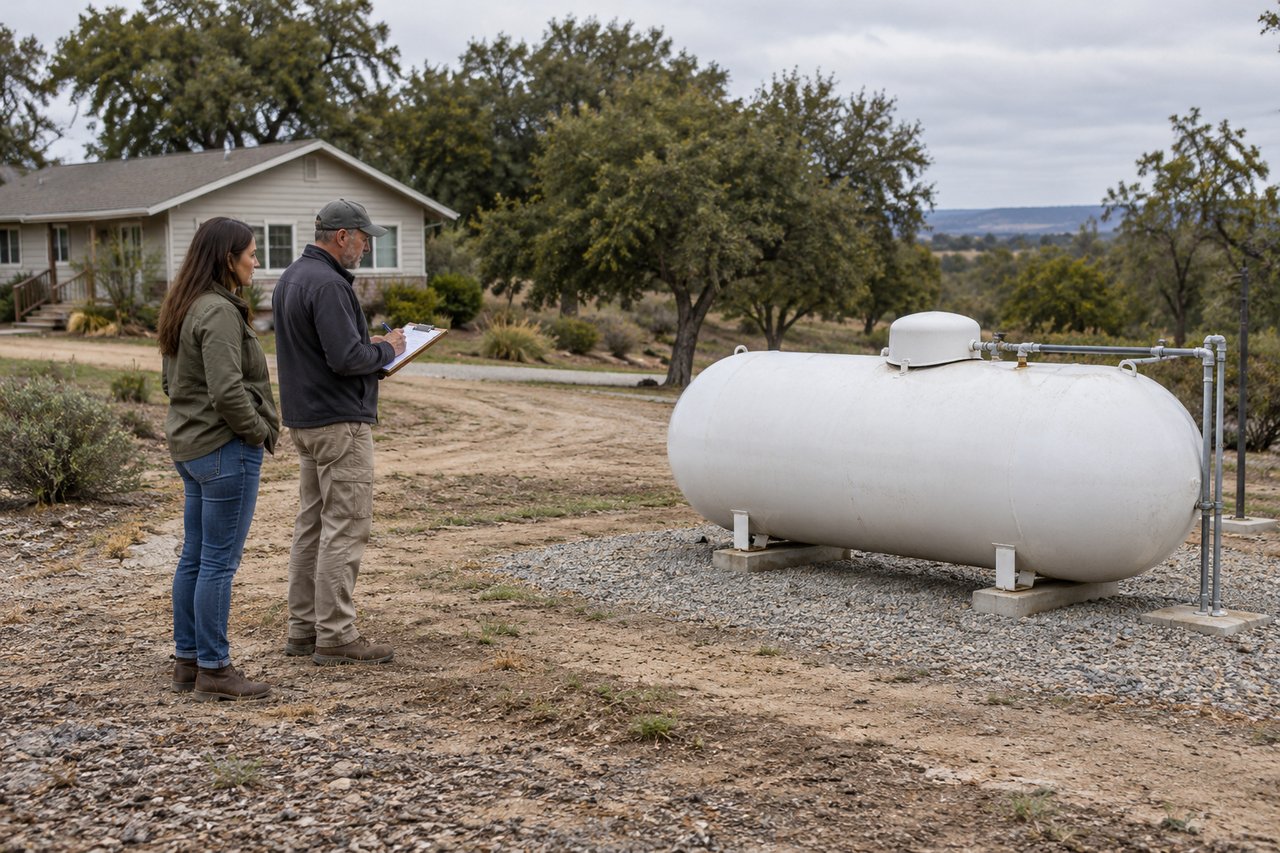
Before buying a Nipomo home with a propane tank, confirm who owns the tank, what equipment it serves and what the service arrangement requires. Review the records and arrange an evaluation by a qualified propane professional. Then clarify delivery access, operating costs and the steps needed to have service ready after closing.
A tank in the yard is only the visible part of the arrangement. Its appearance doesn't establish ownership, condition or whether you can choose a different supplier. Get the information behind those questions before making a decision.
I'm Amber Johnson, founder of Pillar Real Estate in Paso Robles. I help SLO County buyers connect property details with the responsibilities of ownership. For a Nipomo home with propane, the right strategy starts with the actual system and the documents that describe it.
Ask whether the seller owns the tank or whether it belongs to a propane supplier or another party. Request supporting paperwork rather than relying on an assumption made during a showing. The tank's location on the property doesn't answer that question.
If the seller says it is owned, ask for purchase records and confirmation of what is included in the proposed sale. Coordinate any unresolved ownership question with your agent and the appropriate transaction professionals. Keep the equipment and the fuel inside it separate in that discussion.
If the tank is leased or supplied under another arrangement, obtain that agreement. Identify the company involved and ask it to explain the process for a new homeowner. Don't assume the seller's account or terms automatically become yours.
Ask about the obligations attached to the tank and service account. Review any rental charges, delivery arrangements, minimum purchases or other terms that apply. Get the current details directly from the company instead of treating an old invoice as a complete agreement.
If you want to choose another supplier, confirm whether that is possible with this tank and arrangement. Ask what equipment changes, approvals, inspections or costs would be involved. Don't make the purchase plan depend on an unverified ability to switch.
Compare the entire service arrangement, not just a quoted fuel price. A lower price per gallon may not answer questions about delivery fees, equipment responsibilities or account setup. Written terms make the comparison easier to understand.
Ask which appliances or systems use propane at this particular home. Have the seller identify them and have qualified professionals verify relevant details. Don't assume the tank serves every appliance, or that it is used only for heating.
Make a simple equipment list with the information available: appliance type, location, service history and any known concerns. Include equipment outside the main living area if it is part of the property. This helps organize the inspection questions.
Consider how your own use might differ from the seller's. Occupancy, schedules and the equipment you use can change demand. Previous bills provide context, but they aren't a promise of what your household will spend.
Discuss the propane system with your home inspector before the inspection. Ask exactly what their inspection includes and what falls outside its scope. A general home inspection and a propane specialist's work may answer different questions.
Arrange a qualified propane professional when further evaluation is needed. Ask for a written description of the work, findings and recommended next steps. Understand which parts of the tank, connections, equipment and service arrangement were actually assessed.
The Propane Education & Research Council advises using qualified professionals for system work and regular inspections. Buyers shouldn't operate valves, adjust components or attempt their own tests during a showing. Leave technical assessment and any required work to the appropriate professional.
Request available installation information, inspection reports, service invoices and repair records. Ask about known leaks, interruptions, damaged components or other past concerns. A documented repair is something to understand, not automatically a reason to reject the home.
Have the professional explain any visible condition issue and its significance. A buyer can't determine safe operation from paint condition alone. Ask whether additional evaluation, maintenance or replacement is recommended and obtain the relevant scope and estimate.
Keep records connected to the actual equipment at the property. An invoice for an appliance doesn't necessarily describe the tank or the rest of the system. If a document's coverage is unclear, ask before treating it as proof that everything was checked.
Ask qualified professionals to evaluate the tank's installation and location for this property. Have them explain any applicable requirements and whether further agency review is needed. Don't apply a distance or installation rule found online without confirming that it fits this system.
Request available permit and final inspection records where applicable. Confirm questions with the agency responsible for the property. A seller's recollection can help identify what to request, but it doesn't replace the records themselves.
Discuss future plans too. If you hope to add a structure, change the driveway or modify an outdoor area, ask how those plans relate to the tank. Don't assume relocation of equipment will be simple, affordable or permitted.
Ask the supplier how it reaches and services the tank. Review the actual driveway, gates and route used for deliveries. Have the supplier confirm what access it needs rather than guessing from the size of a vehicle seen nearby.
Clarify practical arrangements such as gate access, animals and where the delivery vehicle can appropriately travel. If access crosses another property, ask the transaction professionals to review the supporting rights and records. An established habit doesn't answer every ownership question.
Our guide to buying an Arroyo Grande home on a large lot offers related questions about property operations. Use the Nipomo home's actual configuration and service requirements to guide this decision.
Request a useful history of deliveries and charges when the seller can provide it. Ask what time periods and household use those records represent. A single delivery receipt may not capture a complete year or show every service expense.
Get current information from the supplier about pricing, fees, billing choices and delivery arrangements. Ask how the company determines when a delivery is needed. Make sure you understand what you are responsible for monitoring.
Include expected maintenance and any identified work in your ownership budget. Use property-specific estimates and your own needs. Avoid comparing propane with another utility through a broad claim that one will always cost less.
Contact the supplier early enough to learn its requirements for a new account. Ask about scheduling, inspections, deposits and the information it needs from you. Confirm when service can be available rather than waiting until moving day.
If the system has been out of service or the tank has run empty, ask the supplier what must happen before use resumes. PERC advises having a propane retailer or qualified professional perform the needed leak check and restore interrupted service. Don't restart it yourself.
Make sure the people coordinating the transaction know about any timing issue. A clear handoff should identify the responsible party and the remaining steps. Get confirmation when a required task has been completed.
Discuss how any propane remaining in the tank will be addressed in the transaction. Don't assume the fuel and the tank are treated identically. Ask your agent and the appropriate closing professionals how the agreed arrangement will be documented.
Confirm the method and timing for any measurement or adjustment the parties choose. Use the supplier and transaction professionals for the details. Avoid relying on an informal estimate that neither side has reviewed.
Keep this separate from outstanding account charges or equipment obligations. Ask who will resolve each item and when. A simple written explanation can prevent different expectations from surfacing just before closing.
Evaluate the property as a whole without letting one utility dominate every decision. Ask what other systems require inspections, records or ongoing service. Organize each question under the professional who can answer it.
Our article on selling a Nipomo home with a septic system provides related context about preparing system information. A septic review and a propane review address separate equipment and should not be treated as substitutes.
The same practical approach appears in our guide to buying a horse property in Creston: verify the features your plans depend on. Bring the focus back to the Nipomo home and your intended use.
Summarize what you know about ownership, service terms, condition, access and costs. List what remains unconfirmed. Work with your agent and the relevant professionals to address material questions within the transaction's actual deadlines.
If work is recommended, ask for a clear scope and appropriate verification. A general promise to take care of the tank is less useful than knowing what will be done. Keep any agreement consistent with professional findings and the contract.
A propane tank doesn't have to make a Nipomo home the wrong choice. The goal is to understand what you're buying and how you'll manage it. I can help you organize those property questions and coordinate the next steps.
Visit Sell With Amber to discuss a Nipomo home purchase and a plan that makes sense for your goals.
Amber
Pillar Real Estate | Amber Johnson, Founder
805.835.3425 | [email protected]
1345 Park St. Paso Robles, CA 93446 | DRE# 01925434

Amber Johnson | October 31, 2026
Compare leaks, finish, function and replacement cost before deciding whether older faucets need repair or replacement.

Amber Johnson | October 31, 2026
Check pool access and actual hours alongside the neighborhood and work schedule you choose.

Amber Johnson | October 30, 2026
Consider the park, nearby homes and routine errands as separate parts of the decision.

Amber Johnson | October 30, 2026
Test the repeat drive against your work schedule and the coastal routine you want.

Amber Johnson | October 30, 2026
Amber Johnson | October 30, 2026
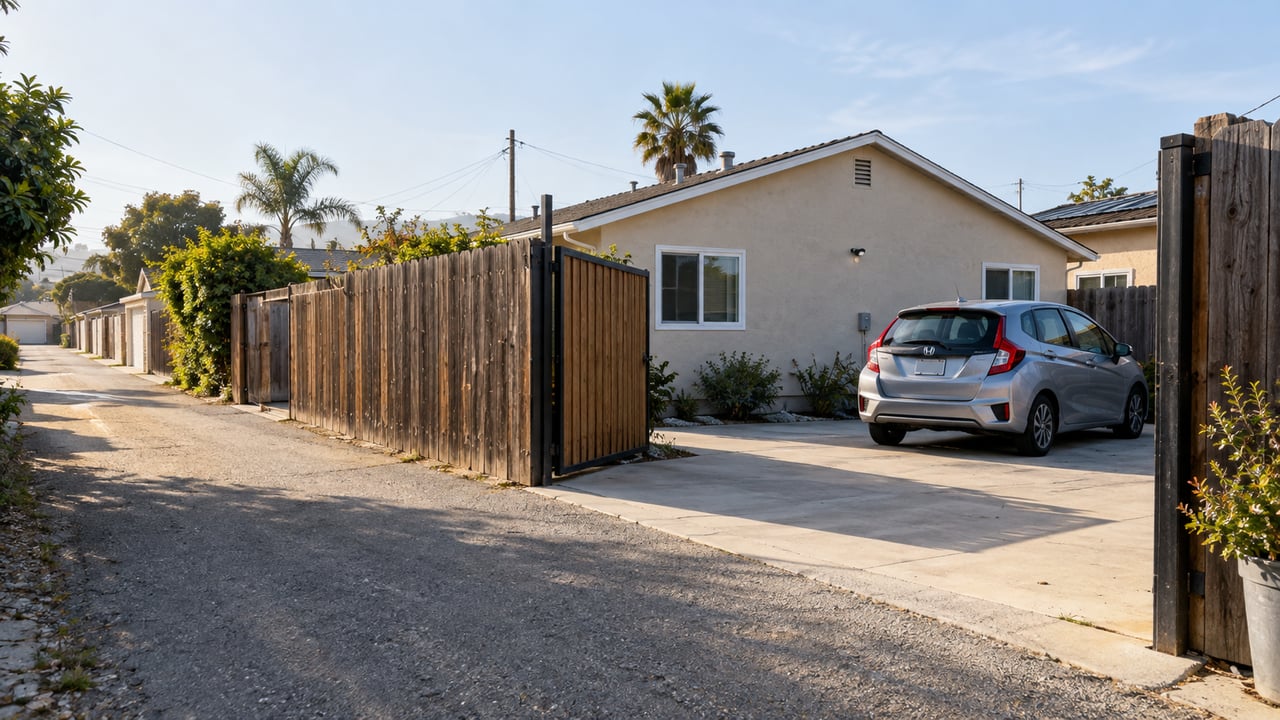
Show how the access works while checking parking, circulation and buyer expectations.

Amber Johnson | October 30, 2026
Use days on market with price changes, property condition and local competition before deciding how much negotiating room exists.
Amber Johnson | October 29, 2026
Confirm ownership, records, fuel access, tank condition and service history before relying on propane at the property.

Amber Johnson | October 29, 2026
Compare bay access, storage, weather, cleanup and weekday timing before making paddling part of your routine.
You’ve got questions and we can’t wait to answer them.

Amber Johnson, Founder
Pillar Real Estate
805.835.3425
DRE# 01925434
1345 Park Street
Paso Robles, CA 93446