What Should Buyers Check Before Buying an Arroyo Grande Home on a Large Lot?
October 14, 2026
October 14, 2026
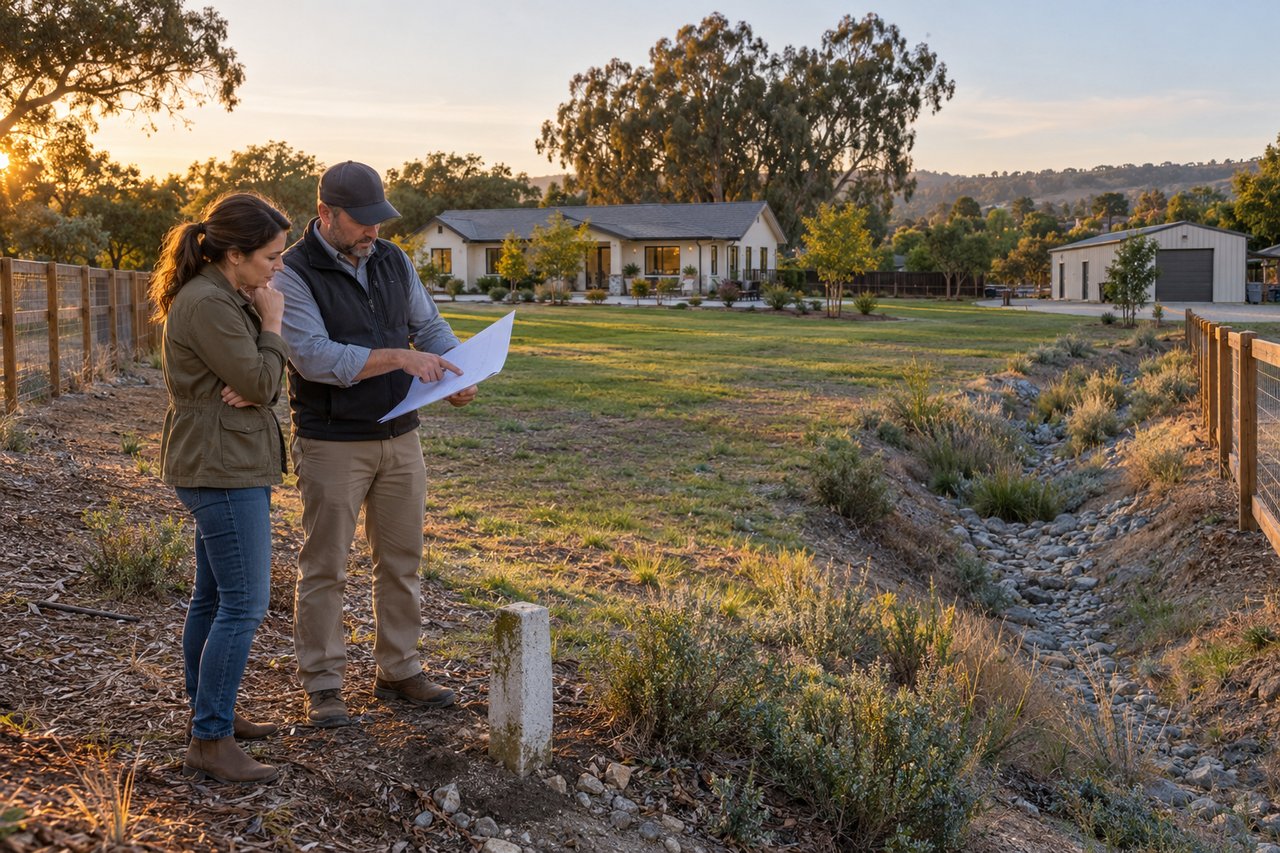
A large lot can give you room, privacy, storage, gardens, animals, or future projects. It can also come with responsibilities that are easy to miss during a short showing. Before buying an Arroyo Grande home on a large lot, check the access, usable land, boundaries, utilities, drainage, outbuildings, and ongoing maintenance. Then confirm that the property can support what you actually want to do.
Here’s the thing: total acreage does not tell you how the property lives. Two lots with the same size can have completely different amounts of usable space. One may have easy access, clear boundaries, and well-maintained systems. The other may include steep ground, drainage areas, shared roads, or improvements that need more investigation.
The right strategy is to evaluate the land and the house together. A beautiful home does not make property questions disappear. A great lot does not offset a house that fails to meet your needs.
Before you inspect details, define what “large lot” means for your life. Do you want privacy? A workshop? RV parking? Garden beds? Space for animals? Room for an accessory dwelling unit? A place for children to play? Your priorities determine which property features matter most.
Write down the top three things you expect the land to do. Then separate those goals into three groups:
That distinction protects you from paying for potential that may not fit the parcel. A flat open area may look suitable for a future structure, but access, setbacks, utilities, drainage, and local requirements can change the answer.
Drive the entire route as if you already live there. Look at the road surface, width, grade, turns, gates, and visibility. Consider how the route feels in the dark, during rain, and when two vehicles need to pass.
Ask whether the driveway and any private road are owned, shared, or governed by an agreement. If other properties use the same access, review the recorded documents and any maintenance arrangement. Find out who pays for grading, repairs, vegetation control, gates, or drainage work.
Access should also work for the vehicles and services you expect. Think about moving trucks, delivery vehicles, trailers, emergency access, waste collection, and any equipment needed to maintain the property. A road that works for a passenger car may not work equally well for every use.
If you are comparing a large lot with a location closer to town, What Should Buyers Check Before Buying a Home near the Arroyo Grande Village? can help you see how the investigation changes with the setting.
Lot size is a starting point. Walk the property and identify the areas you can actually use. Note slopes, mature trees, drainage channels, easements, existing structures, fencing, and changes in grade. Look at how the home, driveway, septic components when present, wells when present, and other improvements divide the land.
Ask yourself where your planned activities would go. Is there a level area for the workshop you want? Can a trailer reach the storage area without crossing landscaping? Is the garden location sunny and close enough to a water source? Can animals move safely between fenced areas?
Do not rely on a visual estimate. Maps, public records, title documents, surveys, and professional inspections serve different purposes. If a specific area is essential to your plan, verify it during your investigation period.
Fences do not always prove the legal boundary. A fence may follow terrain, an old use pattern, or a convenient route. A driveway, shed, or landscaping feature may also sit near a line that is not obvious from the ground.
Review the title information and available parcel documents. Look for recorded easements, access rights, utility routes, and other items that affect use. If the location of a boundary matters to a planned improvement, parking area, or animal enclosure, a qualified survey professional may be appropriate.
Pay attention to corners and transitions. Where does the private area begin? Who maintains fencing between neighboring parcels? Does a neighbor cross any part of the property? Are there gates or informal paths that suggest a long-standing use? Questions are easier to resolve before closing than after a disagreement.
Large-lot homes can have different utility arrangements. Some properties may use public services. Others may depend on private systems. Confirm the actual setup instead of assuming from the location or appearance.
For water, identify the source and review available records. If a well is involved, discuss appropriate testing and inspection with qualified professionals. Understand the equipment, storage, treatment, maintenance history, and how the system serves the home and outdoor uses.
For wastewater, determine whether the property uses a public connection or an onsite system. If an onsite system is present, locate the components and understand how their placement affects future plans. A proposed pool, addition, driveway change, or second unit may need to work around that area.
For power and communications, confirm service at the home, outbuildings, gates, and any areas where you expect to add equipment. Check whether the internet and cellular service meet your work and household needs. Test what matters. Do not assume coverage based on a map or a seller’s routine.
Drainage is one of the most important parts of a large-lot review. Water may move across a property in ways that are not visible on a dry afternoon. Look for swales, culverts, low areas, erosion, sediment, standing-water marks, and soil that appears different from the surrounding ground.
Notice where roof water and driveway runoff go. Check whether grading directs water away from the house and outbuildings. Look at slopes above and below improvements. Ask about drainage work, seasonal conditions, and past repairs, then verify concerns with the appropriate professionals.
A drainage feature is not automatically a problem. It may be an essential part of how the site functions. The question is whether it is well understood, maintained, and compatible with your planned use.
A barn, shop, detached garage, storage building, or other structure can add real value when it is useful and in good condition. Inspect it with the same discipline you apply to the house.
Review the foundation, roof, framing, siding, doors, electrical service, water supply when present, ventilation, and signs of pests or moisture. Ask what the building has been used for and whether available permits or records match the improvement. Confirm dimensions and access if you need it for a specific vehicle, equipment, or activity.
Do not value an outbuilding only by its square footage. A smaller structure with practical access, power, and a sound shell may be more useful than a larger building that needs substantial work.
Fencing can be expensive to repair or replace across a large property. Walk as much of it as reasonably possible. Note leaning posts, loose wire, damaged boards, vegetation growth, gaps, and places where terrain makes maintenance difficult.
If animals are part of your plan, consider the entire system. Look at gates, shelter, water access, separation between areas, vehicle access, footing, and safe storage. A fenced property is not automatically ready for every animal or use.
Also confirm which fences belong to the property and whether neighbors share maintenance. The legal line and the visible fence may not be identical.
More land usually means more vegetation to manage. Look at tree health, branches near structures, accumulated debris, access for maintenance equipment, and the distance between plants and improvements. Ask what work is performed each year and what it costs.
Insurance should be addressed early in the purchase process. Availability, coverage, and cost can depend on the individual property and current underwriting requirements. Speak with an insurance professional before your contingency period becomes tight.
Do not wait until closing to think about ongoing vegetation work. Decide whether you will handle it yourself, hire help, or use a combination. The land should fit both your lifestyle and your maintenance budget.
Buyers often see open land and immediately picture a second unit, workshop, pool, larger barn, or expanded driveway. Those ideas may be reasonable, but they should remain conditional until reviewed.
Check the property’s jurisdiction, zoning, recorded restrictions, easements, setbacks, utilities, access, and site conditions. Ask the relevant agencies and qualified professionals about your specific plan. A general statement that something “should be possible” is not the same as approval.
For a broader discussion of rural property questions, Acreage Property in Paso Robles: What Should Buyers Know? provides a useful framework. The location is different, but the discipline of verifying land, systems, access, and intended use still applies.
A large lot may require mowing, weed control, tree work, fence repairs, road maintenance, drainage cleaning, pest management, irrigation repairs, and upkeep for extra structures. Some jobs happen on a schedule. Others appear after storms, wind, or equipment failure.
Ask the seller what is maintained, how often it is done, and which contractors or equipment are used. Review invoices or records when available. Then create your own estimate based on the way you will use the property.
Be realistic about time. A buyer who enjoys outdoor projects may view the work as part of the appeal. A buyer with a demanding commute may prefer land that is simpler to maintain. Is Arroyo Grande Practical for a Household That Commutes to Santa Maria? can help you consider how the property fits into a workweek that includes regular travel.
Do not schedule inspections one at a time without considering the whole property. Start with a list of the systems, structures, and land features that need review. Coordinate the timing so a finding from one specialist can be addressed by another when necessary.
Your plan may include a general home inspection plus separate evaluations for items such as the roof, pests, septic, well, drainage, outbuildings, boundaries, insurance, or other property-specific concerns. The exact list depends on the parcel.
Bring your intended use into every conversation. Tell inspectors and specialists what you plan to do. A buyer who wants simple privacy has different questions from a buyer planning animals, a business workshop, or future construction.
When you tour, use the practical checklist in What Should You Look for When Touring Acreage Property?. It can help you organize observations before the formal investigations begin.
Before buying an Arroyo Grande home on a large lot, confirm how the property functions from the road to the far boundary. Check access, usable space, utilities, drainage, fences, outbuildings, maintenance, and the rules that affect future plans.
Do not buy acreage based on a feeling of openness alone. Match the land to your goals, verify the systems, and understand the work required from start to finish. The right property should give you the space you want without hiding responsibilities you did not expect.
If you are comparing large-lot homes in Arroyo Grande or elsewhere in San Luis Obispo County, Sell With Amber can help you organize the questions and evaluate each property clearly.
Amber
Amber Johnson
Pillar Real Estate
805.835.3425
[email protected]
1345 Park St. Paso Robles, CA 93446
DRE# 01925434
Amber Johnson | November 7, 2026
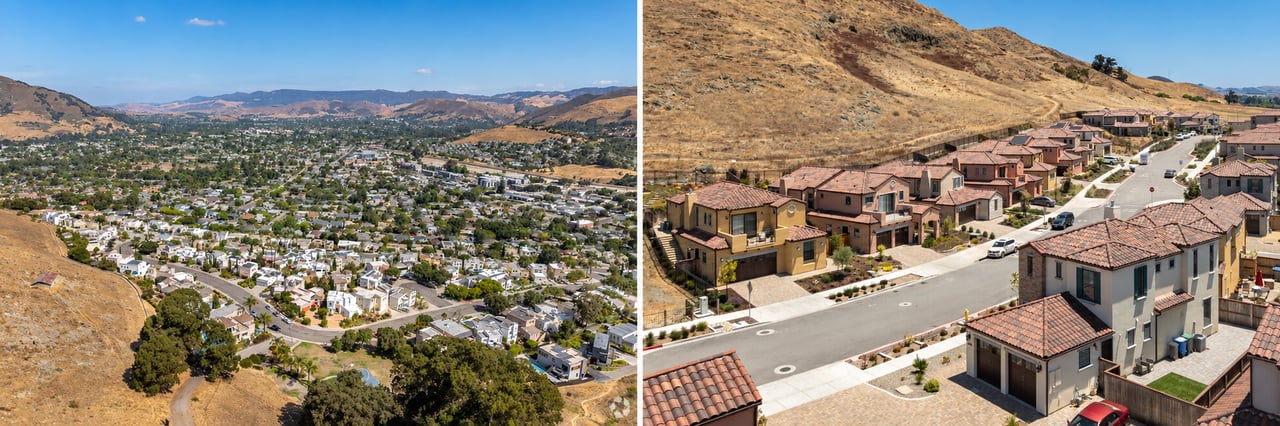
Compare home styles, street patterns, terrain, access and daily routes before choosing between these San Luis Obispo areas.

Amber Johnson | November 6, 2026
Amber Johnson | November 6, 2026
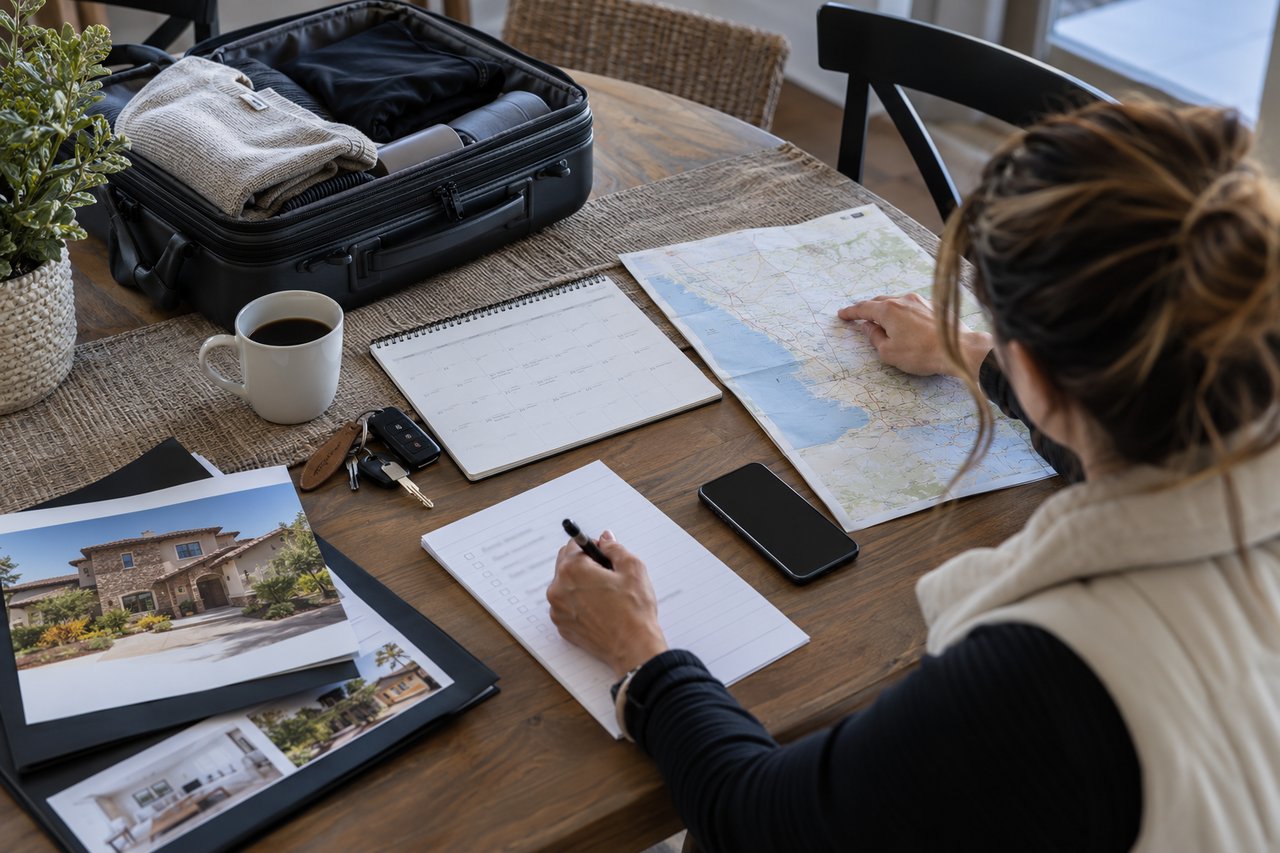
Compare the trip from a specific home, departure routines, backup transportation and time away before choosing Heritage Ranch.
Amber Johnson | November 6, 2026
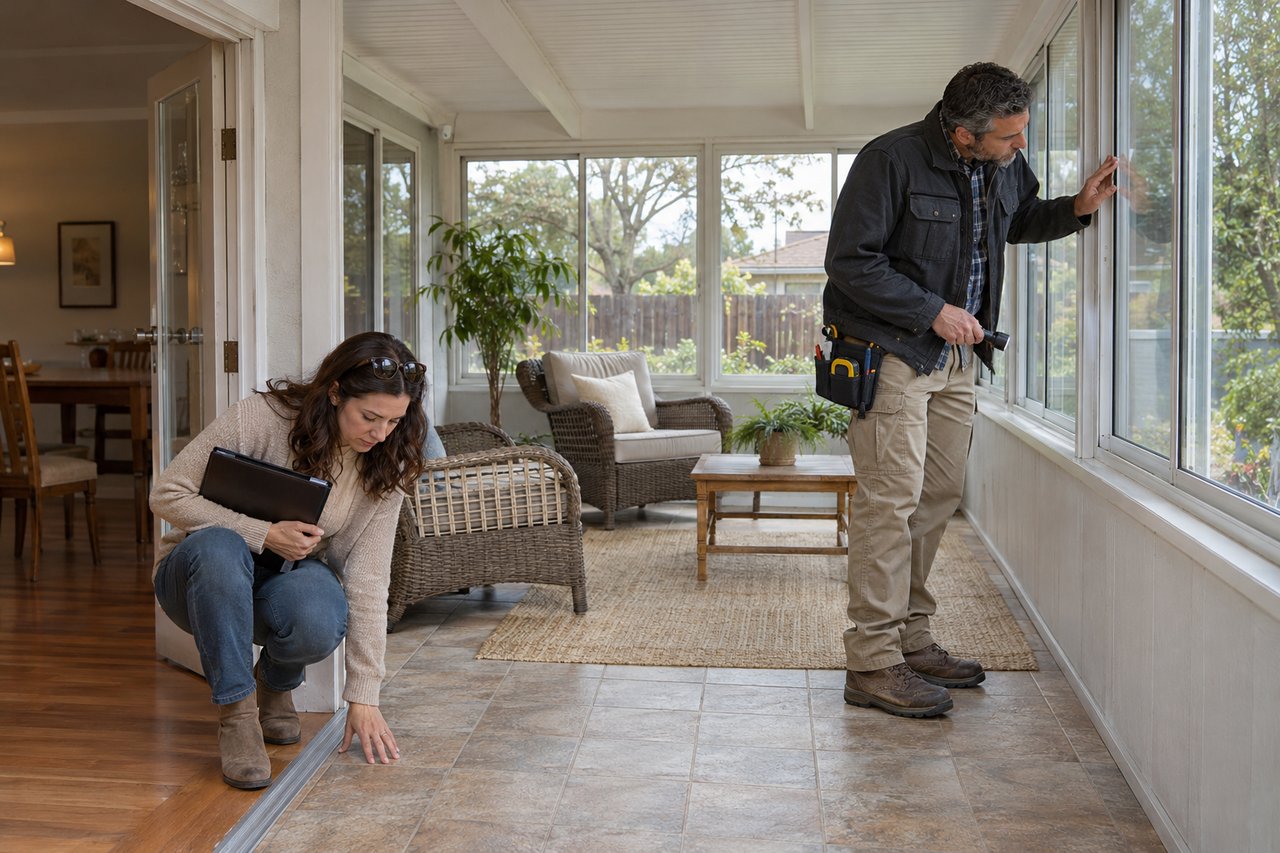
Review the sunroom's condition, records and usable space before treating it as part of the home.

Amber Johnson | November 5, 2026
Compare a home's bike storage, nearby routes and the time your riding routine actually needs.
Amber Johnson | November 5, 2026
Consider station access, nearby activity and your usual routes from a specific Grover Beach home.
Amber Johnson | November 5, 2026
Test how one shared car fits errands, work, appointments and the location of a specific home.
Amber Johnson | November 5, 2026
Identify where the pressure issue starts and weigh repairs, disclosure and buyer expectations before listing.
Amber Johnson | November 5, 2026
Compare safety, function, repair cost and buyer expectations before deciding whether the door needs repair or replacement.
You’ve got questions and we can’t wait to answer them.
Amber Johnson, Founder
Pillar Real Estate
805.835.3425
DRE# 01925434
1345 Park Street
Paso Robles, CA 93446