How Should I Sell a Nipomo Home with a Septic System?
October 8, 2026
October 8, 2026
Selling a Nipomo home with a septic system is not about making the system sound complicated or pretending it does not matter. It is about giving buyers a clear, organized picture of how the system has been cared for, what is known about it, and what they can verify during their own due diligence.
Here’s the short answer. Gather the records you have, make access easy, decide whether an inspection or service is appropriate before listing, disclose what you know, and keep the conversation tied to the actual property. A well-prepared seller does not need to make guarantees. You need to present reliable information and create a reasonable path for buyers to ask questions.
That approach can reduce uncertainty without overselling the condition or future performance of the system.
Before photography, showings, or buyer questions begin, collect the information you already have. Do not wait until a buyer is under contract to look through old folders or contact previous service providers.
Your file may include:
If a record is missing, do not guess. Make a note of what you could and could not confirm. Buyers tend to respond better to a clean, honest file than to confident statements that are not backed by documentation.
For buyers who are new to private wastewater systems, my guide to septic systems explains the basic questions they are likely to ask. Reading it from a buyer’s point of view can help you prepare for the conversation.
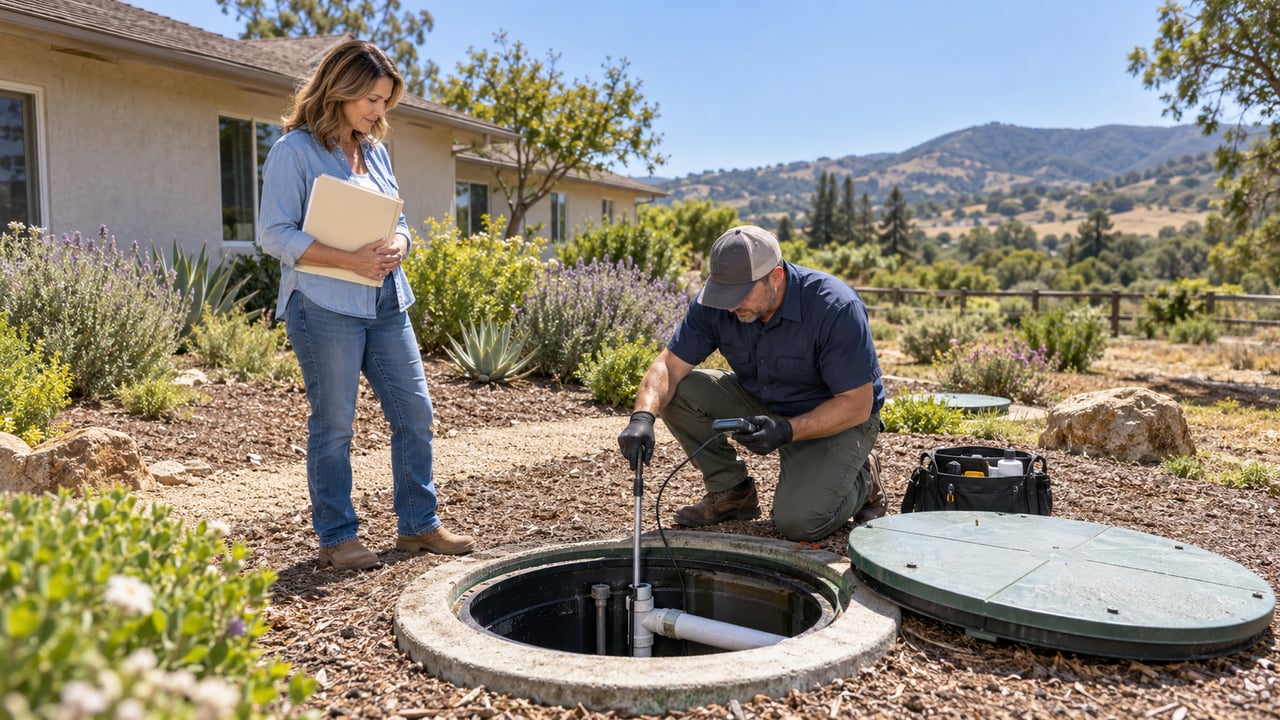
One of the most avoidable problems in a septic sale is difficult access. If the tank lids are hidden under heavy landscaping, buried without a clear location, blocked by stored items, or inside an area that cannot be reached during an appointment, an inspection may be delayed.
Walk the property before listing. Identify the access points you know about, the likely leach field area, and any gates or instructions a professional will need. Move ordinary obstacles when it is safe to do so. Keep pets secured and make sure the person coordinating access understands where inspectors can park and how they should enter.
Do not excavate, open components, or direct work you are not qualified to perform. The goal is to make professional access straightforward, not to take the system apart yourself.
A pre-listing septic inspection can be useful, but it is not an automatic answer for every seller. The decision depends on the age and known history of the system, recent service, the property’s condition, your timing, and how you want to handle information before going to market.
An inspection may help you understand the current condition, identify access or maintenance issues, and prepare for the questions a buyer is likely to raise. It may also reveal work that requires a thoughtful response. That is why I prefer to discuss the decision as part of the full selling plan, not as a box every homeowner must check.
If you order an inspection, hire an appropriately qualified local professional and ask what the inspection includes. A visual review, locating components, pumping, flow observations, and other work are not all the same service. You should know what was actually evaluated before describing the result.
Pumping can be a normal part of maintenance or inspection, but timing matters. A seller should not order service only because it sounds reassuring in a property description. Ask the professional whether pumping is appropriate for the system, the available records, and the planned inspection.
Keep the invoice and any service notes. If the technician makes recommendations, save those too. A receipt that says a tank was pumped does not by itself prove that every part of the system is in a particular condition, so keep the marketing language accurate.
A buyer is evaluating the house, site, utilities, access, drainage, disclosures, and overall maintenance together. The septic system is one important part of that picture.
Use the same organized approach throughout the property. Address ordinary safety and maintenance items you have chosen to complete. Gather permits and receipts. Check that inspectors can reach the areas they may need to see. My overview of what to do before selling a San Luis Obispo County home can help you put the septic preparation into a broader, practical plan.
Be thoughtful about improvements near the system. Heavy equipment, new landscaping, added structures, parking, and drainage changes can affect access or raise questions about the leach field area. Before making a last-minute change, make sure you understand where the relevant components are.
Your job is to disclose material facts you know and provide the records available to you. It is not to diagnose the system or promise how long it will last.
Describe the known system type and service history only as accurately as your records allow. If you know about a prior repair, recurring issue, alarm, backup, odor, drainage concern, or recommendation, discuss it with the professionals guiding your sale and disclose it appropriately. Do not leave out a known concern because the system appears to be working on the day of a showing.
At the same time, avoid turning uncertainty into a conclusion. If you do not know the exact age or configuration, say that it is unknown rather than estimating. Let qualified inspectors and available public records provide the technical detail.
Some Nipomo buyers already understand rural and semi-rural utilities. Others may be moving from a home connected to a public sewer system. The listing and showing process should work for both groups.
Give buyers enough context to understand that a private wastewater system is part of the property’s ongoing care. Then provide the documents and inspection access they need to evaluate this particular system. There is no need to make the system the headline unless it is central to the property. There is also no benefit in treating it as a secret.
Buyers considering the area may also be weighing daily routines, housing styles, lot sizes, and location. My article about living in Nipomo gives them useful community context without distracting from the property-specific septic review.
A septic system does not create one standard price adjustment. Buyers will consider the condition and documentation of the system along with the home, land, location, utility setup, site improvements, comparable sales, and current competition.
A well-documented system may reduce uncertainty. An older system with limited records may lead buyers to request more investigation. A known repair need may affect negotiations. Those are property-specific issues, not reasons to rely on a generic discount or premium.
When I build a pricing strategy, I look at the full property and how similar homes are being received. The goal is to price for the actual condition and market position, then support the listing with information buyers can use.
The public description should focus on the home’s real strengths. If there are documented septic improvements that matter to a buyer, they can be mentioned accurately. Avoid phrases that imply a warranty or technical conclusion the records do not support.
Strong marketing may note recent documented service, convenient access, or available records when those statements are true. Supporting materials can be shared through the appropriate disclosure and transaction process. The listing photos should show the property attractively, but they should not conceal site features a buyer will need to understand in person.
A recent Nipomo selling example also shows why presentation, pricing, and buyer communication need to work together. No single feature sells the property by itself.
Once a buyer is interested, expect questions about the system’s location, maintenance, capacity, components, inspection history, and any known issues. You do not have to answer questions beyond your knowledge. You should make the information you do have easy to review.
Coordinate septic access early in the inspection period. Confirm whether the inspector requires the tank to be uncovered or pumped, who will arrange the work, and how the site will be left afterward. Keep communication in the transaction process so expectations are clear.
If an inspection identifies a concern, pause before choosing a response. Review the report, obtain qualified guidance, and consider the larger negotiation. A request may involve more information, another evaluation, a repair, a credit, a price discussion, or no change at all. The right response depends on the evidence and your priorities.
The biggest problems are usually preventable. Watch for these mistakes:
Each mistake creates doubt. An organized file, accurate language, and a clear inspection plan give buyers a better way to evaluate the property.
Every septic system and every Nipomo property is different. Your plan should reflect the records you have, the home’s condition, your timeline, the likely buyer, and the way the system fits the site.
I help Nipomo and San Luis Obispo County homeowners prepare the property, organize the information buyers need, decide what work is worth doing, and market the home with clarity. That means addressing the septic system directly without letting it overshadow everything else the property offers.
If you are thinking about selling a Nipomo home with a septic system, I can help you build a practical plan before the listing goes live.
Amber
Pillar Real Estate | Amber Johnson, Founder
805.835.3425 | [email protected]
1345 Park St. Paso Robles, CA 93446 | DRE# 01925434
Amber Johnson | October 31, 2026
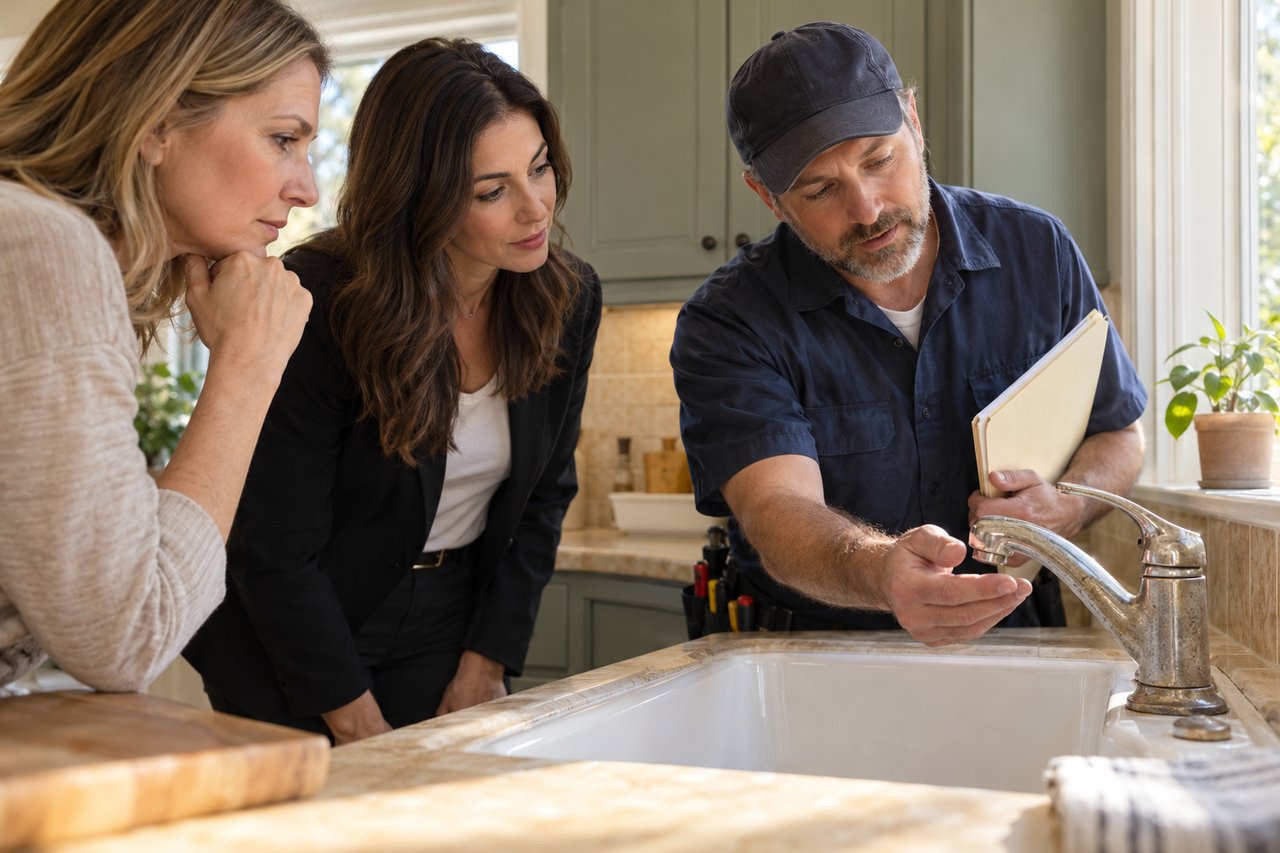
Compare leaks, finish, function and replacement cost before deciding whether older faucets need repair or replacement.

Amber Johnson | October 31, 2026
Check pool access and actual hours alongside the neighborhood and work schedule you choose.

Amber Johnson | October 30, 2026
Consider the park, nearby homes and routine errands as separate parts of the decision.

Amber Johnson | October 30, 2026
Test the repeat drive against your work schedule and the coastal routine you want.

Amber Johnson | October 30, 2026
Amber Johnson | October 30, 2026
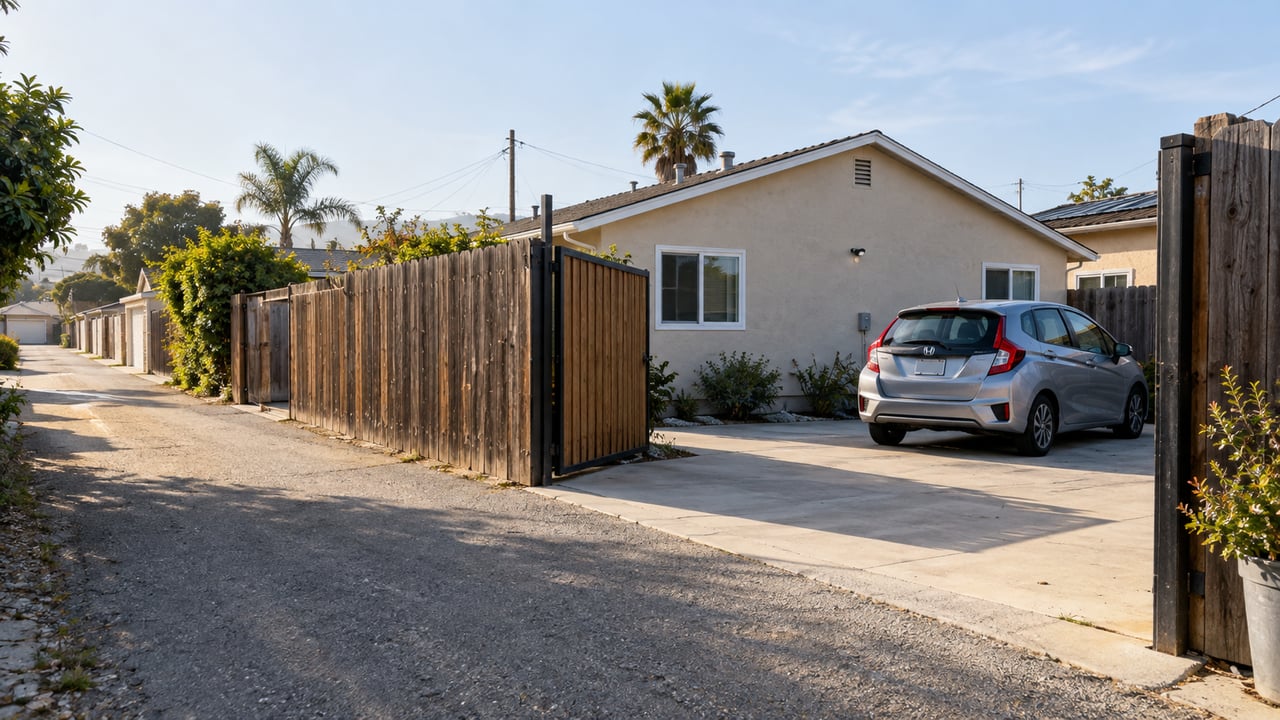
Show how the access works while checking parking, circulation and buyer expectations.
Amber Johnson | October 30, 2026
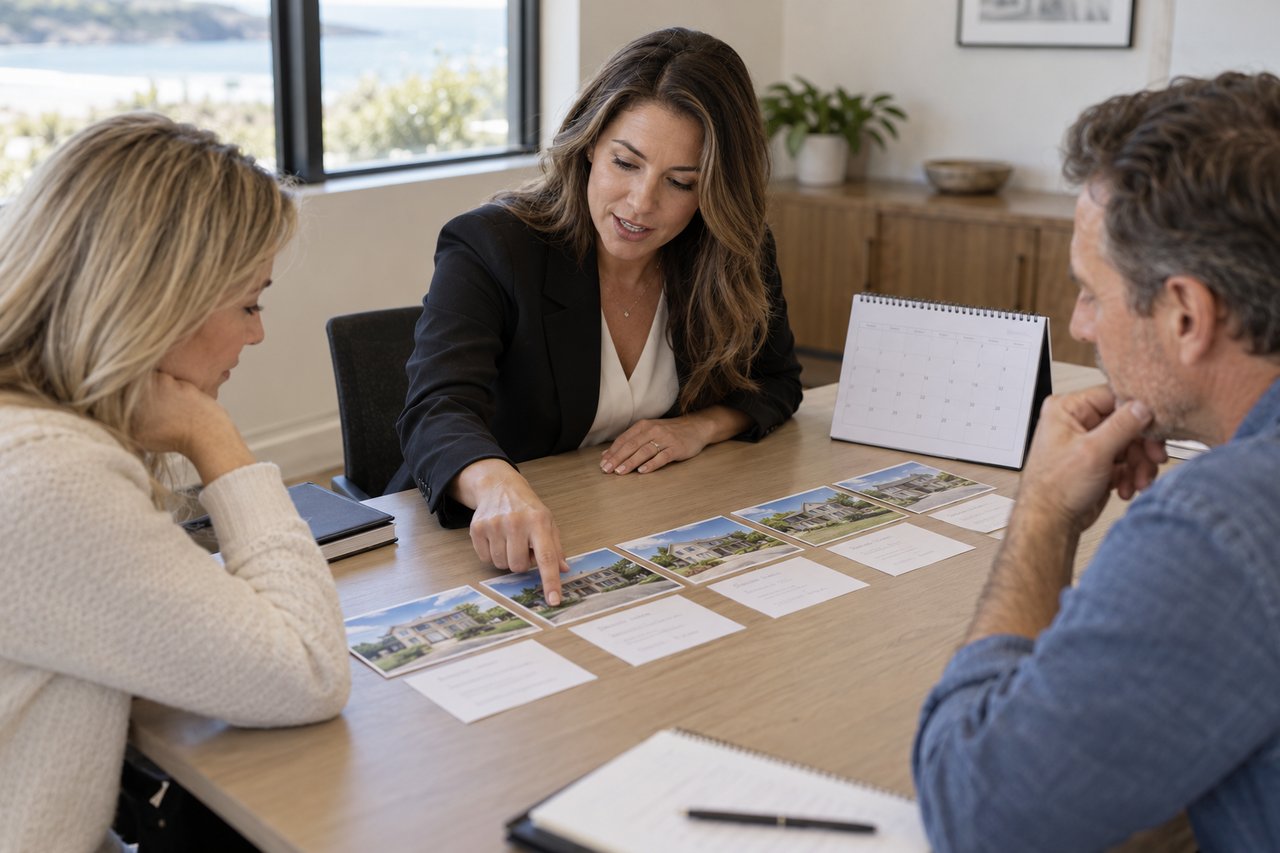
Use days on market with price changes, property condition and local competition before deciding how much negotiating room exists.
Amber Johnson | October 29, 2026
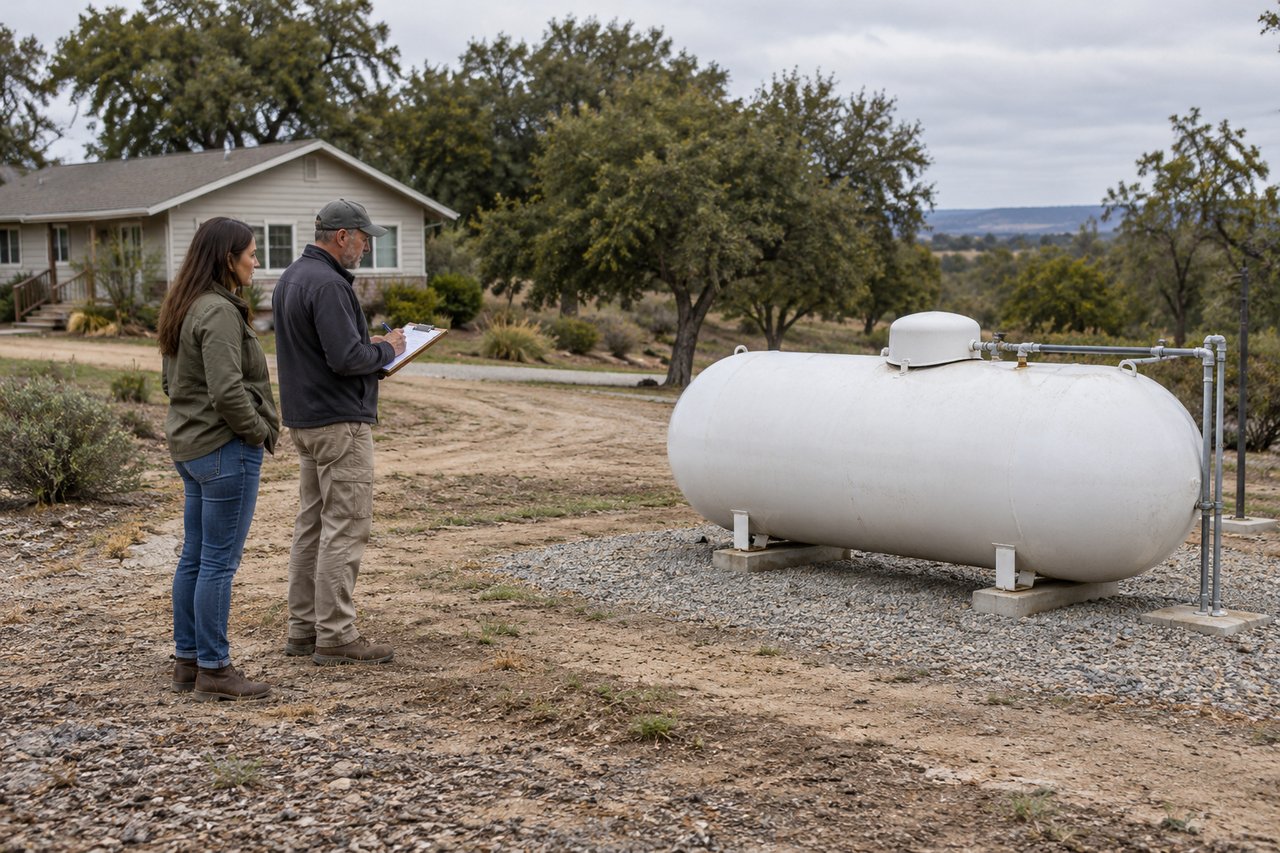
Confirm ownership, records, fuel access, tank condition and service history before relying on propane at the property.

Amber Johnson | October 29, 2026
Compare bay access, storage, weather, cleanup and weekday timing before making paddling part of your routine.
You’ve got questions and we can’t wait to answer them.

Amber Johnson, Founder
Pillar Real Estate
805.835.3425
DRE# 01925434
1345 Park Street
Paso Robles, CA 93446