Should I Repair a Loose Stair Handrail Before Selling My Paso Robles Home?
November 7, 2026
November 7, 2026
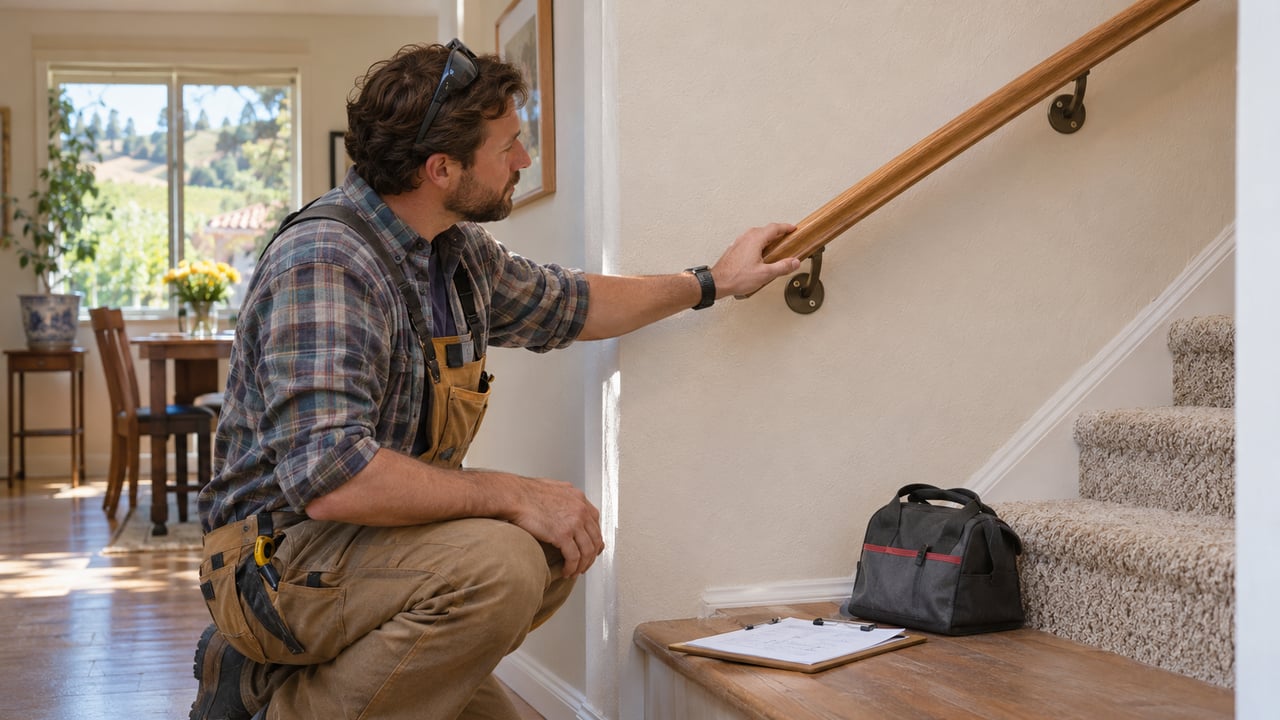
If the stair handrail in your Paso Robles home is loose, have it assessed and, in most cases, repaired before you list. A handrail is a safety feature that buyers will touch during a showing. If it moves under normal pressure, the problem is easy to notice and hard to dismiss. A documented repair by a qualified professional can remove a distraction, improve confidence, and keep a small issue from becoming a larger negotiation point.
Here’s the thing. The right answer still depends on the rail, the mounting surface, the condition of the stairs, and the repair that is actually needed. Tightening an accessible fastener may be simple. A damaged bracket, stripped mounting point, cracked material, weak wall attachment, or movement in the surrounding structure may require more work. The goal is not to guess. It is to understand the condition and make a clear decision before buyers begin walking through the home.
Sellers often focus on paint, landscaping, counters, and other visible improvements. Those details matter, but buyers also form opinions from the way a home feels when they move through it. A handrail that shifts in someone’s hand can create an immediate sense that maintenance has been deferred, even when the rest of the property has been cared for.
The concern is practical too. Buyers, inspectors, appraisers, contractors, and visitors may use the stairs. You do not want anyone relying on a rail that has not been evaluated. Treat the condition as a functional item first and a presentation item second.
This fits the broader approach I recommend in What Repairs Should I Make Before Selling My Home in Paso Robles?. Start with items that affect safety, function, moisture control, access, and buyer confidence. Then decide whether cosmetic work makes sense for your goals.
Before deciding on a repair, identify where the movement starts. Is the rail moving against the brackets? Are the brackets moving against the wall? Is a post loose at the stair or landing? Is part of the rail split, warped, or separating at a joint? Does the surrounding wall material flex or show earlier patchwork?
Do not keep pulling on the rail to diagnose it yourself. Note what you observed, limit use if you have a concern, and ask a qualified carpenter, handrail contractor, general contractor, or other appropriate professional to inspect it. The professional can determine whether the issue is limited to hardware or involves the mounting surface, framing, rail material, or another component.
Words matter here. A handrail is meant to be grasped while using the stairs. A guard or guardrail helps protect an open edge. Some stair assemblies serve more than one function. If you are unsure what component is loose, describe the location and let the professional identify it. That keeps your request clear and helps you get the right scope.
For a confirmed loose handrail, repairing it before listing usually makes sense. It is a specific, visible condition with a defined purpose. Leaving it loose rarely adds value for the buyer, and it can raise questions that are larger than the repair itself.
A buyer may wonder whether the rail is attached correctly, whether the wall behind it is damaged, whether other stair components have been maintained, or whether the condition will be called out during an inspection. Even if the eventual repair is limited, uncertainty can influence how a buyer evaluates the home.
There are situations where you may wait. The property may be sold in its current condition, the stair area may already be part of a larger planned project, or the professional’s recommended work may be more involved than expected. If that happens, get a written assessment or estimate when possible and discuss the information with your real estate agent. Clear facts are more useful than an assumption that the repair is either minor or major.
Selling as-is does not make a physical condition disappear. It changes the strategy for how the property is presented and negotiated. Your agent can help you consider the likely buyer pool, competing listings, timing, and how the condition fits with the rest of the home.
A loose handrail can have several causes. The right person depends on what the initial assessment shows. A carpenter may be appropriate for wood rail components and mounting details. A metal fabricator or specialty railing contractor may be needed for a metal system. A general contractor may be helpful when the issue involves framing, wall repair, multiple stair components, or coordination between trades.
If the professional recommends work beyond the rail itself, ask why. Request a written description of the condition, the proposed repair, and the materials involved. Confirm that the person performing the work is appropriately qualified for the scope. Ask whether permits, additional evaluation, or another trade are needed for the specific project.
Avoid choosing someone solely because they promise the fastest fix. The repair needs to address the cause of the movement. A cosmetic patch or an attachment that is not suited to the supporting material may leave the same problem for a buyer to find later.
Some homeowners are comfortable with routine maintenance, but a stair handrail is not a good place to improvise. Do not assume a longer screw, extra adhesive, or a new bracket will solve the problem without understanding what the fastener is reaching and what material is supporting it.
The visible wall surface does not tell you everything about the attachment behind it. Different rail systems and mounting locations can require different hardware and methods. If you are not confident about the construction, bring in a professional.
Also avoid covering the movement with caulk, filler, paint, or trim. Those materials may improve appearance without correcting the loose connection. Buyers are likely to touch the rail, and an inspector may test it as part of the inspection scope.
Keep the estimate, invoice, receipt, photographs, and any written explanation provided by the professional. If a specific part was replaced or another condition was found, keep that information together with your other home records.
Good records help you answer questions without relying on memory. They can also help your agent describe the repair accurately. Do not advertise the rail as upgraded or code-compliant unless you have reliable support for that statement. A simple factual description is stronger: the loose handrail was evaluated and repaired by the named professional on the documented date.
If you are using a broader inspection strategy before listing, the article Why a Pre-Listing Inspection May Be Worth It in Today’s Market explains how advance information can help a seller plan. A pre-listing inspection is not the right choice for every property, but it can reduce surprises when several functional items need attention.
Do not use the loose handrail as a reason to start replacing everything. Do use it as a prompt to look carefully at the stair area. Check for damaged treads, loose flooring, lifted carpet edges, poor lighting, clutter, worn wall surfaces, and other visible conditions that may affect use or presentation.
Ask the professional whether the rail’s movement appears isolated. If another component deserves review, get the appropriate opinion. Keep each issue separate so you can make decisions based on condition and priority instead of turning one repair into an open-ended remodel.
The same principle applies outdoors. A loose deck board, stair component, or exterior rail can create a similar buyer concern. Should I Repair Loose Deck Boards Before Selling My Paso Robles Home? covers how to evaluate those exterior items without assuming every deck needs replacement.
Most buyers will not know the cause of the movement during a showing. They will only know that the rail moved. Some will mention it and keep touring. Others will start mentally adding repair costs or wondering what else needs attention.
A secure, professionally repaired handrail will not usually become the headline of your marketing. That is fine. Good preparation often works quietly. It removes friction so buyers can focus on the home’s layout, condition, setting, and fit for their lives.
This is where strategic preparation differs from spending without a plan. You are not repairing the rail because every seller needs a long improvement list. You are addressing a known functional concern that buyers can experience directly. That makes the work easier to explain and easier to prioritize.
Schedule the assessment early enough to allow for parts, wall repair, finish work, and drying time if those items are needed. You do not want fresh patches, missing hardware, tools, or an unfinished repair visible in listing photographs.
After the repair, test the area through normal use as directed by the professional. Confirm that any related wall finish, paint, or trim work is complete. Remove tools and debris, clean the stairs, and make sure the path is well lit for photography and showings.
If the repair cannot be completed before your planned launch, talk with your agent before moving forward. You may decide to adjust the timing, obtain documentation for the buyer, or account for the condition in the listing and negotiation strategy. Make that choice deliberately.
A loose stair handrail is usually worth addressing before selling a Paso Robles home. Start with a professional assessment. Repair the actual cause, keep the records, and complete the work before buyers begin touring whenever practical.
Do not let one loose rail trigger an unnecessary renovation. At the same time, do not ignore a functional item because it seems small. The right strategy is based on the condition of your home, the likely buyer response, and what makes sense for your goals.
Amber Johnson is a Central Coast local and the founder of Pillar Real Estate. She helps Paso Robles and San Luis Obispo County homeowners prepare, position, and market their homes with clear priorities. That means focusing first on the work that supports safe use, buyer confidence, and a strong presentation from start to finish.
Thinking about selling your Paso Robles home? Visit Sell With Amber to start the conversation.
Amber
Amber Johnson
Founder, Pillar Real Estate
805.835.3425
[email protected]
1345 Park St. Paso Robles, CA 93446
DRE# 01925434
Website: https://pillarrealestate.com/
Amber Johnson | November 7, 2026
Get the handrail assessed for safe use and decide on a documented repair before listing.

Amber Johnson | November 7, 2026
Compare home styles, street patterns, terrain, access and daily routes before choosing between these San Luis Obispo areas.

Amber Johnson | November 6, 2026

Amber Johnson | November 6, 2026
Compare the trip from a specific home, departure routines, backup transportation and time away before choosing Heritage Ranch.
Amber Johnson | November 6, 2026
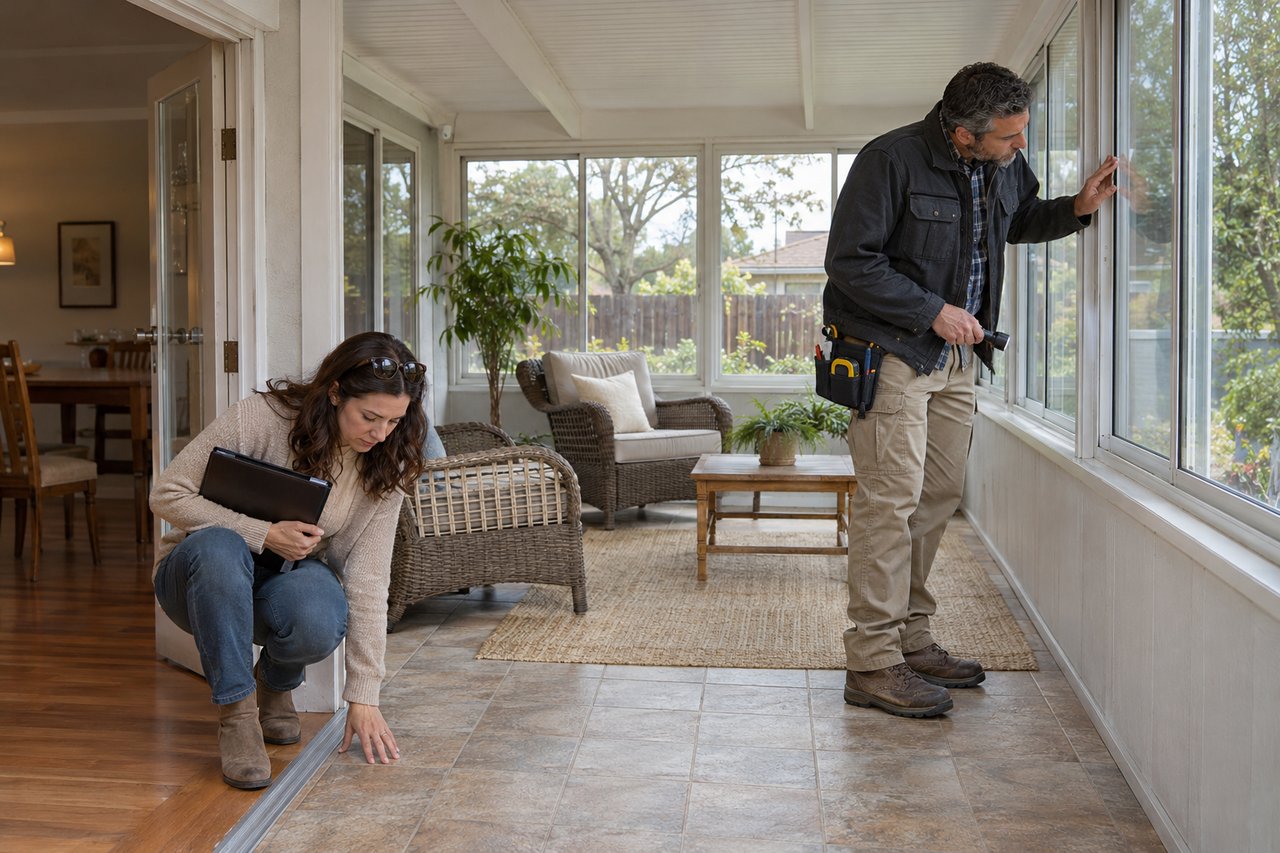
Review the sunroom's condition, records and usable space before treating it as part of the home.

Amber Johnson | November 5, 2026
Compare a home's bike storage, nearby routes and the time your riding routine actually needs.

Amber Johnson | November 5, 2026
Consider station access, nearby activity and your usual routes from a specific Grover Beach home.

Amber Johnson | November 5, 2026
Test how one shared car fits errands, work, appointments and the location of a specific home.
Amber Johnson | November 5, 2026
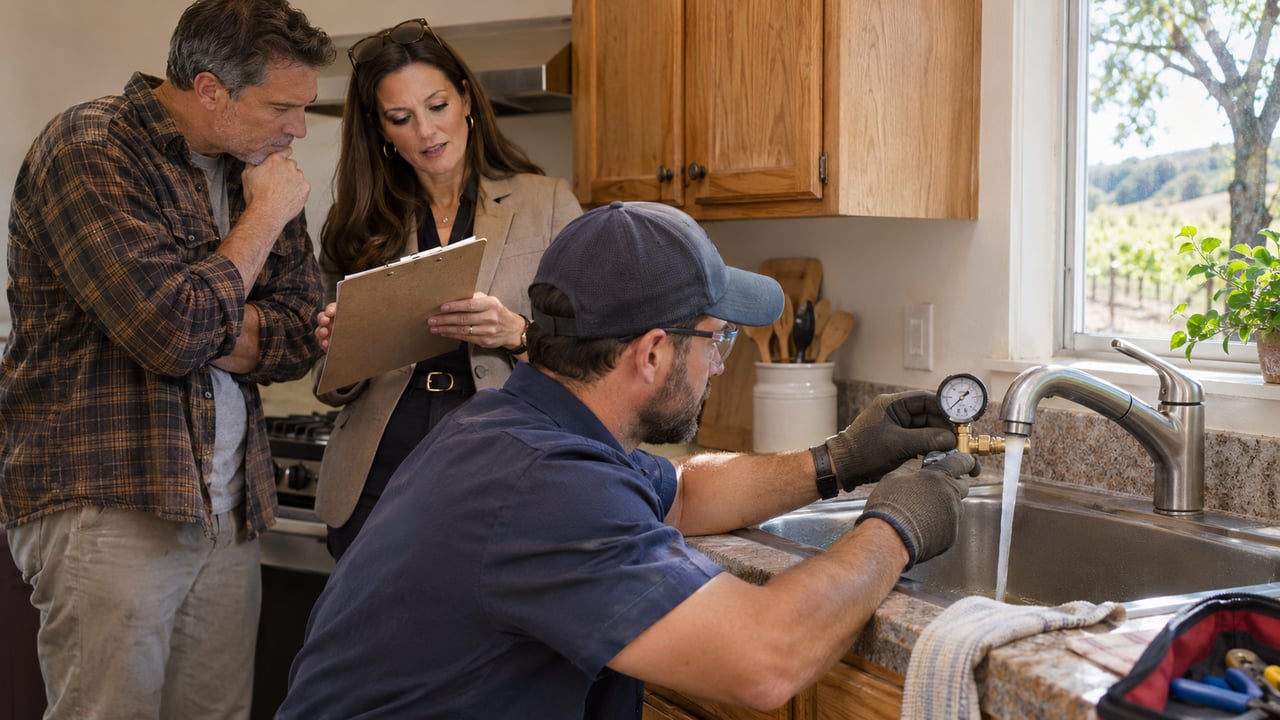
Identify where the pressure issue starts and weigh repairs, disclosure and buyer expectations before listing.
You’ve got questions and we can’t wait to answer them.

Amber Johnson, Founder
Pillar Real Estate
805.835.3425
DRE# 01925434
1345 Park Street
Paso Robles, CA 93446