What Should Buyers Check Before Buying a Home Near Cal Poly in San Luis Obispo?
October 3, 2026
October 3, 2026
Buying near Cal Poly can be a good fit for many different kinds of buyers, but the decision should begin with the exact property and street, not a broad idea of what “near campus” means. Two homes that look close on a map can feel very different when you consider parking, street activity, access, condition, and the way your household will use the home.
I am Amber Johnson with Pillar Real Estate, and I help buyers look past the listing photos to understand how a San Luis Obispo property will work in everyday life. Before you make an offer near Cal Poly, spend time on the block, verify the practical details, and connect the home’s physical condition with your plans for it. The goal is not to label the area as good or bad. It is to decide whether one specific home is right for you.
First, be clear about who will live in the home and what matters most to that household. An owner who expects to live there full time may weigh privacy, bedroom placement, outdoor space, and day-to-day parking differently from a buyer who expects the household to change over time. A family, a professional working nearby, and a household connected with the university can all value the same location for different reasons.
Write down your nonnegotiables before you tour. How many vehicles need reliable space? Is a quiet home office important? Will anyone regularly walk or bike to campus or downtown? Do you need room for visitors, tools, bicycles, or other equipment? Once you know what the home must support, it becomes easier to distinguish a workable compromise from a recurring frustration.
If you are still comparing the larger community, read about what it is like living in San Luis Obispo. Then bring the focus back to the street and property in front of you.
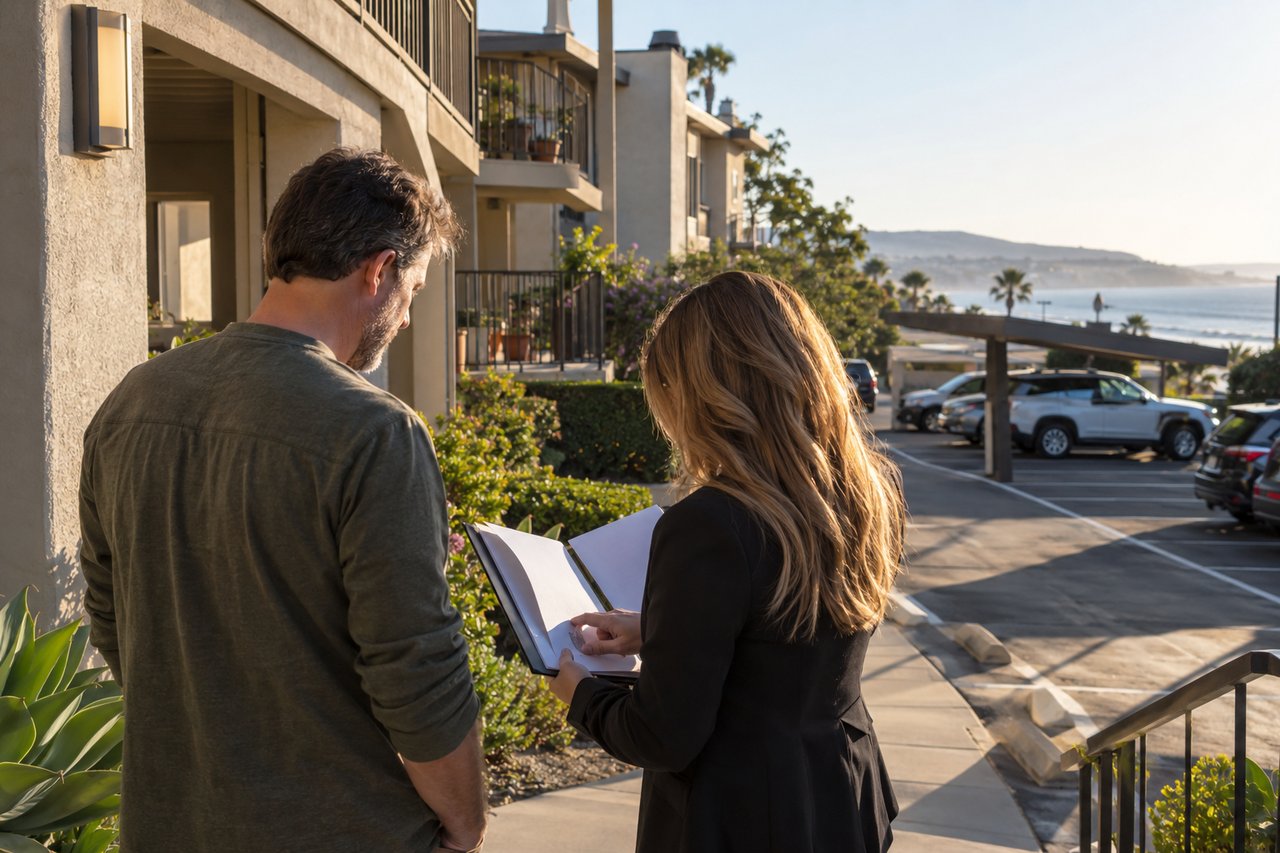
Parking deserves an early, property-specific review. Count the spaces that actually belong to the home, and confirm whether they are in a garage, driveway, carport, assigned area, or on the street. A driveway that appears wide in a photo may not function the way you expect once you account for gates, slopes, turning room, storage, or access for another vehicle.
Do not treat curb space as guaranteed household parking. Observe how full the street is at more than one time, look for posted restrictions, and ask the appropriate local authority about current rules that could apply to the address. Rules and enforcement practices can change, so current written information matters more than an informal assurance.
Think about guests as well as household vehicles. Where would a visitor park? Can vehicles enter and leave without blocking one another? Is there a practical place to charge an electric vehicle if that matters to you? If a garage is included, measure it and check the door opening rather than assuming a modern vehicle will fit comfortably.
A single showing gives you only one snapshot. Return on a weekday and a weekend if possible. Visit during a time when you would normally be home, and again when people are arriving, leaving, or gathering. Stand in the front yard, walk the block, and listen from inside the house with windows both open and closed.
Notice vehicle movement, pedestrians, bicycles, deliveries, lighting, and the way neighboring properties are used. Street activity can vary by block, season, school calendar, and time of day. No seller, agent, or neighbor can promise that conditions will always remain the same, but direct observation can help you understand the normal range of activity better than a map can.
If sound matters to you, pay attention to bedrooms and workspaces. A front bedroom may experience the street differently from a room at the back of the house. Fences, landscaping, window condition, floor plan, and elevation can all affect how the home feels. These are not reasons to reject a property automatically. They are details to weigh against the location benefits you expect to use.
“Near Cal Poly” does not tell you whether your actual route will be convenient. Walk or drive from the home to the destinations that matter to you. Look at crossings, sidewalks, hills, lighting, bicycle storage, and the point where you would enter campus or connect with the rest of San Luis Obispo.
Also test the routes that have nothing to do with campus. Consider work, groceries, medical care, schools, recreation, and the people you visit regularly. A location can be excellent for one destination while adding friction elsewhere. The most useful comparison is the ordinary week your household expects to live.
If you are moving from outside the area, use this broader guide to moving to San Luis Obispo County to organize your questions about services, climate, communities, and property due diligence.
Location can be compelling enough that buyers overlook the building itself. Keep the two decisions connected. Review the age and visible condition of the roof, drainage, foundation, exterior, windows, plumbing, electrical components, heating and cooling, appliances, and any additions or conversions. The list should be tailored to the property, not limited to these examples.
Look closely at how space has been altered. A room used as a bedroom in marketing may need further review to determine how it was permitted and whether it meets your needs. Converted garages, enclosed patios, added bathrooms, and detached structures also deserve document and inspection review. Do not assume that a useful-looking space was approved for a particular use.
A general inspection is an important starting point, but the findings may lead to specialized evaluations by qualified professionals. My explanation of what to expect during a home inspection in SLO County can help you prepare. Keep your investigation within the deadlines and terms of your contract, and rely on licensed specialists for conclusions outside an agent’s expertise.
Walk the full exterior when access is available. Look at the grade around the house, downspout discharge, retaining features, hardscape, fences, and evidence of how water may move across the property. Ask where runoff goes and whether any drainage work has been completed. A dry afternoon cannot show every condition, so disclosures, inspections, records, and professional advice matter.
Evaluate outdoor areas for the way you expect to use them. Is there comfortable separation from the street and neighboring properties? Does the yard provide practical storage for bicycles, trash containers, gardening tools, or other items? Are gates and pathways usable? If mature trees are part of the appeal, understand their condition, maintenance needs, and relationship to structures and utilities.
Near-campus properties can have older improvements, shared driveways, fences, utility routes, or parking arrangements that deserve careful review. Obtain the preliminary title report and read the exceptions rather than treating it as routine paperwork. Ask questions about easements, restrictions, liens, access rights, and anything that does not match what you observed at the property.
My guide to preliminary title reports explains why this review matters. Title documents do not replace a survey, legal advice, or other professional work when those are appropriate. If a boundary, driveway, or access issue is material to your decision, determine what additional investigation you need before your contingency period ends.
Do not assume that a home’s current use, previous use, or location near Cal Poly guarantees that your intended use is allowed. If you plan to rent rooms, add a unit, remodel, change parking, or operate a home-based activity, verify the current requirements with the City of San Luis Obispo and other relevant authorities. Review permits, zoning, occupancy rules, and any recorded or association restrictions that apply.
Ask for documentation for significant improvements. Compare permit records, disclosures, and the physical property, then raise inconsistencies with the appropriate professionals. Rules can change, and a neighbor’s experience may not apply to this parcel or your project. Base the decision on current information specific to the address.
Contact insurance professionals early enough to understand availability, likely requirements, and questions raised by the home’s age, systems, condition, or location. Do not wait until the end of escrow to discover that a feature needs more documentation or affects coverage. An insurance quote is not a guarantee, but it can reveal issues that deserve attention.
Confirm utility providers and review the condition and ownership of major systems. Ask about water, sewer, electrical service, gas if applicable, internet options, and any solar equipment or other agreements. For leased or financed systems, obtain the documents and understand the transfer process. Estimate maintenance needs as well as the mortgage, taxes, and insurance so your budget reflects ownership rather than only acquisition.
Proximity to Cal Poly may attract buyer interest, but no location guarantees appreciation, rental income, or an easy future sale. Resale will depend on the market, property condition, price, floor plan, parking, street, and the needs of buyers at that time. Treat future demand as one factor, not a promise.
When you review comparable sales, look for properties that share the features buyers are likely to notice. A similar distance from campus does not make two homes equivalent if one has better parking, a different street setting, a permitted floor plan, or significantly different condition. Ask how each adjustment is supported instead of relying on a simple price-per-square-foot comparison.
Before deciding whether to write an offer, organize your findings under the same categories for every home:
Rank these items before you compare properties. A buyer who places a high value on walking access may accept a smaller yard. A buyer who needs reliable parking or quiet work space may prioritize a different block. The right tradeoff is the one you understand and choose deliberately.
A home near Cal Poly should earn your confidence through property-specific facts. Verify the parking, observe the street, test the daily route, investigate the condition, and review the documents that control access and use. If something important remains uncertain, decide whether the contract gives you an appropriate way and enough time to resolve it.
I can help you compare San Luis Obispo homes with your routine, budget, and due diligence priorities in view. The best result is not simply a home that is close to Cal Poly. It is a home whose location and physical details continue to make sense after the excitement of the showing becomes an ordinary week.
Visit Sell With Amber to start the conversation.
Amber
Pillar Real Estate | Amber Johnson, Founder
805.835.3425 | [email protected]
1345 Park St. Paso Robles, CA 93446 | DRE# 01925434
Website: pillarrealestate.com
Amber Johnson | October 3, 2026
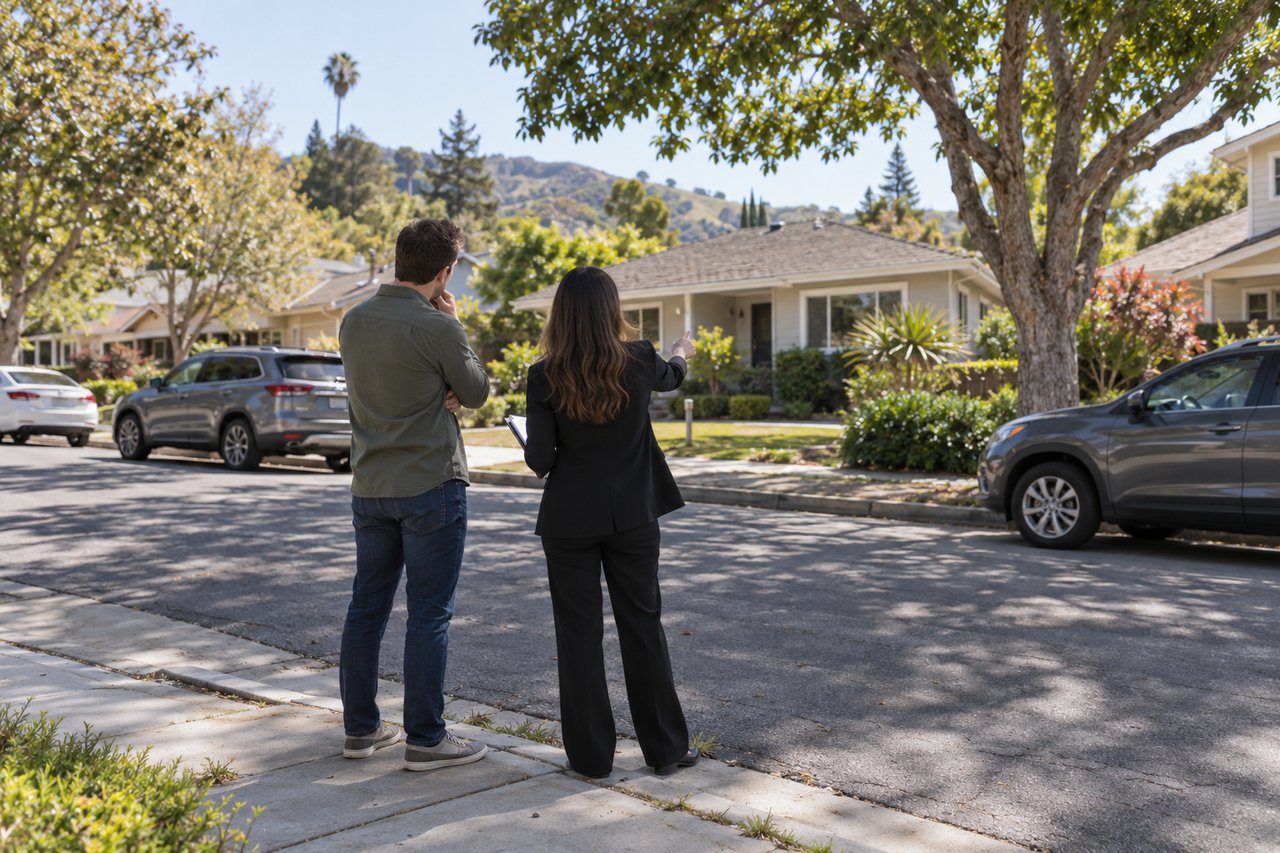
Look closely at parking, street activity, property condition, and everyday fit before making an offer.

Amber Johnson | October 3, 2026
Compare the feel of the inland valley with the walkable beach village before choosing where to live.
Amber Johnson | October 3, 2026
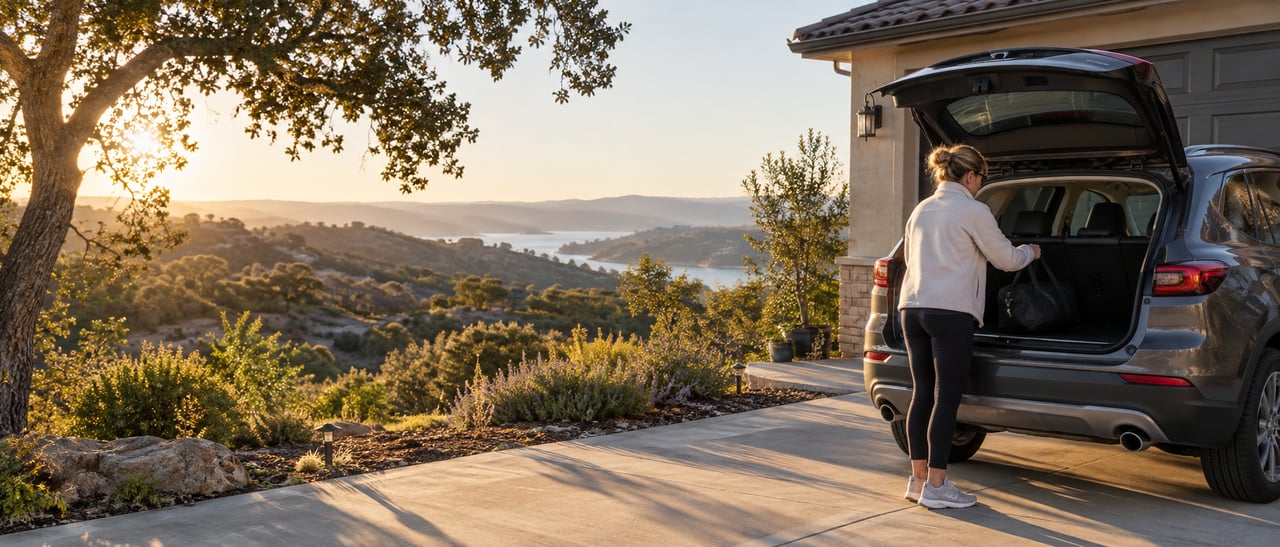
Consider the daily drive, household routine, and community fit before choosing a home near Lake Nacimiento.

Amber Johnson | October 3, 2026
Amber Johnson | October 3, 2026
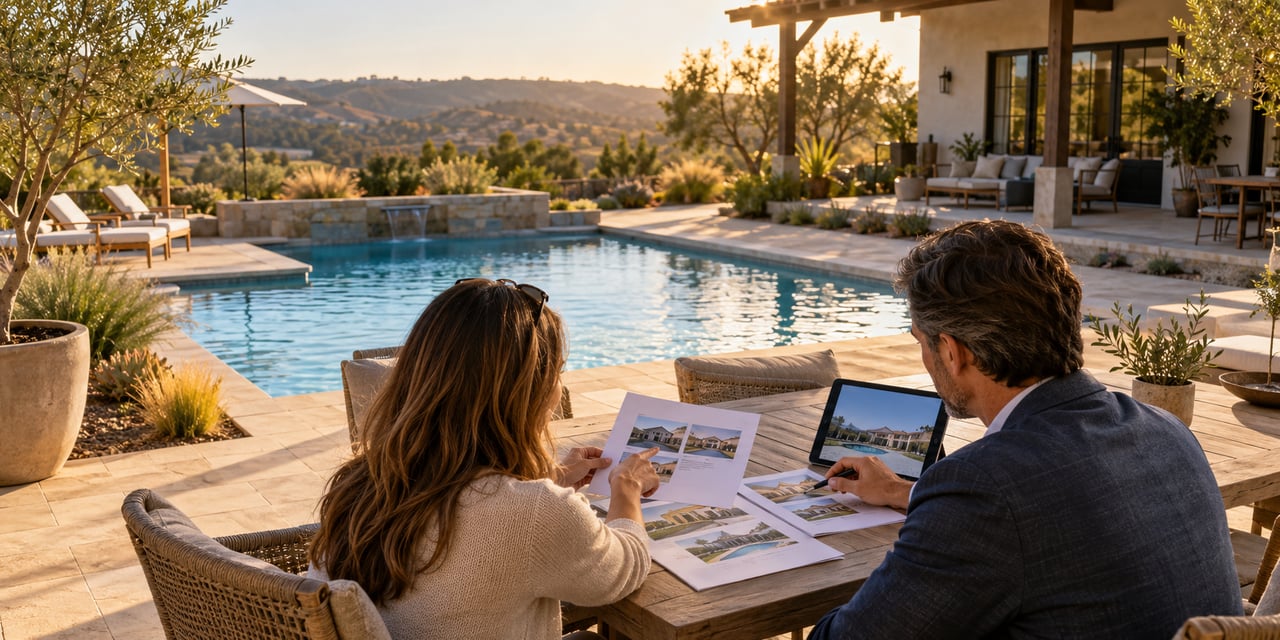
Weigh the pool's condition, comparable sales, and likely buyer interest before setting the list price.
Amber Johnson | October 3, 2026
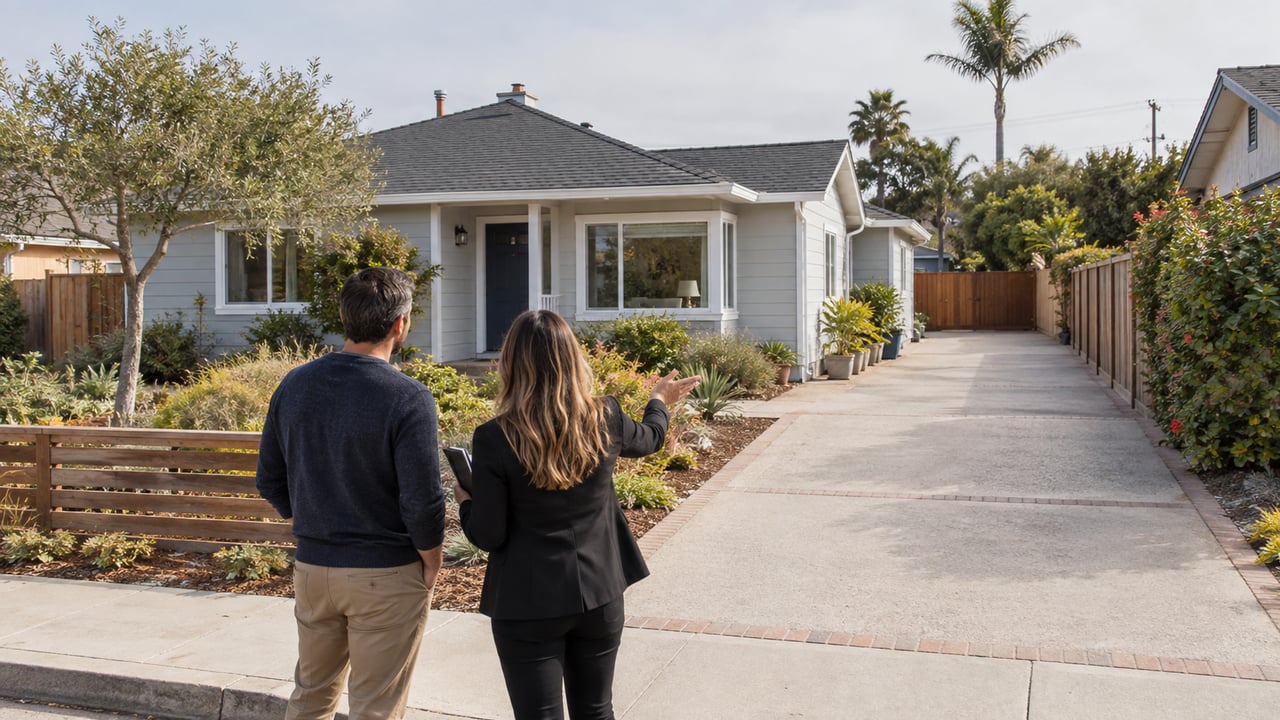
Show the home's parking, storage options, and coastal lifestyle clearly so buyers can assess the tradeoff.
Amber Johnson | October 3, 2026
Review association documents, insurance, building condition, parking, and total monthly cost before an offer.

Amber Johnson | October 2, 2026
Consider trail access, coastal weather, neighborhood streets, and practical routines near the preserve.
Amber Johnson | October 2, 2026
Compare lot size, upkeep, access, and everyday routines before choosing your Templeton setting.
You’ve got questions and we can’t wait to answer them.
Amber Johnson, Founder
Pillar Real Estate
805.835.3425
DRE# 01925434
1345 Park Street
Paso Robles, CA 93446