What Is Everyday Life Like near the Grover Beach Train Station?
November 5, 2026
November 5, 2026
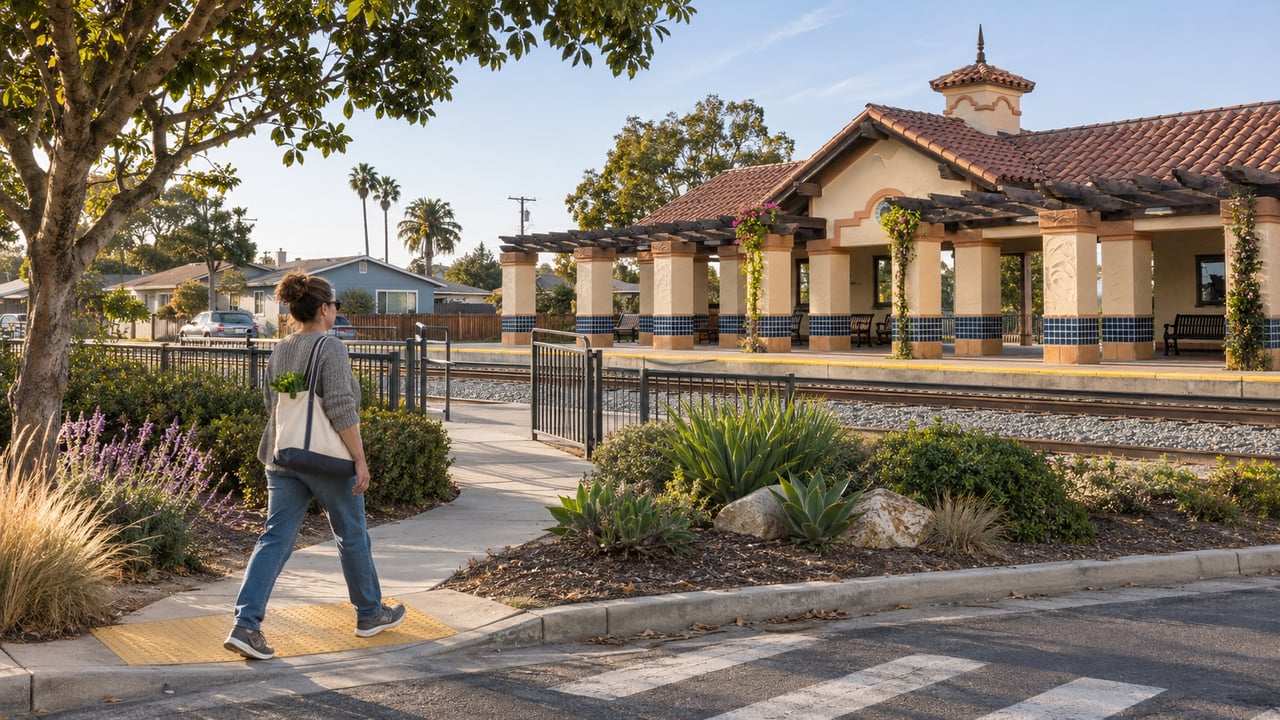
Everyday life near the Grover Beach Train Station can feel convenient and connected for the right household, but the experience depends on the exact home, your normal routes, and how you respond to activity around a working rail corridor. Some buyers like being near a recognizable transportation point and the businesses around West Grand Avenue. Others care more about quiet, parking, or avoiding rail crossings during a busy morning.
The honest answer is that “near the station” is too broad to tell you whether a home will work. Two properties that look close on a map can create very different daily routines. One may put your common errands in a practical direction. Another may require extra turns, a crossing, or a route that feels different after dark.
When I help buyers compare Grover Beach homes, I focus on the address rather than the neighborhood label. The right strategy is to test the property during the hours you will actually use it. That gives you a clearer picture than a listing description or a quick weekend visit.
Before deciding whether the station area is a good fit, write down the trips your household makes in a normal week. Include work, school, groceries, medical appointments, recreation, childcare, and the people you visit regularly. Mark which trips happen at fixed times and which can move.
This matters because access is personal. A buyer who works from home and makes local errands may experience the area differently from someone who drives to another part of San Luis Obispo County every morning. A household that wants occasional train access will ask different questions from one that expects to use rail service regularly.
Do not build the decision around a future routine you hope to have. Start with the life you already live. Then consider which parts may realistically change after your move.
Real estate marketing uses words like “close,” “nearby,” and “convenient” loosely. The only useful measurement is the route from a specific front door to the places that matter to you.
Map the route from each home to the station, your workplace, your usual grocery stop, and other repeat destinations. Then visit the route in person. Look at crossings, sidewalks, lighting, curb cuts, traffic movement, and anything you would need to carry. A route that appears short on a screen may feel different with luggage, groceries, a stroller, or limited mobility.
If you are comparing the broader station area with another part of town, my guide to everyday life near West Grand Avenue in Grover Beach can help you organize the tradeoffs. Use the same questions for every address so the comparison stays fair.
A home near a station or rail line exists within an active transportation setting. That does not automatically make it a good or bad choice. It means buyers should notice the activity before making a decision.
Stand outside the property and listen. Spend time in the yard, driveway, and rooms where you would sleep or work. Pay attention to what you hear with the windows open and closed. Notice how the house, neighboring buildings, landscaping, and distance from the tracks affect the experience.
Visit more than once. Conditions can change by time of day, day of the week, weather, and the type of activity occurring nearby. A single quiet showing does not prove that the area is always quiet. A single active visit does not prove that it always feels busy.
Sellers also need to approach this honestly. If you own a home in the area, read my article on marketing a Grover Beach home near the train tracks. Clear positioning helps the right buyer understand the property without pretending the rail corridor is not there.
Being near the station is not only about whether you plan to board a train. The rail corridor may affect how you move through the surrounding streets. A buyer should identify which regular routes cross the tracks and what alternatives exist.
Drive your likely morning and evening routes from the property. Do the same for school pickup, appointments, and weekend errands. Notice where you turn, where you wait, and whether a different route feels more comfortable. Do not assume the fastest route on an app will always be the route you prefer.
If arriving at a specific time matters, leave a reasonable cushion until you understand the area. This is practical advice for any new neighborhood. It is especially helpful when your route includes a transportation corridor or a crossing you have not used regularly.
Some buyers are drawn to the station because they want rail access. That can be a meaningful benefit, but only if the available service matches the trips you make.
Check current schedules, destinations, fares, baggage rules, parking information, and service notices directly with the transportation provider. These details can change. Confirm the exact trip rather than relying on a general statement that train service is available.
Think through the complete trip from your front door to your final destination. Include the walk or drive to the station, waiting time, transfers, and the return trip. If you will be carrying work equipment, luggage, or items for children, test whether the plan still feels manageable.
My article on whether you can use the train regularly while living in San Luis Obispo uses the same door-to-door approach. The city is different, but the decision process is useful: verify the real trip, not just the presence of a station.
The station is one feature of the area. Your quality of life will also depend on how the home connects with groceries, dining, services, parks, schools, healthcare, and the routes you use to reach other communities.
Make a list of the five destinations your household visits most often. Map them from each property you are considering. A home that is slightly farther from the station may fit your broader routine better. Another home may make both station access and common errands feel straightforward.
This is where buyers sometimes get distracted by a single feature. The station may sound appealing, but it should not outweigh the home’s condition, layout, parking, storage, lot, and fit with your long-term plans. The right house has to support the whole routine.
A midday tour gives you only one version of the neighborhood. If you expect to walk to the station early, return in the evening, or run errands after work, visit during those periods when possible.
Pay attention to visibility, lighting, street crossings, sidewalk condition, and how comfortable the route feels to each person in your household. Different people can experience the same route differently. Children, older relatives, and anyone with mobility needs may notice issues that an active adult misses.
Use ordinary conditions for the test. Wear the shoes you would normally wear and carry a typical bag. If you expect to walk with a child, dog, or suitcase, consider how that changes the route. A realistic test is more useful than a quick stroll during a showing.
Parking can shape daily life even when a home is close to transportation. Confirm the property’s actual parking arrangement. Look at garage dimensions, driveway access, street conditions, and how guests or service providers would arrive.
Do not assume a space belongs to the property because someone is using it during the showing. Review the title information, disclosures, and any applicable rules. If the home is part of an association, read the current documents for parking, guests, storage, and vehicle restrictions.
Also picture loading and unloading. Groceries, luggage, children, and work equipment can make a short distance feel longer. The best location on a map may not be the easiest property to live in.
Buyers should compare the station area with other parts of Grover Beach using the same standards. Look at property condition, lot size, street setting, parking, common routes, and access to the places you use most.
For a wider view, read Living in Grover Beach, CA: Pros, Cons, and What to Expect. It can help you separate citywide questions from issues that belong to one property or one block.
A broad city guide cannot replace property-level research. Grover Beach includes different street patterns, housing types, and relationships to the rail corridor. Tour more than one area before deciding what feels right.
Location is only one part of the purchase. Review the seller’s disclosures, inspection reports, title information, permits when relevant, and any other documents available for the property. Ask questions about items you do not understand and use the appropriate licensed professionals for issues outside your agent’s scope.
Pay attention to windows, insulation, doors, ventilation, and the rooms where you expect to sleep or work. These features may affect how the home feels in its setting. Do not assume a newer or updated home performs a certain way. Inspect the actual property.
The goal is not to eliminate every tradeoff. Every home has them. The goal is to understand which tradeoffs matter to you before you commit.
After each showing, rate the home in a few categories: station route, rail activity, regular errands, parking, evening comfort, property condition, and fit with your household’s schedule. Use the same categories for every home.
Add notes while the visit is fresh. Record which questions still need verification. A scorecard keeps one attractive feature from carrying too much weight and makes it easier to compare properties after a full day of tours.
If the station is important, give it an appropriate place on the list. If you will use it only a few times a year, it may deserve less weight than your commute, grocery route, or home-office needs.
When a buyer asks about living near the Grover Beach Train Station, I do not give a blanket answer. I help them compare specific homes with their actual routine. We identify the routes to test, the property documents to review, and any transportation details that need direct confirmation.
Amber Johnson and Pillar Real Estate serve buyers, sellers, and relocating households throughout San Luis Obispo County. My local role is to help you see how the property and location work together, then build the right strategy for your goals.
Everyday life near the station can be a good fit when the home, routes, activity level, and transportation options match what your household actually needs. The decision becomes much clearer once you stop judging the area by a label and start testing it from the front door.
If you are considering a Grover Beach home, I can help you compare the station area with other parts of the city and the South County communities around it. We will focus on the details that affect your routine, not generic claims about convenience.
Ready to plan your move? Visit Sell With Amber to start the conversation.
Amber
Amber Johnson
Founder, Pillar Real Estate
805.835.3425
[email protected]
1345 Park St. Paso Robles, CA 93446
DRE# 01925434
Website: https://pillarrealestate.com/

Amber Johnson | November 7, 2026
Compare home styles, street patterns, terrain, access and daily routes before choosing between these San Luis Obispo areas.

Amber Johnson | November 6, 2026

Amber Johnson | November 6, 2026
Compare the trip from a specific home, departure routines, backup transportation and time away before choosing Heritage Ranch.
Amber Johnson | November 6, 2026
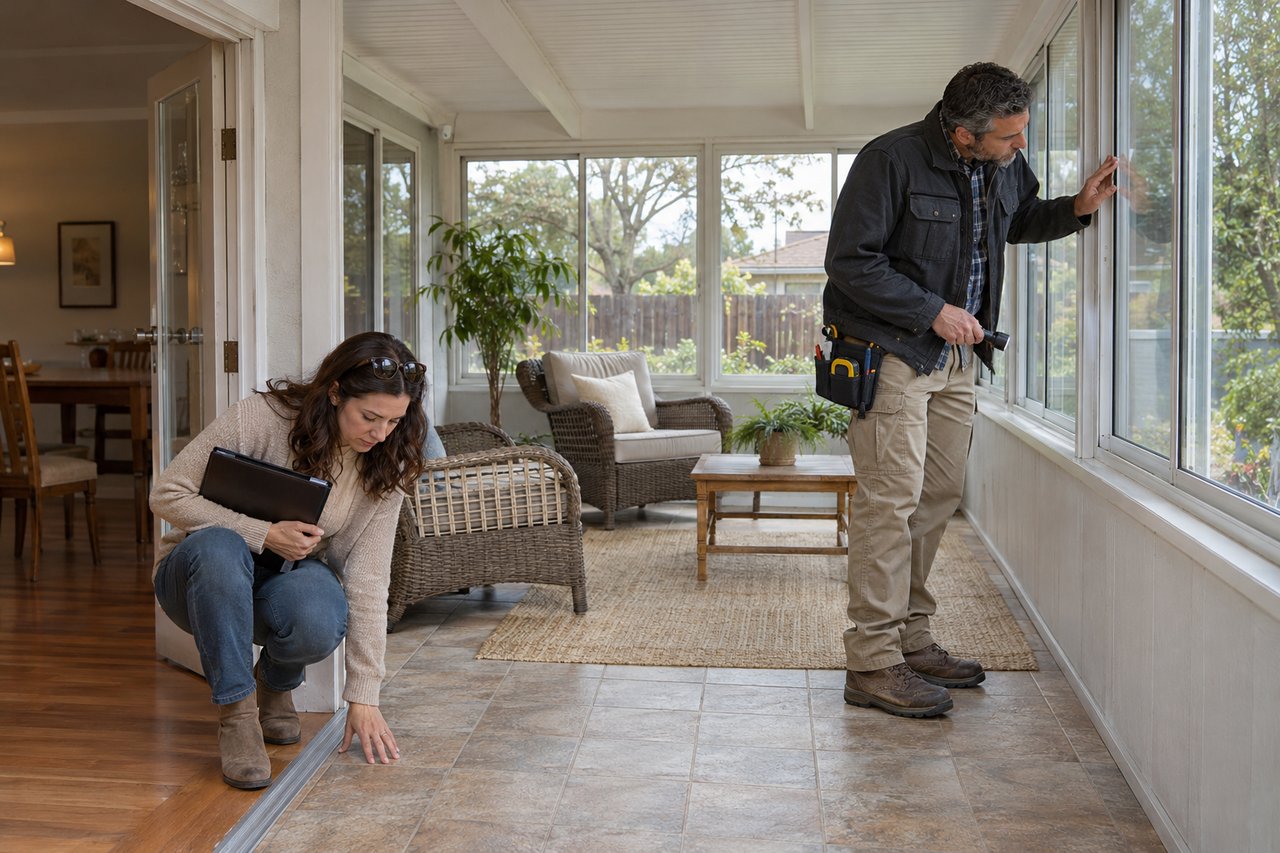
Review the sunroom's condition, records and usable space before treating it as part of the home.

Amber Johnson | November 5, 2026
Compare a home's bike storage, nearby routes and the time your riding routine actually needs.
Amber Johnson | November 5, 2026
Consider station access, nearby activity and your usual routes from a specific Grover Beach home.
Amber Johnson | November 5, 2026
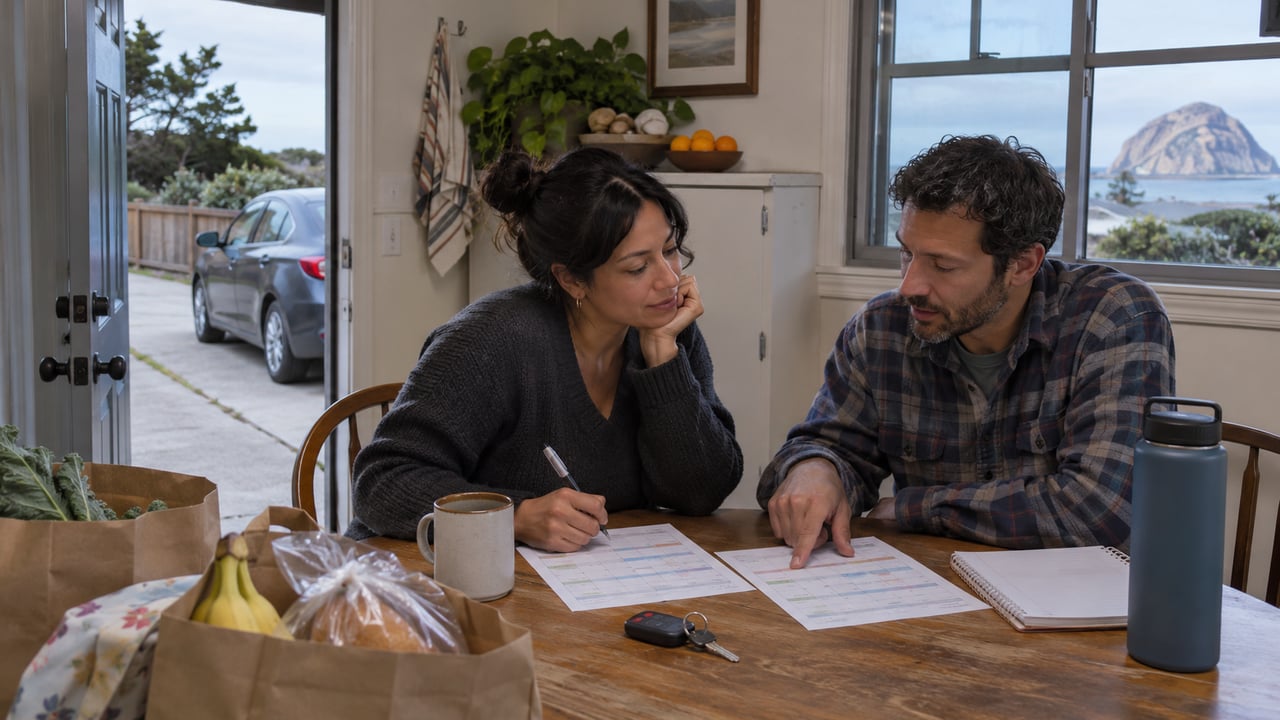
Test how one shared car fits errands, work, appointments and the location of a specific home.

Amber Johnson | November 5, 2026
Identify where the pressure issue starts and weigh repairs, disclosure and buyer expectations before listing.
Amber Johnson | November 5, 2026
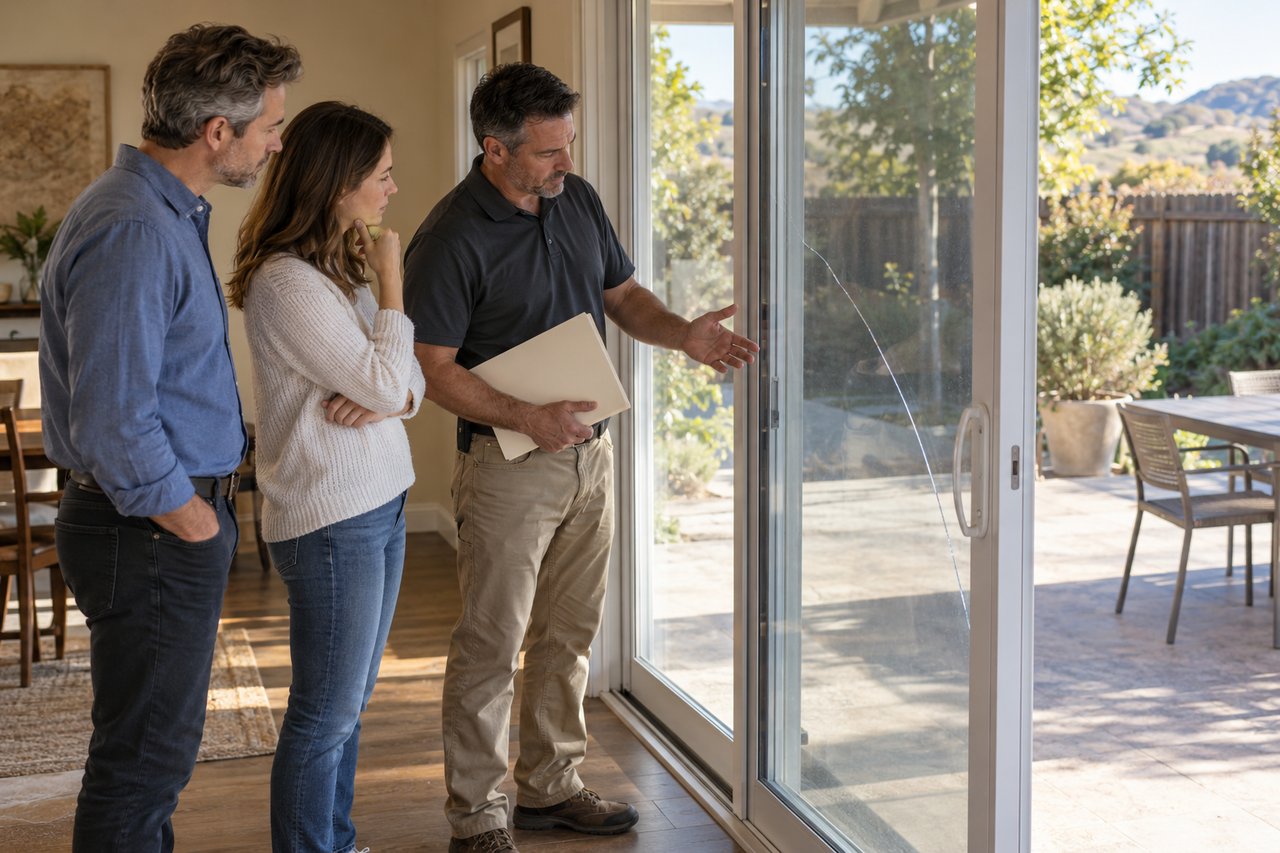
Compare safety, function, repair cost and buyer expectations before deciding whether the door needs repair or replacement.
You’ve got questions and we can’t wait to answer them.
Amber Johnson, Founder
Pillar Real Estate
805.835.3425
DRE# 01925434
1345 Park Street
Paso Robles, CA 93446