Can I Use the Train Regularly While Living in San Luis Obispo?
November 1, 2026

November 1, 2026
Yes, train travel can be part of living in San Luis Obispo, but whether it works regularly depends on the trips you need to make. Start with your destination, required arrival time, return options, and the service operating on your actual travel dates. Living near a station doesn't make every trip practical by rail.
For some households, the train may be useful for recurring visits or work trips. For others, the available itinerary won't fit the hours they need. You want to learn that before choosing a home around the idea.
I'm Amber Johnson, founder of Pillar Real Estate in Paso Robles. I help people relocating to San Luis Obispo and throughout SLO County evaluate homes around their real routines. If regular train travel matters to you, let's test that routine as carefully as we test the home.
Write down your most frequent destinations and the reason for each trip. A flexible visit to family needs a different plan from an appointment or workday with a fixed start time.
Include the exact destination after you leave the train. Arriving at a station in the right city may still leave you with another ride, a walk, or a connection. Account for that part before deciding the train solves the trip.
Then note frequency. Are you traveling every weekday, a few times a month, or several weekends a year? The more often you repeat a trip, the more useful it is to test the full routine rather than rely on a single convenient departure.
That list gives us a clear housing priority. We can distinguish needing easy station access from simply liking the option of occasional rail travel.
San Luis Obispo's Amtrak station is at 1011 Railroad Avenue. Use the station's official information and the operator's date-specific itinerary tools when planning. Check whether each part of the proposed trip is a train, a connecting bus, or a combination.
Service note checked October 31, 2026: Pacific Surfliner's official travel advisories list bus substitutions between San Luis Obispo and Santa Barbara from October 17 through November 5. They also list no Pacific Surfliner train service along the corridor on November 7 and 8, with no replacement bus bridges for that closure. These notices concern Pacific Surfliner service; check your specific itinerary directly with the operator.
Those temporary changes are a reason to check the dates, not a reason to assume rail will never work. Read current alerts alongside the timetable and confirm the return trip too.
Start with the time you must be at your destination. Then add the travel from the destination station, any connection, and the arrival margin you need. Compare that with the actual itinerary available.
Next, work backward from the departure. Include getting out of the house, reaching the station, and the operator's recommended arrival time. If you need ticketing, baggage services, or assistance, confirm the appropriate arrangements in advance.
Don't judge the trip from the time shown between stations alone. A train that looks convenient on a map may require an earlier start than you want once everything is included.
Be honest about what you can repeat. A very early departure might be acceptable once a month but uncomfortable several days every week. That difference matters when a home purchase is involved.
It's easy to focus on getting somewhere. Coming home can be the part that changes the decision.
Look at when your work, appointment, or visit usually ends. Is there an itinerary afterward that gets you home at an acceptable hour? Does it require a connection, a different mode of travel, or an overnight stay?
Check the days you actually travel. Don't assume the option you found for one date will fit another date or every future week. Read the details for both directions.
Also think about what happens if your plans run late. A routine that depends on leaving an appointment at an exact moment may leave you little flexibility. Decide what your backup would be before treating that itinerary as dependable for your needs.
A home can be relatively close to the station and still require a route you don't enjoy using. Walk or travel the actual approach from the specific property rather than measuring a straight line on a map.
Consider the bag you carry, the time of day, crossings, lighting, surface conditions, and your own mobility needs. A comfortable walk on a free afternoon may feel different before an early departure or after a late return.
If you expect to use a bicycle, local transit, a taxi, or a ride from someone else, test that arrangement too. Confirm current service and operator requirements rather than assuming every connection will be available when you need it.
My article on moving to San Luis Obispo with a walking commute in mind uses the same practical approach: evaluate the exact route and schedule before relying on proximity.
If rail travel is important, the area around the station may be worth considering. But a short station trip should be one factor in your housing decision, not the entire decision.
Visit a potential home at the times you'd normally be there. Pay attention to the surroundings, access, parking arrangements, and the activity you observe. Ask questions about the property and review the relevant information with your agent.
My guide to everyday life in San Luis Obispo's Railroad District offers a broader neighborhood starting point. It doesn't replace checking the individual home or testing your route to the platform.
You may find that a home farther away fits the rest of your week better, with an acceptable station connection. Or you may value the shorter approach enough to make it a priority. The useful answer is the one you can explain from your own routine.
Regular rail use is easier to evaluate when you separate fixed commitments from flexible ones. Identify the trips where arriving late would create a serious problem and the trips where you can adjust your plans.
Check current alerts before booking and again before departure. Ask the operator about any questions specific to your itinerary. A published timetable is useful planning information, but it isn't a promise that every trip will unfold exactly as planned.
Build a backup you would actually use. That might involve changing the travel date, arranging another ride, or allowing an overnight stay where appropriate. Don't count on a backup simply because it exists in theory.
If your household can't absorb changes to a particular recurring trip, acknowledge that early. Rail might remain useful for other travel while being a poor fit for that one commitment.
Price the itinerary you would book, on the dates you would use. Then add the confirmed cost of reaching both stations, any onward travel, and any overnight stay the schedule requires.
Compare booking conditions as well as the fare. Review the operator's current change and cancellation terms for the ticket you choose. If you are considering a pass or repeated-trip product, confirm eligibility and restrictions directly before assuming it will cover your travel.
Time deserves the same attention. Some people value being a passenger instead of driving; others place more value on choosing their own departure time. Neither preference is wrong.
Don't assume onboard time will automatically be productive work time. Think about the conditions you personally need and test them on the actual service. The decision is about a repeatable routine, not just a lower-looking fare.
If possible, take the trip you expect to repeat. Use a representative day and the same station approach, luggage, connections, and destination you would normally have.
Record the entire experience. When did you leave home? How much waiting did the itinerary involve? Was the connection manageable? What time did you get back?
Note what worked and what needed adjustment. One trip can't prove what every future trip will be like, but it can expose assumptions that a map or timetable didn't reveal.
Keep the trial separate from a leisurely visit to the area. Give yourself room to look at homes and neighborhoods without trying to squeeze an unfamiliar travel test into the same tight schedule.
A home still needs to work on the days you don't take the train. Consider errands, household responsibilities, work arrangements, and the destinations you visit locally.
If you plan to use rail to reduce driving, identify which trips it could realistically replace. Don't assume it removes the need for other transportation just because the station is nearby.
My overview of living in San Luis Obispo can help frame that wider decision. Then bring the discussion back to the exact home, your regular destinations, and the service you have checked.
For a relocating household, this is time well spent. A location that supports your travel plans and your ordinary days is more useful than a location chosen for one attractive feature alone.
Start with your destinations. Confirm the available outbound and return itineraries for representative dates. Test station access from the homes you're considering, and decide what flexibility and backup arrangements you need.
Then ask whether you'd willingly repeat the whole trip. If the answer is yes, train travel may be a meaningful part of your San Luis Obispo routine. If the answer is no, it may still be a useful occasional option without guiding your home search.
At Pillar Real Estate, I help relocating buyers evaluate the property and the way they want to live in it. We can put station access in the right place among your priorities and keep the decision grounded in what makes sense for your goals.
Considering a move to San Luis Obispo? Visit Sell With Amber to start a conversation about the home, location, and daily routine you're looking for.
Amber
Pillar Real Estate | Amber Johnson, Founder
805.835.3425 | [email protected]
1345 Park St. Paso Robles, CA 93446 | DRE# 01925434

Amber Johnson | November 2, 2026
Compare timing, rental availability, moving costs and what you need to learn before deciding whether to rent first.

Amber Johnson | November 2, 2026
Review permits, condition and intended use before counting a converted garage as living space.

Amber Johnson | November 2, 2026
Walk the route from a specific home to the businesses you would actually use.

Amber Johnson | November 1, 2026
Consider shoreline activity, daily errands and the pier's current access when evaluating a nearby home.
Amber Johnson | November 1, 2026
Test station access and current rail service against the trips you actually need to make.
Amber Johnson | November 1, 2026
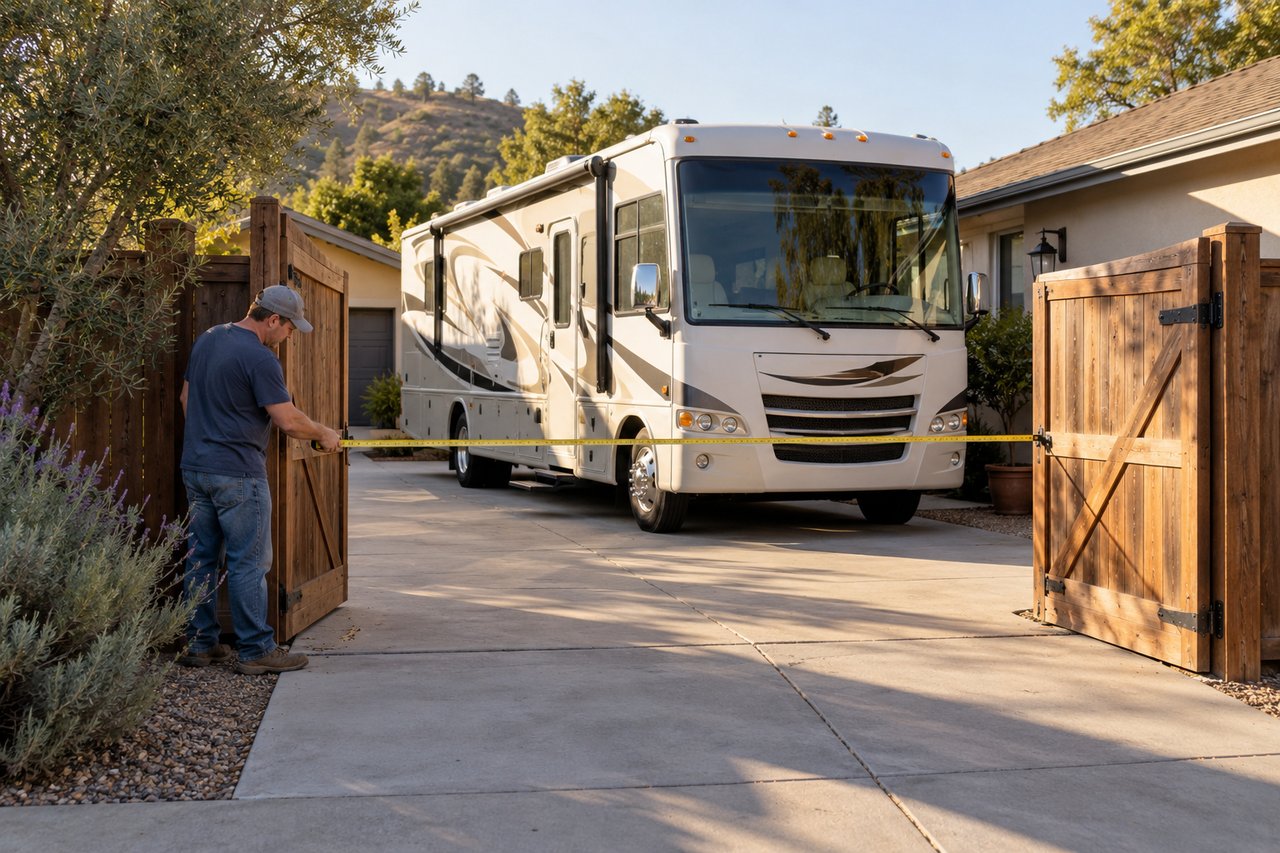
Check the exact property's space, access and applicable rules before choosing a home around RV storage.

Amber Johnson | November 1, 2026
Review the wall's condition, drainage and documentation before deciding whether repair belongs in your sale plan.

Amber Johnson | November 1, 2026
Review condition, placement, permits, usefulness and removal cost before deciding whether the shed helps or distracts from the sale.

Amber Johnson | November 1, 2026
Separate the asking-price mix from closed-sale evidence before drawing conclusions about value.
You’ve got questions and we can’t wait to answer them.

Amber Johnson, Founder
Pillar Real Estate
805.835.3425
DRE# 01925434
1345 Park Street
Paso Robles, CA 93446