What Is Everyday Life Like near West Grand Avenue in Grover Beach?
October 15, 2026

October 15, 2026
Everyday life near West Grand Avenue in Grover Beach can put local businesses and street activity closer to your routine. The tradeoff is that the same activity may affect how you walk, park, work at home, or use your outdoor space. Your experience depends on the block and the home, not simply an address described as near the avenue.
Here's the thing: enjoying a Saturday visit isn't the same as wanting to live there Monday through Friday. You need to picture an ordinary week. Where would you pick up what you need, park after work, or take a short walk?
I'm Amber Johnson with Pillar Real Estate, based in Paso Robles and helping buyers and homeowners across SLO County. For a Grover Beach move, I want the location to make sense for your actual life. That means looking beyond the appealing first impression and getting specific about daily routines.
West Grand Avenue is a place to consider street by street. A home facing the corridor may feel different from one on a nearby side street. The distance, orientation, surrounding uses, and route between your front door and the avenue all matter.
In its June 12, 2025 completion announcement, the City of Grover Beach described the West Grand Avenue streetscape work between 4th and 8th Streets. The improvements included upgraded sidewalks and curbs, decorative crossings, painted bike lanes, and pavement work. That gives useful context for this part of the corridor.
It doesn't mean every nearby address has the same pedestrian experience. Start with the exact block you're considering. Walk the actual route, look at the crossings, and notice where traffic enters or leaves the street.
For a wider introduction, our article Grover Beach: Where Coast Meets Community provides city-level context. Use that as a starting point. Then bring the decision back to the places you would use on a normal day.
A nearby commercial area can add simple choices to the day. You may like being able to leave home for a small errand, meet someone locally, or change your surroundings without planning a full outing. Those possibilities have value when they match what you actually do.
Make a short list of the destinations you would use regularly. Check whether the businesses you want are there now and whether their hours fit your schedule. A storefront that looks appealing during a showing isn't necessarily useful during your working week.
Separate a pleasant outing from a practical errand. A place for coffee may be enjoyable, but your grocery shopping, healthcare appointments, or other regular needs may still require a drive. Neither is a problem when you've accounted for it.
The point isn't to promise that you can do everything nearby. It's to understand which trips become easier and which stay the same. That makes the appeal concrete instead of relying on a broad description of convenience.
Two homes can be similarly close to West Grand Avenue and still offer different walks. One route may involve a crossing you find comfortable. Another may include a driveway, missing connection, or turn that deserves more attention.
Try the route from the home to a destination you would actually visit. Don't start the test after you've already driven to the avenue. Include the stretch between your front door and the commercial corridor, and walk back as well.
Notice the width and condition of the walking space, crossing locations, visibility, and how you would manage a grocery bag. If you regularly use a stroller or mobility aid, assess the route with that need in mind. Don't treat a map's short distance as proof of a comfortable trip.
Visit at a time relevant to your routine. A morning walk and an evening return may raise different questions about lighting and activity. You don't need to dismiss a location because one detail requires planning. You do need to know what the walk involves.
Some people enjoy having signs of daily life nearby. Others want their home to feel removed from passing activity. Neither preference is wrong, and the same block can feel different depending on where the living room, bedrooms, and patio sit.
At the actual home, listen rather than assuming. Spend time inside and outside. Notice vehicles, conversations, deliveries, and any nearby business activity that you can observe. Keep the conditions of that visit separate from what happens at other times.
If quiet is important for work, sleep, or relaxing outside, test the relevant spaces. A room at the back of the house may function differently from one facing the street. Open and closed windows can also change what you hear.
Ask specific questions about nearby uses and operating hours, then confirm what matters through appropriate sources and visits. Don't rely on a general promise that the area is peaceful or always busy. Your comfort should be based on the home you are considering.
Picture coming home with groceries, arriving after dark, or having a friend visit. Where would each vehicle go? A driveway, garage, assigned space, or street space should be evaluated for how it actually works, not just whether it appears in a property description.
Confirm the parking that belongs to the property and any agreements or restrictions affecting it. Check current signs where street parking is part of the plan. Don't assume that the space available during a showing will always be available when you need it.
Try the practical details. Can you unload comfortably? Does the arrangement work with the vehicles you have? Is access straightforward when another car is already parked? Those small tasks repeat often enough to affect how the home feels.
For a property near businesses, observe parking at relevant times without assuming demand is the same every day. A workable plan may be simple. The important part is knowing that plan before you start treating the location as a fit.
Being close to places you enjoy doesn't replace a functional house. Think about the days when you stay home, work remotely, cook, do laundry, or have someone over. The location and floor plan need to support each other.
Look at privacy from windows and outdoor seating. Notice what you can see from the rooms you use most and what can be seen from outside. A location with nearby activity may still offer comfortable private space, but that is something to assess at the property.
If you work from home, test your proposed workspace. Consider light, noise, storage, and service availability at the exact address. Verify the internet service you can actually obtain rather than assuming it will meet your needs.
Different housing arrangements also bring different responsibilities. Our article choosing a condo or a detached home in Grover Beach can help you separate those considerations. A good street location doesn't answer questions about the building, shared areas, or your own maintenance workload.
Daily life near West Grand Avenue is still part of your broader SLO County routine. Work, appointments, family visits, or preferred shopping may take you away from the immediate area. Start with your actual destinations instead of assuming the corridor will shorten every trip.
Test a typical departure and return when possible. Include getting out of the property and back into the parking space. A drive-time estimate alone doesn't show you every part of the trip you will repeat.
Think about how errands combine. Would you stop locally on the way home, or make another trip later? Could a nearby business replace one regular outing, or would it mainly add an enjoyable option? Both can be worthwhile, but they serve different needs.
If you plan to use a bicycle or public transportation, verify the current route, service, and schedule for your destination. Don't assume that the presence of a bike lane or nearby stop makes the whole trip suitable. Check the full connection and have a realistic backup.
A weekend outing can help you notice what attracts you, but it shouldn't carry the entire housing decision. Return during an ordinary weekday. If evenings matter to you, include an evening visit too, using appropriate access and respecting residents and businesses.
Make those visits purposeful. Walk an errand route, sit in the home's main living area, and observe the parking arrangement. Notice how you feel completing a practical task, not just looking at the surroundings.
Special events or temporary work can change the usual pattern. Check current City information if something unusual affects your visit. Don't mistake a one-day closure for the normal routine, or an unusually quiet day for a reliable picture of every week.
Our overview of living in Grover Beach, including pros, cons, and what to expect can help frame the broader decision. This closer look at West Grand Avenue should add the address-level detail that a general city overview can't provide.
The area may suit someone who values having local destinations close by and doesn't need the home to feel isolated from street activity. It can also appeal to a homeowner who wants more reasons to get outside during an ordinary week.
It may feel less suitable if your top priority is a very quiet outdoor setting or a routine with little interaction with commercial streets. That doesn't rule out every nearby home. It means orientation, distance, and the individual property deserve more weight.
Use a simple comparison: list what you would gain, what you would need to manage, and what is still unconfirmed. A nearby destination belongs in the first column only after you know you would use it. A parking or noise question stays unresolved until you have enough information.
If you're selling a home near West Grand Avenue, this same approach helps explain its location honestly. Show the real relationship to nearby destinations and describe the property accurately. Buyers need useful detail, not a claim that the area fits everyone.
Everyday life near West Grand Avenue can offer an appealing connection to Grover Beach's commercial corridor. Whether that becomes a benefit depends on your routes, the businesses you use, and how the home handles activity, privacy, and parking. The address should work on an ordinary Tuesday, not only during a pleasant weekend visit.
At Pillar Real Estate, I help buyers compare those details and help local homeowners plan their next move. My Paso Robles base and SLO County experience keep the conversation local. The right strategy starts with what makes sense for your situation.
If you're considering a move near West Grand Avenue in Grover Beach, or selling a home there, let's talk about your priorities. Visit Sell With Amber for a clear next step.
Amber
Amber Johnson
Pillar Real Estate
805.835.3425
[email protected]
1345 Park St. Paso Robles, CA 93446
DRE# 01925434

Amber Johnson | November 7, 2026
Compare home styles, street patterns, terrain, access and daily routes before choosing between these San Luis Obispo areas.

Amber Johnson | November 6, 2026
Amber Johnson | November 6, 2026
Compare the trip from a specific home, departure routines, backup transportation and time away before choosing Heritage Ranch.
Amber Johnson | November 6, 2026
Review the sunroom's condition, records and usable space before treating it as part of the home.

Amber Johnson | November 5, 2026
Compare a home's bike storage, nearby routes and the time your riding routine actually needs.

Amber Johnson | November 5, 2026
Consider station access, nearby activity and your usual routes from a specific Grover Beach home.
Amber Johnson | November 5, 2026
Test how one shared car fits errands, work, appointments and the location of a specific home.
Amber Johnson | November 5, 2026
Identify where the pressure issue starts and weigh repairs, disclosure and buyer expectations before listing.
Amber Johnson | November 5, 2026
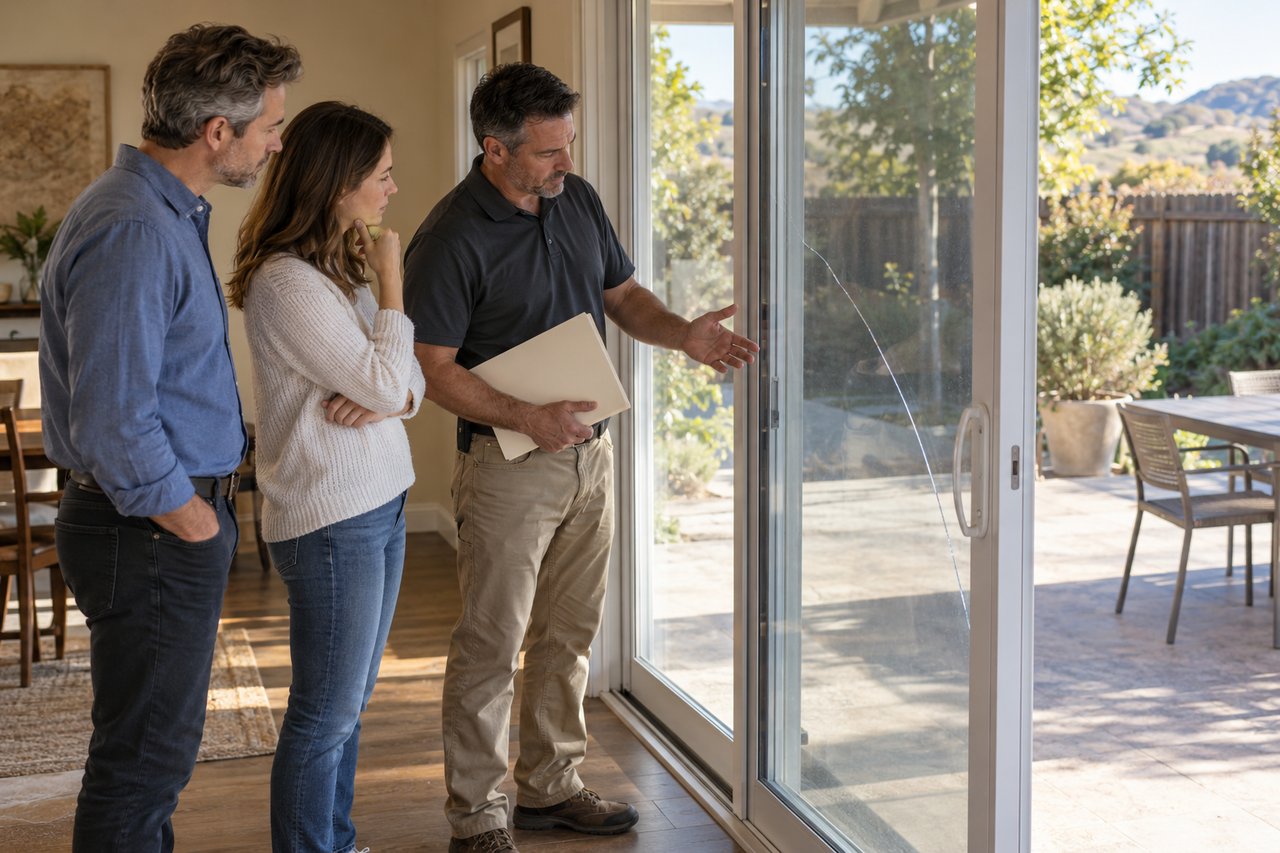
Compare safety, function, repair cost and buyer expectations before deciding whether the door needs repair or replacement.
You’ve got questions and we can’t wait to answer them.
Amber Johnson, Founder
Pillar Real Estate
805.835.3425
DRE# 01925434
1345 Park Street
Paso Robles, CA 93446