What Is Everyday Life Like in San Luis Obispo's Railroad District?
October 10, 2026

October 10, 2026
Everyday life in San Luis Obispo's Railroad District feels connected, established, and distinctly urban by Central Coast standards. You are close to downtown routines, local dining, neighborhood streets, and the active rail corridor that gives the district its name. The tradeoff is that daily life here asks you to think carefully about sound, parking, older-home maintenance, and the exact block you choose.
For some people, that mix is the appeal. They want a neighborhood where walking can be part of the day, where homes have individual character, and where the city feels close at hand. Others may decide they prefer more separation, newer construction, or a quieter setting. Neither reaction is wrong. The Railroad District is a place where the fit depends less on a broad label and more on how your own routines line up with the neighborhood.
The Railroad District tends to feel lived-in rather than staged. Older homes, apartments, sidewalks, parked cars, cyclists, pedestrians, and the rail corridor all share the same general environment. You may see neighbors heading out on foot, people moving between residential streets and nearby businesses, and the usual rhythm of deliveries, visitors, and commuters.
That creates a sense of activity that can be energizing. You are not isolated from the rest of San Luis Obispo. At the same time, activity brings practical questions. How much foot traffic passes your front window? Where do visitors park? How noticeable are trains from the bedroom? How does the street feel after dinner or early in the morning? Those details change from block to block, so a quick drive-through is not enough.
If you are still getting oriented to the city, start with this broader look at what it is like living in San Luis Obispo. It helps put the Railroad District's more connected, close-in routine into context.
One of the district's strongest everyday advantages is the potential to handle more of life on foot. Depending on the property and your destination, walking may be practical for coffee, a meal, an appointment, or a downtown errand. That can change the way the week feels. Instead of planning every outing around a car, you may be able to combine a short walk with something you already need to do.
But walkability should be tested personally. A map does not tell you whether the route feels comfortable after dark, whether you are willing to carry groceries home, or whether a particular crossing works well for your family. Walk the route you expect to use. Bring a stroller, dog, bicycle, or mobility aid if that is part of your real routine. Try it at the time of day when you would actually be out.
It is also worth distinguishing between being near downtown and living in the middle of constant downtown activity. The Railroad District can offer access without feeling identical to the commercial core, but the degree of separation varies by location. The right home may give you the balance you want, while a property only a few blocks away may feel noticeably different.
The rail corridor is not a decorative backdrop. Train movement, horns, vibration, and related activity may be noticeable, and the experience depends on distance, orientation, construction, windows, landscaping, and your own sensitivity to sound. A person who sleeps through city noise may barely react. A light sleeper working from a home office may care a great deal.
Do not rely on one quiet showing. Visit the property more than once. Stand inside with the doors and windows closed, then open them. Spend a few minutes in the primary bedroom, backyard, front porch, and any room you would use for focused work. Ask the seller's disclosures and your own observations to do different jobs. Disclosures provide property information. Your visits tell you whether the setting works for you.
Sound is only one part of rail proximity. Consider how the corridor affects walking routes, vehicle access, pets, outdoor use, and the way you move through the neighborhood. Some buyers enjoy the sense of place and do not mind the activity. Others learn quickly that they need more distance. The goal is not to decide whether rail activity is universally good or bad. It is to decide whether it fits your life at this exact address.
Many buyers are drawn to established neighborhoods because the homes do not all look alike. You may find distinctive layouts, mature surroundings, additions completed at different times, and details that are difficult to reproduce in newer construction. That character is meaningful, but it should not replace careful due diligence.
With an older property, look closely at the roof, foundation, drainage, electrical system, plumbing, windows, heating and cooling, insulation, and past alterations. Confirm whether permits are available for work that appears to have changed the original layout. Review the condition of garages, driveways, fences, retaining features, and exterior surfaces. If the property has limited storage or an unusual floor plan, picture your actual belongings and routines in the space.
Inspection findings do not automatically make an older home a poor choice. They help you understand the responsibilities that come with it. A well-matched buyer may gladly accept maintenance in exchange for location and character. Another buyer may prefer the predictability of a newer property. Knowing which buyer you are before writing an offer makes the decision clearer.
Parking can shape daily satisfaction more than buyers expect. Check the number and dimensions of off-street spaces, the usability of any garage, and the practical rules around street parking. A narrow driveway, small garage, or busy curb may work for a one-car household but feel difficult for roommates, frequent guests, or a family with multiple vehicles.
Visit during the evening and on a weekend, not only in the middle of a workday. Notice where residents actually park and whether loading groceries, receiving deliveries, or welcoming visitors would be straightforward. If you own a larger vehicle, test the turns and clearance. If you plan to charge an electric vehicle, investigate the property's electrical capacity and the feasibility of a charging location rather than assuming it will be simple.
Parking also affects entertaining and home projects. Think about contractors, moving trucks, and occasional gatherings. A manageable routine is different from a technically possible one. The best time to see that distinction is before you buy.
Living near dining and downtown destinations can make ordinary choices easier. A spontaneous meal, coffee with a friend, or evening walk may require less planning. For people who value local businesses and want to spend less time driving for small outings, that access can be a real quality-of-life advantage.
The benefit is not only entertainment. A connected location may help you combine tasks and build movement into the day. The question is whether the places you personally use are convenient from the property you are considering. Make a short list of your regular destinations, then test the routes. What feels close on a map may feel different when you account for hills, crossings, weather, carrying bags, or returning after dark.
Comparing close-in living with another part of town can sharpen your priorities. This guide to living in Laguna Lake offers a useful contrast in daily setting and neighborhood rhythm. You can also compare the considerations in Laguna Lake versus a neighborhood near Cal Poly to see how different San Luis Obispo locations can support different routines.
When buyers hear Railroad District, they often focus on train noise. Daily sound can also come from normal close-in living: traffic, pedestrians, dogs, yard work, construction, deliveries, nearby businesses, and neighbors. The mix changes by street, lot position, and time of day.
Pay attention to how the home itself manages sound. Window quality, room orientation, insulation, fencing, and landscaping can influence what you notice indoors and outside. A rear bedroom may feel different from one facing the street. A courtyard may create a more protected outdoor area than an exposed front yard. These are property-specific observations, not assumptions you can make from the neighborhood name.
If quiet is a top priority, say so early in your search. That allows Amber Johnson and Pillar Real Estate to help you compare homes based on the way you actually live, not only on price, style, or distance to downtown.
The Railroad District may appeal to buyers who like established homes, appreciate walking to nearby destinations, and are comfortable with a neighborhood that has visible movement and sound. It can work well for someone who values connection and character more than uniformity or separation.
It may be less comfortable for a buyer who wants wide separation from neighbors, abundant private parking, newer systems, or a consistently quiet outdoor environment. Those preferences are not minor. They should guide the search from the beginning.
Relocating buyers should be especially cautious about choosing from photos alone. A home can look ideal online while the surrounding routine feels wrong in person. If you are comparing this area with locations near Cal Poly, review what buyers should check before buying near Cal Poly. Many of the same habits apply: visit at multiple times, study access and parking, and separate the home's appeal from the setting around it.
Before making a decision, give yourself a small neighborhood assignment. Visit on a weekday morning, around the end of the workday, and after dinner. Walk from the property to one or two destinations you would actually use. Listen from inside the house. Check parking. Notice lighting, crossings, sidewalks, and how much activity passes the property.
This process does not remove every unknown, but it replaces broad impressions with useful evidence. You are not simply asking whether the Railroad District is desirable. You are asking whether one property, on one block, supports the way you want to live.
If you are selling here, buyers will likely evaluate both the home's character and the practical details around it. Clear information about improvements, permits, parking, storage, and maintenance helps buyers understand the property. Thoughtful presentation should show how spaces function without pretending the neighborhood has no tradeoffs.
For example, a useful office area, a well-organized parking setup, updated windows, or a comfortable outdoor space may matter because those features respond to everyday buyer questions. Honest positioning is stronger than broad claims. The right buyer does not need the Railroad District to be every kind of neighborhood. They need to see why this particular home fits their priorities.
Everyday life in San Luis Obispo's Railroad District can offer walkable routines, older-home character, nearby dining, and a strong connection to the city. It also asks you to evaluate rail activity, neighborhood noise, parking, property condition, and the exact pace of the block. The best decision comes from experiencing the area in person and testing the routine you expect to live.
Thinking about a move within San Luis Obispo or comparing neighborhoods? I’ll help you weigh the daily routine, property details, and tradeoffs before you choose. Visit Sell With Amber.
Amber
Pillar Real Estate | Amber Johnson, Founder
805.835.3425 | [email protected]
1345 Park St. Paso Robles, CA 93446 | DRE# 01925434

Amber Johnson | October 15, 2026
Separate the home purchase from the land arrangement, then review park approval, space costs, financing, condition, rules, and resale considerations.

Amber Johnson | October 15, 2026
Look beyond a weekend visit to consider walking routes, nearby businesses, street activity, parking, and everyday trips from a specific address.

Amber Johnson | October 15, 2026
Compare an in-town routine with a more rural setting by weighing errands, property upkeep, road access, utilities, and time spent driving.

Amber Johnson | October 15, 2026

Amber Johnson | October 15, 2026
Test overlapping work schedules, shopping trips, appointments, transportation alternatives, and backup plans before choosing a home.
Amber Johnson | October 15, 2026
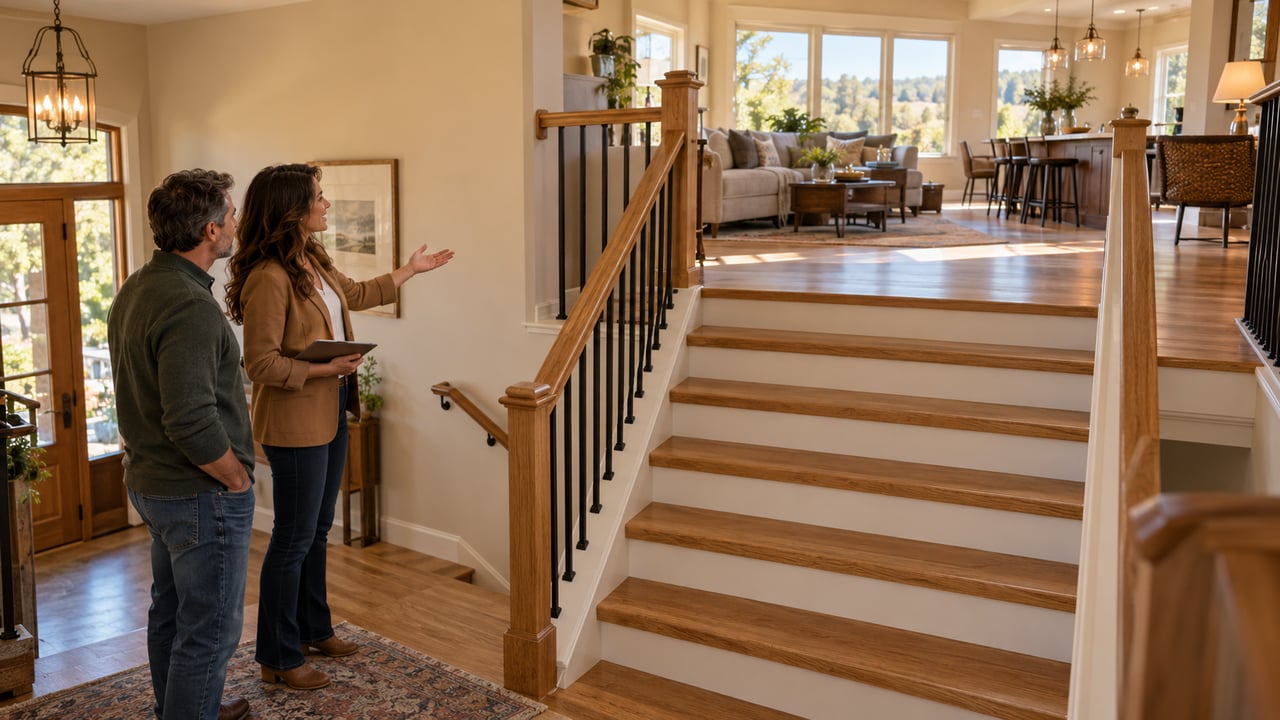
Help buyers understand the layout through accurate photos, clear descriptions, thoughtful showing access, and a property-specific selling plan.

Amber Johnson | October 15, 2026
Use price per square foot as context, then account for property type, location, views, condition, lot, and the limits of a small data set.

Amber Johnson | October 14, 2026
Consider beach access, wind, fog, parking, visitor activity, errands, and the routines that come with living near the shoreline.
Amber Johnson | October 14, 2026
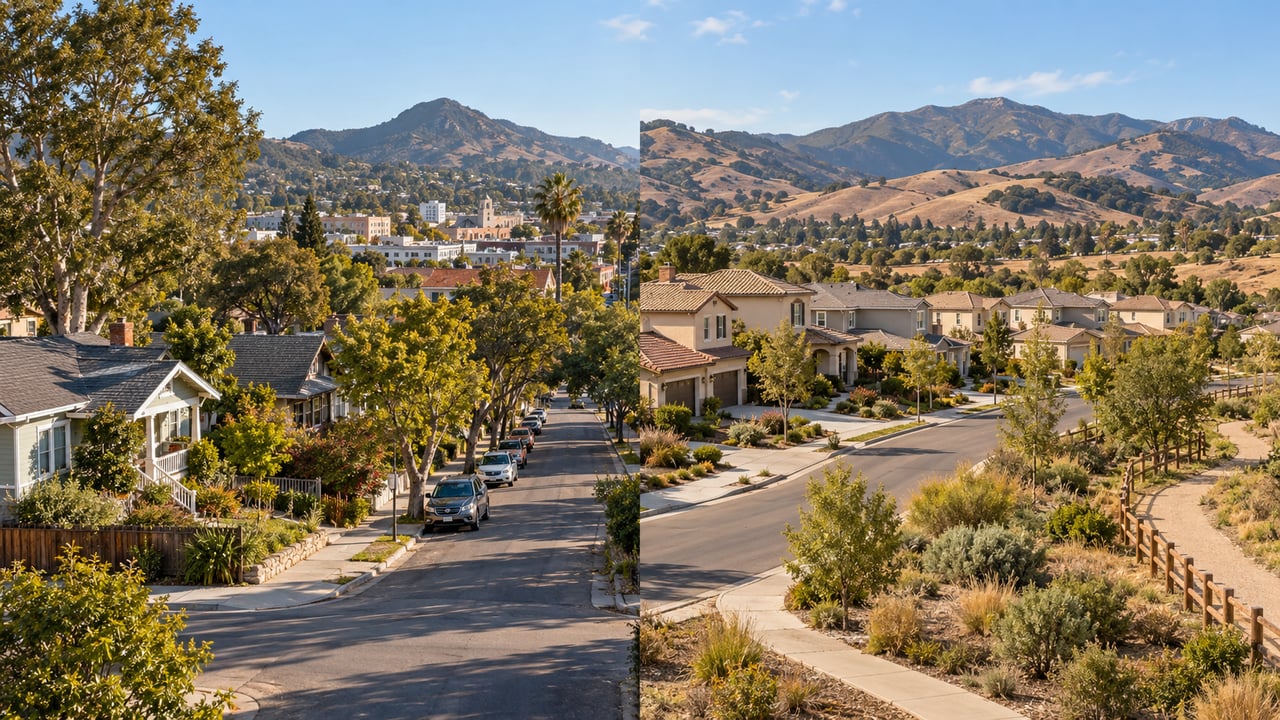
Compare street patterns, access, housing character, nearby services, outdoor options, and the routines each setting supports.
You’ve got questions and we can’t wait to answer them.
Amber Johnson, Founder
Pillar Real Estate
805.835.3425
DRE# 01925434
1345 Park Street
Paso Robles, CA 93446