Is Baywood Park a Good Fit if I Want to Walk to Local Shops?
November 2, 2026

November 2, 2026
Baywood Park may be a good fit if you want local shopping to be part of a walking routine. The deciding factor is the route from the particular home to the businesses you would actually use. Don't treat a Baywood Park address, a short distance on a map, or an appealing afternoon visit as proof that the routine will work.
Start by choosing your destinations. Then walk from the home, check the route in both directions, and see whether the trip fits your schedule and comfort level. A pleasant walk for a small purchase is different from completing every household errand on foot.
I'm Amber Johnson, founder of Pillar Real Estate in Paso Robles. I help buyers considering Los Osos and other SLO County communities connect their home search to daily life. If walking to shops matters to you, let's make that preference specific enough to evaluate.
Write down the places you want to reach. Do you mean a bakery, a lunch stop, occasional browsing, or the businesses that handle most of your weekly necessities? Those are different expectations.
The Los Osos/Baywood Park Chamber of Commerce includes shopping and dining in its visitor information. Its 2026 Festival of Flavor listing names Caliwala's 3rd Street bakery and High St. Deli among participating businesses. High Street Deli also publishes a Baywood Park menu.
Those give you specific destinations to investigate. They don't establish that every home is an easy walk from them or that every item on your shopping list is available nearby.
Check the current locations, offerings, and hours directly with the businesses you would use. Build your housing decision around confirmed destinations rather than an overall impression of a walkable village.
It is easy to park near shops, enjoy a short stroll, and leave with a positive impression. That tells you something about the outing. It doesn't tell you how the walk from a particular property works.
Begin at the home's actual entrance. Follow the route you would realistically use, including the approach from the door to the public area. Walk back too, carrying what you would normally bring home.
Notice where the route changes. A comfortable section near a destination doesn't establish the condition of the entire approach. Look at crossings, driveway entrances, surfaces, and where you would wait before crossing.
If a route is uncomfortable, don't assume a line on a map fixes it. Identify whether there is another practical route and test that one before counting the destination as walkable for you.
Walkability is personal. A route that suits one buyer may not suit someone using a mobility aid, pushing a stroller, carrying a heavier bag, or walking after a long workday.
Look at the whole trip with those needs in mind. Check changes in level, places to cross, available walking space, and the approach to the business entrance. Ask about access directly where you need more information.
Don't rely on a listing's description of the area as walkable to answer those questions. It is a useful preference to discuss, but it isn't a substitute for your own assessment.
If someone else in your household will make the trip regularly, include them in the test. The home should support the people who will use it, not just the person who attended the first showing.
A relaxed weekend visit may feel different from the time when you actually shop. Try the route on a representative weekday and at another time that matters to your household.
Notice vehicle movement, visibility, lighting, activity near business entrances, and anything that changes how comfortable you feel. Keep your observations tied to the specific route and visit.
Don't assume one quiet visit means the area is always quiet. Don't assume one busy visit represents every day either. A second look helps you ask better questions without making broad claims about the neighborhood.
Also check whether the businesses are open when you want to go. A convenient destination that doesn't fit your schedule may be an occasional benefit rather than part of your ordinary week.
Think about what you would carry home. A loaf of bread or a light shopping bag creates a different trip from a larger grocery purchase or household supplies.
Try a representative load if it is practical and comfortable. Include your usual bag, jacket, or other items. The return trip is the part buyers sometimes leave out when they picture walking to shops.
Then list the errands that would still require another form of transportation. Check their actual locations and the way you would combine them. You don't need every errand to be walkable for the neighborhood to be a good fit.
You do need an honest picture of which trips the location could replace. That prevents a pleasant local-shopping routine from becoming an unsupported assumption that you can manage the whole week without driving.
Visit in more than one set of conditions when possible. Notice how the route feels with the clothing and bag you would normally carry, and how comfortable you are on the return.
Consider whether you would still choose the walk when the weather differs from the day you toured. A routine you enjoy only in ideal conditions may still be worthwhile, but it deserves a different place among your priorities.
My article on how coastal fog can shape everyday life in Los Osos offers more context for evaluating your plans. Use it alongside actual visits rather than assuming the experience will be identical at every home.
Keep the decision practical. You are looking for a route you would willingly repeat, with a workable alternative for days when walking doesn't suit your needs.
A planning map, future project, or neighborhood discussion can be useful background. It doesn't establish the walking conditions you can use today.
When evaluating a route, distinguish existing features from proposed changes. If an improvement matters to your purchase decision, ask the responsible agency about its status instead of assuming it will be completed on your timeline.
Base your decision on the route you can inspect. If a missing connection is the difference between a comfortable trip and one you wouldn't use, treat that as a current limitation.
This doesn't require predicting the neighborhood's future. It means choosing a home that works under the conditions you can confirm, while keeping any future benefit separate from the reasons you are ready to buy.
Baywood Park may appeal because of particular businesses or the kind of local outing you want. Another Los Osos location may be closer to a different set of destinations that better matches your week.
My comparison of Baywood Park and central Los Osos can help organize that broader choice. For this decision, take the next step and compare actual routes from actual homes.
Use the same destination list and the same standards for each property. That makes the comparison more useful than deciding that an entire area is walkable or that another area isn't.
You may discover that a slightly longer route you enjoy is more valuable than a shorter route you avoid. Or you may prefer a home with a different daily setup and make local shopping a planned outing.
A good shopping route is one housing benefit. The home still needs to work for your layout, storage, parking, work arrangements, and upkeep expectations.
Spend time inside the rooms you would use most. Think about where shopping bags, shoes, and outdoor layers would go when you return. Look at the actual entrance and how it connects to the kitchen or living area.
Review property condition and any shared responsibilities with the appropriate professionals. Don't let a location you like become a reason to skip the ordinary property checks.
For a wider view of the area, my article on Los Osos lifestyle can help you consider other priorities. Then give each priority an appropriate place in your decision.
Choose one nearby business you expect to use regularly. Confirm its current location and hours, leave from the property, complete the walk, and return without rushing.
Write down what worked. Note the route, what you carried, the conditions, and anything that made you uncomfortable. A simple record helps you compare properties without relying on which showing felt nicest.
Repeat the exercise for another destination or time if walking is a major reason for the move. One successful outing is useful evidence, but it doesn't answer every part of your weekly routine.
If you find an obstacle, decide whether the alternative is acceptable now. Don't turn an unresolved route issue into a promise that you will get used to it after moving.
Baywood Park can be worth considering if you want to walk to local shops, especially when your preferred businesses and an enjoyable route line up with a home that meets your needs.
The answer comes from the specific property and the trips you would actually make. Verify destinations, test the full approach, account for what you carry, and keep the rest of your errands in the picture.
At Pillar Real Estate, I help buyers turn preferences like walkable shopping into practical home-search questions. We can compare the homes and locations that support what you actually want from life in Los Osos.
Considering a home in Baywood Park? Visit Sell With Amber to start a conversation about a home and daily routine that make sense for your goals.
Amber
Pillar Real Estate | Amber Johnson, Founder
805.835.3425 | [email protected]
1345 Park St. Paso Robles, CA 93446 | DRE# 01925434
Amber Johnson | November 2, 2026
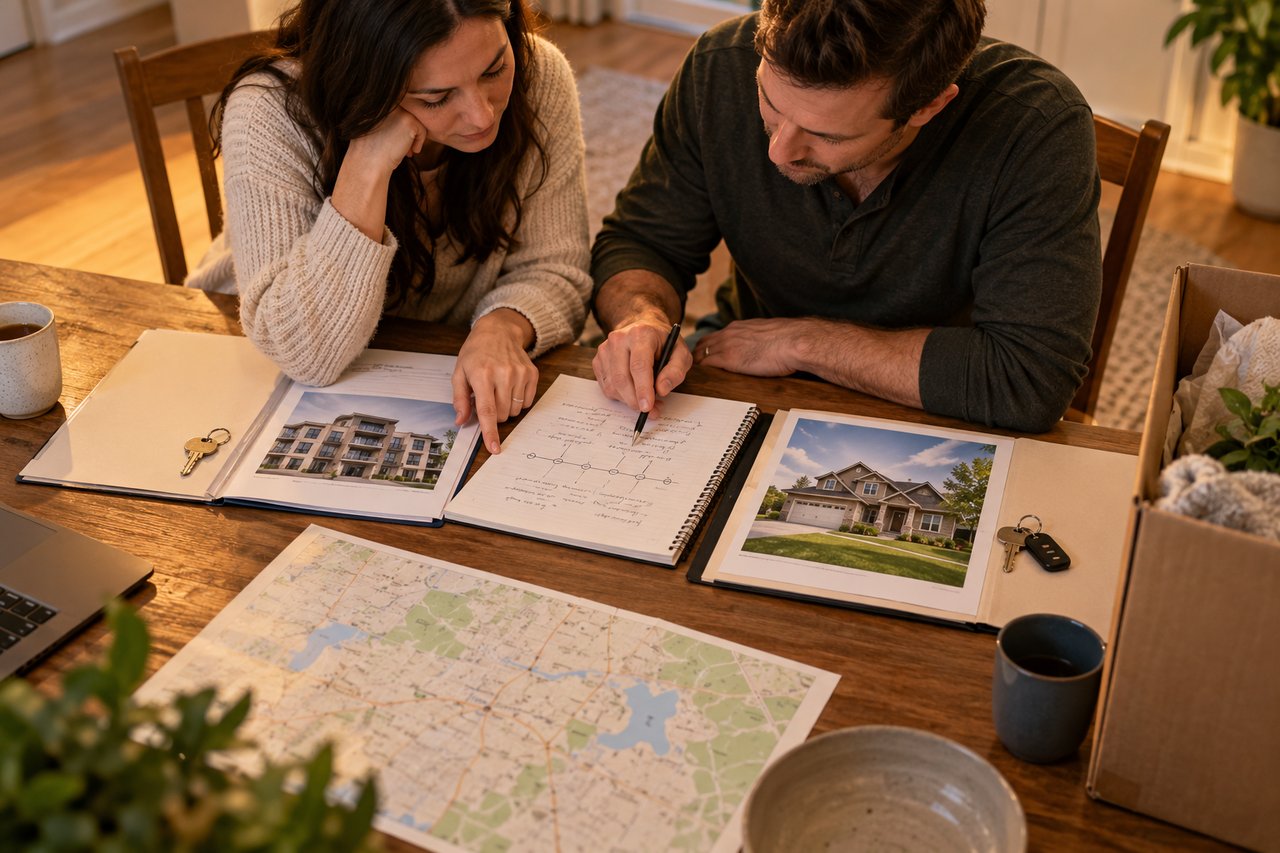
Compare timing, rental availability, moving costs and what you need to learn before deciding whether to rent first.
Amber Johnson | November 2, 2026
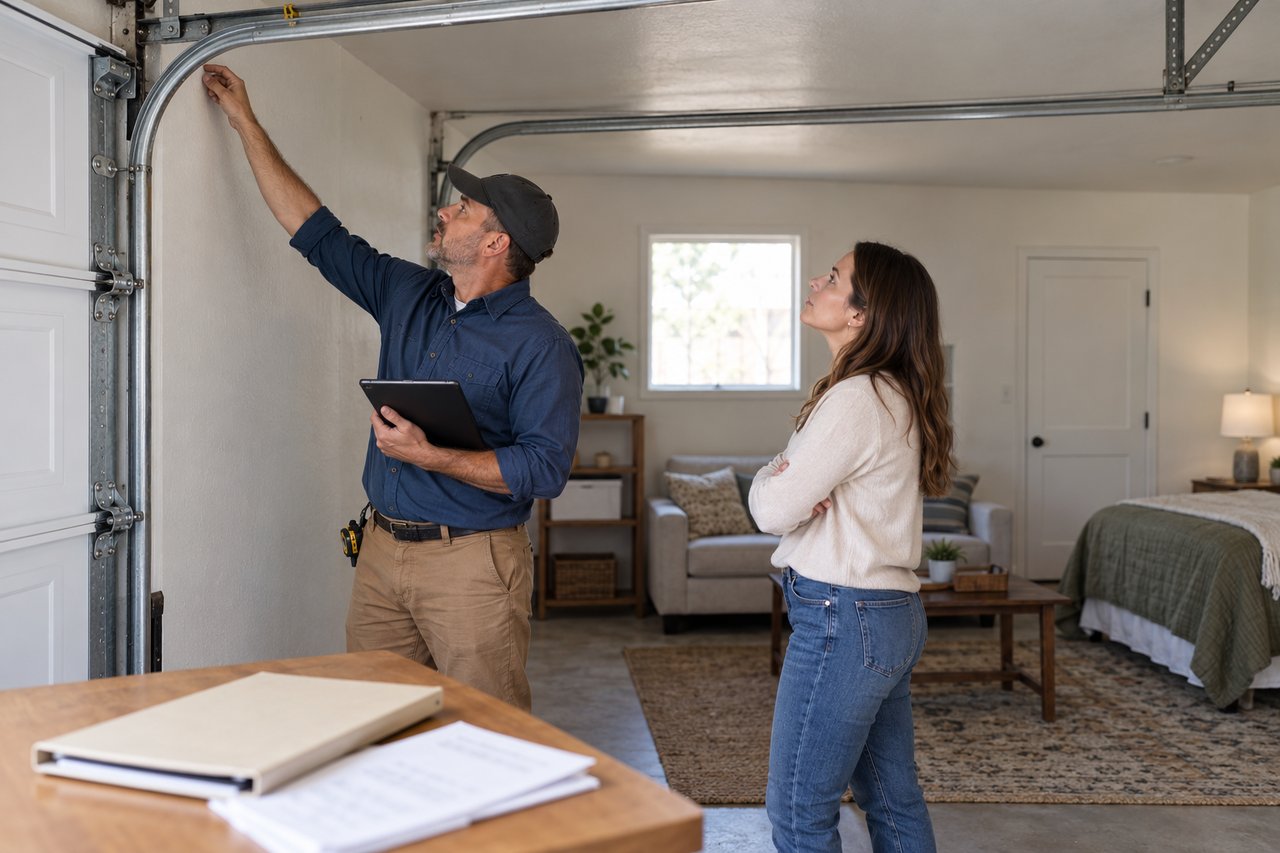
Review permits, condition and intended use before counting a converted garage as living space.
Amber Johnson | November 2, 2026
Walk the route from a specific home to the businesses you would actually use.
Amber Johnson | November 1, 2026
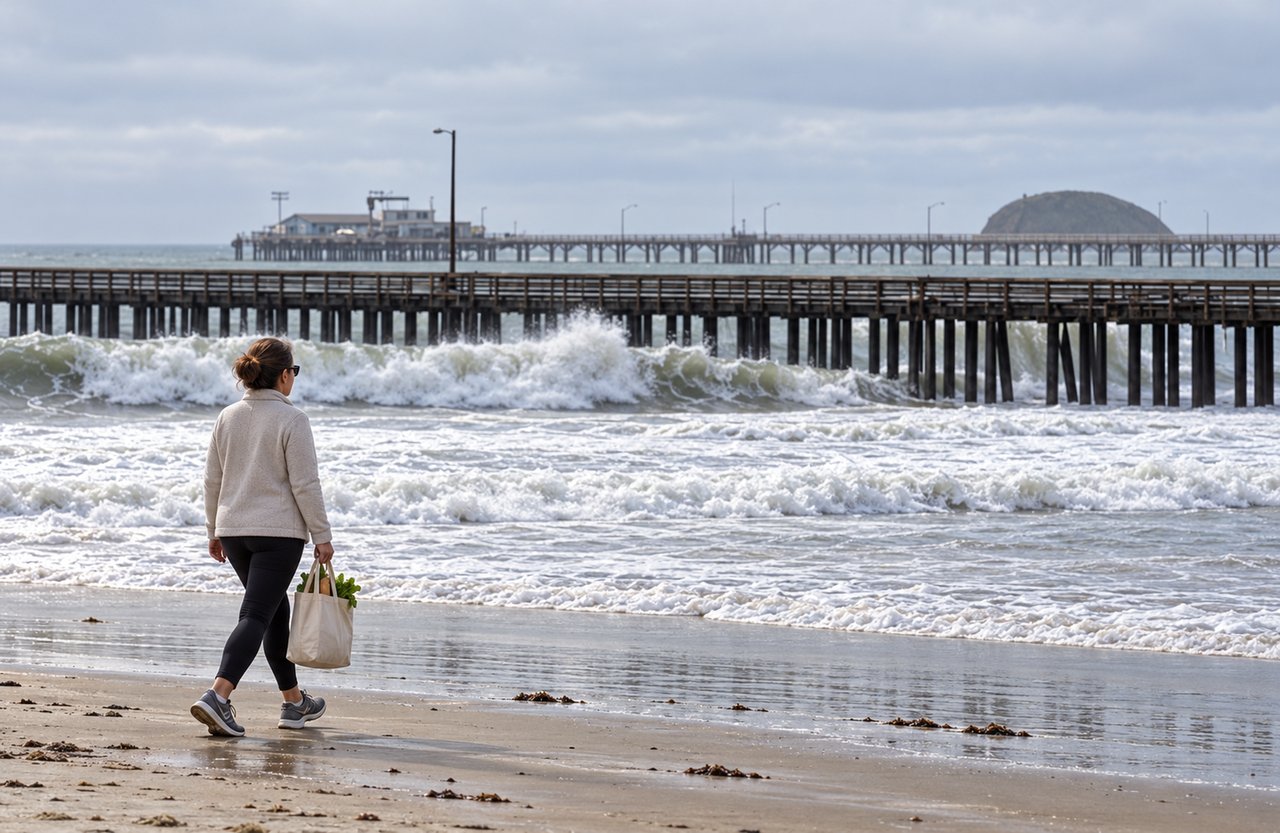
Consider shoreline activity, daily errands and the pier's current access when evaluating a nearby home.

Amber Johnson | November 1, 2026
Test station access and current rail service against the trips you actually need to make.
Amber Johnson | November 1, 2026
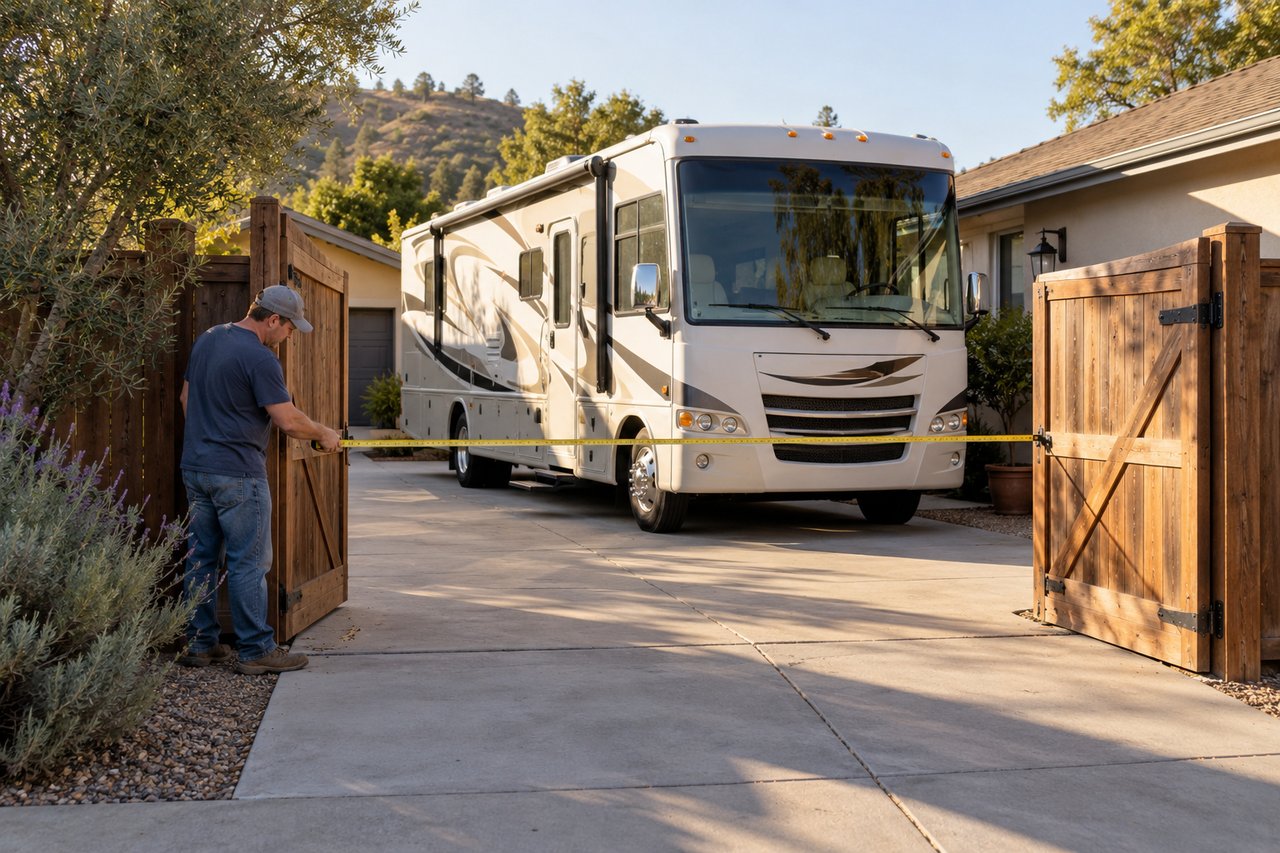
Check the exact property's space, access and applicable rules before choosing a home around RV storage.
Amber Johnson | November 1, 2026
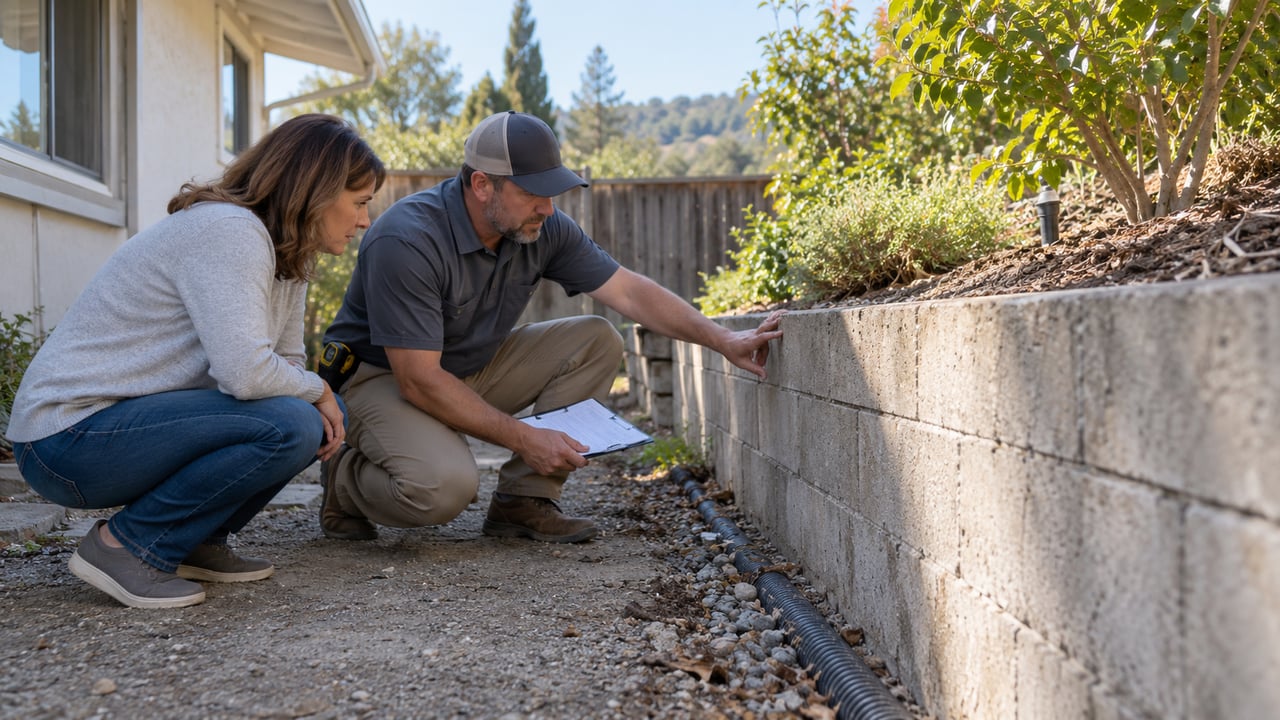
Review the wall's condition, drainage and documentation before deciding whether repair belongs in your sale plan.
Amber Johnson | November 1, 2026
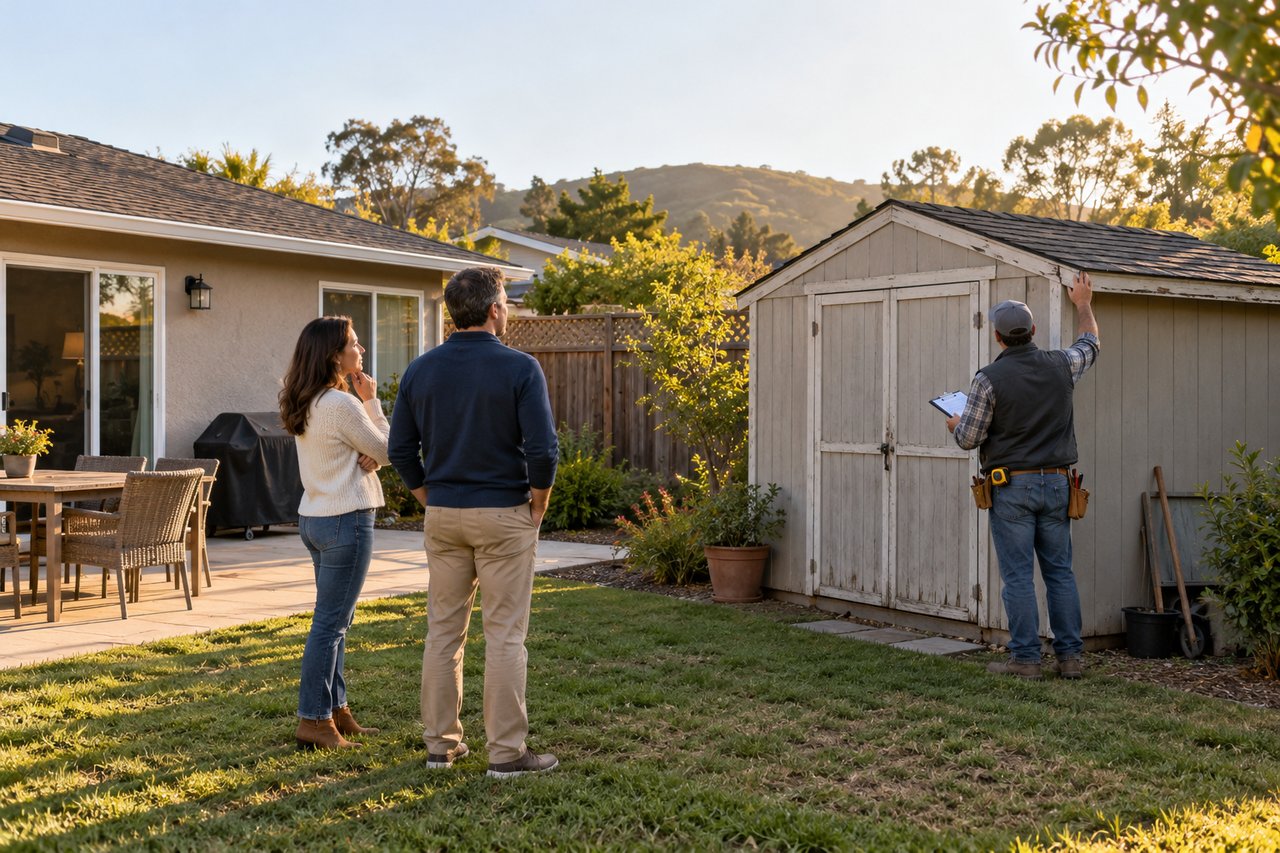
Review condition, placement, permits, usefulness and removal cost before deciding whether the shed helps or distracts from the sale.
Amber Johnson | November 1, 2026
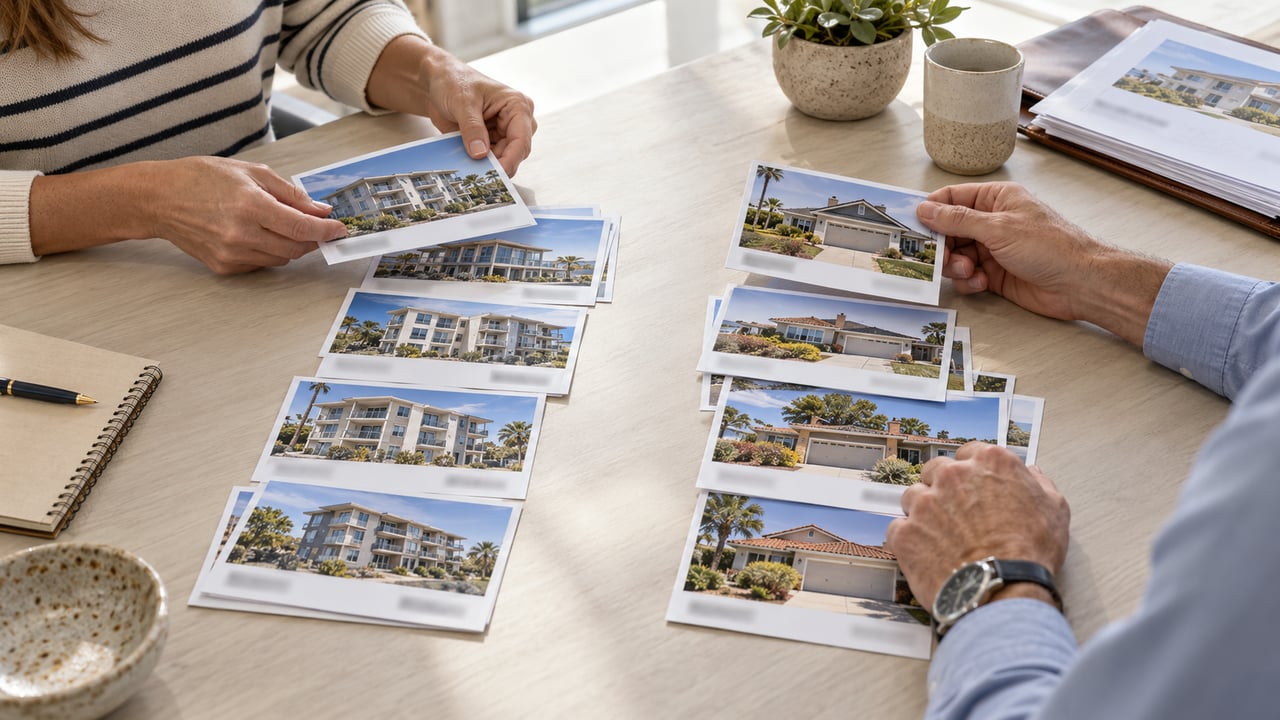
Separate the asking-price mix from closed-sale evidence before drawing conclusions about value.
You’ve got questions and we can’t wait to answer them.
Amber Johnson, Founder
Pillar Real Estate
805.835.3425
DRE# 01925434
1345 Park Street
Paso Robles, CA 93446