How Should I Market a Paso Robles Home with a Seasonal Creek?
October 12, 2026
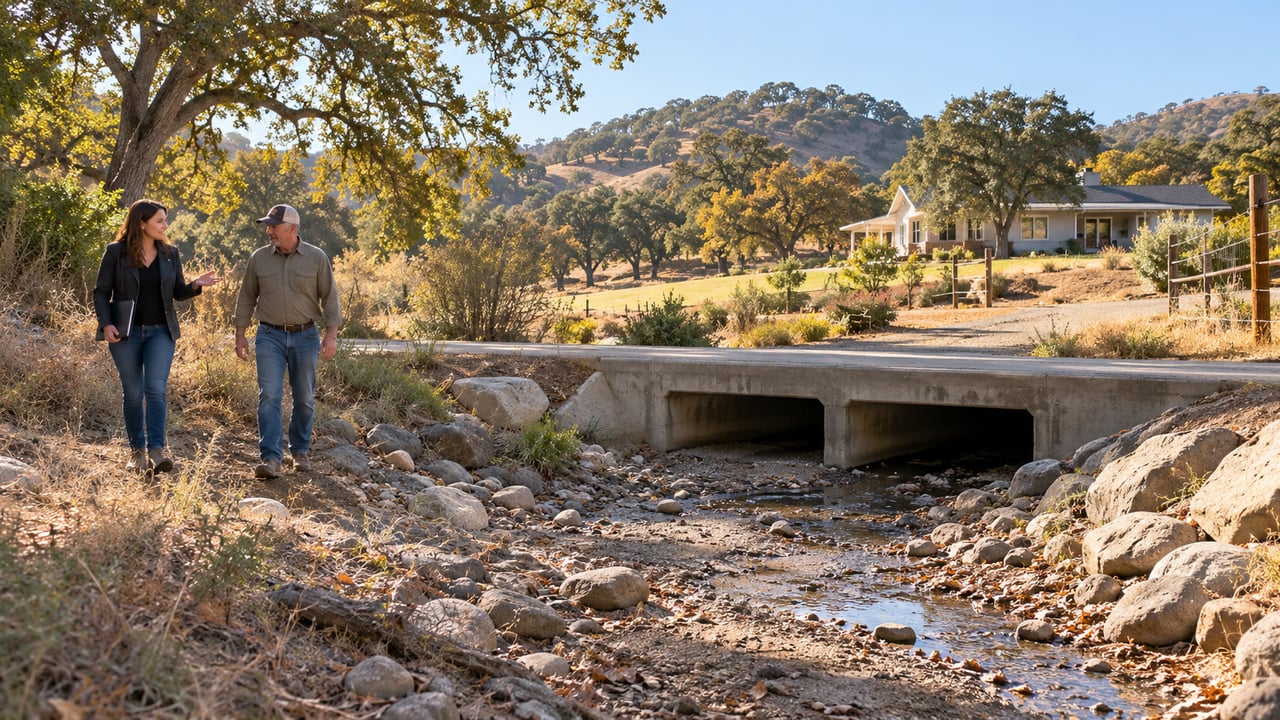
October 12, 2026
Market the creek as part of the property's setting, with a clear explanation of its seasonal behavior and practical responsibilities. Show buyers where it sits, how it relates to the home and driveway, and what records they can review. Then give them room to verify drainage, access, insurance, and maintenance questions before making decisions.
A seasonal creek can be an appealing part of a Paso Robles property. It can also raise questions that a pretty photo won't answer. The right strategy makes both sides understandable.
I'm Amber Johnson, founder of Pillar Real Estate in Paso Robles. I help homeowners, moving families, rightsizing sellers, and families handling inherited properties prepare for a sale. For a property with a creek, preparation starts with the land itself. Before spending on cosmetic updates, let's find out what buyers actually need to understand.
The first question isn't whether the creek looks attractive. It's how the creek affects the property a buyer would own and use.
Walk the property with your agent. Identify the channel, the house, outdoor living areas, fences, driveway, and any crossing. Notice whether buyers can understand those relationships from ordinary showing locations. If they can't, your photography and supporting information need to do that work.
Separate what you've personally observed from what a professional has evaluated. You may know that water appeared after particular storms. That doesn't establish the channel's capacity or predict what will happen during a different storm.
Make a short list of unanswered questions. Does the driveway cross the creek? Who maintains that crossing? Are portions of the land difficult to reach when water is present? Do available records describe drainage work or access rights? A useful marketing plan starts with those specific details.
For broader context, my explanation of what makes selling a rural Paso Robles property different covers why land, access, and utilities need attention alongside the house. Your creek belongs in that same property-specific preparation process.
Use plain language. If the channel is seasonal, say so. Don't call it a year-round creek because an older photo shows water. Don't describe it as permanently dry because it's dry when the listing launches.
Past photos can help explain the setting when their timing and context are clear. Label them as historical images and identify when they were taken if you know. Keep current photographs in the listing so buyers can see today's condition.
Be careful with reassuring statements such as "it never floods" or "water only runs for a few days." Those statements can sound like guarantees. Describe known observations accurately and share relevant records through the appropriate transaction process.
What if you've owned the home for decades? Your experience matters, but it still has limits. A written record of what you remember, supported by available photos or invoices, is more useful than an absolute claim about future conditions.
If you're handling an estate or selling from out of the area, don't fill gaps with assumptions. Tell your agent what you know, what documents you have, and what remains unknown. We can build the preparation plan around that information.
A buyer shouldn't have to piece together the creek's story from scattered conversations. Create one organized folder for the information you already have.
This is an information checklist, not a statement that every property has or needs each document. Your agent can help identify which questions deserve professional review. A surveyor, engineer, title professional, insurance professional, or appropriate agency may need to answer different parts.
Keep dates and scope attached to each record. An invoice for clearing debris doesn't prove that a crossing has been evaluated for every possible condition. An old report may not describe changes made afterward.
The same preparation principle applies to utilities. If the property also has a shared well, organizing shared-well information before selling can help you create a separate, clear explanation. Don't let the creek conversation replace questions about the property's other systems.
A creek near the back of a parcel raises different marketing questions from a creek beneath the only driveway. Show buyers the actual arrangement.
If access involves a culvert or bridge, gather available information about its condition and maintenance. If you know of damage, washouts, standing water, or interrupted access, discuss those facts with your agent before launch. Don't cover a concern with a flattering camera angle.
When a condition needs evaluation, get advice from an appropriate professional. An agent can organize the sale and help frame buyer questions. We shouldn't certify a crossing's engineering or diagnose drainage from a photograph.
Ask what a buyer will need to investigate and how that investigation fits your timeline. A pre-listing assessment may make sense when there's a specific unresolved concern. Its value depends on the property, scope, cost, and your goals.
Also clarify where vehicles and visitors can safely go during showings. Don't invite buyers to drive through water or walk an unstable bank for a better view. The showing route should explain the property without exposing people to an avoidable hazard.
It's tempting to clean up everything before photos. Near a creek, get advice before moving soil, changing banks, removing material, or altering a crossing.
California's streambed rules can apply to waterways that are dry for part of the year. Certain activities affecting flow, the channel, or the banks may require notification to the California Department of Fish and Wildlife. Whether particular work needs review depends on the activity and site.
Check with the appropriate agencies and qualified professionals before starting work. Local requirements may also matter. Don't assume that calling something routine maintenance settles the question.
For marketing preparation, start with ordinary presentation of the home and accessible viewing areas. Keep records for work already completed. If a professional recommends repairs, compare the scope and timing with your selling goals before committing.
Here's the thing: a tidy creek bank isn't a substitute for clear information. Sellers can spend money creating a prettier photo while leaving the buyer's most important question unanswered. I'd rather identify that question first.
Your photo sequence should connect the creek to the home. Include an overall view, a clear view of the channel, and the crossing if there is one. Buyers should understand the layout without guessing how separate images fit together.
Choose angles that show scale. A close-up of moving water may look appealing but say little about the property's daily use. Include enough surrounding context to show the bank, driveway, house, or outdoor area when relevant.
Don't digitally add water, reshape the channel, erase a crossing concern, or imply access that hasn't been verified. Professional photography should present the property well while accurately representing it.
If you have useful historical seasonal photos, present them distinctly from current listing images. Video can also explain the route from the driveway to the home and the creek's position. Keep narration factual.
For properties with mature trees around the channel, the advice in marketing a Paso Robles home with mature oak trees can help with the surrounding setting. The creek and trees may appear together, but each deserves its own condition and maintenance explanation.
Lead with the whole property. A buyer is choosing a home and a way of living, not just a water feature. Show the house, usable outdoor areas, access, and setting in a coherent sequence.
Then explain the seasonal creek in proportion to its role. If it creates a distinct outlook, show that outlook. If it divides parts of the parcel, explain how those areas are reached. Don't describe every acre as equally usable without support.
Keep public advertising focused on verifiable features. More detailed records can be made available through the appropriate process. The listing, agent conversations, showing instructions, and supporting documents should tell a consistent story.
Buyers comparing an in-town neighborhood with rural acreage in Paso Robles may be weighing maintenance and access alongside privacy and space. Your marketing should help them understand the responsibilities attached to this particular property.
Digital exposure matters, but it needs accurate material behind it. At Pillar Real Estate, my approach starts with the property, its likely buyer questions, and your priorities. More views won't fix an explanation that leaves buyers confused.
Expect buyers to ask about flood risk, even when the creek is dry. Gather available hazard information and give buyers a clear route to verify it independently.
FEMA's Flood Map Service Center is the official source for federal flood mapping products. A map is part of the review. It doesn't replace site-specific drainage evaluation or establish that a property outside a mapped high-risk area has no flood risk.
Buyers should discuss coverage and requirements with their insurance professional and lender. Don't promise that insurance will be available at a particular price or that a lender won't require additional review.
Your marketing role is to keep the information clear and the questions visible. If records disagree or the location of a structure is uncertain, identify the issue before making a confident statement. An unresolved question needs investigation, not a stronger adjective.
Don't add a fixed premium for a creek or assume it automatically reduces value. Pricing needs relevant comparable properties and a careful assessment of the home, land, condition, access, and available information.
My rural-property work includes a 30-plus-acre sale in Templeton. That experience reinforces why a land feature has to be understood within the whole property. One feature doesn't explain every buyer's decision.
Review how competing listings present their acreage and responsibilities. Then consider whether your preparation budget is better spent on presentation, a targeted evaluation, or gathering missing records. It depends on your situation.
Once the listing is active, track the questions buyers repeatedly ask. If several people misunderstand the creek's location or seasonality, improve the explanation. If a genuine condition concern emerges, address it through the appropriate professional and transaction process.
Feedback should guide clearer communication. It shouldn't lead to changing facts or minimizing a known issue.
Start with a property walk and a records review. Identify what you know, what you can document, and what needs further evaluation. Decide on any preparation work only after those questions are clear.
Next, build a photo and showing plan that accurately connects the creek, crossing, land, and home. Write a plain seasonal description. Make sure everyone presenting the property uses the same verified information.
Finally, price and market the complete property for buyers who understand its setting and responsibilities. A creek can be part of what makes a Paso Robles home appealing. Clear preparation helps buyers decide whether that property makes sense for their goals.
If you're thinking about selling a Paso Robles home with a seasonal creek, let's start with your property and your priorities. I'll help you sort the preparation questions and build a marketing plan from start to finish.
Amber
Pillar Real Estate | Amber Johnson, Founder
805.835.3425 | [email protected]
1345 Park St. Paso Robles, CA 93446 | DRE# 01925434
pillarrealestate.com
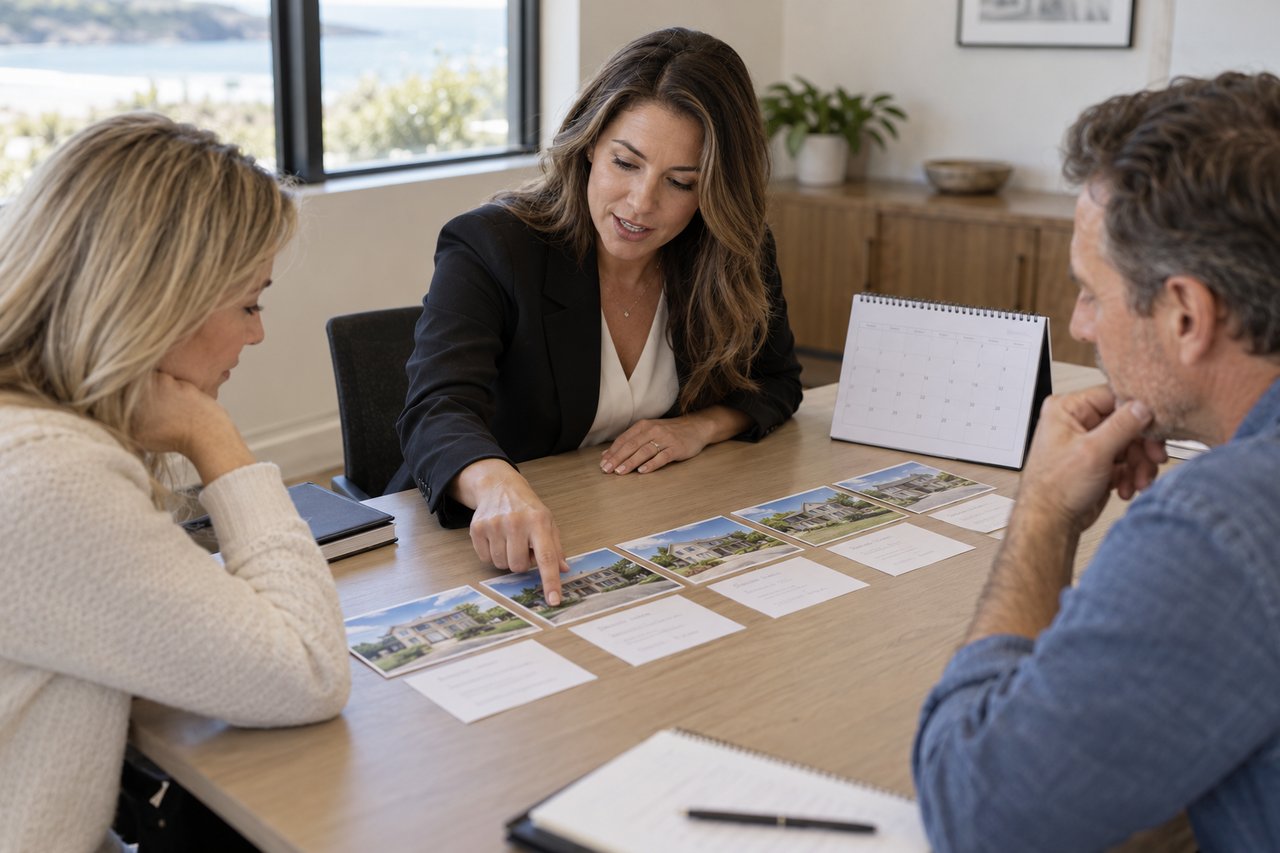
Amber Johnson | October 30, 2026
Use days on market with price changes, property condition and local competition before deciding how much negotiating room exists.
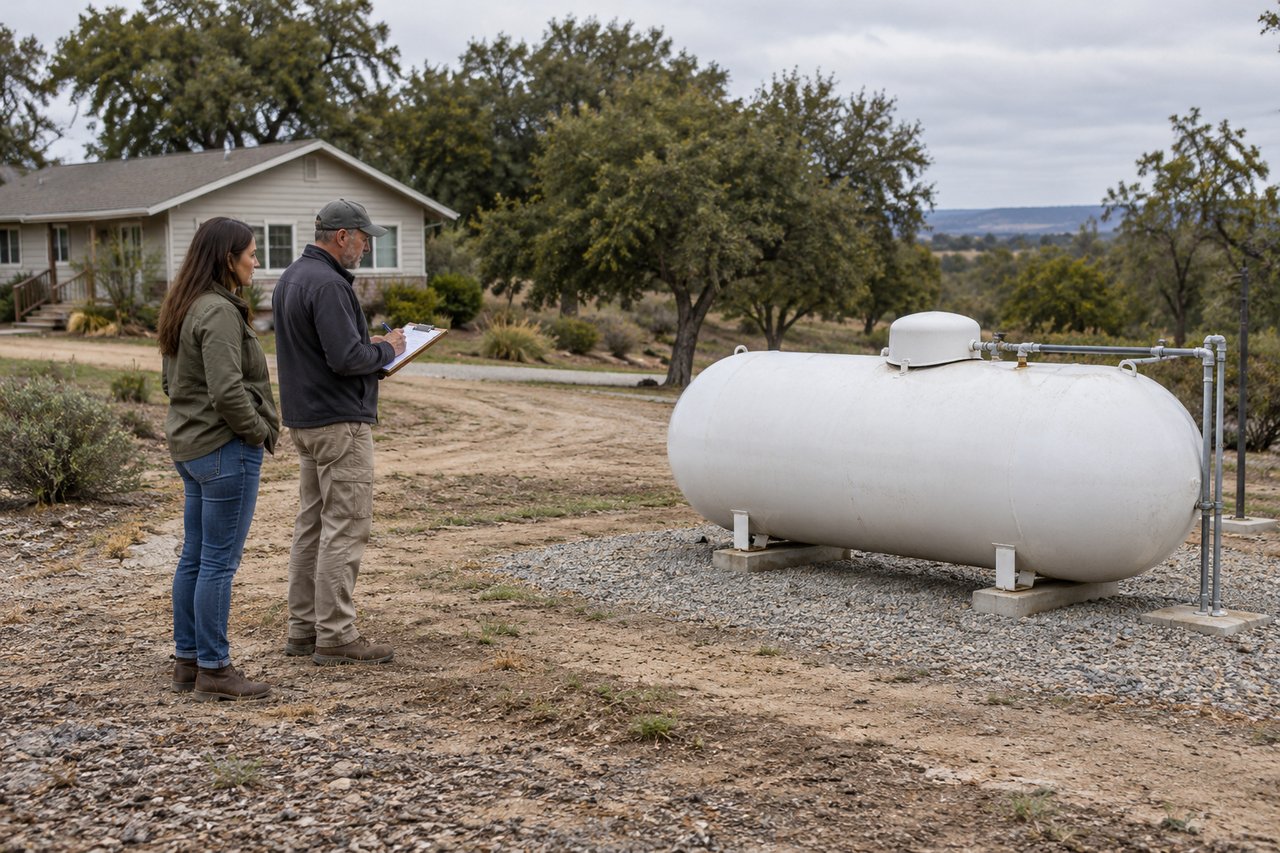
Amber Johnson | October 29, 2026
Confirm ownership, records, fuel access, tank condition and service history before relying on propane at the property.
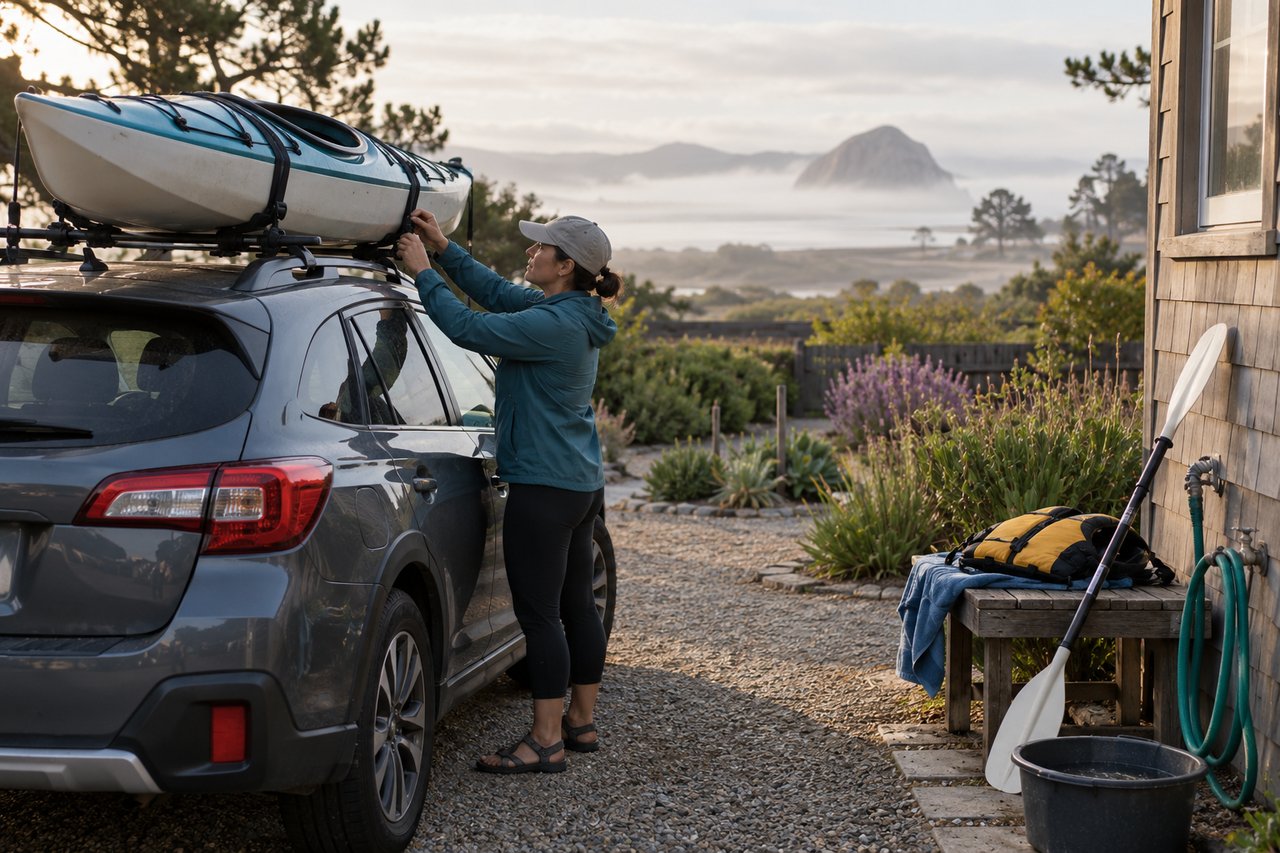
Amber Johnson | October 29, 2026
Compare bay access, storage, weather, cleanup and weekday timing before making paddling part of your routine.

Amber Johnson | October 29, 2026
Test the route, schedule, lighting and daily errands from the exact homes and workplaces you are considering.

Amber Johnson | October 29, 2026
Lead with privacy and setting, then answer access, address visibility and driveway questions before buyers have to ask.

Amber Johnson | October 29, 2026
Show buyers how the space functions, improve access and frame realistic outdoor uses without overselling it.

Amber Johnson | October 28, 2026

Amber Johnson | October 28, 2026

Amber Johnson | October 26, 2026
You’ve got questions and we can’t wait to answer them.

Amber Johnson, Founder
Pillar Real Estate
805.835.3425
DRE# 01925434
1345 Park Street
Paso Robles, CA 93446