Is an In-Town Neighborhood or Rural Acreage a Better Fit in Paso Robles?
October 7, 2026
October 7, 2026
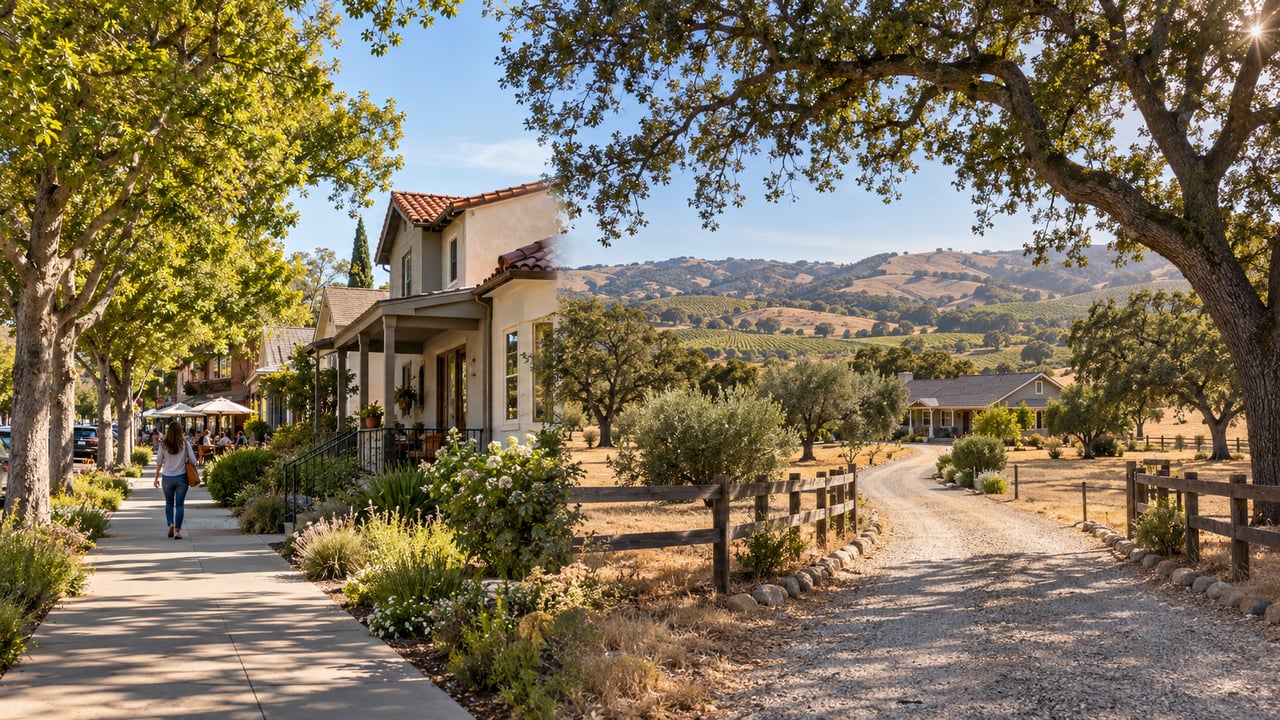
The better fit depends on the way you want to live every day. An in-town Paso Robles neighborhood usually makes restaurants, errands, schools, parks, and community events easier to reach. Rural acreage gives you more space, privacy, separation from neighbors, and room for uses that may not fit on a typical residential lot. Neither choice is automatically better. The right answer comes from comparing your real routine with the maintenance, utilities, access, and property responsibilities each setting brings.
Here’s the thing. Buyers often picture the best moment of each lifestyle. In town, that may be walking to dinner or getting across town quickly. On acreage, it may be sitting under an oak tree with no nearby rooftops in view. Those moments matter, but they are only part of the decision. The home that works best is the one that supports an ordinary Tuesday just as well as a relaxed Saturday.
Before comparing houses, write down what you do during a normal week. Where do you work? How often do you drive to school, appointments, groceries, restaurants, or activities? Do you like being close to neighbors, or do you recharge with more space around you? Would you use extra land for animals, gardening, storage, a workshop, or simply privacy?
This keeps the decision grounded. A beautiful rural property can be a poor fit if every extra drive feels inconvenient. A charming in-town home can feel tight if your hobbies, vehicles, animals, or equipment need more room. The property should make your routine easier, not force you to redesign your life around it.
In-town living is usually about convenience and connection. Many neighborhoods put daily needs within a short drive, and some locations make it practical to walk or bike to downtown, parks, restaurants, or community events. If you value spontaneous plans, shorter errand trips, or an easy route to school and work, that access can be a meaningful quality-of-life benefit.
The closer you are to the places you use, the less planning everyday tasks may require. Picking up dinner, meeting a friend, attending an event, or running one quick errand can feel simpler. This is one reason buyers researching the pros and cons of living near downtown Paso Robles should pay attention to the exact block, not just the distance shown on a map.
In-town properties may also offer more familiar public-service connections. That does not mean every house has the same systems or costs, so buyers still need to review disclosures and verify the property. It does mean the ownership experience can feel more straightforward when the home is on a typical residential lot with fewer land-related systems to manage.
Convenience comes with compromises. Lots are often smaller. Homes may sit closer together. Street activity, traffic, parking, nearby businesses, or community events can create more sound and movement than you would find outside town.
Privacy also changes from one street to the next. A fenced backyard can feel private, but it is different from having open land between you and the next home. If you want room for several vehicles, recreational equipment, a large garden, animals, or a substantial outbuilding, the specific property may limit those plans.
Do not assume every in-town location feels the same. Visit at different times. Look at parking, street width, traffic patterns, neighboring uses, and the route you would actually take. A house can be close to downtown but still feel quiet and residential. Another can be close to the same destinations yet feel much busier.
Rural acreage is usually about space and autonomy. You may have more separation from neighbors, more usable outdoor area, and greater flexibility for the way you live. For some buyers, that means animals or a garden. For others, it means equipment storage, a detached shop, room for guests, or simply a quieter setting.
The emotional appeal is real. Morning coffee can feel different when the view is open land instead of the house next door. You may hear more wildlife and less street activity. You can create distinct areas for work, recreation, and outdoor projects. Buyers wondering about the less obvious benefits of Paso Robles acreage often discover that the value is not just lot size. It is how the space changes their routine.
That flexibility is especially useful when it matches a clear purpose. If you already know how you would use the land, acreage may support your goals in a way an in-town lot cannot. If the extra space is only appealing in theory, it is worth asking whether you want the work that comes with it.
More land usually means more responsibility. Roads, fencing, vegetation, drainage, wells, septic systems, propane, outbuildings, and fire-safety work may all need attention depending on the property. Some homes will have only a few of these features. Others will have many.
This is where buyers need to slow down. Review the property’s actual systems and condition instead of applying a generic acreage checklist. Ask how water is supplied. Understand wastewater service. Look at the driveway in dry and wet conditions when possible. Review access, easements, recorded documents, permits, insurance considerations, and maintenance history with the appropriate professionals.
If you are deciding whether rural Paso Robles living is right for you, focus on both the setting and the systems. A property can be peaceful and beautiful while still asking more from its owner than an in-town home.
The monthly payment is not the entire housing budget. In town, you may have a smaller lot but different service charges, parking needs, or neighborhood-related costs. On acreage, your budget may need room for vegetation management, road upkeep, fencing, equipment, water-system service, septic work, fuel, or repairs to outbuildings.
Not every rural property will create every expense, and costs can vary widely. The right approach is to inspect the specific home, identify its systems, and build a realistic ownership plan. A useful starting point is understanding the categories that can affect acreage maintenance costs in Paso Robles.
Time is part of the cost too. Do you enjoy working outside and managing projects? Would you rather hire people to handle the property? Are qualified vendors available for the systems you will own? A larger property may be worth the effort, but the effort should be part of the decision from the start.
Utility questions can change the comparison quickly. An in-town home may connect to familiar public utilities, but buyers should still confirm what serves the property and review costs. Rural homes may rely on a well, shared well, septic system, propane, solar, or a combination of services.
Do not treat those systems as automatic problems. Many rural owners are comfortable with them. The issue is whether you understand what you are buying. Ask for records. Complete appropriate inspections. Learn where key components are located and who services them. If a system is shared or governed by an agreement, read that agreement carefully.
The goal is clarity. When buyers know how the property works, they can decide whether the responsibility makes sense for their goals instead of reacting to unfamiliar terms.
A rural home may be only a few miles from town, yet the drive can feel different because of road type, gates, weather, school routes, or the location of the driveway. An in-town home may be geographically close to your destination but sit on a route that is busy at the times you travel.
Drive the route you expect to use. If possible, test it during your normal commute or school schedule. Notice cell service, road condition, lighting, traffic, turns, and how easy it is to enter and leave the property. Think about deliveries, guests, service providers, and emergency access too.
A map tells you distance. It does not tell you how the route feels every day.
Your current routine matters, but so does the direction your life is moving. Are you planning to work from home more often? Do you expect children, older family members, animals, or hobbies to change your space needs? Would a smaller lot reduce your workload, or would it leave you wishing you had room to grow?
Also consider how long you want to own the property. If this is a shorter-term move, simplicity and resale appeal may carry more weight. If you expect to stay for many years, the land, privacy, or location may justify more maintenance because you will use those benefits consistently.
There is no universal five-year rule. The point is to avoid choosing only for today’s best feature.
In-town and rural homes attract overlapping but different buyer priorities. An in-town buyer may put more weight on location, walkability, school routes, lot usability, parking, and nearby activity. An acreage buyer may focus on access, water, land use, fencing, outbuildings, privacy, and the condition of property systems.
Neither property type guarantees an easier resale. Condition, price, presentation, documentation, and demand all matter. A well-positioned rural property can be very compelling to the right buyer. A well-located in-town home can attract buyers who value convenience. The right strategy is specific to the home and its likely buyer pool.
This is where local guidance matters. Pillar Real Estate looks at the actual property, nearby competition, and what buyers are asking before recommending a plan.
When you tour properties, score each one on the same questions:
Then separate must-haves from preferences. “I need space for two horses” is a must-have. “I like the idea of more land” is a preference until you define how you will use it. “I need to be close to work” becomes useful only after you decide what drive time feels reasonable.
Choose an in-town neighborhood if convenience, shorter trips, community access, and a more contained property matter most. Choose rural acreage if privacy, usable land, separation, and room for specific goals outweigh the extra driving and maintenance.
If you are still split, spend time in both settings. Tour more than one property in each category. Compare the route, not just the house. Look at the systems, not just the view. Picture the work as clearly as the reward.
The right fit should feel good and make practical sense. That is the standard.
Thinking about buying in Paso Robles and deciding between an in-town neighborhood and rural acreage? I’ll help you compare the properties, systems, routes, and daily tradeoffs so your choice makes sense from start to finish.
Amber
Pillar Real Estate | Amber Johnson, Founder
805.835.3425 | [email protected]
1345 Park St. Paso Robles, CA 93446 | DRE# 01925434

Amber Johnson | November 13, 2026
Amber Johnson | November 13, 2026
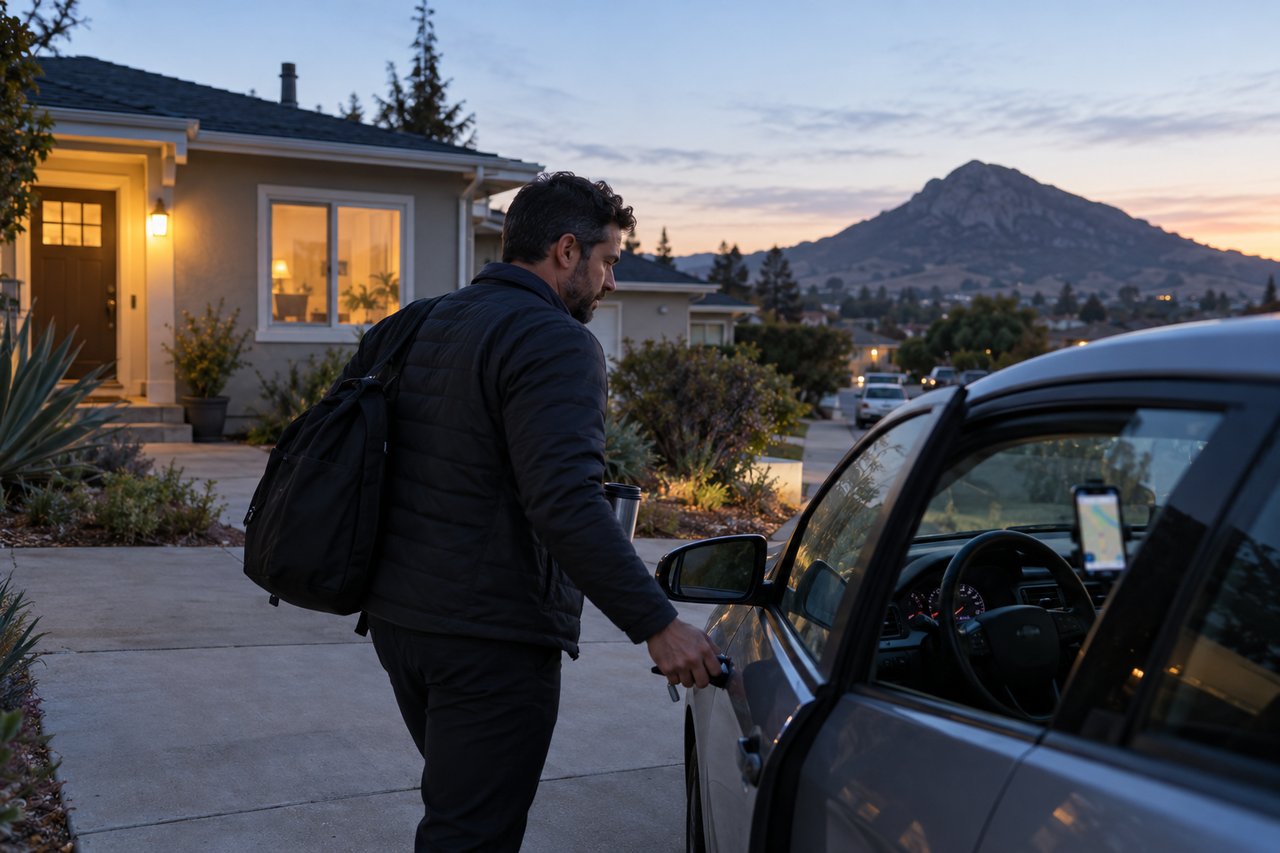
Test the route, schedule, backup plans and the trip from a specific home before deciding whether the commute fits.
Amber Johnson | November 12, 2026
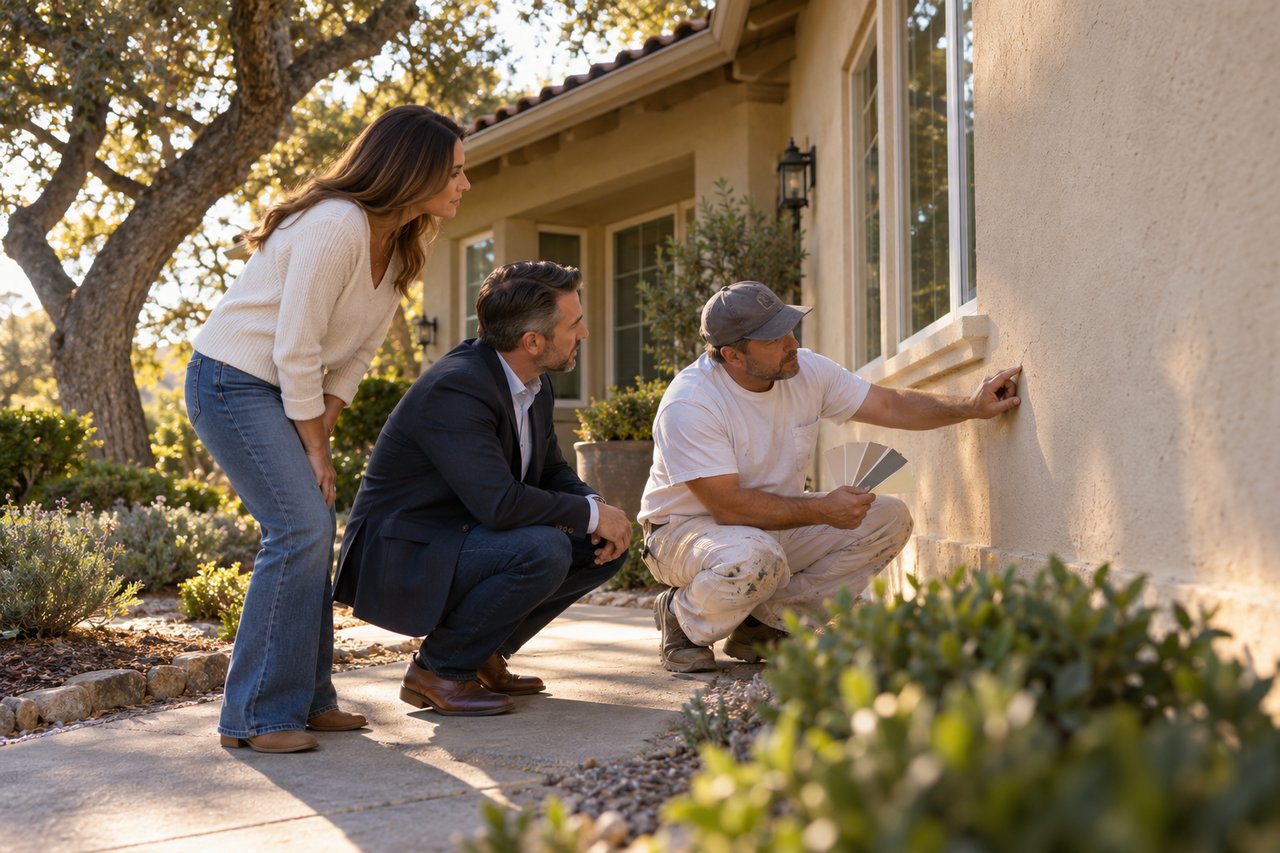
Compare coating condition, underlying damage, cost and curb appeal before deciding whether repainting makes sense.
Amber Johnson | November 11, 2026

Amber Johnson | November 11, 2026

Amber Johnson | November 11, 2026
Compare appearance, operation, window condition and buyer expectations before deciding whether the units should stay.
Amber Johnson | November 10, 2026
Learn what each listing outcome may mean, what it leaves unanswered and how price range, location and timing affect the comparison.

Amber Johnson | November 9, 2026
Amber Johnson | November 9, 2026
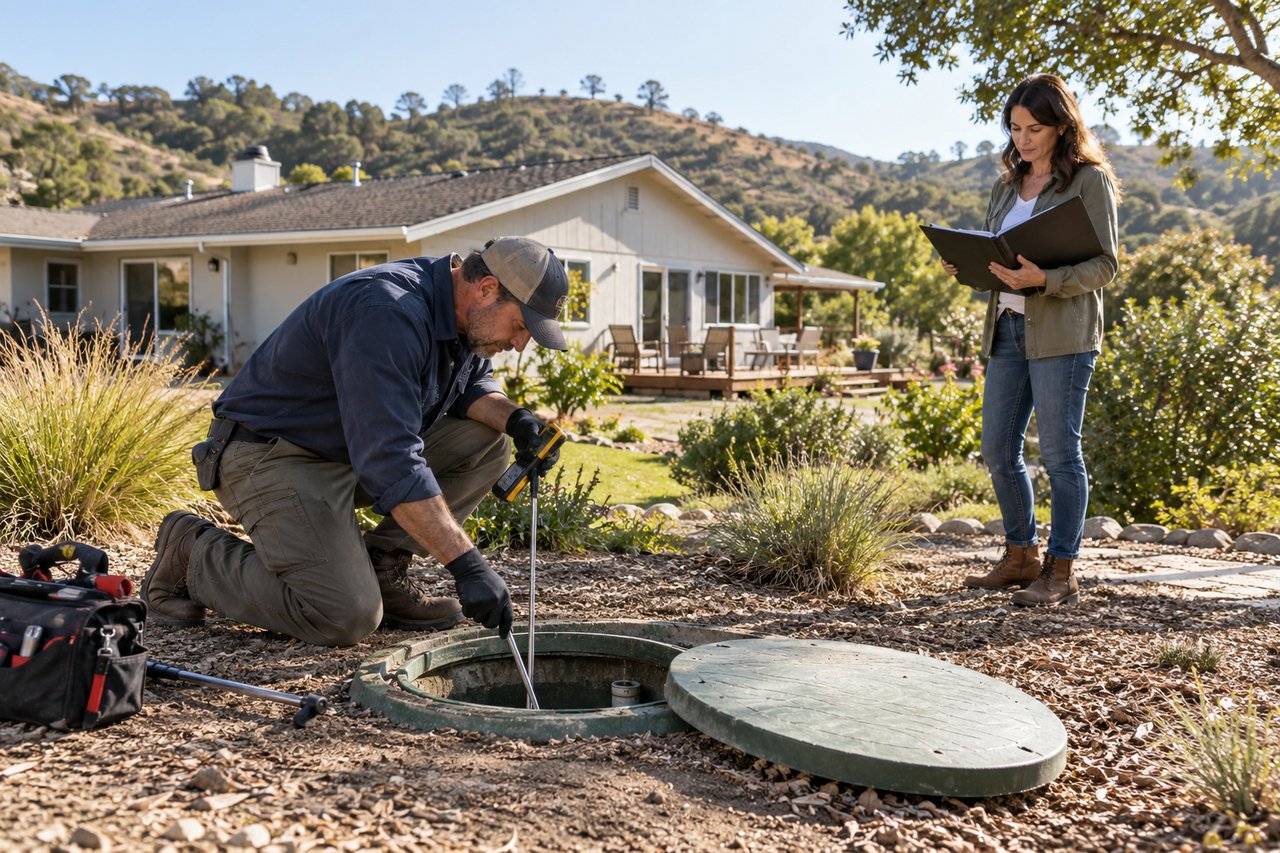
Review inspection findings, service records, capacity, access and local requirements before relying on the system.
You’ve got questions and we can’t wait to answer them.
Amber Johnson, Founder
Pillar Real Estate
805.835.3425
DRE# 01925434
1345 Park Street
Paso Robles, CA 93446