What Happens During the Final Walkthrough?
August 3, 2026
August 3, 2026
You're almost there.
The inspections are complete.
Your loan is approved.
You've reviewed your closing numbers.
You're getting ready to sign.
Then your real estate agent says:
"We'll schedule your final walkthrough."
If you're buying your first home, you might be wondering:
"Didn't we already see the house?"
Yes.
But that's not the purpose of the final walkthrough.
Here's the thing.
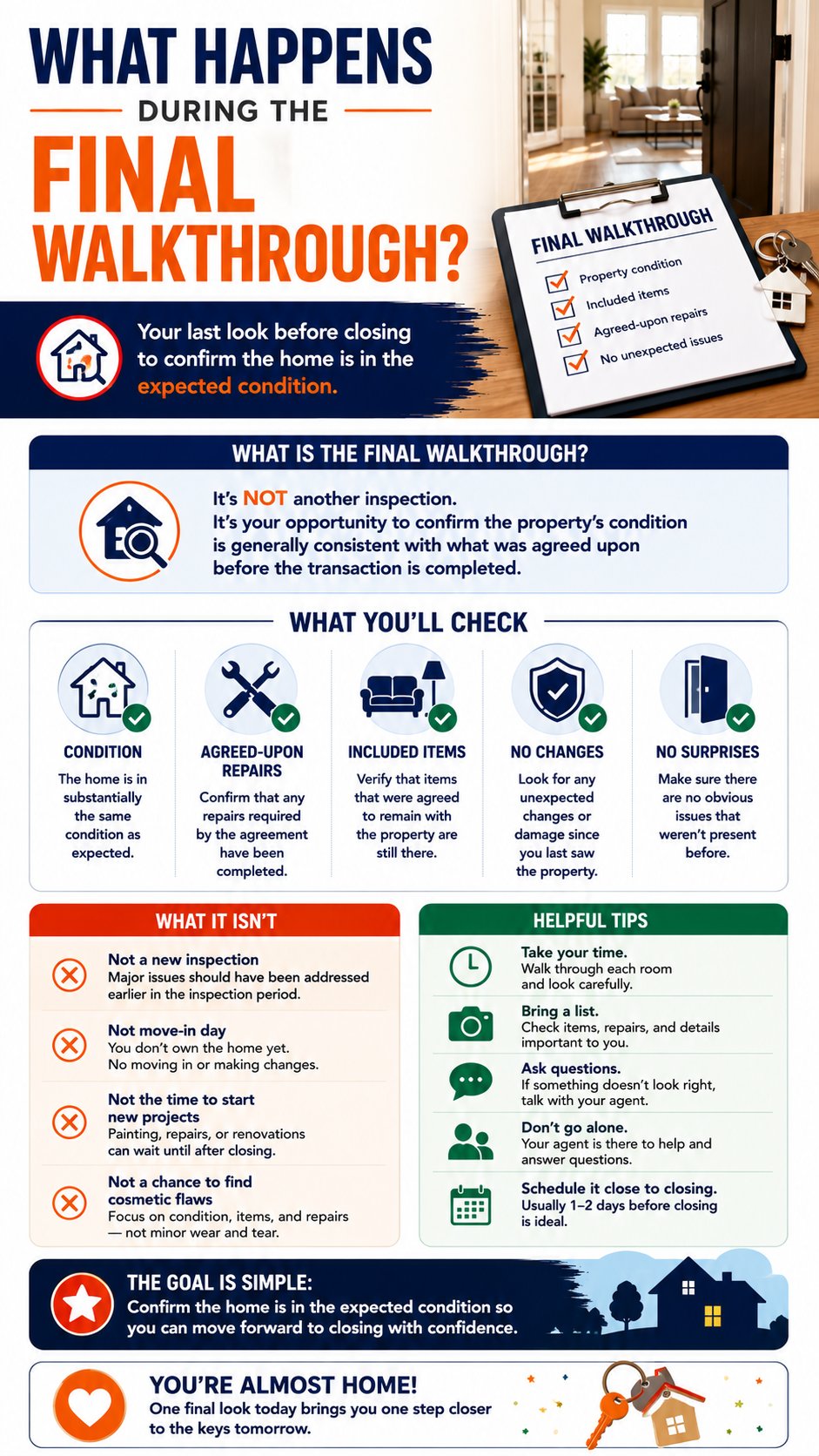
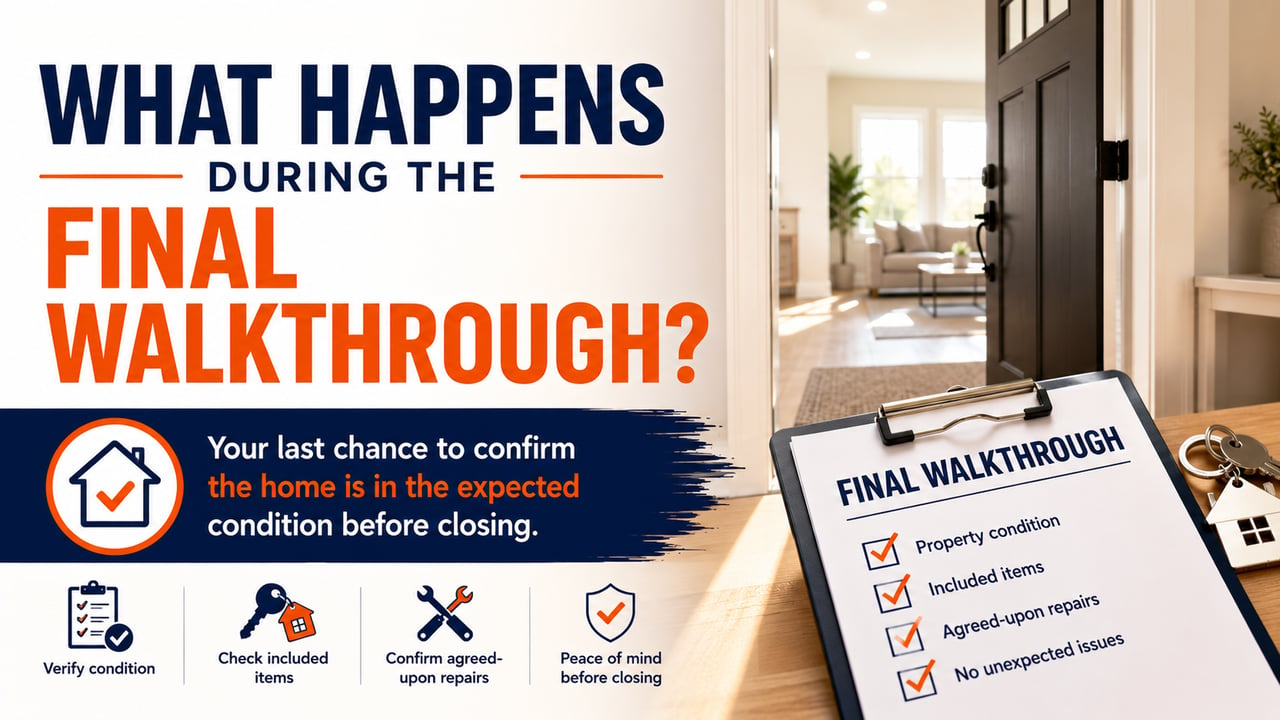
A final walkthrough isn't another home inspection. It's your opportunity to confirm the property's condition is generally consistent with what was agreed upon before the transaction is completed.
Think of it as one final look before ownership transfers.
You're making sure the home is in the expected condition before closing.
Amber is a real estate agent in Paso Robles, CA helping buyers throughout San Luis Obispo County navigate the final steps of the home-buying process. She believes buyers feel much more confident when they know exactly what to expect before closing day.
The final walkthrough is your last opportunity to see the property before closing. It's about confirming the home's condition before ownership transfers.
What Is the Purpose of the Final Walkthrough?
This is probably the biggest misunderstanding.
Many buyers think the walkthrough is another inspection.
It isn't.
The home inspection happened earlier in the transaction.
The final walkthrough serves a different purpose.
You're generally confirming that:
It's one final opportunity to walk through the property before closing.
The Biggest Misconception
One of the biggest misconceptions is:
"The final walkthrough is when I inspect the house for the first time."
No.
If you've waited until the walkthrough to really examine the home, you're probably much later in the process than you want to be.
The inspection period is where buyers investigate the property.
The walkthrough is simply confirming the condition before the transaction is completed.
Those are very different purposes.
What Should You Look For?
Every property is different, but buyers commonly pay attention to things like:
Do the agreed-upon items that were supposed to stay with the home appear to still be there?
If repairs were agreed upon, have they been completed according to the agreement?
Has anything changed since you last saw the property?
Does the home appear to have suffered unexpected damage?
Are there obvious issues that weren't present before?
The walkthrough isn't about searching for brand-new cosmetic concerns that existed all along.
It's about confirming the home's condition before closing.
What About Appliances?
If appliances are expected to remain with the property according to the purchase agreement, buyers often confirm they're still present.
If there were specific agreements involving appliances or other personal property, now is a good time to verify those items are where they're expected to be.
Your real estate agent can help you understand what your particular agreement provides.
The walkthrough is a good time to confirm that agreed-upon items remain with the property and that the home is in the expected condition.
What If Repairs Were Part of the Agreement?
If the buyer and seller agreed to certain repairs during the transaction, the walkthrough is often when buyers confirm those agreed-upon items have been addressed.
If you have questions about the repairs or documentation related to them, discuss those with your real estate agent before closing.
The goal is to understand the condition of the property before ownership transfers.
What If Something Doesn't Look Right?
Don't panic.
Don't assume the transaction is over.
Stop and ask questions.
Talk with your real estate agent.
Understand exactly what you're seeing.
Is it something new?
Was it already known?
Does it relate to something covered by the purchase agreement?
Once you understand the situation, you can discuss the appropriate next steps.
Gather information before jumping to conclusions.
Should the Home Be Empty?
Every transaction is different.
Depending on the terms of your purchase agreement, the seller's moving schedule, and the agreed timeline for possession, the property may look different from one transaction to another.
If you have questions about when the seller is expected to vacate or what should remain with the property, review your purchase agreement with your real estate agent before the walkthrough.
That way you'll know exactly what to expect.
Don't Treat the Walkthrough Like Move-In Day
This is another common mistake.
The walkthrough doesn't mean you've taken ownership of the home.
You shouldn't begin moving furniture into the property.
Don't start painting.
Don't schedule contractors to begin work.
Don't make changes to the house.
Until the transaction is complete and ownership has officially transferred, the property is still in the final stages of the closing process.
You're close.
But you're not there yet.
What I'm Seeing Right Now
Working with buyers throughout Paso Robles, Templeton, Atascadero, and San Luis Obispo County, I've noticed that most first-time buyers arrive at the final walkthrough feeling excited.
They've spent weeks working toward this moment.
Now they can finally picture themselves living in the home.
That's wonderful.
I just encourage buyers to stay focused on why they're there.
The walkthrough isn't about decorating ideas.
It's about confirming the condition of the property before closing.
Once we've done that, you're ready for one of the biggest milestones of all.
Closing day.
A Real-Life Example
I worked with first-time buyers who were only a couple of days away from closing.
Everything had gone well.
The inspection was complete.
The appraisal was done.
The loan had reached the final stages.
When we scheduled the final walkthrough, they were excited.
As we walked through the house, one of them said:
"So this is basically our last chance to inspect everything, right?"
Not exactly.
We talked about the purpose of the walkthrough.
This wasn't another home inspection.
We weren't trying to discover every maintenance item in the house.
Instead, we were confirming that the property was in the condition we expected.
We checked that the agreed-upon items were still there.
We confirmed the home hadn't changed since we'd last seen it.
We looked at the repairs that had been part of the agreement.
Once they understood the purpose, the walkthrough became much less stressful.
Instead of trying to inspect every square inch of the property again, they focused on making sure the home matched what they expected before closing.
The Biggest Mistake
The biggest mistake is treating the final walkthrough like another inspection.
At this point, you're not starting your investigation of the property.
You're finishing it.
The inspection period was when you learned about the home's condition.
The walkthrough is your opportunity to confirm the property is generally in the expected condition before ownership transfers.
Those are two very different goals.
What This Process Should Feel Like
The final walkthrough should feel reassuring.
You've already done the hard work.
You've reviewed the inspection.
Worked through the appraisal.
Finished your loan.
Now you're simply taking one final look before closing.
If something doesn't seem right, ask questions.
If everything looks as expected, you'll probably leave the property feeling excited about what's coming next.
Because after the walkthrough, you're incredibly close to becoming a homeowner.
How This Connects to the Bigger Picture
In the last article, we talked about understanding your final closing numbers.
Now we're stepping into one of the last things buyers typically do before signing.
The walkthrough is your final opportunity to see the home before the transaction is complete.
Related: How Much Money Will I Actually Need on Closing Day?
The final walkthrough isn't about finding a perfect home. It's about confirming the property is in the expected condition before closing.
Steps: What to Do During Your Final Walkthrough
Step 1: Take Your Time
Don't rush through the property.
Walk through each room and look at the home carefully.
This is your last opportunity to see it before closing.
Step 2: Confirm the Home's Condition
Make sure the property appears to be in substantially the same condition you expected based on your purchase agreement.
If something seems different, ask about it.
Step 3: Verify Agreed-Upon Repairs
If repairs were part of your agreement, confirm they've been completed as expected.
If you have questions, discuss them with your real estate agent before closing.
Step 4: Check Included Items
If certain appliances or other items were supposed to stay with the home, confirm they're still there.
Review your purchase agreement if you're unsure what was included.
Step 5: Ask Questions Before Signing
If you notice something unexpected, don't assume you have to figure it out yourself.
Talk with your real estate agent.
It's much better to understand a situation before closing than wonder about it afterward.
So... What Happens During the Final Walkthrough?
The walkthrough is your last opportunity to visit the home before ownership transfers.
It's not another inspection.
It's not move-in day.
It's your chance to confirm the property is generally in the expected condition, verify agreed-upon items and repairs when applicable, and make sure there aren't any unexpected surprises before closing.
For most buyers, the walkthrough is one of the most exciting parts of the transaction.
Everything you've been working toward suddenly feels real.
You're standing inside the home you're about to own.
Keep Your Eyes Open, But Enjoy the Moment
It's okay to be excited.
You've worked hard to get here.
Take a moment to picture yourself living in the home.
Imagine where your furniture will go.
Think about the memories you'll create there.
Then bring your attention back to the purpose of the walkthrough.
Ask questions if something doesn't look right.
Confirm everything you expected to see.
Once that's done, you're ready for one of the biggest days of the entire process.
Closing day.
The Real Question to Ask
Instead of asking:
"What else can I find wrong with the house?"
Ask:
"Is the home in the condition I reasonably expected before closing?"
That's the question the final walkthrough is designed to answer.
Next Steps
If you're buying a home in Paso Robles, Templeton, Atascadero, or anywhere in San Luis Obispo County, treat the final walkthrough as your last opportunity to confirm the property's condition before closing.
Take your time.
Ask questions.
Verify agreed-upon repairs and included items.
And enjoy the moment.
You're almost a homeowner.
In the next article, we'll walk through one of the most exciting milestones of all:
What Happens on Closing Day?
From start to finish.
FAQ
What is the purpose of a final walkthrough?
A final walkthrough gives buyers an opportunity to confirm the property is generally in the expected condition before closing and verify agreed-upon items or repairs when applicable.
Is the final walkthrough another home inspection?
No. The home inspection happens earlier in the transaction. The walkthrough is not intended to replace or repeat that process.
What should I check during the final walkthrough?
Buyers commonly confirm the property's condition, verify agreed-upon repairs, and make sure items included in the purchase agreement remain with the home.
What happens if I notice something during the walkthrough?
Talk with your real estate agent before closing. Gather information about what you're seeing before deciding what the next steps should be.
Can I move into the house after the final walkthrough?
Not necessarily. The walkthrough happens before the transaction is complete. Wait until ownership has officially transferred and you've received authorization before moving into the property.
Amber Johnson, Founder
Pillar Real Estate
805.835.3425
[email protected]
1345 Park St. Paso Robles, CA 93446
DRE# 01925434
Amber Johnson | September 21, 2026
How traffic patterns, privacy, parking, lot shape, and buyer preferences can influence marketing and value.
Amber Johnson | September 21, 2026
The price, credits, repairs, timing, and other terms Paso Robles sellers may need to evaluate this season.
Amber Johnson | September 21, 2026
When an open house can support a launch, when private showings may matter more, and how to judge the results.
Amber Johnson | September 20, 2026
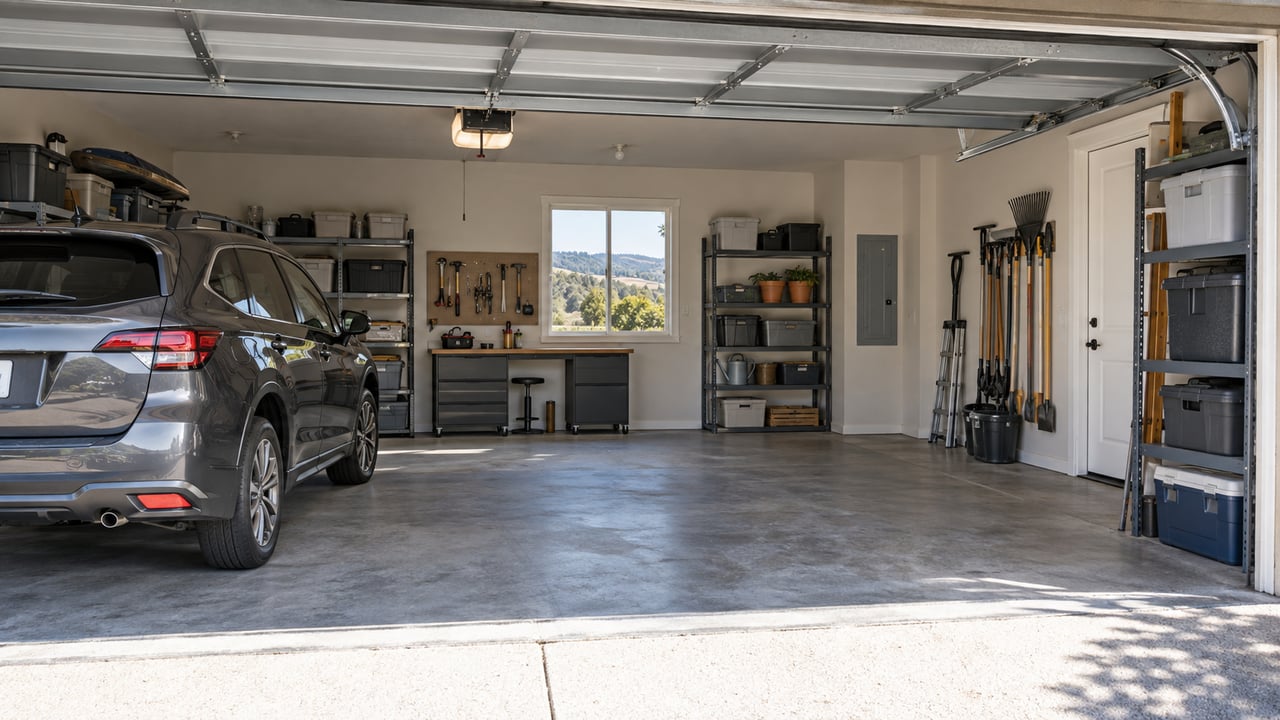
How garage organization, storage, access, and visible maintenance can influence a buyer’s overall impression.
Amber Johnson | September 20, 2026
Why seller absence usually gives buyers more freedom to look, talk, and form an honest impression.
Amber Johnson | September 20, 2026
The records that help confirm ownership, payoff information, property history, and a smoother listing process.

Amber Johnson | September 18, 2026

Amber Johnson | September 18, 2026

Amber Johnson | September 18, 2026
How wells, septic systems, acreage, access, and the buyer pool shape a rural-property sale.
You’ve got questions and we can’t wait to answer them.
Amber Johnson, Founder
Pillar Real Estate
805.835.3425
DRE# 01925434
1345 Park Street
Paso Robles, CA 93446