How Much Money Will I Actually Need on Closing Day?
August 3, 2026

August 3, 2026
You've made it this far.
Your offer was accepted.
The inspections are complete.
The appraisal is done.
Your lender says you're Clear to Close.
Now you're asking one of the biggest questions in the entire home-buying process:
"How much money do I actually need on closing day?"
If you're a first-time buyer, this can feel confusing.
You've heard about your down payment.
Then someone mentions closing costs.
Now you're hearing the phrase "cash to close."
Are those all the same thing?
Not exactly.
Here's the thing.
The amount you'll need on closing day depends on your specific transaction, financing, and closing costs. Before closing, you'll receive documents that show the amount needed to complete your purchase.
The goal isn't to guess the number.
The goal is to understand what makes up that number so there aren't any surprises.
Amber is a real estate agent in Paso Robles, CA helping first-time buyers throughout San Luis Obispo County understand every step of the buying process. She believes buyers make better decisions when they understand what they're paying for and what to expect before closing.
Closing day is exciting, but many buyers wonder exactly how much money they'll need. Understanding the different pieces ahead of time can make the final days much less stressful.
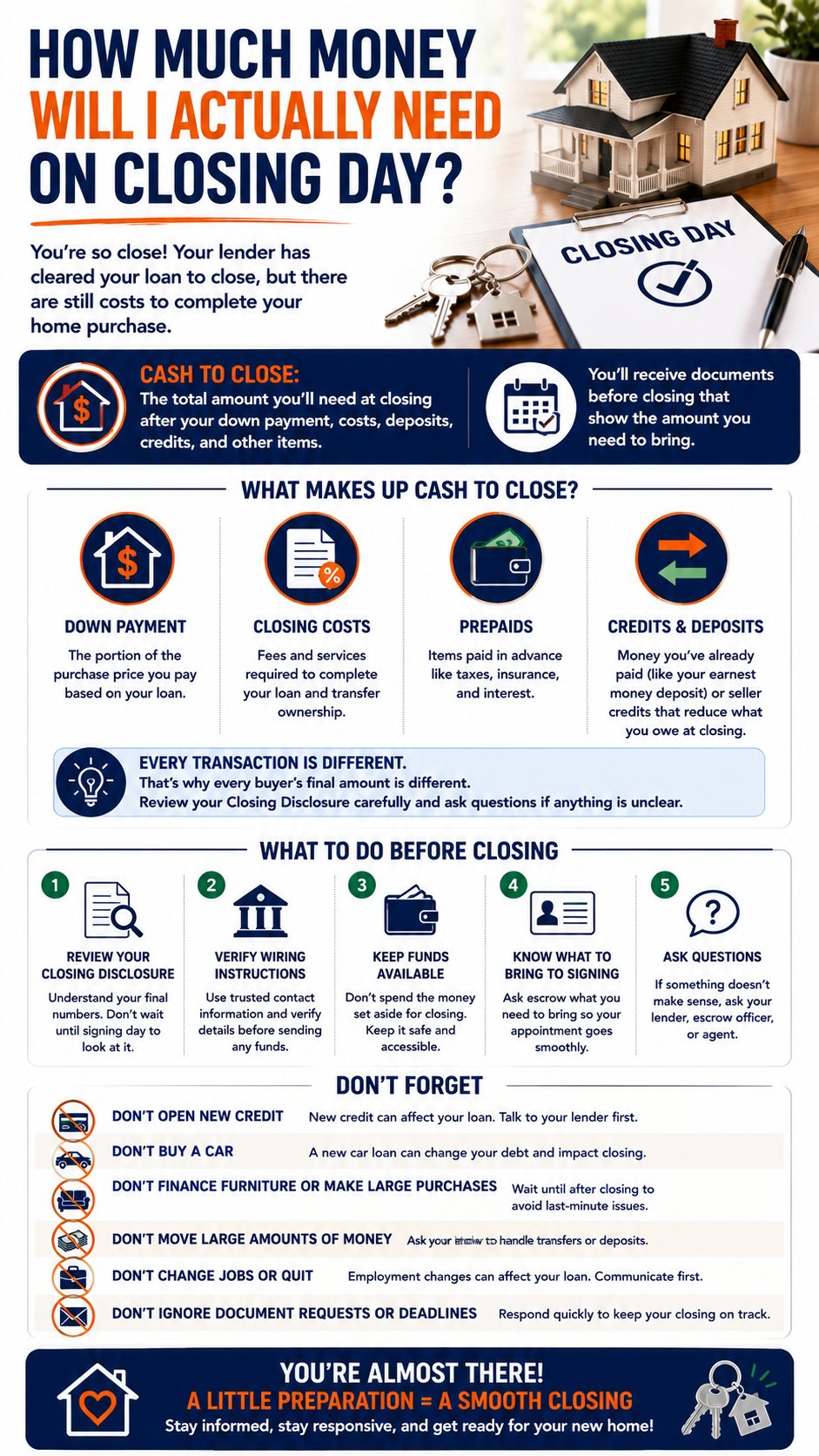
First, What Is "Cash to Close?"
One of the most common misunderstandings is thinking your down payment is the only money you'll need.
In reality, buyers often hear several different terms during the transaction.
Down payment
This is the portion of the purchase price you're contributing based on your financing.
Closing costs
These are costs associated with completing the transaction and your loan.
Cash to close
This is the total amount you'll generally need to bring to closing after accounting for your specific transaction, loan, deposits, credits, and other applicable items.
That's why every buyer's number is different.
The Biggest Misconception
One of the biggest misconceptions I hear is:
"I already saved my down payment, so I'm ready."
Saving for your down payment is a huge accomplishment.
But don't stop there.
Closing costs are another part of purchasing a home.
Exactly what you'll pay depends on your transaction and financing.
Your lender will help you understand the numbers for your specific loan.
That's why I encourage buyers to review everything carefully instead of relying on estimates from friends or online calculators.
Where Will I See the Final Amount?
As your transaction moves toward closing, you'll receive documents that summarize important financial information related to your purchase.
Review those carefully.
If something looks unfamiliar, ask.
Don't wait until you're sitting at the signing appointment wondering why a number looks different than expected.
The goal is understanding.
Not memorizing every line.
Don't Guess About Wiring Instructions
This is one of the most important parts of the closing process.
Many buyers will need to transfer funds before closing.
Unfortunately, real estate wire fraud exists.
That's why you should always follow the instructions provided by the professionals handling your transaction and independently verify wiring instructions using trusted contact information before sending money.
If anything seems unusual, stop.
Call.
Verify.
A few extra minutes of caution are well worth it.
Before sending funds for closing, make sure you understand the instructions and verify them through trusted contact information if you're wiring money.
Can the Number Change Before Closing?
Sometimes buyers expect the estimated numbers they saw early in the process to match the final amount exactly.
Not always.
As your transaction progresses, updated information becomes available.
That's why your lender and escrow will provide final figures before closing.
Instead of comparing every document to an estimate from several weeks ago, focus on understanding the final numbers you'll actually be using.
If something changes and you don't understand why, ask.
What About My Deposit?
If you've already made a deposit according to your purchase agreement, don't forget that it's part of the overall transaction.
Many first-time buyers worry they're paying everything twice.
You're not.
The funds already paid according to your agreement are generally accounted for as part of the transaction.
Your lender and escrow can show you exactly how those amounts are reflected.
Don't Spend Your Closing Money
This sounds obvious, but it happens.
Buyers know they have enough money for closing.
Then they decide to make a few purchases before signing.
Maybe moving supplies.
Maybe furniture.
Maybe a vacation.
Remember what we've talked about over the last several articles.
Keep your finances stable until the purchase is complete.
The money you've set aside for closing should stay available for closing.
What Should You Bring to Signing?
Your escrow officer will let you know if there's anything specific you should bring to your signing appointment.
That may include identification and any other required items.
Don't assume.
Ask ahead of time so you know exactly what to expect.
Being prepared makes the appointment much easier.
What I'm Seeing Right Now
Working with buyers throughout Paso Robles, Templeton, Atascadero, and San Luis Obispo County, I've found that most of the stress surrounding closing costs comes from uncertainty.
Not the numbers themselves.
The uncertainty.
Buyers wonder:
"Did I save enough?"
"Why is this amount different?"
"Am I forgetting something?"
Those are good questions.
And they're questions you should ask before closing day.
The more you understand about your final numbers before you sit down to sign, the more confident you'll feel walking into one of the biggest milestones of the entire transaction.
A Real-Life Example
I worked with first-time buyers who had done an excellent job saving for their down payment.
They knew exactly how much they planned to put down.
As closing got closer, they felt confident they had everything covered.
Then we started reviewing their final numbers.
One of them looked at me and said:
"Wait...I thought the down payment was everything I needed."
That's a very common question.
We slowed down and reviewed each part of the transaction together.
What was going toward the down payment?
What were the closing costs?
How did their initial deposit fit into the transaction?
What was their final cash needed to close?
Once they saw everything organized in one place, it all made sense.
The numbers weren't a surprise.
The terminology had been.
That's why I always encourage buyers to ask questions before signing day.
Understanding where the money is going makes the entire process feel much more manageable.
The Biggest Mistake
The biggest mistake is assuming you already know exactly how much you'll need without reviewing your final closing figures.
Early estimates are helpful for planning.
But your lender and escrow will provide the final numbers for your specific transaction.
Don't rely on what someone else paid.
Don't rely on an online calculator.
And don't assume your down payment is the only money you'll need.
Review the final figures carefully.
If something doesn't make sense, ask before closing day.
What This Process Should Feel Like
By the time you're reviewing your final numbers, you should feel prepared.
That doesn't mean every number will look familiar immediately.
It means you know where to go when you have a question.
Your lender can explain your loan.
Escrow can explain the closing process.
Your real estate agent can help you understand how everything fits together.
Buying a home involves a lot of paperwork.
You don't need to memorize it.
You need to understand it well enough to feel comfortable before signing.
How This Connects to the Bigger Picture
In the last article, we talked about what Clear to Close actually means.
Once you've reached that point, one of the next conversations is about your final numbers and the funds needed to complete your purchase.
Knowing what to expect before closing day helps eliminate a lot of unnecessary stress.
Related: What Does "Clear to Close" Actually Mean?
Understanding your final numbers before signing helps you walk into closing with confidence instead of uncertainty.
Steps: How to Prepare Financially for Closing Day
Step 1: Review Your Final Closing Figures
As your lender and escrow provide your final documents, take time to review them carefully.
Don't rush through the numbers.
If something looks unfamiliar, ask questions.
Step 2: Understand Your Cash to Close
Know exactly how much money you'll need and when it needs to be available.
Don't assume it's only your down payment.
Review how your deposit, loan, credits, and closing costs all come together.
Step 3: Verify Instructions Before Sending Money
If you're wiring funds, always verify the instructions using trusted contact information before sending money.
If anything seems unusual, stop and confirm before proceeding.
Step 4: Keep Your Closing Funds Available
Avoid making unnecessary purchases with money you've set aside for closing.
The funds you've planned to use should remain available until your transaction is complete.
Step 5: Know What to Bring to Signing
Ask escrow ahead of time what you'll need for your signing appointment.
Knowing exactly what to bring helps everything go much more smoothly.
So... How Much Money Will I Actually Need on Closing Day?
The answer depends on your specific purchase.
Your down payment is only one part of the picture.
Your final amount may also include closing costs and other items reflected in your transaction.
The important thing isn't trying to estimate the number yourself.
It's understanding the final figures your lender and escrow provide before closing.
When buyers know exactly where the money is going, they usually feel much more confident walking into signing day.
Closing Day Shouldn't Be Full of Financial Surprises
The goal isn't to discover your final numbers when you're sitting at the closing table.
The goal is to understand them beforehand.
Ask questions early.
Review your documents.
Know your cash to close.
Verify any transfer instructions.
And keep your funds available until everything is complete.
That preparation makes one of the biggest days of the home-buying process feel much less stressful.
The Real Question to Ask
Instead of asking:
"How much money do I need?"
Ask:
"Do I understand exactly how my final cash to close was calculated?"
That's the question that gives buyers confidence on closing day.
Next Steps
If you're buying a home in Paso Robles, Templeton, Atascadero, or anywhere in San Luis Obispo County, review your final closing figures carefully before signing.
Understand your cash to close.
Verify any wiring instructions.
Keep your closing funds available.
And don't hesitate to ask questions if something doesn't make sense.
The next article will cover another exciting milestone in the process:
What Happens During the Final Walkthrough?
From start to finish.
FAQ
Is my down payment the same as my cash to close?
Not necessarily. Your cash to close generally includes your down payment along with other transaction-specific amounts reflected in your final closing figures.
When will I know exactly how much money I need for closing?
Your lender and escrow will provide final figures before closing. Review those documents carefully and ask questions if anything is unclear.
Can my closing costs change before closing day?
Estimated figures can change as the transaction progresses. Focus on understanding the final numbers provided before closing.
Is wiring money for closing safe?
It can be, but buyers should always verify wiring instructions using trusted contact information before sending funds. If something seems unusual, stop and confirm before transferring money.
What happens to the deposit I already paid?
Your initial deposit is generally accounted for as part of your overall transaction. Your lender and escrow can show you exactly how it appears in your final closing figures.
Amber Johnson, Founder
Pillar Real Estate
805.835.3425
[email protected]
1345 Park St. Paso Robles, CA 93446
DRE# 01925434

Amber Johnson | September 21, 2026
How traffic patterns, privacy, parking, lot shape, and buyer preferences can influence marketing and value.
Amber Johnson | September 21, 2026
The price, credits, repairs, timing, and other terms Paso Robles sellers may need to evaluate this season.
Amber Johnson | September 21, 2026
When an open house can support a launch, when private showings may matter more, and how to judge the results.
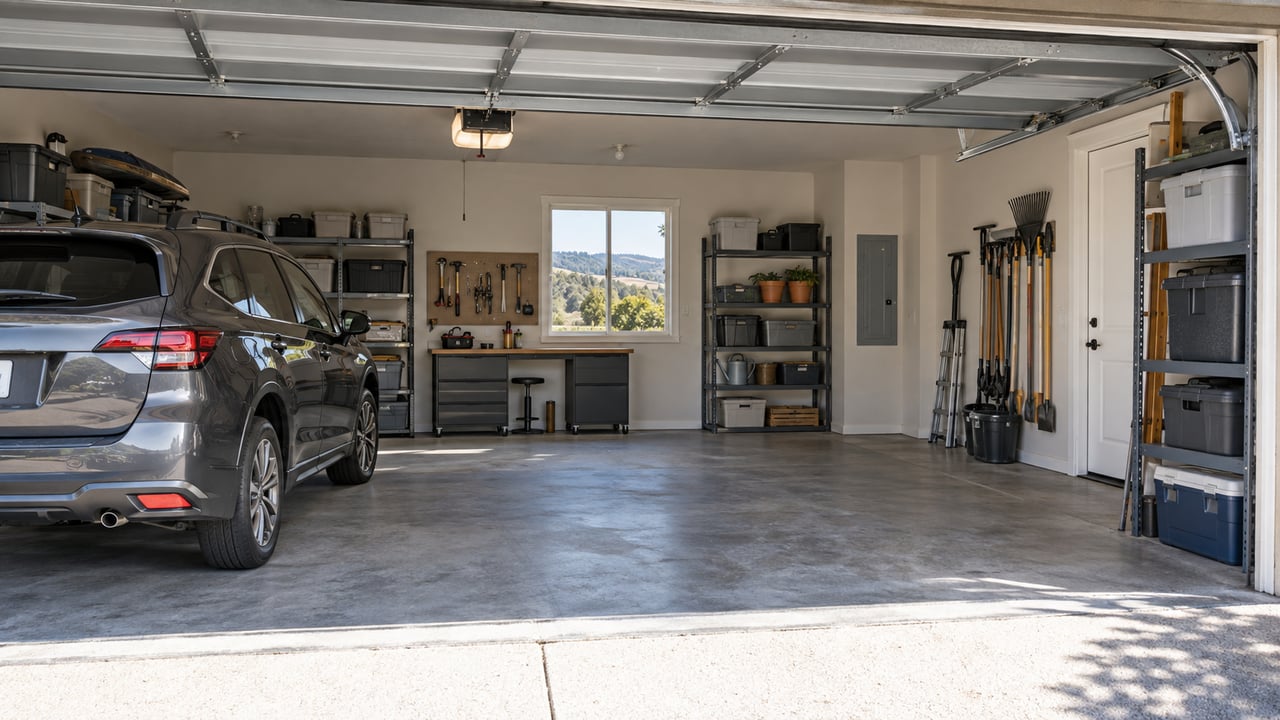
Amber Johnson | September 20, 2026
How garage organization, storage, access, and visible maintenance can influence a buyer’s overall impression.

Amber Johnson | September 20, 2026
Why seller absence usually gives buyers more freedom to look, talk, and form an honest impression.
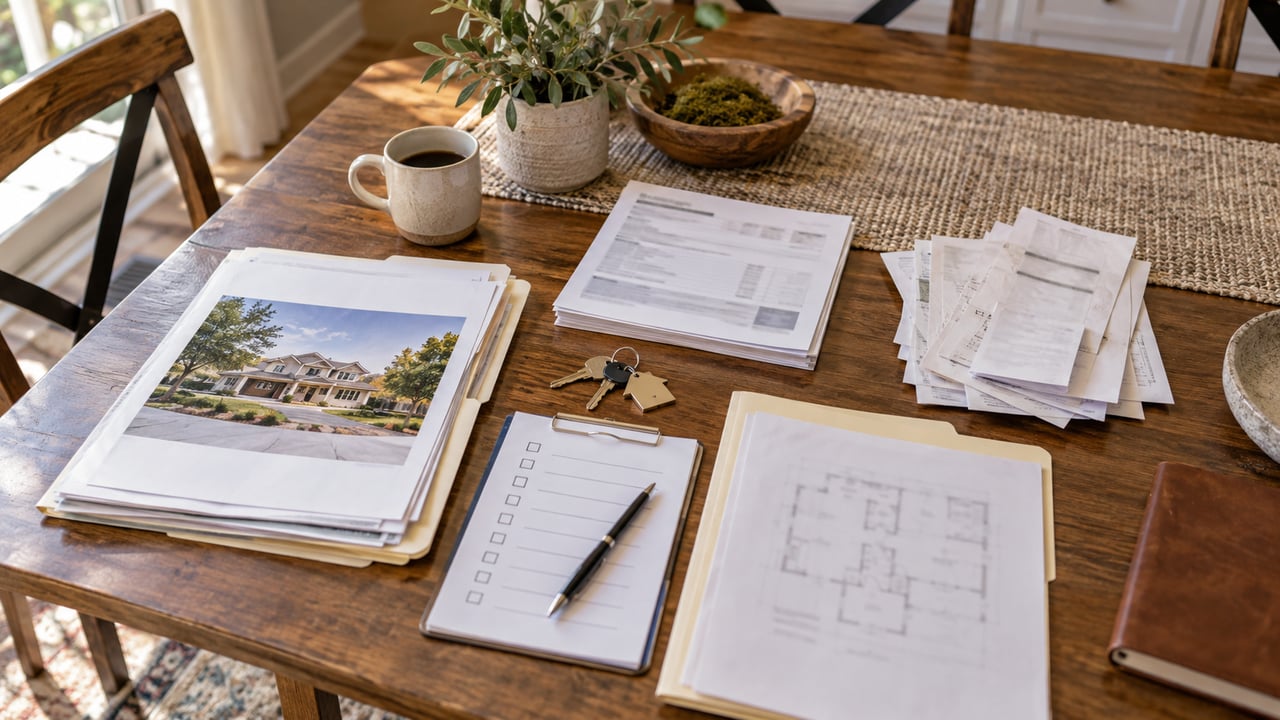
Amber Johnson | September 20, 2026
The records that help confirm ownership, payoff information, property history, and a smoother listing process.

Amber Johnson | September 18, 2026

Amber Johnson | September 18, 2026

Amber Johnson | September 18, 2026
How wells, septic systems, acreage, access, and the buyer pool shape a rural-property sale.
You’ve got questions and we can’t wait to answer them.

Amber Johnson, Founder
Pillar Real Estate
805.835.3425
DRE# 01925434
1345 Park Street
Paso Robles, CA 93446