What Happened to Foreclosures? The 2024 Housing Market Explained!
December 9, 2024

December 9, 2024
Foreclosures—remember when they were everywhere? If you’re wondering why they’ve all but vanished in today’s market, you’re not alone. Let’s dig into what’s changed and why it matters for homeowners, buyers, and investors like you.
First, let’s rewind to 2008. 🕰️ Remember the financial crisis? Foreclosures were popping up left and right, and home prices were plummeting. Why? Risky subprime mortgages. These loans were given to folks with shaky credit and often had adjustable rates, meaning payments could skyrocket. When they did, many homeowners couldn’t keep up, and foreclosure signs blanketed neighborhoods.
Fast forward to today, and things look very different.
1. Stricter Lending Standards
Gone are the days of risky, fully financed loans. Lenders are now much more cautious, ensuring borrowers are financially solid before handing out mortgages. This means fewer risky loans and fewer foreclosures.
2. Equity is the Real MVP 🏡💰
Today’s homeowners have something many didn’t in 2008: equity. Lots of it! Over time, rising home values have built a financial cushion for most homeowners. In tough times, this equity lets them sell their home and walk away with cash instead of facing foreclosure.
3. Steady Home Prices & Strong Demand
Unlike the chaotic crash of 2008, today’s market is balanced by low inventory and high demand. This keeps prices steady—and rising—which helps homeowners stay above water financially.
So, where have all the foreclosures gone? The answer lies in stronger lending practices, rising equity, and a stable market that’s keeping things in check.
Curious about what this means for your home, your equity, or your next big move? My team and I are here to give you the latest scoop on market trends and help you navigate it all with confidence.
Let’s chat—because whether you’re buying, selling, or just staying informed, understanding the market puts you one step ahead.
Amber Johnson | October 17, 2026

Amber Johnson | October 16, 2026
Amber Johnson | October 15, 2026
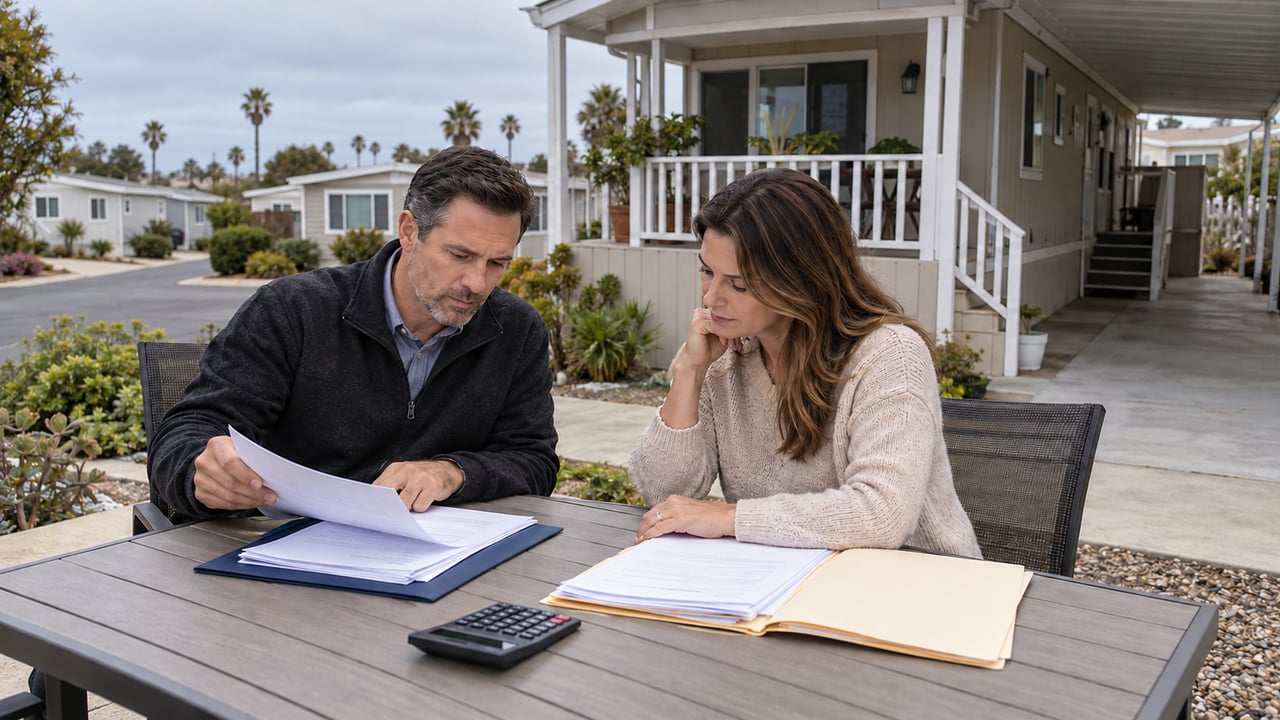
Separate the home purchase from the land arrangement, then review park approval, space costs, financing, condition, rules, and resale considerations.

Amber Johnson | October 15, 2026
Look beyond a weekend visit to consider walking routes, nearby businesses, street activity, parking, and everyday trips from a specific address.

Amber Johnson | October 15, 2026
Compare an in-town routine with a more rural setting by weighing errands, property upkeep, road access, utilities, and time spent driving.

Amber Johnson | October 15, 2026
Amber Johnson | October 15, 2026
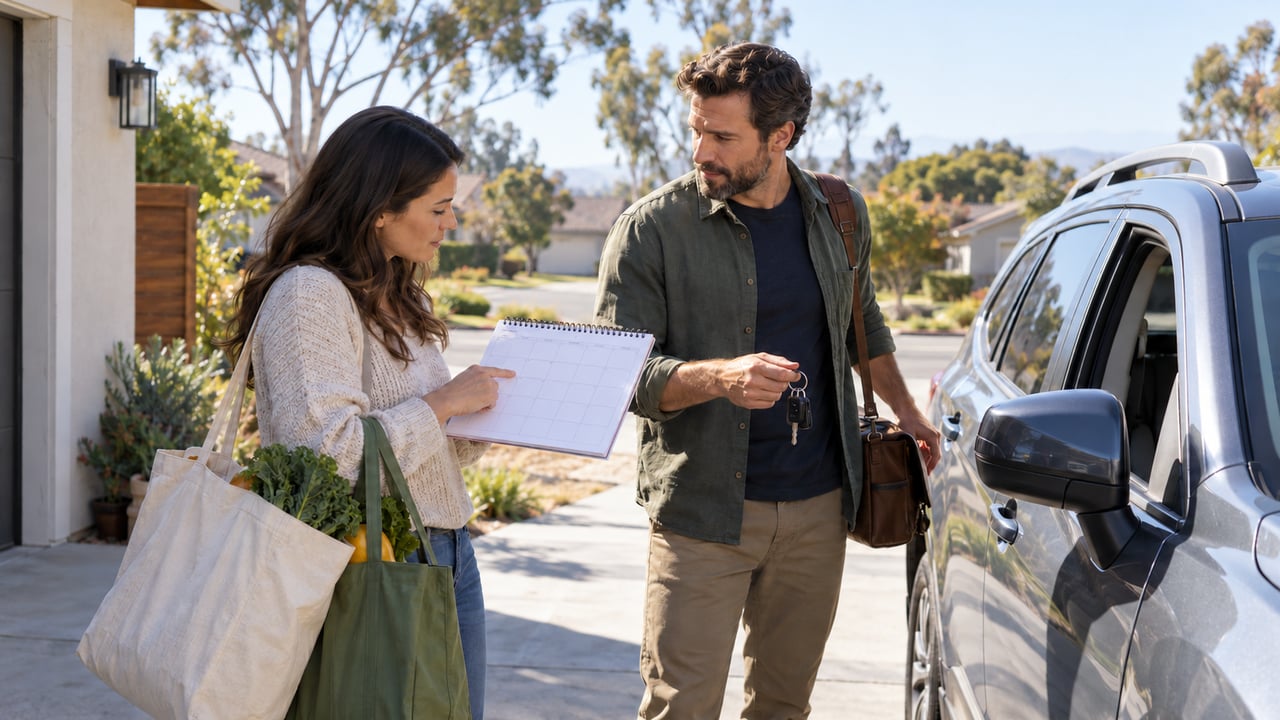
Test overlapping work schedules, shopping trips, appointments, transportation alternatives, and backup plans before choosing a home.
Amber Johnson | October 15, 2026
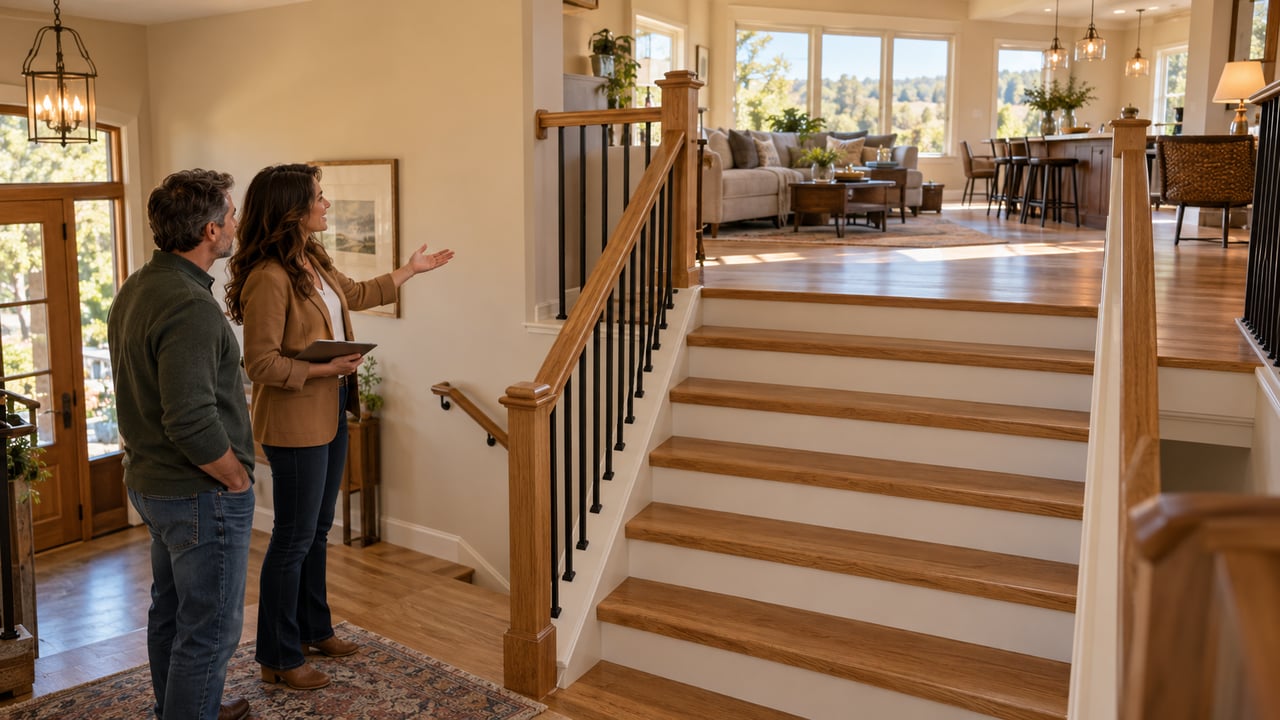
Help buyers understand the layout through accurate photos, clear descriptions, thoughtful showing access, and a property-specific selling plan.

Amber Johnson | October 15, 2026
Use price per square foot as context, then account for property type, location, views, condition, lot, and the limits of a small data set.
You’ve got questions and we can’t wait to answer them.
Amber Johnson, Founder
Pillar Real Estate
805.835.3425
DRE# 01925434
1345 Park Street
Paso Robles, CA 93446