What Does Price per Square Foot Tell Avila Beach Buyers and Sellers?
October 15, 2026

October 15, 2026
Price per square foot gives Avila Beach buyers and sellers a way to compare price with reported living area. It does not tell you what a particular home should sell for by itself. Property type, location, views, condition, lot, and transaction details still need to be compared before the number supports a pricing decision.
For a seller, the risk is multiplying a broad average by your home's size and treating the result as its value. For a buyer, the risk is assuming the lowest price per square foot is the best purchase. Neither conclusion follows from the ratio alone.
I'm Amber Johnson with Pillar Real Estate in Paso Robles. I help homeowners, buyers, and relocating households make property-specific decisions throughout San Luis Obispo County. In Avila Beach, the right strategy starts with homes that compete with yours, not a number pulled from a broad search.
The basic calculation is the property's price divided by its reported living area in square feet. For a closed sale comparison, use the closed sale price. For an active listing comparison, use the asking price and clearly identify that it hasn't established a completed sale.
The result combines two inputs into one ratio. It doesn't separate what was paid for the house, land, location, views, parking, or other features. Those influences can all be reflected in the numerator even though the denominator is living area.
That's why the number isn't a construction-cost estimate or the value of an additional square foot. You're dividing the price of the whole property by one characteristic of that property. Keep that distinction in mind before using it to support a listing price or offer.
Ask where both inputs came from. A ratio is only as dependable as the price and area figures behind it. If either is unclear, resolve that first.
Reported square footage can come from different records or measurements. Before comparing properties, ask which source each listing or sale used and whether the figures describe the same kind of space. Don't assume every online field was prepared on the same basis.
Pay attention to garages, enclosed patios, separate structures, and other spaces that may be described apart from the home's living area. Their usefulness can matter to buyers without making them interchangeable with the denominator in your calculation.
If records disagree, have the difference reviewed rather than choosing whichever figure produces the result you prefer. Ask the appropriate professional to explain the measurement and how each space is being reported.
For a seller, consistent and accurate area information helps buyers understand the property. For a buyer, it helps you avoid comparing a well-documented home with another home whose advertised size still needs clarification. Precision in the calculation can't fix uncertainty in the source data.
A detached home and a condominium may have different ownership arrangements, outdoor space, maintenance responsibilities, and costs. Similar living area doesn't make them direct substitutes. Begin by identifying which properties would realistically appeal to the same buyer.
Then compare layout and function. Bedroom count, usable rooms, parking, storage, outdoor space, and the connection between indoor and outdoor areas can affect the choice. A total square-footage figure doesn't explain how well a home works.
For attached properties, review the ownership documents and association information when applicable. Ask what is private, what is shared, and which responsibilities and charges belong to the owner. Don't treat the purchase price ratio as a complete ownership-cost comparison.
If you mix property types to understand the broader area, label that analysis clearly. It can provide background, but it shouldn't become a single target rate applied to every Avila Beach listing.
An Avila Beach search can include properties with different surroundings and daily routines. Confirm the actual address, setting, and access rather than relying only on a place name or search boundary. The label doesn't establish that two homes compete equally.
Consider proximity to the destinations buyers want, the route to the home, and the immediate street setting. Ask whether someone considering one property would also seriously consider the other. If not, a similar size may be a weak reason to compare their ratios.
Our comparison of Avila Valley and downtown Avila Beach can help with the setting question. Use that context to define a relevant property group, not to assign a blanket premium to one area.
Location differences need evidence, too. Don't invent a dollar adjustment because one description sounds more appealing. Review the actual competing properties and verified sales before deciding what the difference supports.
A property's view can be part of its appeal, but the ratio doesn't tell you how much of the price reflects it. Compare what can actually be seen, from which rooms, and under what conditions. Don't assume every property described as having a view offers the same experience.
Condition deserves the same attention. A maintained home, a recently improved home, and a home needing substantial work may have similar living areas while presenting different choices. Review documented condition and scope rather than relying only on photographs.
The lot also matters. Usable outdoor space, privacy, access, grade, and other site characteristics aren't explained by dividing price by interior square footage. A larger parcel isn't automatically more useful, and a smaller parcel isn't automatically a disadvantage.
Bring those differences back to buyer choices. What would a buyer gain or give up by selecting each property? That question is more useful than treating every difference as an automatic increase or decrease in a standard rate.
The denominator changes the result. If the total price stayed the same while the reported living area increased, the calculated price per square foot would fall. That mathematical relationship doesn't prove that the larger home is a better purchase or the smaller home is overpriced.
For actual properties, price and size both change alongside other features. Compare similarly sized homes when possible, then investigate why a smaller or larger property appears different. Don't assume the market pays the same amount for every added foot of space.
Fannie Mae's appraisal guidance requires comparable-sale adjustments to reflect market evidence rather than a fixed rule of thumb. That supports an important consumer distinction: a whole-property price ratio is not automatically the appropriate adjustment for a size difference.
Our article on price per square foot for Paso Robles sellers discusses the same basic caution. The calculation travels between communities; a community's particular rates and property comparisons do not.
An active listing shows what the seller is asking. A closed sale shows a completed transaction. Both are useful, but they answer different questions. Mixing them without identifying their status can make the comparison misleading.
Use closed sales to examine completed transactions and active listings to understand available competition. Pending listings can offer context, but don't assume a public asking price reveals their final closing terms. Keep unavailable information marked as unknown.
Look beyond the headline sale price when reliable transaction information is available. Concessions, included items, or other terms may help explain how the transaction was structured. Don't automatically subtract every concession dollar from the price or assume it had no effect.
Fannie Mae's guidance treats concessions according to their market impact, not an automatic deduction in every case. For your own decision, ask what the verified terms mean and who should evaluate them. A price-per-square-foot field won't do that work for you.
Before relying on a summary, ask what was summarized. Is it the average of individual property ratios? The median ratio? Total prices divided by total living area? Those calculations need not produce the same number.
An average of individual ratios adds those ratios and divides by the property count. A median describes the middle of the ordered ratios. A combined price divided by combined area gives more influence to properties contributing more area to that total.
None of those methods fixes a poorly selected property group. A summary that combines different locations, types, sizes, and conditions may describe the sample while giving limited help with one particular home.
Read the filters before the number. Confirm the period, geographic boundary, property types, transaction status, and treatment of unusual sales. If the source doesn't explain those choices, avoid presenting its result as a precise local benchmark.
When a relevant Avila Beach comparison has only a few verified sales, inspect each one. A single unusual property can strongly influence the summary. More decimal places don't make a limited sample more representative.
Check whether an apparent change reflects different homes selling rather than a change in comparable property values. If one period contains more view properties or a different mix of sizes, its ratio may shift for that reason. That is a question to investigate, not a conclusion to assume.
Sometimes a useful comparison requires looking at an older sale or a broader area. Explain why it was included and evaluate the differences. Don't quietly expand the search until it produces the rate you wanted.
Our article on interpreting a small number of Avila Beach sales provides related context. This article doesn't report a current local average or claim a market trend from an unverified sample.
Start a pricing discussion with the property and its likely competition. Review recent relevant sales, current alternatives, condition, and the features buyers will compare. Then use price per square foot to see whether the proposed position raises a question worth examining.
If your proposed ratio is above the relevant group, ask what supports the difference. If it is below, ask whether condition, setting, size, or another factor explains it. Neither result proves the price is right or wrong without that follow-up.
Don't use the highest ratio in a broad search as a goal simply because it is available. A home can share a location label with that sale while differing in important ways. A pricing strategy needs to account for those differences.
Preparation and clear marketing still matter. Buyers need accurate information about the property they're evaluating. A ratio cannot replace documented condition, thoughtful positioning, or a clear explanation of why the home fits a particular buyer's needs.
A low ratio is a reason to ask questions, not a reason to rush. Investigate the condition, layout, location, ownership costs, and documented property details. Understand what you would be buying before describing it as a bargain.
A higher ratio also deserves explanation. Is it associated with a smaller home, a particular setting, an improvement, or another meaningful difference? Decide whether those features matter to you rather than accepting a premium just because another buyer did.
Compare the total price and responsibilities with your plans. A property that costs less per foot can still require more cash, maintenance, or space than you want. Value to your household depends on how the whole purchase fits.
County-wide information can provide background, but it may not describe the homes you would actually choose in Avila Beach. Our article on using county-wide market data helps put that broader view in its proper role.
Price per square foot is most helpful when it leads to a better comparison. Confirm the inputs, select relevant properties, identify their status, and examine the differences. Use the ratio to organize questions, not to skip them.
At Pillar Real Estate, I help Avila Beach buyers and sellers connect the data with the property and their goals. We can review what supports a proposed price, which comparisons deserve weight, and where the available information has limits.
If you're preparing to sell, buying in Avila Beach, or weighing a move from another SLO County community, let's talk about your situation. I'll help you build a clear property-specific plan from start to finish.
Visit Sell With Amber to start the conversation.
Amber
Amber Johnson
Pillar Real Estate
805.835.3425
[email protected]
1345 Park St. Paso Robles, CA 93446
DRE# 01925434

Amber Johnson | November 10, 2026
Learn what each listing outcome may mean, what it leaves unanswered and how price range, location and timing affect the comparison.

Amber Johnson | November 9, 2026
Amber Johnson | November 9, 2026
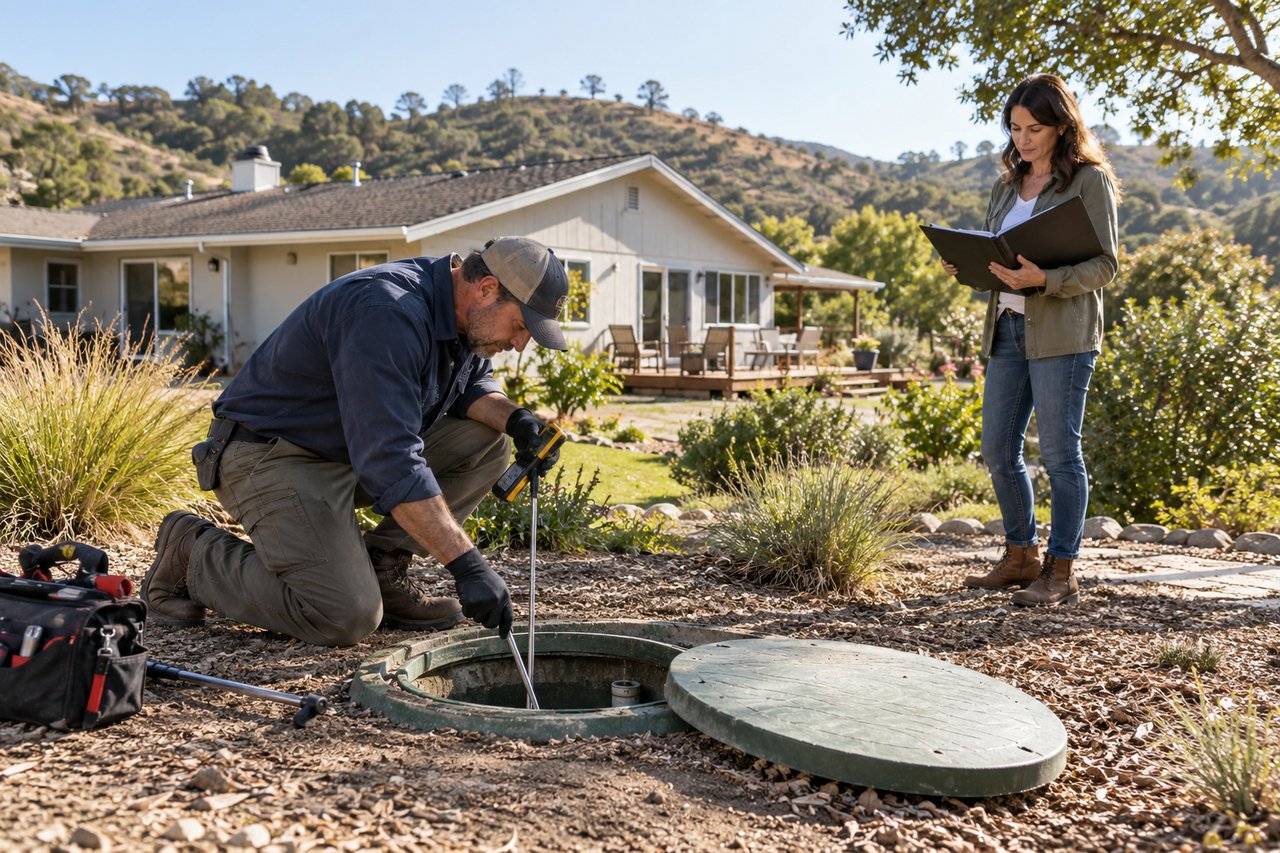
Review inspection findings, service records, capacity, access and local requirements before relying on the system.

Amber Johnson | November 8, 2026
Compare access, timing, seasonal conditions and home-to-trail logistics before building regular birdwatching into life in Los Osos.
Amber Johnson | November 8, 2026
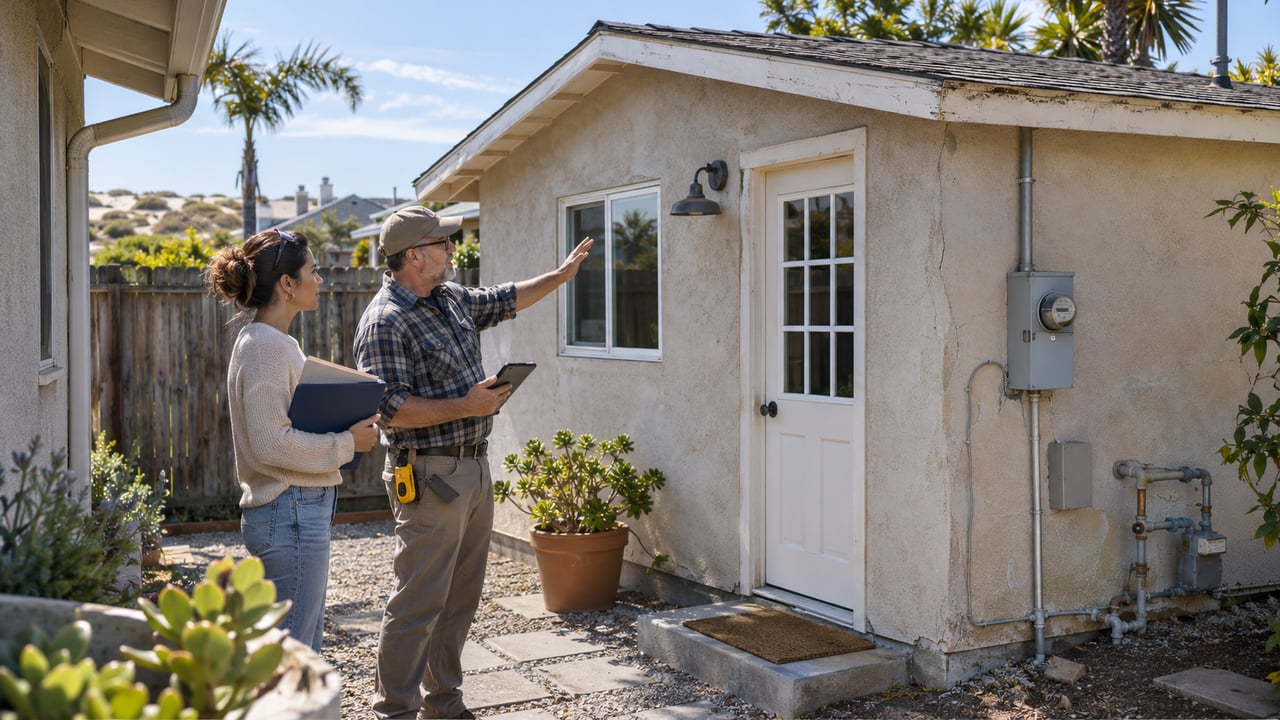
Verify the separate structure's records, condition and permitted use before counting on it.

Amber Johnson | November 7, 2026
Compare specific homes by their street setting, daily routes and access to the places you use.

Amber Johnson | November 7, 2026
Test school logistics, activities and daily routes from the specific home you are considering.

Amber Johnson | November 7, 2026
Amber Johnson | November 7, 2026
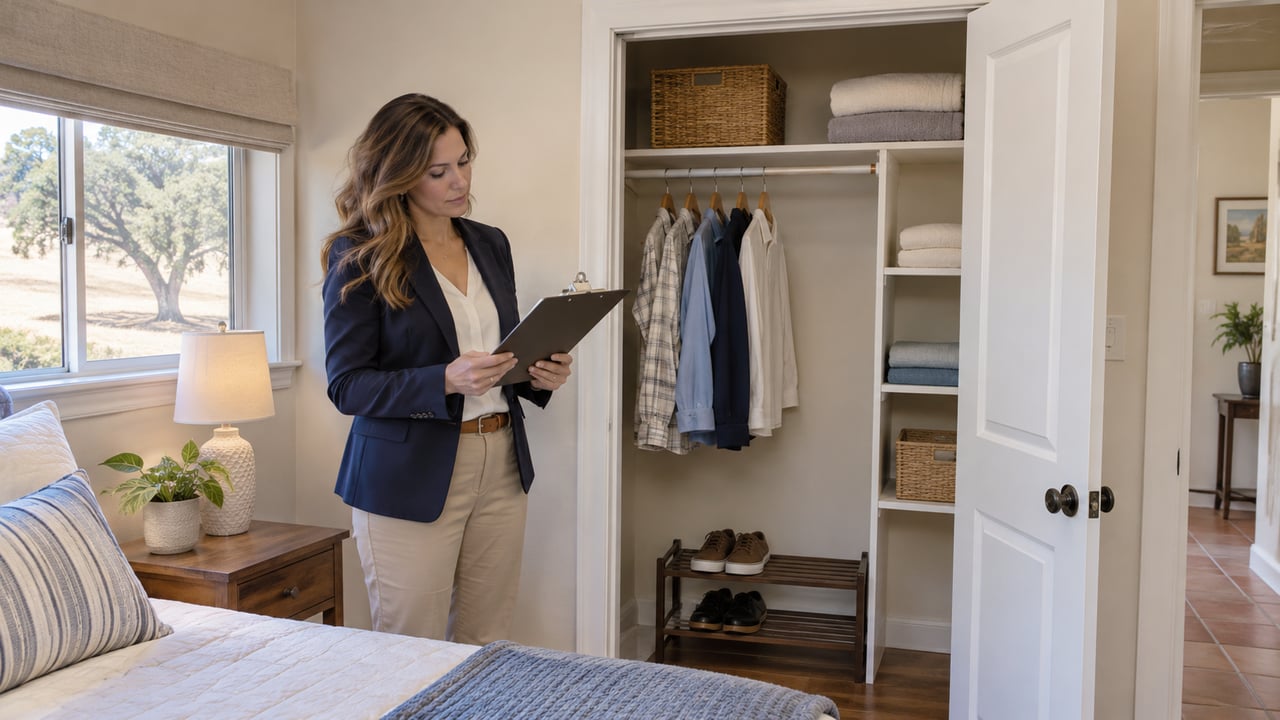
Show usable storage honestly and help buyers see how the home's layout fits daily life.
You’ve got questions and we can’t wait to answer them.
Amber Johnson, Founder
Pillar Real Estate
805.835.3425
DRE# 01925434
1345 Park Street
Paso Robles, CA 93446