What should I remove from my home before listing it in Paso Robles?
September 16, 2026

September 16, 2026
Before listing your Paso Robles home, remove anything that keeps buyers from seeing the space, condition, and features they are actually considering.
That usually means excess furniture, crowded surfaces, highly personal collections, visible paperwork, medications, valuables, pet clutter, and anything that makes a room feel smaller or harder to use.
It does not mean stripping the home until it feels cold.
The goal is to make the property clear. Buyers should be able to understand the floor plan, notice the features, and picture how the home could work for them.
What should stay and what should go depends on your property, your likely buyer, and how you're living in the home during the sale. A downtown bungalow, an acreage property, and a newer family home will not need the same preparation.
Buyers usually meet your home online before they walk through the door.
That means your first preparation test is not, “Does this feel fine when I live here?” It is, “Will this photograph clearly?”
A room can feel comfortable in person and still look crowded in photographs. Wide-angle real estate images show floor area, but they also reveal stacks, cords, crowded shelves, and extra furniture.
Walk through the home and look at each room from the doorway. Then take a quick phone photo. The camera often makes the distractions obvious.
If you're at the beginning of the process, start with what to do before listing your home in Paso Robles. Removing items is one part of a larger plan that should also address condition, disclosures, inspections, photography, pricing, and launch timing.
Furniture should help buyers understand how a room functions.
Too much furniture hides that function.
Remove pieces that block walking paths, cover windows, crowd doorways, or make the main living areas feel tight. A large sectional may be comfortable for your family but dominate the room in photos. An extra dresser may be useful but prevent buyers from seeing the true size of a bedroom.
You do not need to remove every practical item. Focus on the pieces that interrupt flow.
In a living room, buyers should be able to see the main seating area and focal point. In a dining room, the table should fit without making the room feel like a storage area. In bedrooms, the bed should not be surrounded by unrelated furniture.
If the home is occupied, a garage corner or storage container may be a better temporary home for pieces you still want. If you're moving soon anyway, early packing can reduce the work later.
Kitchen counters, bathroom vanities, bedside tables, desks, and entry consoles collect daily life.
Buyers read crowded surfaces as limited storage, even when the home has plenty.
In the kitchen, keep only a few intentional items on the counters. The coffee maker may stay if you use it daily. The collection of small appliances, mail, vitamins, charging cords, and grocery items should go.
In the bathroom, remove medications, toothbrushes, razors, cosmetics, and personal care products from sight. Leave clean towels and a small amount of simple styling.
On a desk, put away bills, account statements, calendars, client information, and school paperwork. This improves the room and protects your privacy.
Clear does not have to mean empty. A lamp, plant, bowl, or a few books can add warmth without competing for attention.
You do not need to erase every sign that a family lives in the home.
A few framed photos are usually fine. A wall filled with family portraits, names, diplomas, sports schedules, and personal memorabilia can pull attention away from the property.
Pack the majority of highly personal items, especially anything displaying children's names, schools, routines, or other identifying information.
This is partly about presentation. It is also about security.
Buyers should leave remembering the natural light, kitchen layout, backyard, or view. They should not leave remembering your personal collection.
Showings involve people moving through the home. Your agent should use reasonable safeguards, but valuable and sensitive items should never be left exposed.
Before photography and showings, secure or remove:
Do not hide these items in a bedside drawer and assume they are secure. Remove them from the property or place them in properly secured storage.
Buyers open closets. They may also look inside built-in cabinets and pantry spaces because those areas are part of the property.
A packed closet suggests there isn't enough storage.
Remove out-of-season clothing, unused linens, excess shoes, empty boxes, and anything you won't need before the move. Leave enough space for buyers to see the width, shelving, and hanging area.
The same rule applies to the pantry. Group what remains and remove bulk overflow that hides the shelves.
You don't need color-coded containers worthy of a television show. You need clean, visible storage.
Collections can be meaningful and attractive. They can also become the only thing buyers notice.
If a collection covers several shelves, walls, or rooms, pack most of it before listing. Keep a small, intentional portion if it complements the space.
The same applies to bold artwork, extensive themed decor, and highly specific room designs. The issue isn't whether the items are tasteful. The issue is whether they prevent the room itself from being understood.
A buyer should be able to see that a room could work as a bedroom, office, or den without mentally removing dozens of objects first.
Some items are not clutter in the usual sense, but they still affect the buyer's impression.
Put away overflowing laundry baskets, damaged pet beds, stacks of recycling, half-finished projects, tools, hoses, and cleaning supplies.
Remove dead plants. Replace burned-out bulbs. Throw away expired products and broken storage bins.
These are small details. Together, they tell buyers whether the home feels cared for.
Pets are part of the family. They also require a showing plan.
Remove visible waste, food spills, damaged toys, excessive bedding, and litter-box odor. Store food in sealed containers. Repair obvious scratching or chewing when it makes sense.
During showings, the safest option is usually to remove pets from the property. If that isn't possible, discuss a clear plan with your agent. A loose or stressed animal can create risk for the pet, the buyer, and the showing agent.
Do not try to cover pet odor with heavy fragrance. Clean the source.
The garage is a common staging shortcut. Some storage there is expected, especially when a seller is actively packing.
A garage filled wall to wall keeps buyers from seeing parking capacity, storage potential, electrical features, work areas, or access points.
Use sturdy, labeled boxes and keep a clear path. If possible, preserve enough open floor area to show how the garage functions.
For Paso Robles buyers, garage and shop utility can carry real value. Don't hide a useful feature behind a pile of furniture.
Keep the items that help the property feel welcoming and understandable.
That may include correctly scaled furniture, lamps, simple bedding, clean towels, a few plants, restrained artwork, and outdoor seating that shows how a patio can be used.
The question of whether you should stage your home before selling in Paso Robles depends on the condition, occupancy, price point, and expected buyer. Sometimes editing what you already own is enough. Sometimes partial or full staging makes sense. Sometimes a vacant property shows clearly without it.
Do not remove useful context just to make the home empty.
Preparation should improve clarity, not conceal defects.
Do not cover damage with furniture, hide known problems, remove required safety devices, or make a condition harder to inspect. California sellers have disclosure obligations, and buyers need the opportunity to evaluate the property.
If an item is attached to the home and you intend to take it, discuss that before listing. Wall-mounted televisions, specialty light fixtures, mirrors, outdoor structures, and smart-home devices can create confusion if the contract and marketing are not clear.
It is usually better to remove a sentimental fixture before photography and replace it appropriately than to let a buyer assume it is included.
If time is limited, focus on the spaces that shape the first impression.
The entry, living area, kitchen, primary bedroom, primary bathroom, and main outdoor space should be clear and easy to understand.
My guide want to sell faster? Start with these three rooms explains why a focused preparation plan often works better than spreading your time and budget across every corner equally.
Buyers will still see the whole home. The highest-impact rooms deserve attention first.
Decluttering is usually inexpensive. Renovation isn't.
Before removing built-ins, replacing finishes, or changing something permanent, get property-specific advice. What feels dated to one buyer may feel well maintained to another. A project that costs thousands may not change the final result.
The answer to what actually adds value before selling a home in Paso Robles comes from the likely buyer pool and the relevant competition.
My Hyperlocal Strategy is simple: compare the property with the homes buyers will see, identify what matters in that segment, and spend only where the likely return supports it.
Before photography, remove or secure:
Then stop and look again.
The goal is not perfection. It is a home that feels cared for, photographs clearly, and gives buyers room to focus on what they are considering.
If you're thinking about selling and want a step-by-step overview of how the process works from preparation to closing, I've created a seller resource that walks through what to expect.
sellwithamber.pillarrealestate.com
This is a helpful place to start if you're gathering information and weighing your options.
Amber
Amber Johnson, Founder
Pillar Real Estate
805.835.3425
[email protected]
1345 Park St. Paso Robles, CA 93446
DRE# 01925434

Amber Johnson | October 25, 2026
Compare home settings, road patterns, community amenities and daily routes before choosing between these two Nipomo areas.

Amber Johnson | October 25, 2026
Compare housing patterns, access, street activity and daily routes before choosing between these San Luis Obispo areas.
Amber Johnson | October 25, 2026
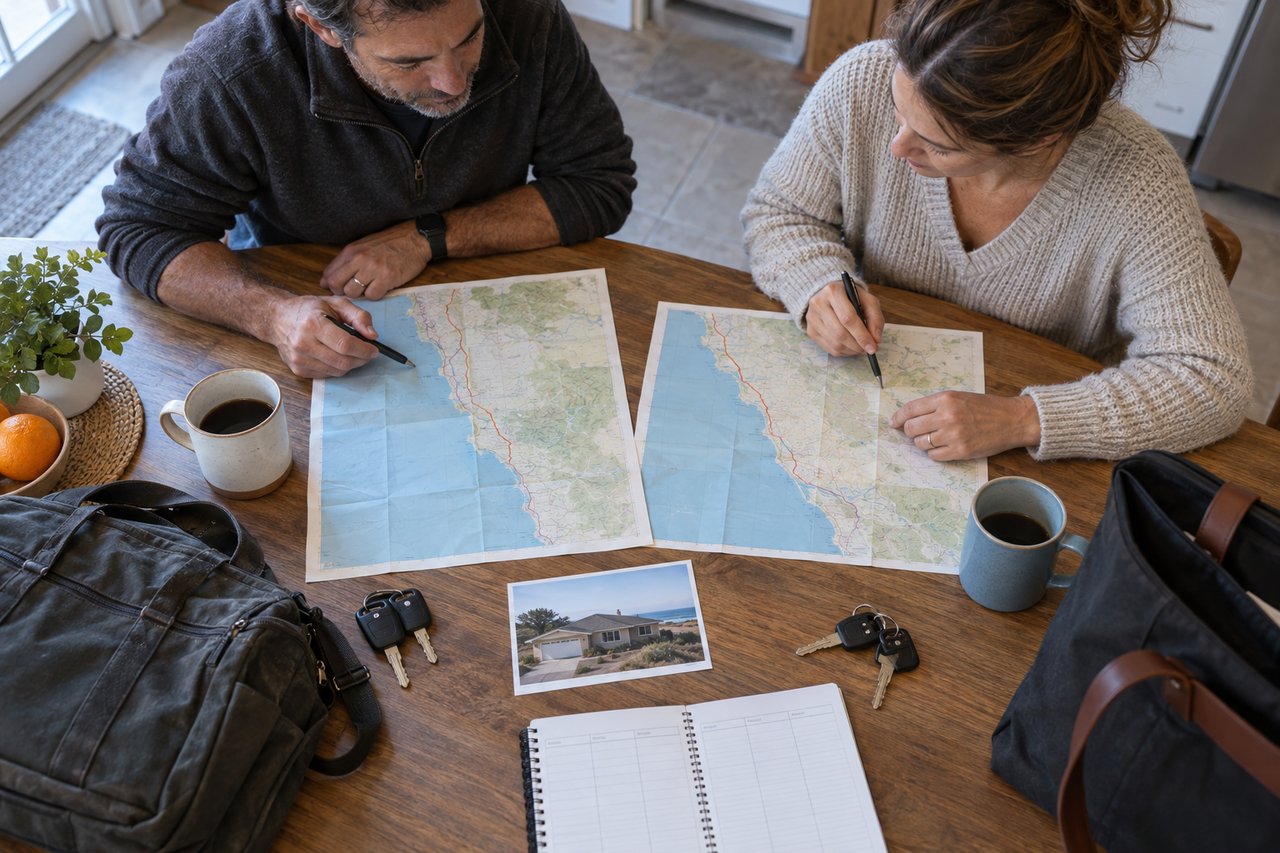
Test both routes, work schedules and the trip from a specific home before deciding whether Oceano supports the household's routine.
Amber Johnson | October 25, 2026
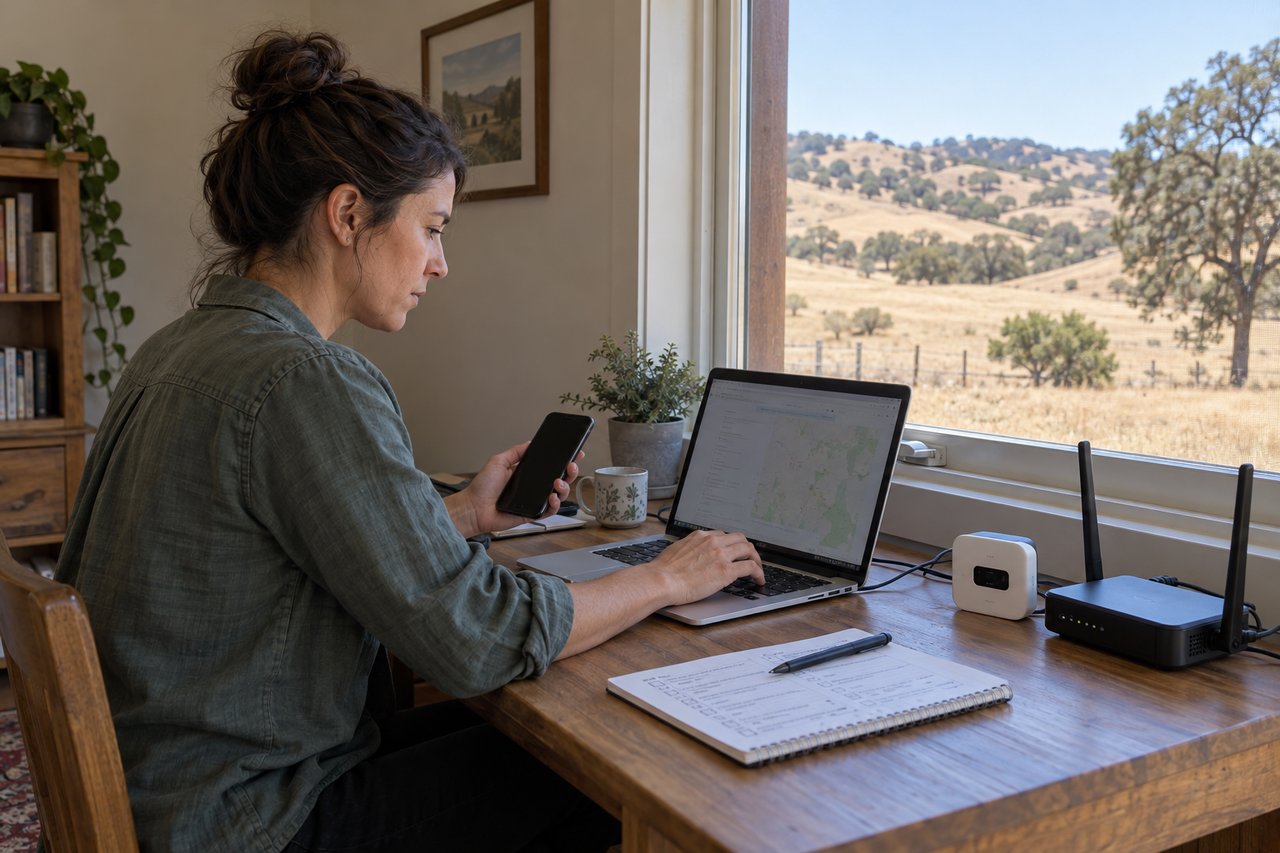
Verify service at the exact address, backup connectivity, power reliability and workspace needs before choosing a Creston property.

Amber Johnson | October 25, 2026
Set buyer expectations with accurate positioning, thoughtful presentation and firsthand checks at different times of day.

Amber Johnson | October 24, 2026

Amber Johnson | October 21, 2026

Amber Johnson | October 21, 2026

Amber Johnson | October 21, 2026
Check privacy, shared-space rules and activity near the unit before deciding whether courtyard-facing condo living suits you.
You’ve got questions and we can’t wait to answer them.
Amber Johnson, Founder
Pillar Real Estate
805.835.3425
DRE# 01925434
1345 Park Street
Paso Robles, CA 93446