How Should I Market a Paso Robles Home with a Small Backyard?
October 18, 2026
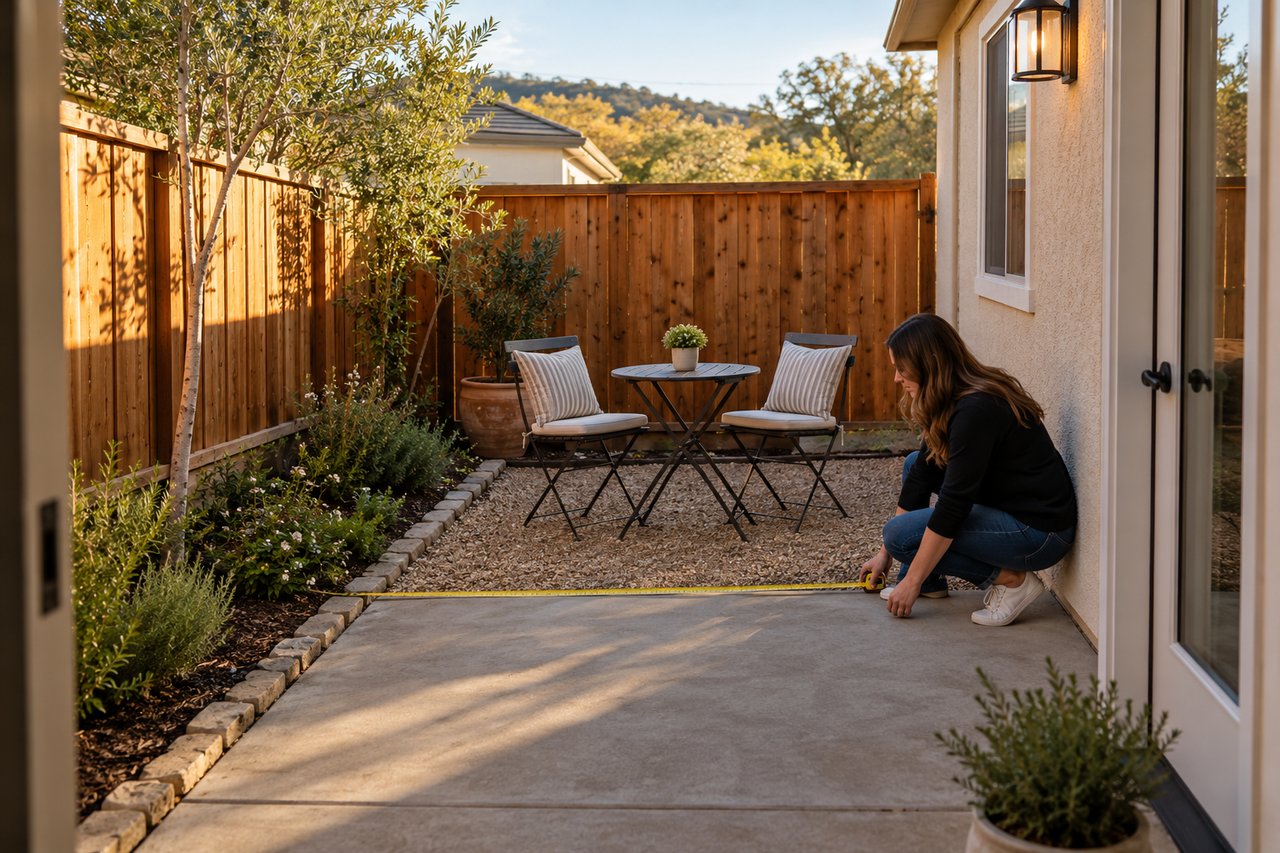
October 18, 2026
Market a Paso Robles home with a small backyard by showing what the space actually offers, not trying to make it look larger. Prepare it for a clear purpose, photograph it in honest proportion, and price the whole property against relevant alternatives. A compact yard is a tradeoff to explain, not a detail to hide.
Here's the thing. A buyer who wants room for a large garden or a pool may need something different. Another buyer may prefer a manageable outdoor area for a morning coffee, a few plants, or dinner outside. Your marketing should help both people understand the home before they visit.
I'm Amber Johnson, founder of Pillar Real Estate in Paso Robles. I help SLO County homeowners build a selling plan around their actual property and goals. With a small backyard, that starts with a practical look at the space, not a shopping list of improvements.
A lot-size figure doesn't tell a buyer how the backyard functions. The house, driveway, side areas, slopes, and other features can leave very different amounts of usable outdoor space.
Walk through the backyard from the door someone would normally use. Where can a person sit? Where do the trash bins go? Can someone move between the house, seating area, and side gate without squeezing past furniture?
Notice which parts are comfortable to use and which are mostly circulation or planting areas. A narrow strip behind the house shouldn't be presented as a large entertaining patio just because furniture can technically fit there.
If dimensions will appear in the marketing, verify them using an appropriate source and describe what was measured. Don't confuse the entire lot with the backyard or a paved area with all usable outdoor space.
Small spaces become harder to understand when they're asked to do everything. A dining set, lounge chairs, play equipment, storage boxes, and oversized pots can make an already compact yard feel crowded.
Choose a use that fits the existing space comfortably. That might be a small dining area, a quiet seating spot, or a simple place to tend a few plants. The choice depends on the layout, condition, and how the yard connects to the house.
Use furniture that leaves a believable walking route. Buyers should be able to see where chairs pull out and how someone gets around the table. A tiny decorative chair isn't a substitute for showing how an adult would actually use the area.
The goal isn't to create a staged scene that disappears at the showing. It's to make an existing possibility easy to recognize.
Start with cleaning, organizing, and basic upkeep. Remove unused items, put tools away, and reduce containers that interrupt the usable area. Check whether furniture placement is blocking a door or making a side passage look narrower than it is.
Our guide to what to remove before listing a Paso Robles home can help you think through that first pass. For a compact backyard, focus on clearing the routes and surfaces buyers need to understand.
Don't hide defects behind a planter or arrange furniture over a concern so it won't appear in photos. Presentation and condition are separate issues. A tidy yard still needs honest information about known problems.
If an area appears unsafe or a repair needs professional evaluation, address that question directly. Styling shouldn't become a way to avoid it.
It's easy to assume a small yard needs a major makeover before the home can sell. That isn't a decision to make from a generic improvement list.
Before adding paving, built-in seating, irrigation, or a large planting project, compare the cost with your timeline and the rest of the property. An expensive feature can also consume the flexible space a buyer might want to use differently.
Ask a simple question: does this work resolve a specific concern, improve an existing use, or mostly create a different look? Get appropriate estimates and check any required approvals before committing.
I would rather review the home and its likely competition with you before you spend. Sometimes a clean, orderly outdoor area is the sensible preparation. Sometimes a condition issue deserves attention first. It depends on your situation.
Professional photography should explain the backyard. Show the fence edges, the relationship to the house, and enough surrounding context for a buyer to understand the scale.
An attractive detail photograph can support the story, but it shouldn't replace an overall view. If every image is a close-up of flowers or a tabletop, the buyer still doesn't know how much space is there.
Ask the photographer to avoid a perspective that makes the yard appear substantially deeper or wider than it is. Furniture and ordinary architectural features can provide useful context when their proportions are natural.
Also show the connection from the interior. A photo taken near the back doorway can help explain whether the outdoor area is conveniently reached from a living space or accessed by another route.
Choose photography conditions that make the space clear, then think about what buyers will experience in person. A warmly lit evening image may be appealing, but buyers also need to understand the yard in ordinary daylight.
If shade, direct sun, nearby buildings, or neighboring windows affect how the area feels, don't frame every image to conceal that context. Buyers can decide which tradeoffs work for them when they have accurate information.
Keep the basic furniture arrangement available for showings when practical. If the photo suggests a usable table area, a buyer should be able to stand there and understand that same arrangement.
The marketing promise and the visit should match. A showing shouldn't begin with the buyer trying to reconcile the photograph with the fence directly in front of them.
You don't need to describe the yard as a drawback in every sentence. You do need to avoid words that promise more space or capability than the property provides.
Describe an existing feature plainly. If there is a compact patio with room for a small table, say that. If the outdoor area is mostly paved, describe it accurately rather than implying there is a lawn or a broad garden.
Be careful with claims such as private, maintenance-free, or ready for a pool. Each can suggest something that needs verification. A fence doesn't eliminate every sightline, and a small area still requires upkeep.
Don't promise that a buyer can expand the yard, remove a structure, or change a boundary without the appropriate information. Market what exists, and treat proposed changes as questions to investigate.
It's useful to explain the kind of routine a space can support. It isn't necessary to label the home as suitable only for a particular type of household.
Instead of assuming who should live there, describe the features. Show the seating area, access, surfaces, storage limits, and upkeep involved. Let buyers decide how those features fit their lives.
A buyer may have a small outdoor routine for many different reasons. Your job as a seller is to make the property understandable, not to decide which personal circumstances make someone the right buyer.
That approach also keeps the description useful. Practical information about the space tells readers more than a vague claim that the home is perfect for a certain group.
A small backyard doesn't come with a universal price deduction. The question is how buyers are likely to compare this home with other realistic choices.
Review location, interior layout, condition, usable outdoor area, and other relevant differences together. A larger lot across town may not answer the pricing question if the home and setting are substantially different.
Our article on checking your Paso Robles home's price before listing explains the broader comparison. Keep the backyard in that discussion without allowing one feature to replace the entire analysis.
Don't assume another feature automatically cancels out the yard's limits. Likewise, don't assume every buyer values additional outdoor space equally. A pricing recommendation should be supported by the property's actual competitive position.
Paso Robles offers different property settings, and an outdoor-space decision often sits alongside other priorities. A buyer comparing an in-town home with acreage is considering more than the size of a patio.
Our comparison of in-town neighborhoods and rural acreage in Paso Robles can help frame that broader choice. It doesn't establish that one setting is better or that a compact yard will suit every buyer.
Keep any location claims specific and verifiable. Don't promise walkability, quiet, or easy access to amenities based only on the neighborhood name. The particular address and the buyer's actual routes matter.
Marketing the setting well means explaining a real tradeoff. It doesn't mean using nearby public space to imply the property includes outdoor room it doesn't have.
After showings begin, look for a pattern in the feedback rather than reacting to one comment. Ask whether buyers understood the backyard before visiting and whether the space felt consistent with the photos.
If several people say it seemed larger online, review the images and description. If buyers understand the size but need something different, that isn't necessarily a presentation problem.
Consider the whole response to the home, including its price and other features. Don't assume every hesitation is caused by the yard, and don't buy new furniture simply because one visitor preferred another arrangement.
At Pillar Real Estate, the right strategy starts with showing the actual home clearly. We can review what needs preparation, what deserves a professional opinion, and how the backyard fits the overall marketing plan.
Visit Sell With Amber to talk about selling your Paso Robles home and presenting its outdoor space honestly.
Amber
Pillar Real Estate | Amber Johnson, Founder
805.835.3425 | [email protected]
1345 Park St. Paso Robles, CA 93446 | DRE# 01925434
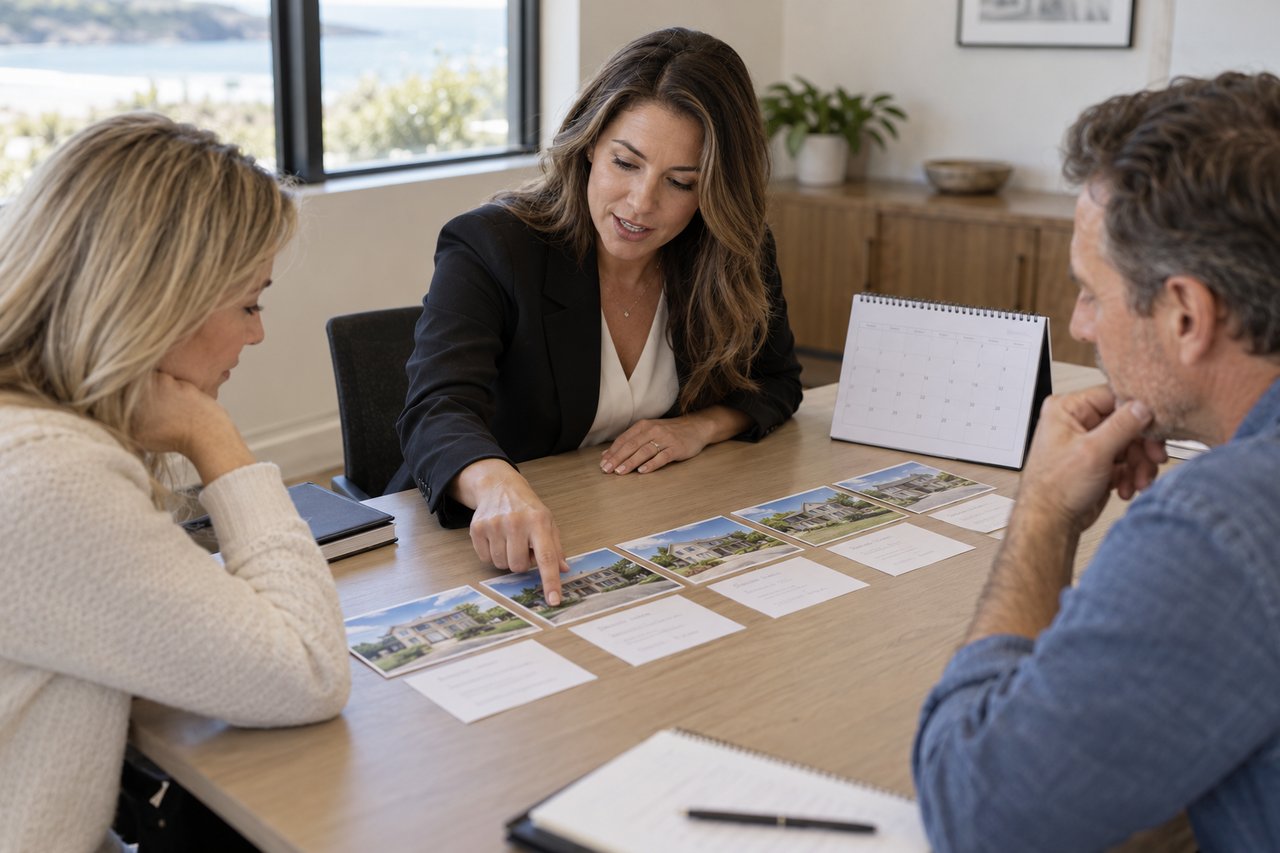
Amber Johnson | October 30, 2026
Use days on market with price changes, property condition and local competition before deciding how much negotiating room exists.
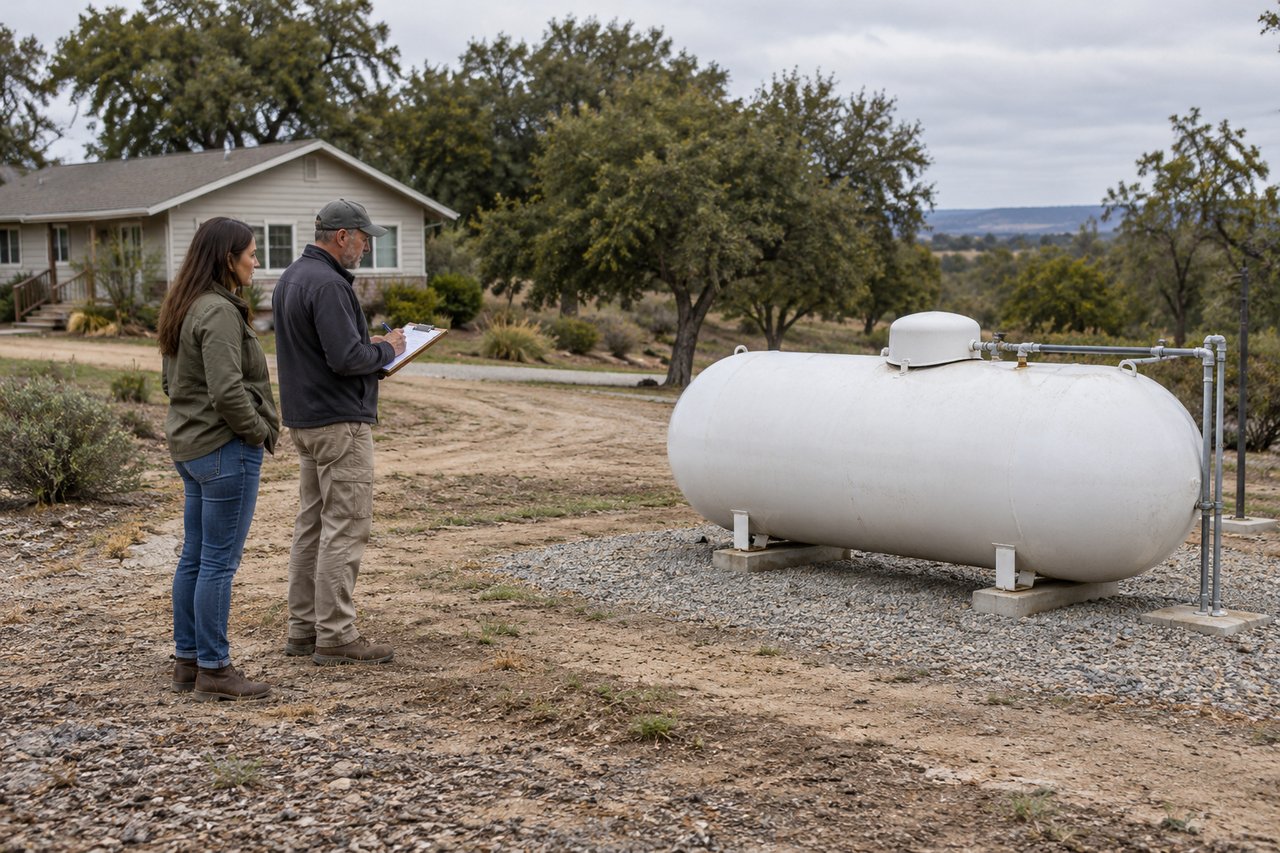
Amber Johnson | October 29, 2026
Confirm ownership, records, fuel access, tank condition and service history before relying on propane at the property.
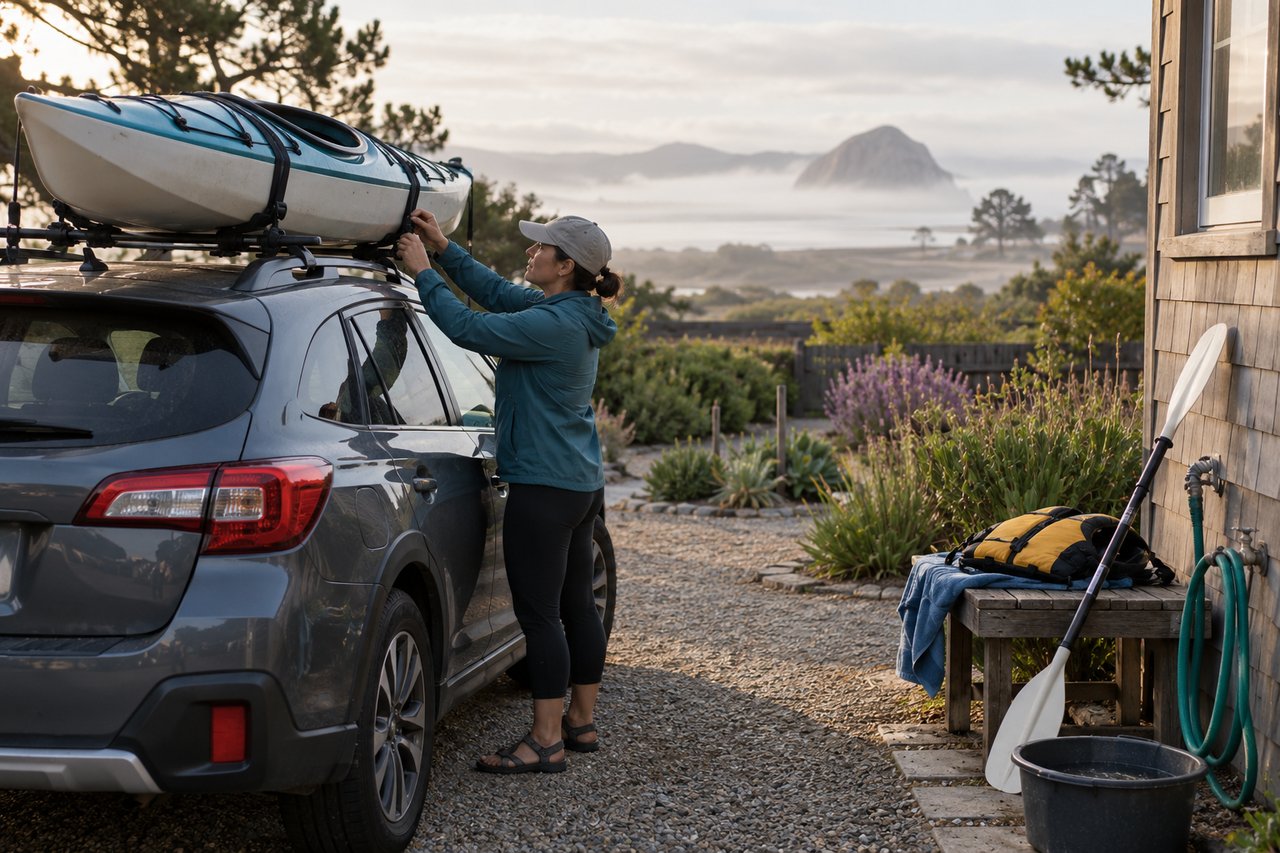
Amber Johnson | October 29, 2026
Compare bay access, storage, weather, cleanup and weekday timing before making paddling part of your routine.

Amber Johnson | October 29, 2026
Test the route, schedule, lighting and daily errands from the exact homes and workplaces you are considering.
Amber Johnson | October 29, 2026
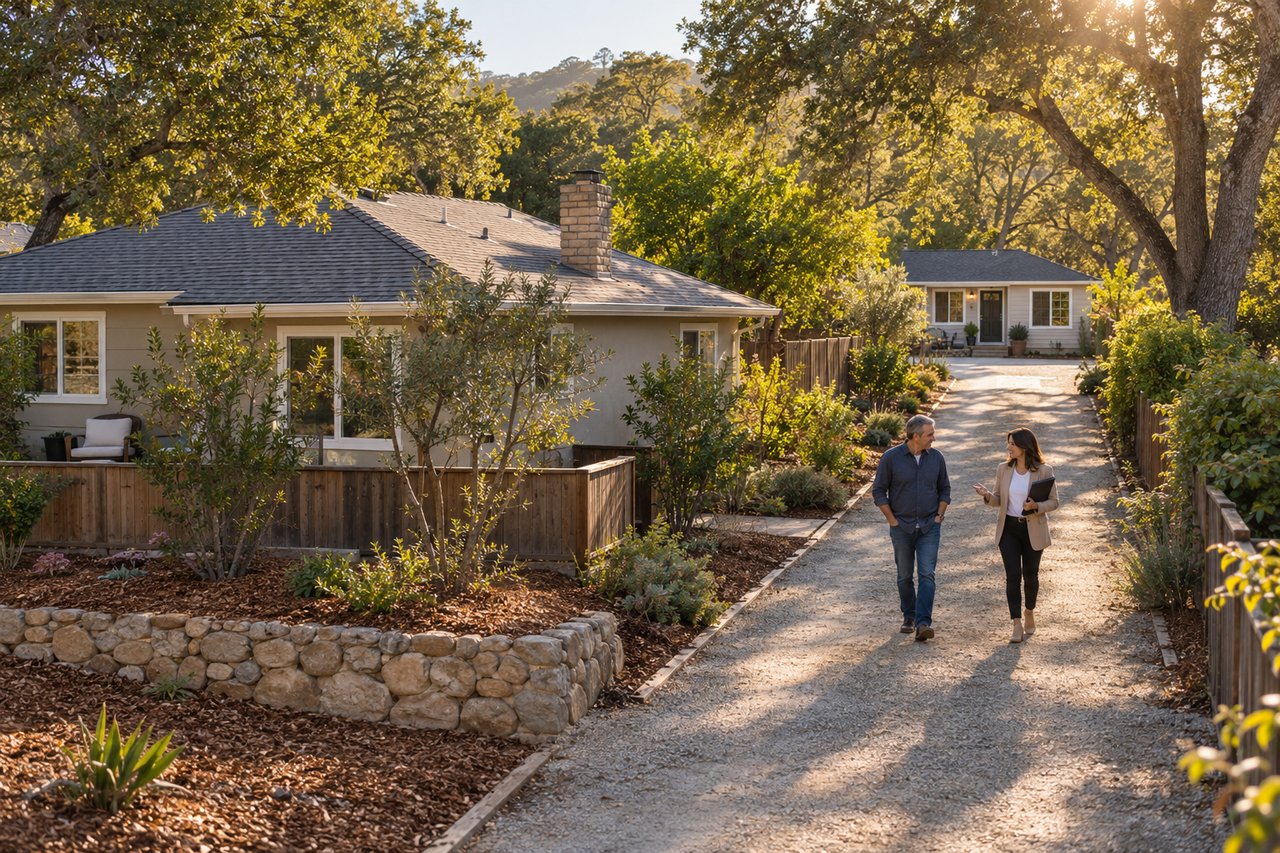
Lead with privacy and setting, then answer access, address visibility and driveway questions before buyers have to ask.
Amber Johnson | October 29, 2026
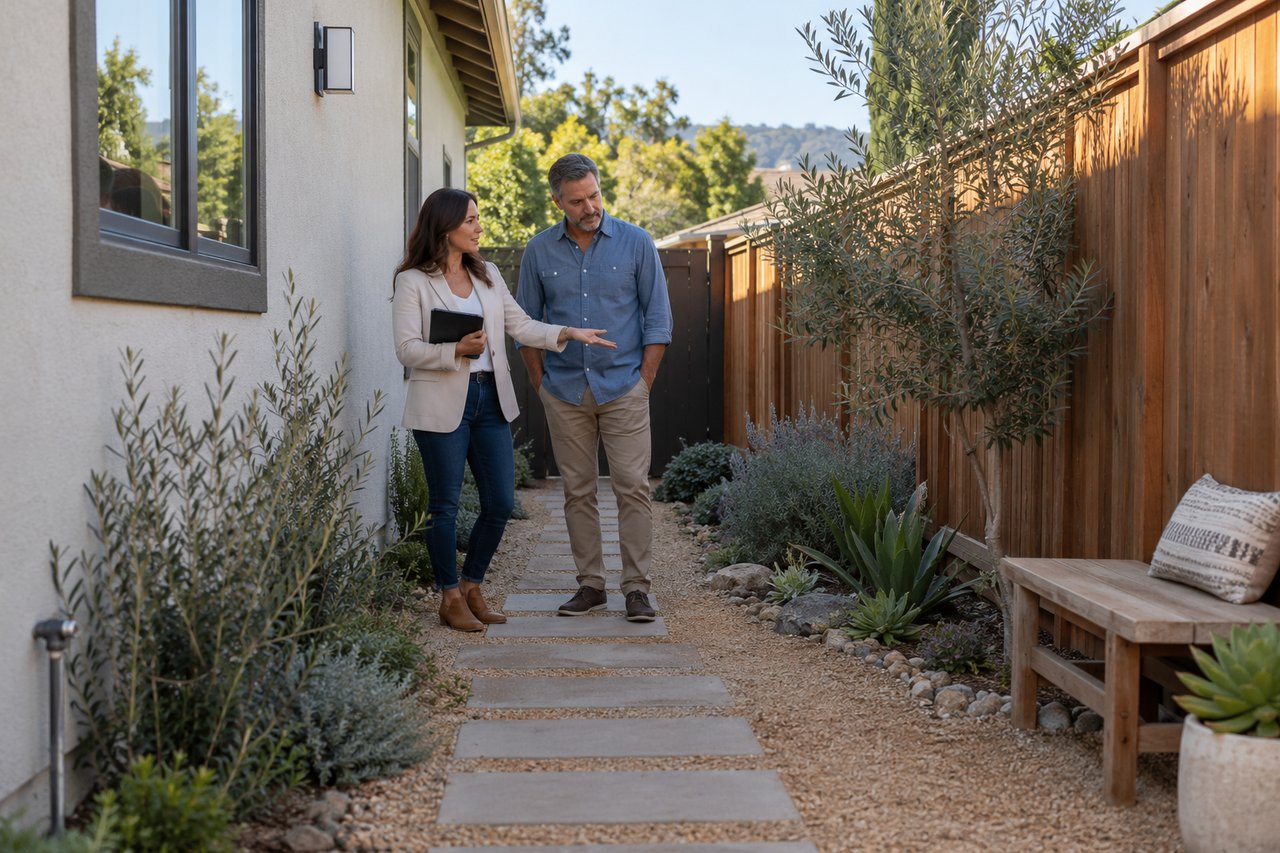
Show buyers how the space functions, improve access and frame realistic outdoor uses without overselling it.

Amber Johnson | October 28, 2026

Amber Johnson | October 28, 2026

Amber Johnson | October 26, 2026
You’ve got questions and we can’t wait to answer them.
Amber Johnson, Founder
Pillar Real Estate
805.835.3425
DRE# 01925434
1345 Park Street
Paso Robles, CA 93446