Should I Address Standing Water in the Yard Before Selling My Paso Robles Home?
November 4, 2026
November 4, 2026
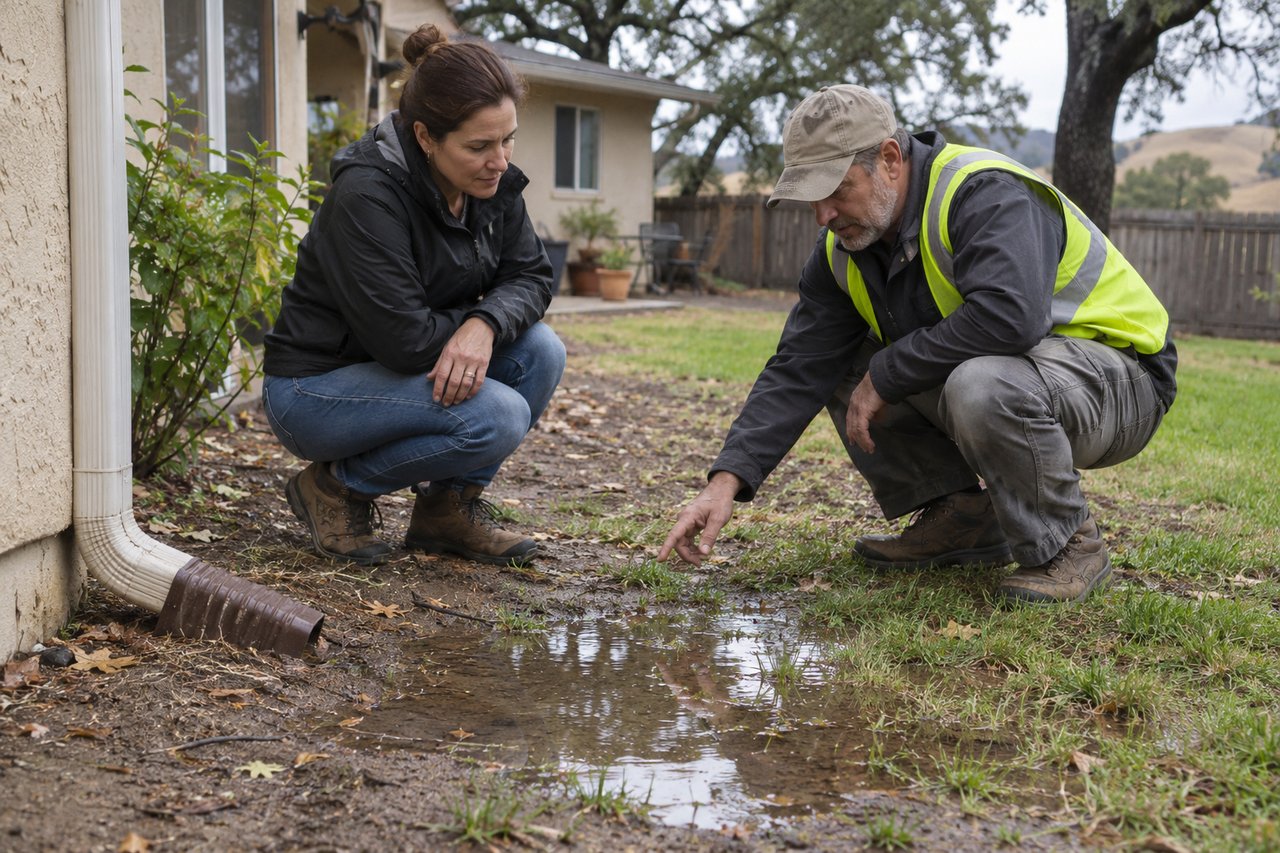
Yes. If water regularly collects in your yard, address the question before listing your Paso Robles home. That starts with understanding the cause, the affected area and the repair options. It doesn't automatically mean paying for a major drainage project.
A shallow puddle after rain and recurring water beside the house deserve different conversations. The goal is to replace uncertainty with useful information. Then you can decide whether to complete appropriate work before listing or build an informed sale plan around the existing condition.
I'm Amber Johnson, founder of Pillar Real Estate. I help Paso Robles and SLO County homeowners make preparation decisions around their property and goals. For standing water, the right strategy starts with an assessment, not a landscaping purchase.
Before asking what a repair will cost, describe what happens. Where does the water collect? Does it follow rain, irrigation or both? Have you noticed it once, or does the same patch stay wet repeatedly? Those observations give a qualified professional somewhere to begin.
Take dated photos from a safe place while the condition is visible. Include a wider view showing the house, yard and nearby hard surfaces. A close photo of a puddle alone may leave out the context someone needs to understand it.
Write down when you noticed the water and when you next saw the area dry. Record what you know without filling gaps with assumptions. If you weren't home during a storm, say that. A simple factual record is more useful than an explanation you can't support.
Keep earlier invoices, drainage plans or repair records together if you have them. Don't describe the issue as new simply because you recently noticed it. Equally, don't assume a past repair has failed without asking someone qualified to assess the current condition.
The location matters when deciding your next step. Water collecting beside the home raises a different set of questions from water in a low corner of the garden. Ask the professional to evaluate the relationship between the wet area and nearby structures.
Gutters and downspouts are part of that conversation. They are intended to manage roof runoff and direct it away from the building. A visible downspout near a puddle is a clue to investigate, not proof that you've identified the whole problem.
Also point out patios, paths, retaining walls and existing drain openings near the affected area. You don't need to diagnose how they interact. You do need to show the person evaluating the yard what you've observed across the property.
If a retaining wall is involved, keep that concern in the assessment rather than treating it as unrelated landscaping. My article on deciding whether to repair a retaining wall before selling explains how condition and documentation fit into a preparation decision.
Start by explaining the problem to a qualified drainage professional or appropriately licensed contractor. Ask whether the issue fits their work and whether another specialist should be involved. The person who installs landscaping isn't automatically the right person to evaluate every drainage concern.
Ask for an explanation you can understand. What did they observe? What remains uncertain? What additional information would change their recommendation? A useful assessment separates confirmed conditions from possible causes instead of treating every wet yard the same way.
If there are concerns about the house itself, ask who should evaluate those separately. Don't use a yard estimate as a substitute for a structural assessment. Sellers dealing with a confirmed concern may also find my discussion of selling a home with a known foundation issue helpful for understanding the role of reports and estimates.
Your real estate agent can help organize the sale decision. Your contractor or other qualified specialist needs to explain the physical condition and proposed work. Keeping those roles clear makes it easier to compare options without asking anyone to promise something outside their expertise.
A total at the bottom of an estimate isn't enough to compare repair choices. Ask what the work includes, which observed condition it addresses and what it leaves outside the scope. You should understand the proposed result before agreeing to the expense.
For example, ask whether the proposal involves maintenance, changes to roof runoff, surface work or another drainage approach. Don't choose a particular system because its name appears in an online article. The recommendation should fit the actual property.
Ask where the water is intended to go and what site conditions need checking first. If work could affect neighboring property or shared facilities, raise that before proceeding. Have the professional confirm applicable approvals and requirements rather than assuming every alteration is straightforward.
Also ask about access, excavation, yard restoration, cleanup and ongoing maintenance. These details affect the total expense and your listing timeline. Two estimates may look different because they cover different work, not because one contractor is simply charging more.
Once the condition and options are clearer, compare them with your plans. How soon do you need to move? Can the work be completed and documented before marketing begins? What would you need to postpone while the yard is being worked on?
Consider both the direct cost and the disruption. A project may involve more than the drainage work itself. If paths, planting or outdoor access are affected, include that in the preparation plan rather than discovering it immediately before photography.
I wouldn't promise that any drainage repair will return a specific amount at closing. The decision depends on the condition, the available choices and how the property will be positioned. Reducing an important uncertainty can matter even when there isn't a simple dollar-for-dollar calculation.
Sometimes completing appropriate work before listing is the more manageable option. In other situations, the seller may need to consider selling with the condition unresolved. That decision should follow the assessment and a discussion of the practical consequences, not replace them.
If you complete work, retain the written scope, invoices, relevant approvals and any warranty information provided. Ask for a plain explanation of what was done. Keep the wording consistent with the actual documents rather than making broader claims in your own summary.
Be careful with phrases such as “permanently solved” or “never happens anymore.” A dry yard on the day you take photos doesn't establish how it will behave under every condition. Describe completed work accurately and leave technical conclusions to the appropriate professional.
If you don't repair before listing, keep the assessment and estimates organized. Talk with your broker about how to handle your known observations, records and required disclosure process. A buyer credit is a potential negotiation term, not a substitute for understanding the condition.
Don't cover a recurring wet patch with fresh landscaping just to make it less visible. Presentation should help buyers understand the property. It shouldn't create a cleaner-looking yard at the expense of a clear account of what you know.
Put the assessment early in your preparation schedule. If you wait until the home is photographed, a repair decision may force you to revisit work you've already paid for. Early information gives you more room to choose a practical sequence.
Ask the contractor what needs to happen before and after the work. Then coordinate that with cleaning, yard maintenance and photography. Avoid making promises about completion dates until the people doing the work have confirmed their availability and scope.
If you're still living in the home, consider how the project affects daily access and outdoor use. My guide to preparing your home for sale while still living in it can help you put necessary work into a manageable sequence.
Photograph the yard honestly when it is ready. Keep records of earlier conditions available even if the marketing photos show a dry day. The photos, your observations and the professional documentation should tell a consistent story.
Before deciding you're ready to list, ask yourself five questions: Do I know when and where the water appears? Have I obtained appropriate advice? Do I understand the proposed work? Have I compared the cost and timing with my sale plans? Are my records organized?
If one answer is missing, identify the next person or document needed to fill that gap. You don't need every uncertainty settled by tomorrow. You do need a clear next step instead of a growing list of guesses.
For a Paso Robles seller, addressing standing water means taking it seriously and making an informed decision. It doesn't mean treating every puddle as a major defect. It also doesn't mean waiting for a buyer to discover a recurring condition during escrow.
Here's the thing: generic pre-listing advice can't tell you whether your yard needs maintenance, a repair or further evaluation. Your property deserves a more specific answer. Start with the observations, get the right assessment and then compare realistic choices.
At Pillar Real Estate, I help local homeowners connect preparation decisions with the larger sale plan. That includes knowing when to bring in a qualified specialist, keeping the paperwork organized and deciding what makes sense for your goals before spending money.
Thinking about selling your Paso Robles home? Let's talk about the yard condition and the next step that makes sense for your situation. Visit Sell With Amber to start the conversation.
Amber
Amber Johnson
Founder, Pillar Real Estate
805.835.3425
[email protected]
1345 Park St. Paso Robles, CA 93446
DRE# 01925434
Website: https://pillarrealestate.com/
Amber Johnson | November 4, 2026
Identify the cause and compare repair options before buyers see the yard.

Amber Johnson | November 4, 2026
Understand what the gap may reflect, which price changes came first and why property type and timing still matter.
Amber Johnson | November 4, 2026
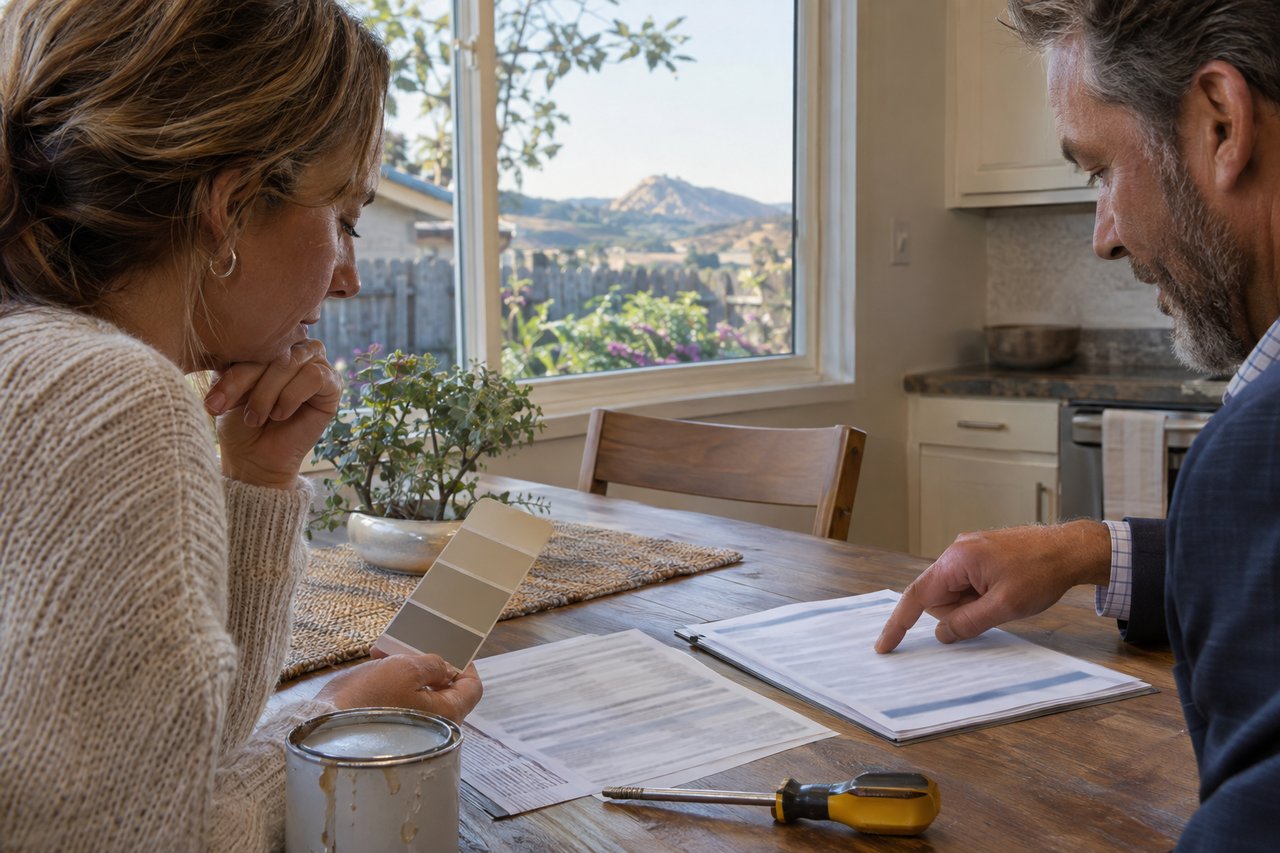
Compare the cost, timing and buyer impact of each option before choosing.
Amber Johnson | November 4, 2026
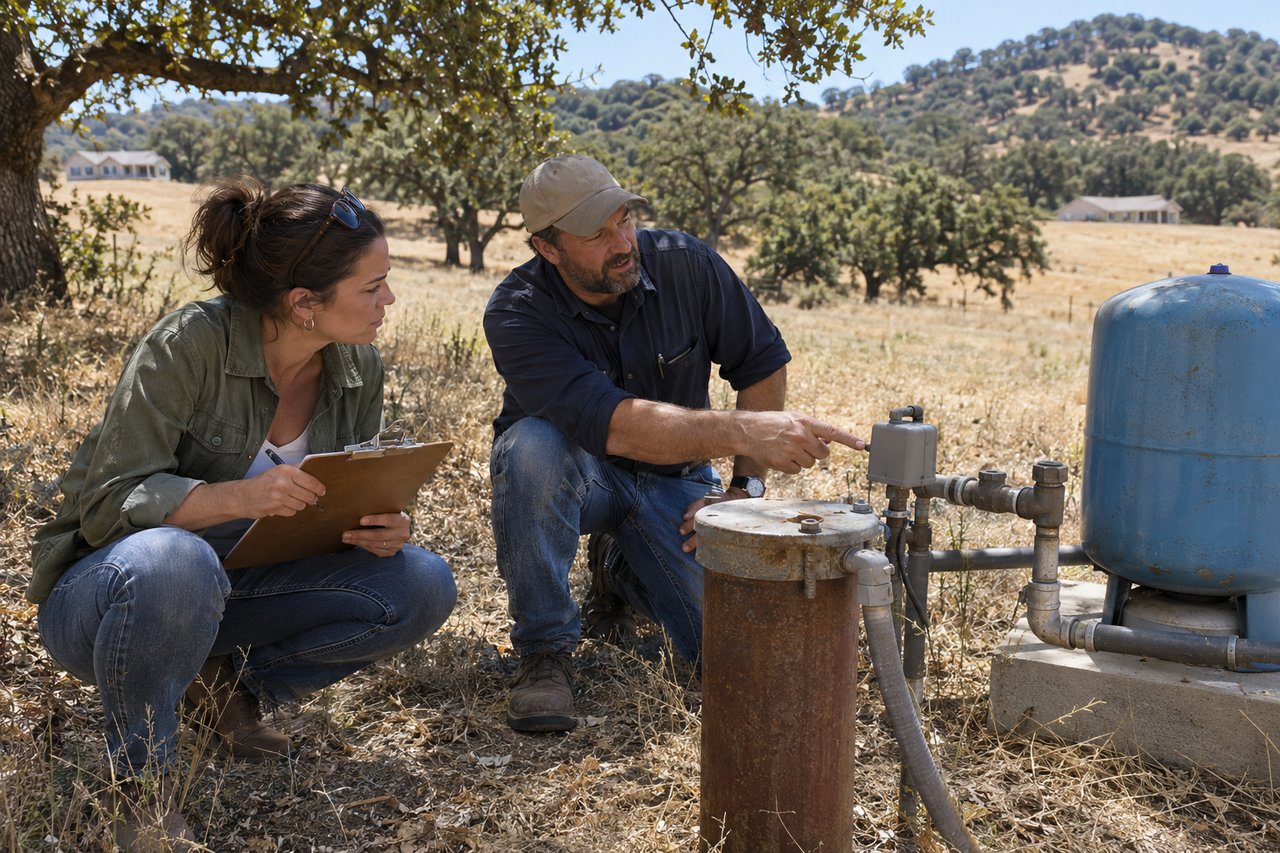
Review the well arrangement, records and equipment before committing to the property.

Amber Johnson | November 3, 2026
Think through market access, travel and how often the routine fits your week.
Amber Johnson | November 3, 2026
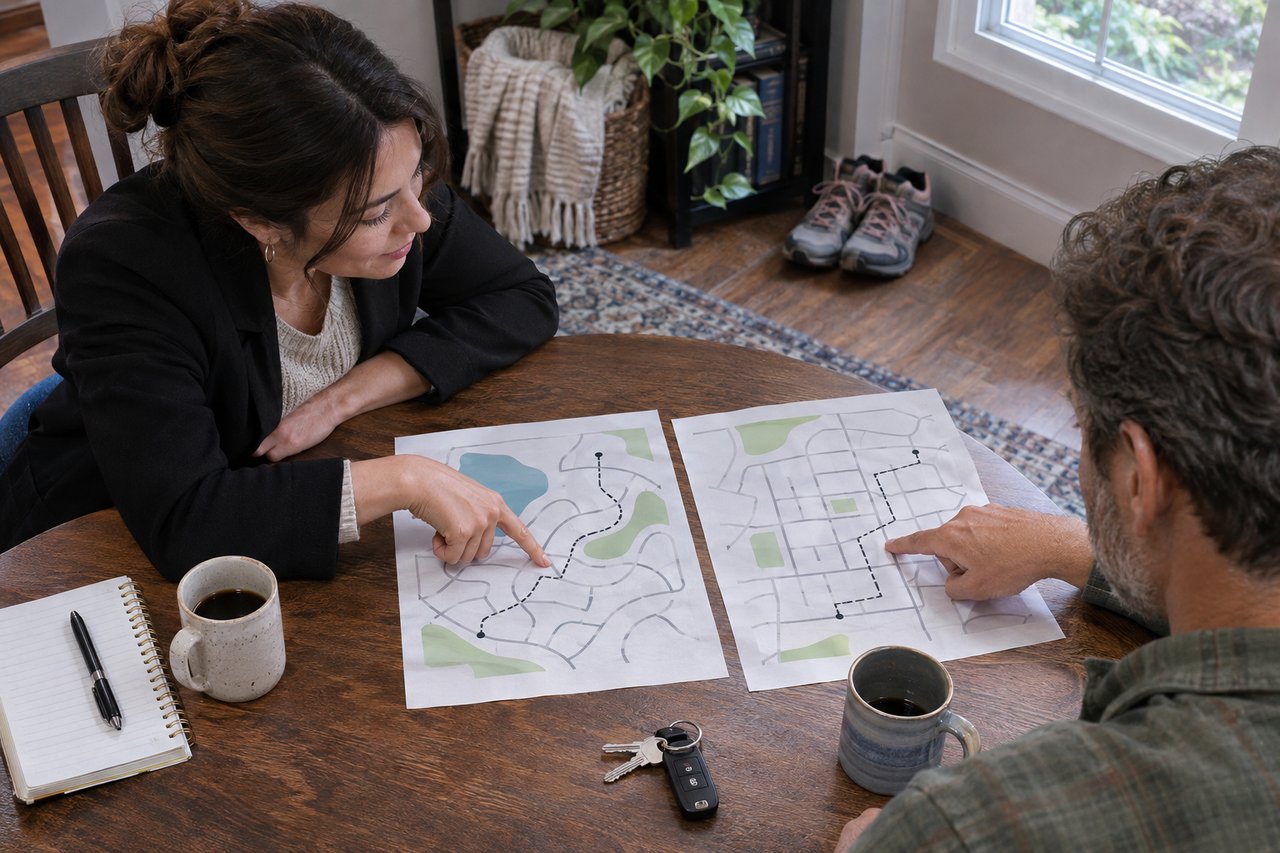
Compare the daily routes and home settings that matter to you in each area.

Amber Johnson | November 3, 2026
Test parking, daily routes and the layout of a specific home before deciding.
Amber Johnson | November 3, 2026
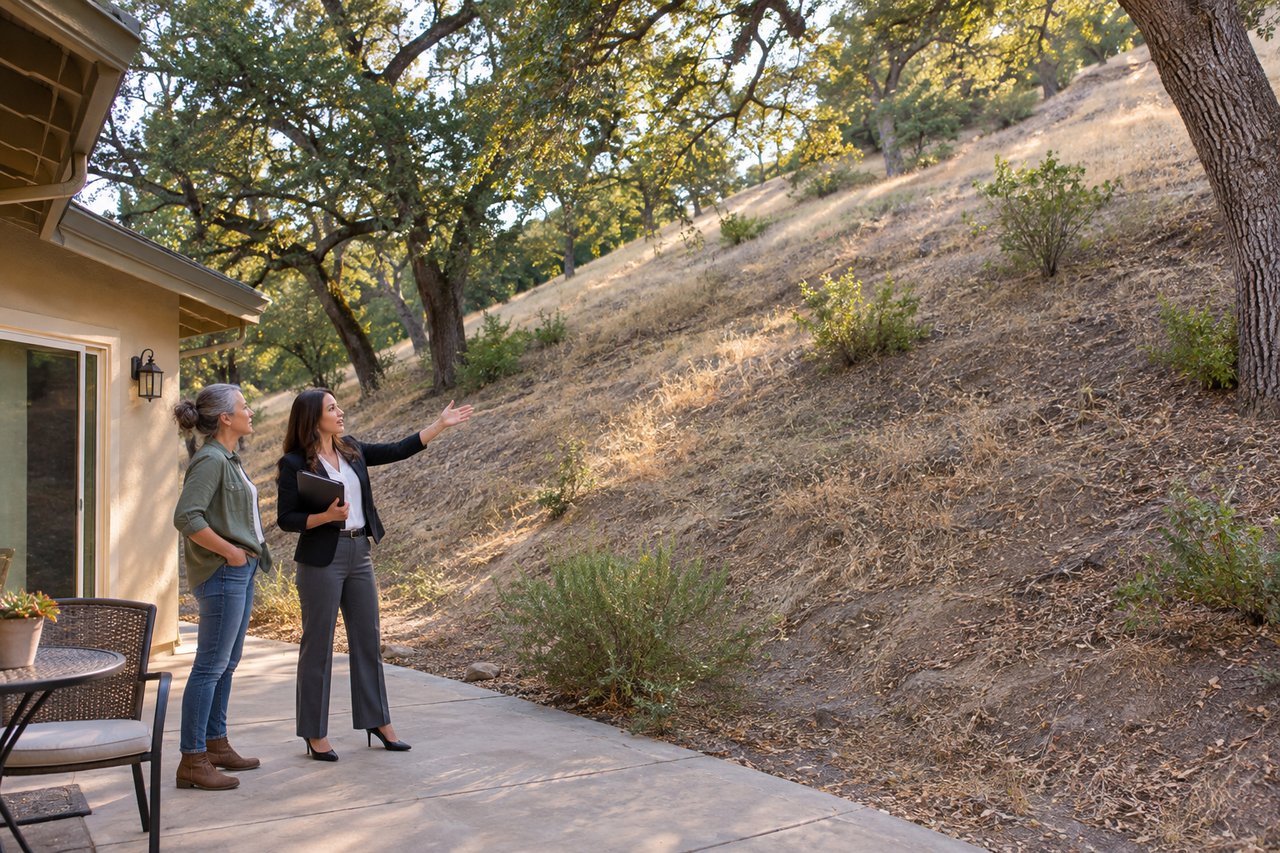
Show how the yard can be used while setting clear expectations about the slope.

Amber Johnson | November 3, 2026
Verify the assigned space, governing documents, access, dimensions and guest-parking rules before relying on the parking arrangement.
You’ve got questions and we can’t wait to answer them.
Amber Johnson, Founder
Pillar Real Estate
805.835.3425
DRE# 01925434
1345 Park Street
Paso Robles, CA 93446