Should I Repair a Retaining Wall Before Selling My Atascadero Home?
November 1, 2026
November 1, 2026
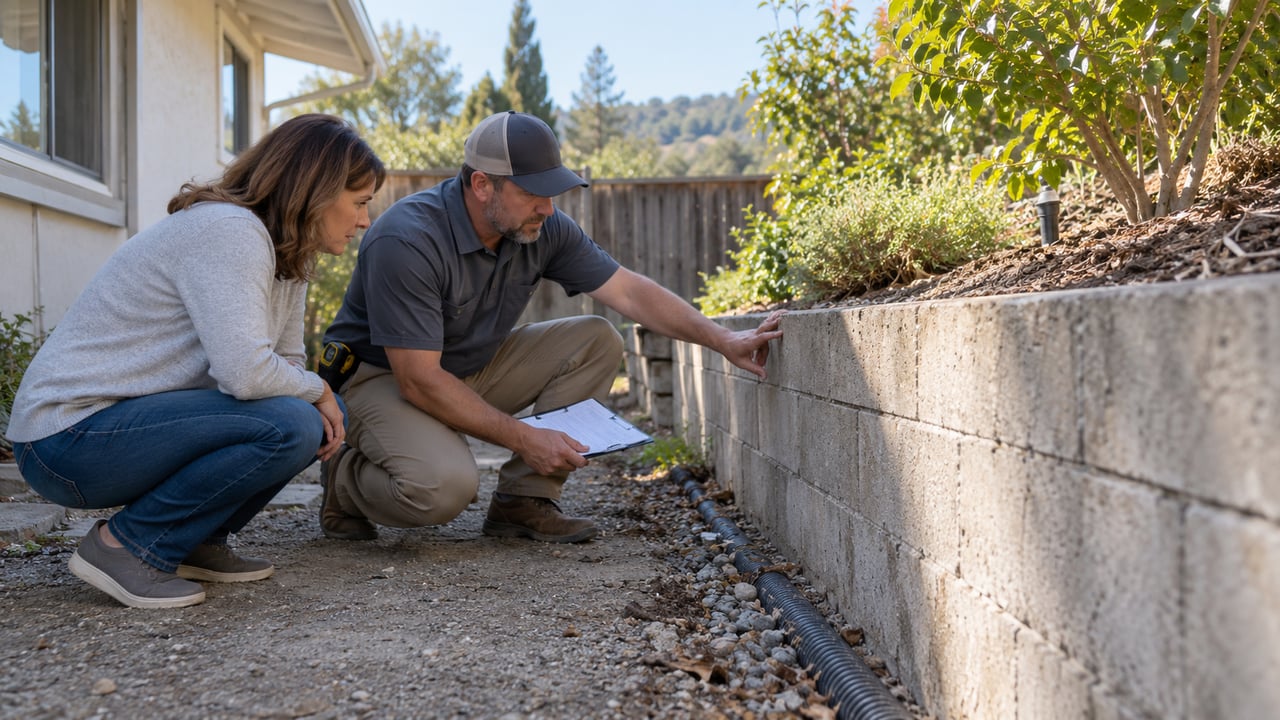
You may need to repair a retaining wall before selling your Atascadero home, but don't start with a repair quote alone. First, find out what the wall does, what condition it's in, and what a qualified professional recommends. A wall with a documented concern deserves a different plan from one that simply looks weathered.
Then connect that assessment to your sale. Can the work be completed properly before listing? Would selling with the issue clearly documented make more sense for your situation? Those are separate decisions, and you need enough information to make both.
I'm Amber Johnson, founder of Pillar Real Estate in Paso Robles. I help Atascadero and other SLO County homeowners make property-specific preparation decisions. My starting point is the same here: understand the concern before committing your preparation budget.
A retaining wall holds back soil. That makes its job different from a decorative garden border, even when both look similar. Before deciding whether to repair it, identify the area above it and the space below it.
Is it beside your driveway? Does it create a level yard near the house? Is there a slope behind it, a neighboring property nearby, or an access route below it? Make a simple list and take photographs from safe locations. Don't dig around the footing or remove material to investigate it yourself.
These details give a contractor or engineer a useful starting point. They also help me understand how the wall relates to the way buyers would use your property. A concern beside the main approach may need a different sale plan from a concern in a less-used corner.
Weathering doesn't tell you whether a wall needs structural repair. Neither does a fresh coat of paint tell you that it's sound. The first question is what the visible condition means, not whether we can make it photograph better.
Note anything you've observed: cracks, a change in alignment, loose material, or water collecting nearby. Include when you first noticed it and whether you have older photographs. Describe observations plainly rather than assigning a cause.
A qualified professional can decide what further investigation is appropriate. Depending on the concern, that may involve a contractor experienced with retaining walls, a structural engineer, or another specialist. My role is to help coordinate the sale decision around that information, not diagnose the wall.
Until you have that assessment, avoid describing the issue as minor, cosmetic, or an easy fix. Those words may promise more than the evidence supports.
A useful assessment should help you understand the concern and the next step. A price without a clear scope can leave you comparing very different projects.
Ask what was inspected, what remains unknown, and whether additional professional review is recommended. If repair is proposed, ask which section it covers and what problem the work is intended to address.
Also ask whether the recommendation includes related drainage work, access needs, removal of existing material, and restoration of the surrounding area. You don't need to become a wall specialist. You do need to know what you're being asked to approve.
If two proposals differ substantially, have the professionals explain why. One may address a limited repair while another assumes replacement. Comparing totals alone won't tell you which scope fits the actual condition.
Ask the assessing professional to review drainage around the wall as part of the evaluation. Point out where you have seen standing water, runoff, damp areas, or irrigation reaching the wall.
Keep observations specific. A photograph taken after rain may be helpful, but it doesn't establish the cause of a problem. Let the appropriate professional interpret it.
Don't redirect runoff, block an outlet, or excavate behind the wall simply to improve its appearance before photographs. Ask what should be left alone and what maintenance is appropriate. A preparation shortcut can complicate the assessment.
For the sale plan, I want to know whether the proposed work addresses the identified concern and whether follow-up work remains. An attractive finished surface isn't a substitute for a clear explanation of what was done.
Look for construction plans, permits, inspection records, contractor invoices, warranties, and earlier evaluations. If a previous owner supplied documents when you purchased, include those too.
Keep the records organized by date. Separate original construction documents from later maintenance or repairs so someone reviewing the file can follow the sequence.
Missing paperwork doesn't, by itself, tell us whether the wall is defective or whether work was permitted. It tells us what we still need to investigate. Don't fill that gap with an assumption.
If ownership or responsibility is unclear, raise that question before authorizing work. A wall near a boundary can require a review of the relevant records and professional advice. Being the person who maintains the planting beside it doesn't establish who can approve alterations.
Confirm the property's jurisdiction and ask the responsible building department about the specific proposed work. An Atascadero mailing address is a starting point, not a substitute for confirming which agency handles the parcel.
The City of Atascadero's Building Division provides retaining-wall submittal information. Its published checklist considers more than the visible height of a wall. Have the appropriate professional and permit staff confirm what applies to your project before work begins.
Don't assume a repair is exempt because the wall looks low or because someone calls the work maintenance. Don't assume an old wall must be rebuilt simply because its records aren't readily available. Get a property-specific answer.
Build any required plans, review, inspections, and completion documentation into the timeline. Ask for realistic steps rather than promising buyers a completion date before those steps are understood.
Repair may be the practical choice when a qualified assessment identifies necessary work and you can complete the appropriate scope properly. It may also simplify the presentation of a home when the wall is central to access or everyday use.
That doesn't mean every recommended project belongs on your pre-listing checklist. We still need to consider your timing, available resources, and the rest of the property's condition.
I would rather have that discussion before you commit. My approach to preparing an Atascadero home for sale starts with your specific property and goals. The wall belongs in that larger plan, while its technical assessment stays with the qualified professionals.
If we choose repair, keep the scope, invoices, required approvals, and final records together. Be clear about any exclusions or remaining recommendations.
You may decide to sell without completing the proposed work. That decision should follow an informed discussion of the condition, the documentation available, and how the property can be presented accurately.
It isn't a way to avoid answering questions. A buyer may want an independent evaluation, a different repair scope, or more time to review the records. We need to plan for those possibilities rather than treating an estimate as the final answer.
Ask your agent how the condition could affect buyer interest and negotiation. If a buyer will use financing, ask the lender about any property-condition requirements for that transaction. Don't promise that every financing option will accept the property unchanged.
The right strategy may be repair, a carefully documented sale with the condition, or further investigation before deciding. Your goals matter, but so does what we actually know.
When reviewing a repair proposal, look beyond the visible wall work. Ask about professional design, permits, site access, disposal, drainage, cleanup, and any work needed afterward. Confirm which items are included.
Then consider the schedule. Will the work interfere with showings or the only practical route around the home? Could an unfinished area make it difficult to present the property clearly?
Compare those demands with the alternative of listing with the condition documented. We can't assume a repair adds its cost directly to the sale price. Nor should we assume a buyer's requested adjustment will equal the contractor's estimate.
For related preparation decisions involving safety and function, my article on repairing loose handrails before selling explains why appearance and practical use need separate attention.
Once we have a plan, the marketing should reflect the property's actual condition. Don't hide a concern with planters, temporary panels, or carefully cropped photographs.
Keep safe access clear and let the qualified professional identify any areas that should be restricted. Photography and showings can be planned around those recommendations without minimizing the issue.
Where a wall relates to driveway access or a change in elevation, buyers also need to understand the layout. My discussion of marketing an Atascadero home with a steep driveway covers presenting access clearly. The same care helps us explain where a wall sits and how the surrounding space functions.
Keep descriptions factual. Say what was evaluated, what work was completed, and which records are available. Avoid claims about permanent performance that the documentation doesn't support.
Start by gathering records and arranging the right assessment. Then review the proposed scope, any required approvals, the total project, and your intended sale timeline.
That order gives you a useful decision. You aren't repairing a wall because a generic selling checklist told you to. You're deciding what makes sense for this Atascadero home and the people who may buy it.
At Pillar Real Estate, I help sellers connect preparation, pricing, and marketing from start to finish. If you're unsure where the wall fits, let's look at the property and establish what information we need before you commit to work.
Thinking about selling your Atascadero home? Visit Sell With Amber to start a conversation about a preparation plan that makes sense for your goals.
Amber
Pillar Real Estate | Amber Johnson, Founder
805.835.3425 | [email protected]
1345 Park St. Paso Robles, CA 93446 | DRE# 01925434
Amber Johnson | November 3, 2026
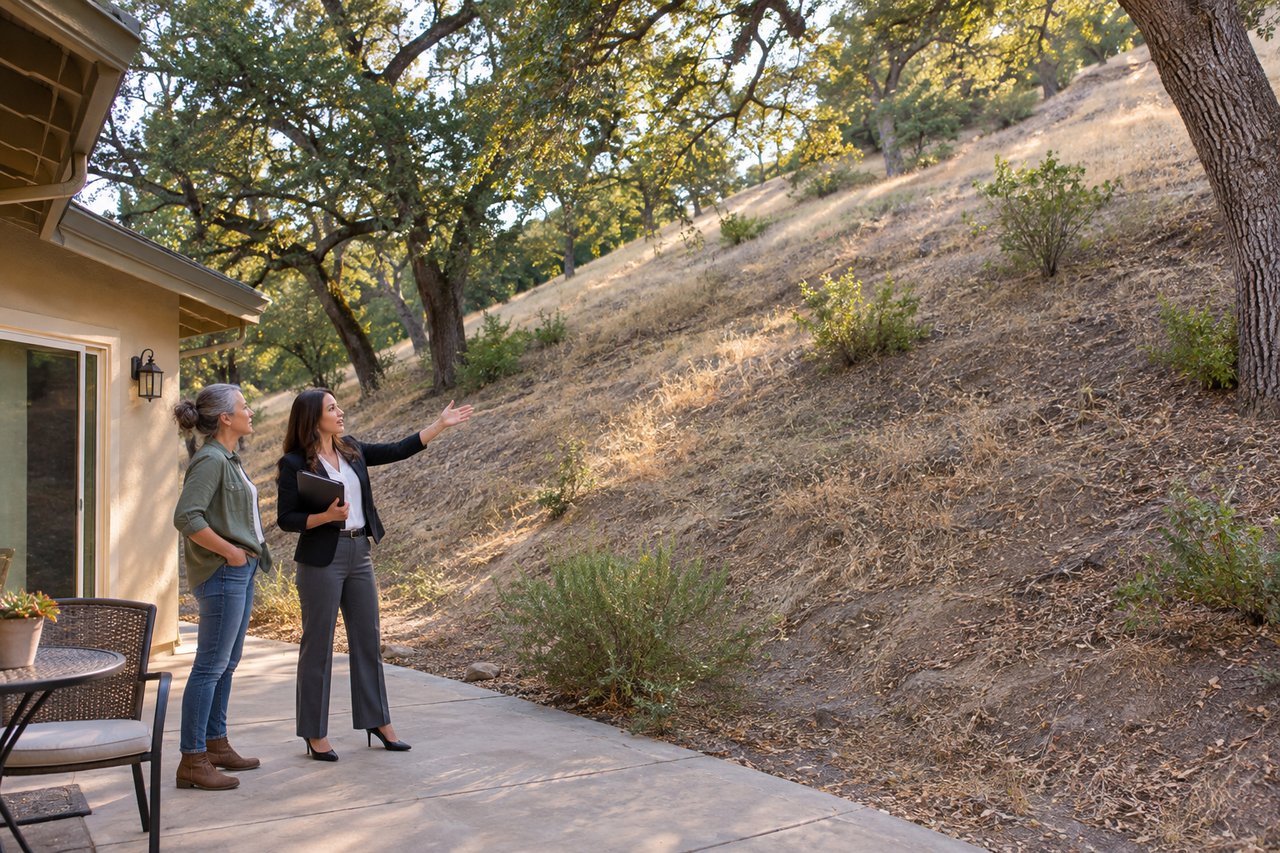
Show how the yard can be used while setting clear expectations about the slope.
Amber Johnson | November 3, 2026
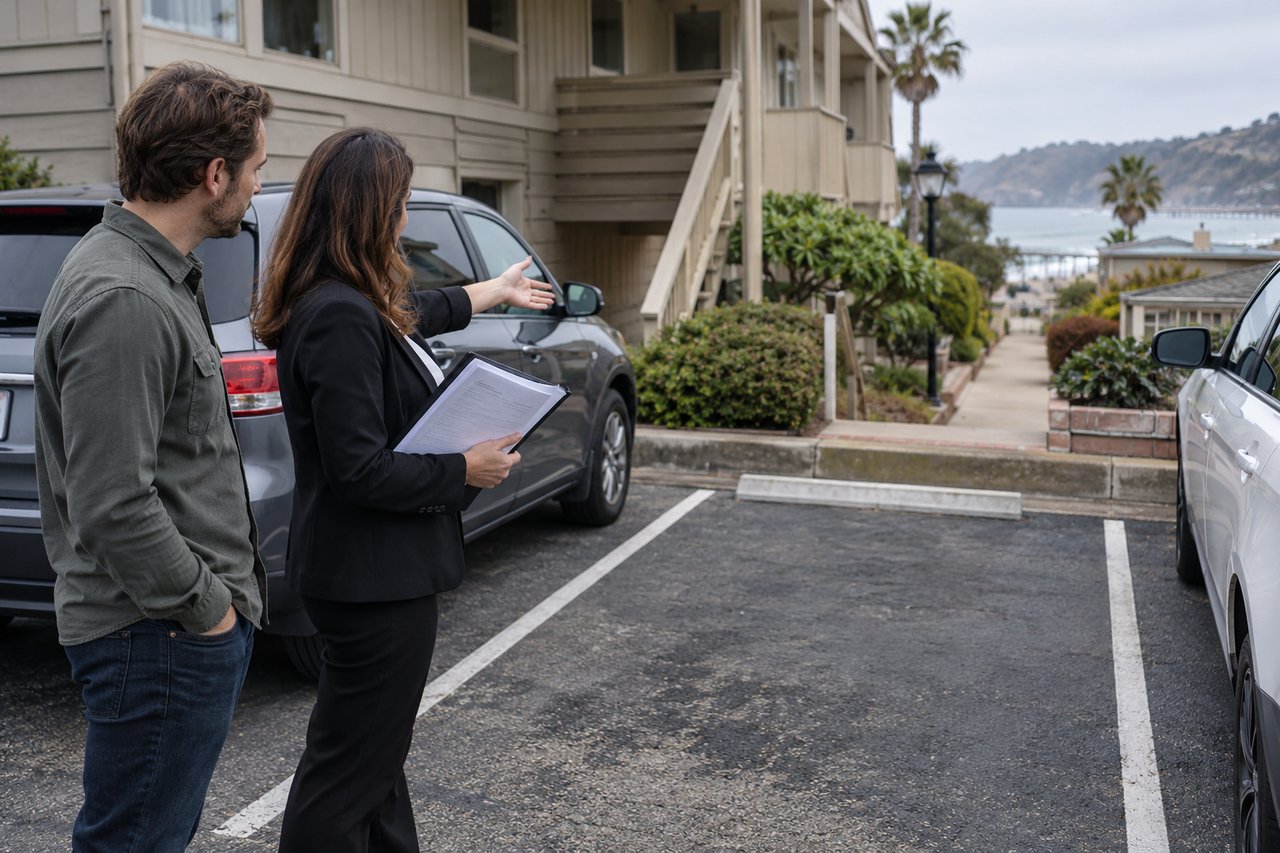
Verify the assigned space, governing documents, access, dimensions and guest-parking rules before relying on the parking arrangement.

Amber Johnson | November 3, 2026
Use both groups of listings to understand choice without assuming a single number tells the whole story.
Amber Johnson | November 3, 2026
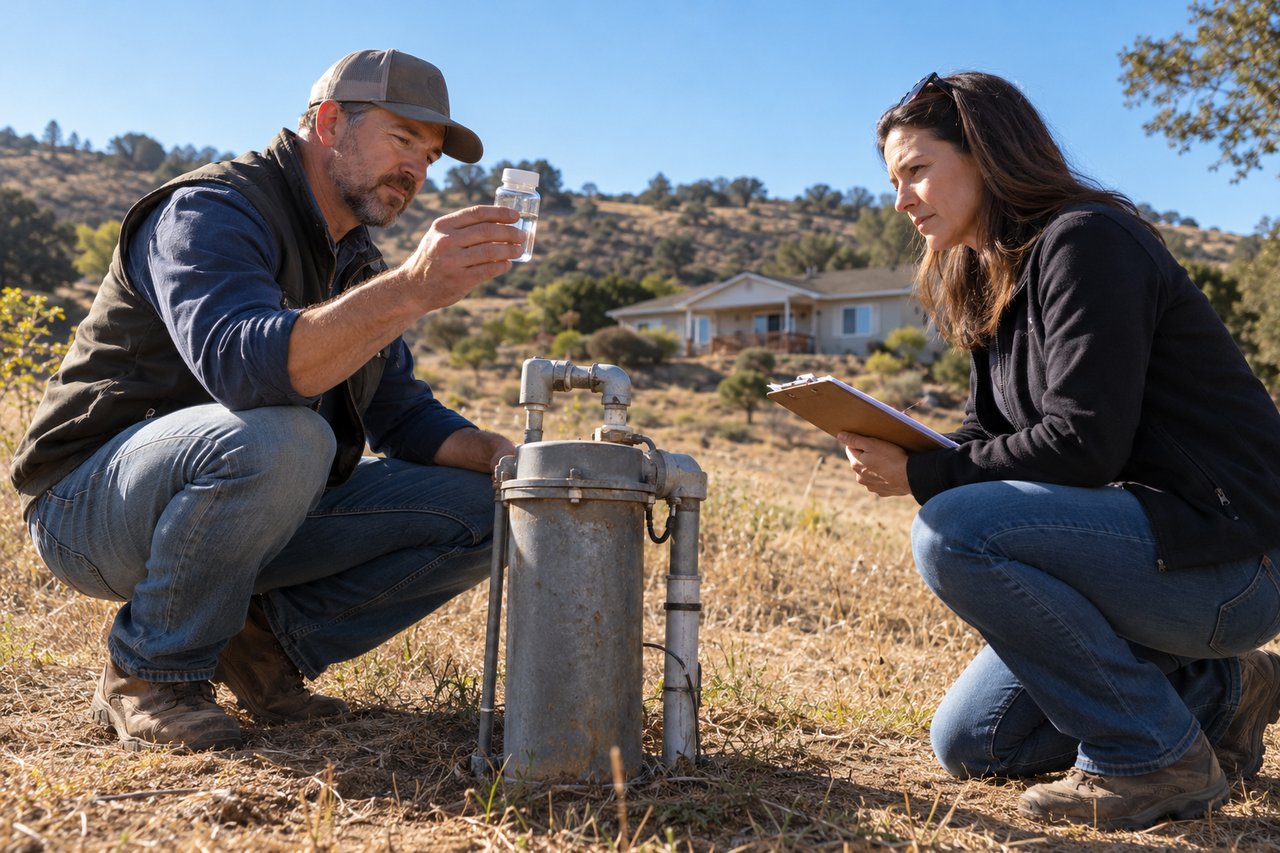
Review well records, testing, equipment and water needs before making the property decision.

Amber Johnson | November 2, 2026
Compare the routes from specific homes to the errands you actually make.

Amber Johnson | November 2, 2026
Amber Johnson | November 2, 2026
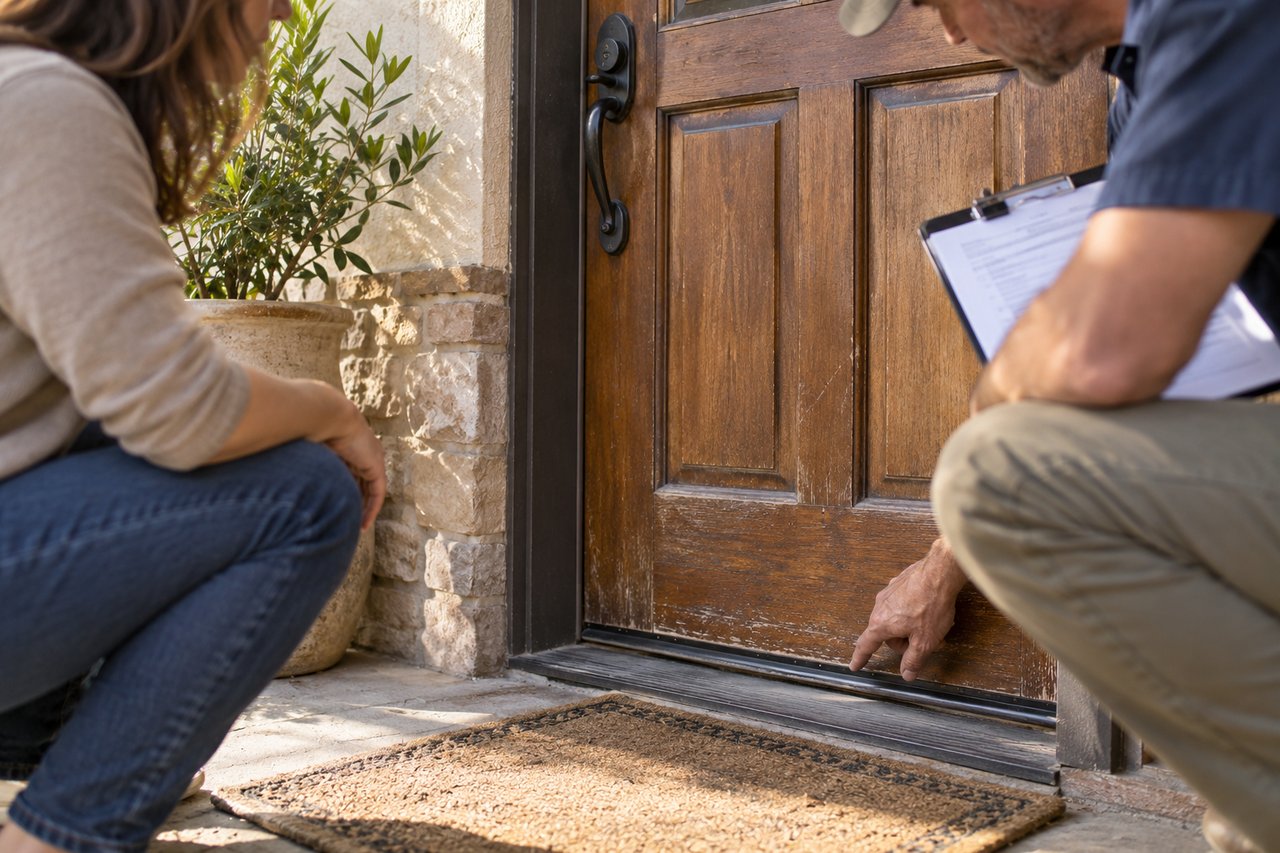
Compare condition, repair cost and buyer expectations before replacing a front door.

Amber Johnson | November 2, 2026
Compare timing, rental availability, moving costs and what you need to learn before deciding whether to rent first.
Amber Johnson | November 2, 2026
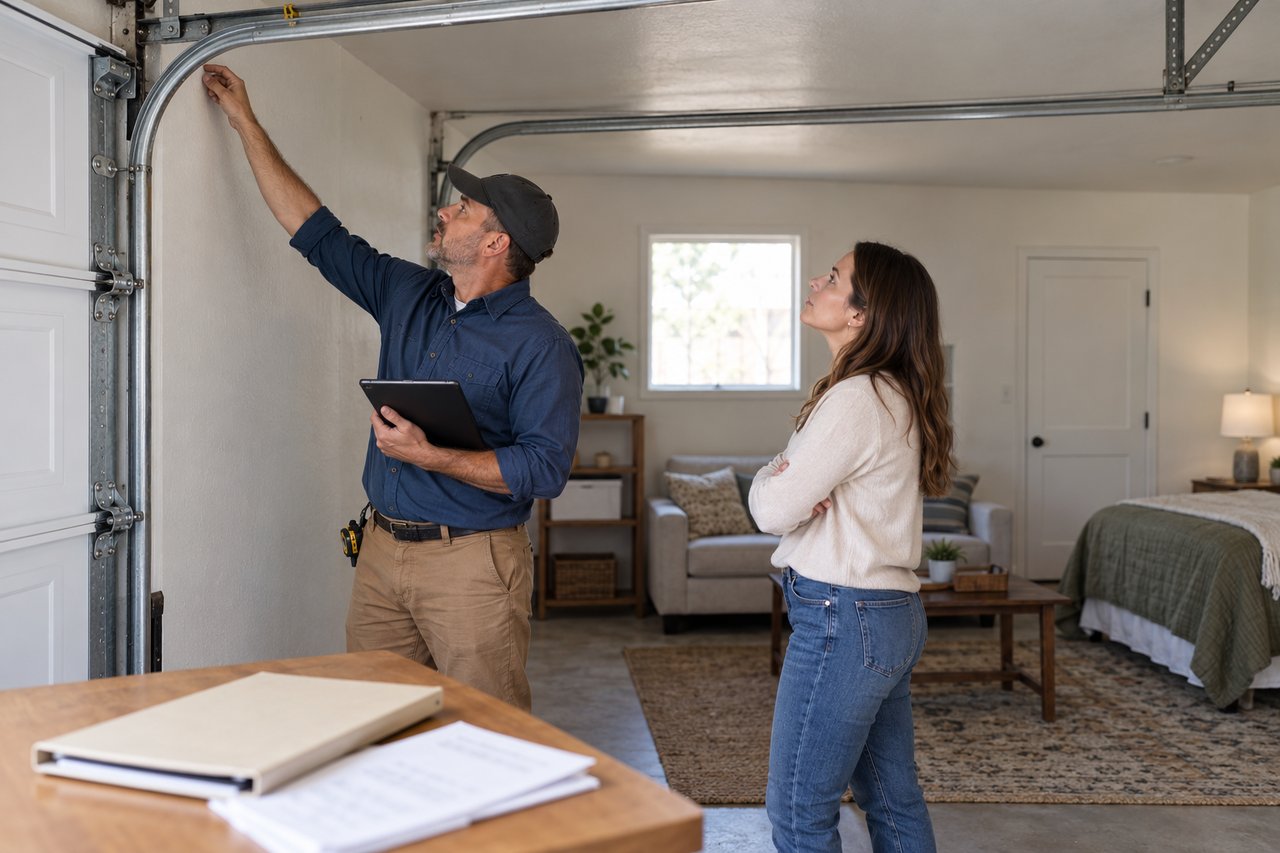
Review permits, condition and intended use before counting a converted garage as living space.
You’ve got questions and we can’t wait to answer them.
Amber Johnson, Founder
Pillar Real Estate
805.835.3425
DRE# 01925434
1345 Park Street
Paso Robles, CA 93446