How Should I Sell an Atascadero Home with a Known Foundation Issue?
October 11, 2026
October 11, 2026
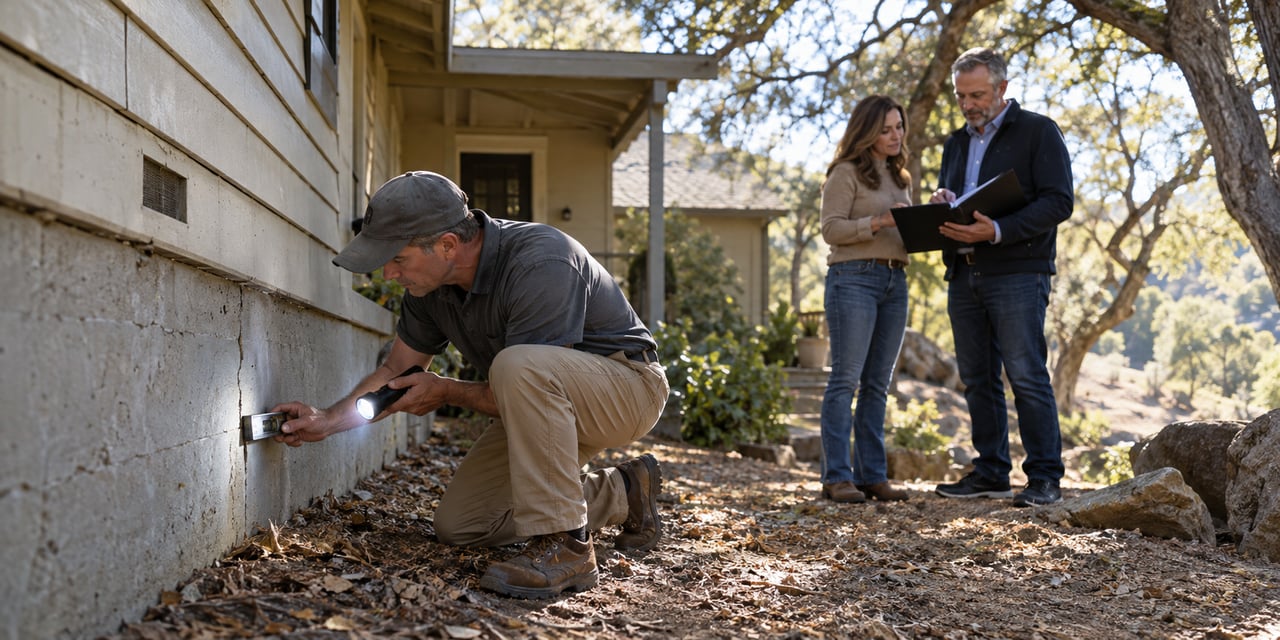
A known foundation issue doesn't automatically mean you need to repair everything before selling your Atascadero home. It does mean you need a clear picture of the condition, honest disclosure, and a selling strategy built around what a buyer can reasonably take on. Before choosing between repairs and an as-is sale, find out what the problem actually is, what addressing it involves, and how each option fits your timeline and goals.
The biggest mistake is treating every foundation concern the same. A crack noted in a report, a past repair with documentation, and an unresolved structural problem are different situations. Buyers will ask different questions about each one. Your job is to replace uncertainty with useful information, then price and market the home accordingly. Here's how I would approach that decision with an Atascadero seller.
Gather the records you already have. That may include inspection reports, an engineer's evaluation, contractor estimates, repair invoices, photographs, permits, warranties, or written recommendations. Put them in date order. Note what was observed, what was recommended, what work was completed, and what remains unresolved.
Keep your own observations separate from a professional diagnosis. You may have noticed a door sticking, a floor feeling uneven, or a crack changing over time. Those observations matter, but they don't establish the cause or the right repair. Avoid calling a problem cosmetic or stable unless the qualified professional evaluating it supports that description.
If a report is old, ask whether an updated evaluation would help establish the current condition. A buyer may be reluctant to rely on an estimate prepared years ago or a repair plan that never moved forward. The goal isn't to collect a stack of reports for its own sake. It's to understand which questions are still unanswered before you list.
A general home inspection can identify visible concerns and recommend further evaluation. A foundation or structural concern may need a licensed structural engineer or another appropriately qualified specialist, depending on the issue. Ask who should evaluate the condition and what the written report will cover.
Useful questions include: What is the observed problem? What evidence supports the conclusion? Is further testing needed? What repair or monitoring is recommended? Are drainage, moisture, soil, or other conditions relevant? What limitations apply to the inspection? Don't expect your real estate agent to diagnose the foundation or promise that a particular repair will solve it.
A repair estimate and an engineering evaluation serve different purposes. One may price a proposed scope; the other may help explain the condition and appropriate response. If estimates disagree, look at the work each includes instead of comparing only the total. Ask whether engineering, permits, access, cleanup, and restoration are included. A low bid that leaves important work out may not be the least expensive option.
It depends on your situation. Repairing before listing may make sense when the scope is clear, qualified contractors are available, you can handle the expense and disruption, and completed work is likely to make the home easier for your intended buyers to purchase. Documentation of a properly completed repair can be more useful than a seller's verbal reassurance.
But repairs aren't automatically the best path. You may have a firm moving deadline, limited ability to manage construction, or a problem whose final scope is still uncertain. An as-is sale may be practical if the price and marketing reflect the condition and buyers receive the available information. You can read more about selling a home as-is in San Luis Obispo County as you compare those options.
Build two realistic plans. For the repair option, include the work, related professional fees, permit questions, likely completion schedule, carrying costs, and any disruption to living in the home. For the as-is option, consider the likely buyer pool, price positioning, investigation time, and the possibility of additional negotiation after the buyer's own inspections. Compare the likely net outcome and workload, not just the headline asking price.
Before structural work begins, confirm applicable permit and inspection requirements with the authority responsible for the property. For a home within Atascadero city limits, the City's Building Division is the place to ask about building permits and inspections. Confirm jurisdiction rather than assuming the mailing address tells you which agency handles the work.
Ask the contractor and engineer what documents you should receive when the project is complete. Depending on the work, those may include the final scope, invoices, engineering documents, inspection approvals, and warranty terms. Keep the actual records. Don't advertise a transferable warranty until its terms and transfer requirements have been checked.
If earlier work was completed and you don't have the paperwork, investigate that gap before making claims about it. A repair that looks finished can still raise questions about who did the work, what it addressed, and whether required approvals were obtained. If something cannot be confirmed, describe the uncertainty accurately rather than filling it in with assumptions.
Selling as-is is a strategy for the property's condition and repair negotiations. It isn't a reason to leave out a known foundation concern. Work with your agent to complete the applicable disclosures accurately and provide the relevant reports and records. If you have a legal question about disclosure obligations or an unusual transaction, get advice from a qualified California real estate attorney.
Describe what you actually know. Include the condition you've observed, professional findings you've received, and repairs you're aware of. Don't replace a report's language with a more reassuring description. If you don't know the cause, say that and identify the information available.
Timing matters in a practical sense, too. A buyer who receives useful information early can decide whether the home fits their plans before becoming deeply invested in the transaction. Surprising the buyer with a significant known issue late in escrow can create avoidable confusion and renegotiation. The aim is a clear decision, not a rushed one.
There isn't a universal percentage to subtract for a foundation issue. An Atascadero home still needs to be evaluated for its location, lot, layout, overall condition, and competing choices. Then the unresolved issue must be considered in that context. Two homes with similar floor plans can require very different pricing strategies.
Buyers may consider more than the estimated repair expense. They may also account for uncertainty, time, inconvenience, access to qualified contractors, and the resources required after closing. A seller shouldn't assume that a price reduction equal to one contractor estimate will fully address those concerns.
I would compare the property with relevant local sales and current competition, then discuss how the documented issue changes its position. What makes a home more likely to sell in Atascadero still matters here: a clear value proposition, accurate presentation, and a price that makes sense for the home buyers are actually being offered.
Some buyers may be able and willing to handle the work, yet their financing may introduce additional requirements. Property condition can affect a lender's evaluation. The outcome depends on the loan program, the property, the findings, and the lender's requirements. Don't promise that a home will qualify for a particular loan based only on a buyer's preapproval.
Ask buyers to discuss the known condition with their lender early. If a repair-related loan is being considered, confirm what the lender requires, how contractors and scopes are approved, and how the timeline would work. A seller credit doesn't automatically solve a condition problem or eliminate underwriting requirements.
A cash offer may remove some loan-related questions, but it doesn't eliminate the buyer's investigation or the importance of contract terms. Compare price, proof of funds, contingencies, inspection timing, and the buyer's understanding of the condition. The strongest offer is the one with terms and a plan that make sense for your situation, not simply the one labeled cash.
Your home may still have meaningful strengths: a useful layout, an appealing lot, mature landscaping, storage, or a location that fits a buyer's routine. Good marketing should explain those strengths while accurately presenting the condition. Buyers need to understand both the opportunity and the work involved.
Avoid vague claims such as easy fix, minor problem, or nothing to worry about unless the appropriate evidence supports them. Don't describe the property as ready for a certain buyer or loan program when that hasn't been confirmed. Professional photography should show the actual home, and listing language should be consistent with the disclosures and reports.
At Pillar Real Estate, my role is to connect the property's real strengths with the buyers most likely to appreciate them, while giving those buyers useful information. A foundation concern calls for more clarity, not louder marketing. We can still tell a thoughtful story about the home without minimizing the issue.
Before spending on cosmetic projects, decide whether that expense helps your strategy. Fresh paint won't answer a structural question. A clean, accessible home and organized documents may help buyers and inspectors understand the property more effectively than a long list of surface upgrades.
Make inspection areas accessible when safe and appropriate. Gather keys, records, and information about earlier work. Address routine cleanup that helps show the home accurately, but don't cover or conceal evidence of the known issue. If a safety concern has been identified, follow the qualified professional's guidance about access and use.
These priorities fit into the larger question of what to do before selling a home in San Luis Obispo County. For this property, start with information and a clear plan. Then use the practical steps in preparing an Atascadero home for sale selectively, based on what supports that plan.
Even with a thorough pre-listing evaluation, a buyer may want their own inspection or specialist's opinion. Allow for that in the transaction plan. Decide how reports will be shared, how access will be coordinated, and how you will evaluate requests if new information appears.
If a buyer asks for a reduction or repair, separate the evidence from the request. Does the new report identify something not previously understood? Is the estimate based on the same scope? Was the existing condition already considered in the agreed price? Your response should reflect the information and contract, rather than an automatic yes or no.
Keep written records of agreements. If work will be completed before closing, the scope, timing, documentation, and responsibility need to be clear. If the sale remains as-is, avoid informal promises that create a different expectation. Ask your agent and the appropriate professionals to help clarify the terms.
To sell an Atascadero home with a known foundation issue, first establish what is known and what still needs evaluation. Gather the records, get appropriate professional input, compare repairs with an as-is sale, disclose accurately, and price for the property's actual condition. Then choose an offer whose terms fit the plan.
You don't have to decide everything before having a conversation. I'm Amber Johnson, founder of Pillar Real Estate, and I help Atascadero and North San Luis Obispo County homeowners work through preparation, pricing, and buyer positioning. If you're weighing repairs against selling as-is, let's look at your reports, timeline, and goals so you can choose your next step with a clear plan.
Amber
Pillar Real Estate | Amber Johnson, Founder
805.835.3425 | [email protected]
1345 Park St. Paso Robles, CA 93446 | DRE# 01925434
pillarrealestate.com

Amber Johnson | November 13, 2026

Amber Johnson | November 13, 2026
Test the route, schedule, backup plans and the trip from a specific home before deciding whether the commute fits.

Amber Johnson | November 12, 2026
Compare coating condition, underlying damage, cost and curb appeal before deciding whether repainting makes sense.

Amber Johnson | November 11, 2026

Amber Johnson | November 11, 2026

Amber Johnson | November 11, 2026
Compare appearance, operation, window condition and buyer expectations before deciding whether the units should stay.
Amber Johnson | November 10, 2026
Learn what each listing outcome may mean, what it leaves unanswered and how price range, location and timing affect the comparison.

Amber Johnson | November 9, 2026
Amber Johnson | November 9, 2026
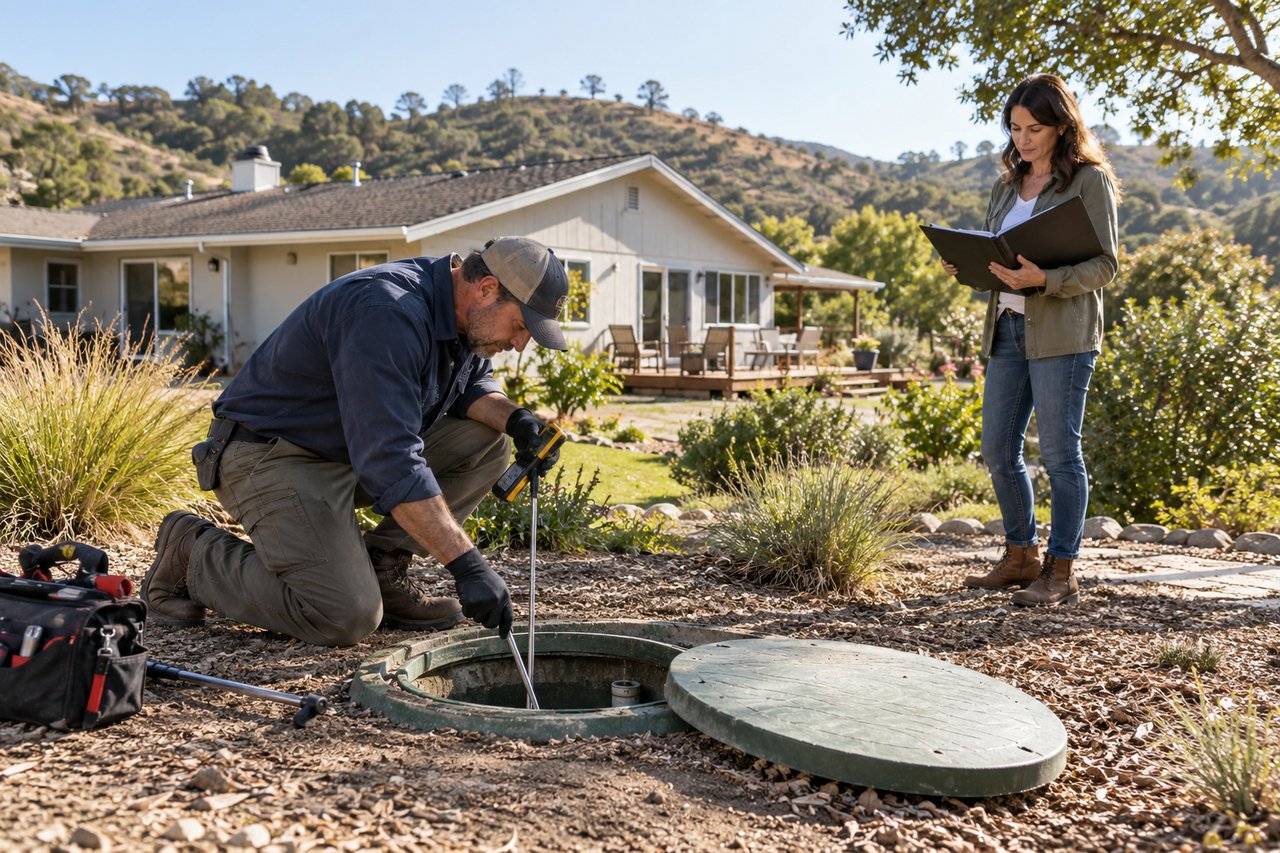
Review inspection findings, service records, capacity, access and local requirements before relying on the system.
You’ve got questions and we can’t wait to answer them.

Amber Johnson, Founder
Pillar Real Estate
805.835.3425
DRE# 01925434
1345 Park Street
Paso Robles, CA 93446