Foreclosure Fears vs. Facts: What Homeowners Need to Know
July 23, 2025

July 23, 2025
Foreclosure headlines are making noise again – and they’re designed to stir up fear to get you to click. But what the data actually shows tells a very different story than what you might believe.
Yes, foreclosure starts are up 7% in the first half of 2025. But zooming out shows that’s nowhere near crisis levels. Here’s why.
Even with the recent uptick, overall foreclosure filings are still very low. In the first half of 2025, just 0.13% of homes had a foreclosure filing – less than 1% of homes nationwide.
For perspective, ATTOM reports that this equals about 1 in every 758 homes nationwide. Compare that to 2010 during the housing crash when it was 1 in every 45 homes.
Leading up to the 2008 crash, risky lending practices left many homeowners with payments they couldn’t afford. When they fell behind, they had little or no equity in their homes, forcing them into foreclosure.
Today’s market looks nothing like that. Lending standards are stronger, and homeowners have record levels of equity. If they face financial hardship, they can often sell their home and still walk away with money in their pocket rather than face foreclosure.
As Rick Sharga, Founder of CJ Patrick Company, explains:
“. . . a significant factor contributing to today’s comparatively low levels of foreclosure activity is that homeowners—including those in foreclosure—possess an unprecedented amount of home equity.”
Recent headlines don’t tell the full story. While foreclosure starts have ticked up slightly, today’s numbers remain historically low and don’t indicate a market crash.
If you’re worried about foreclosure or just curious about what’s happening with home values in your area, connect with a local real estate agent who can walk you through the facts and your options.
Amber Johnson, Founder
Pillar Real Estate
805.835.3425
[email protected]
1345 Park St. Paso Robles, CA 93446
DRE# 01925434
Amber Johnson | October 17, 2026
Amber Johnson | October 16, 2026
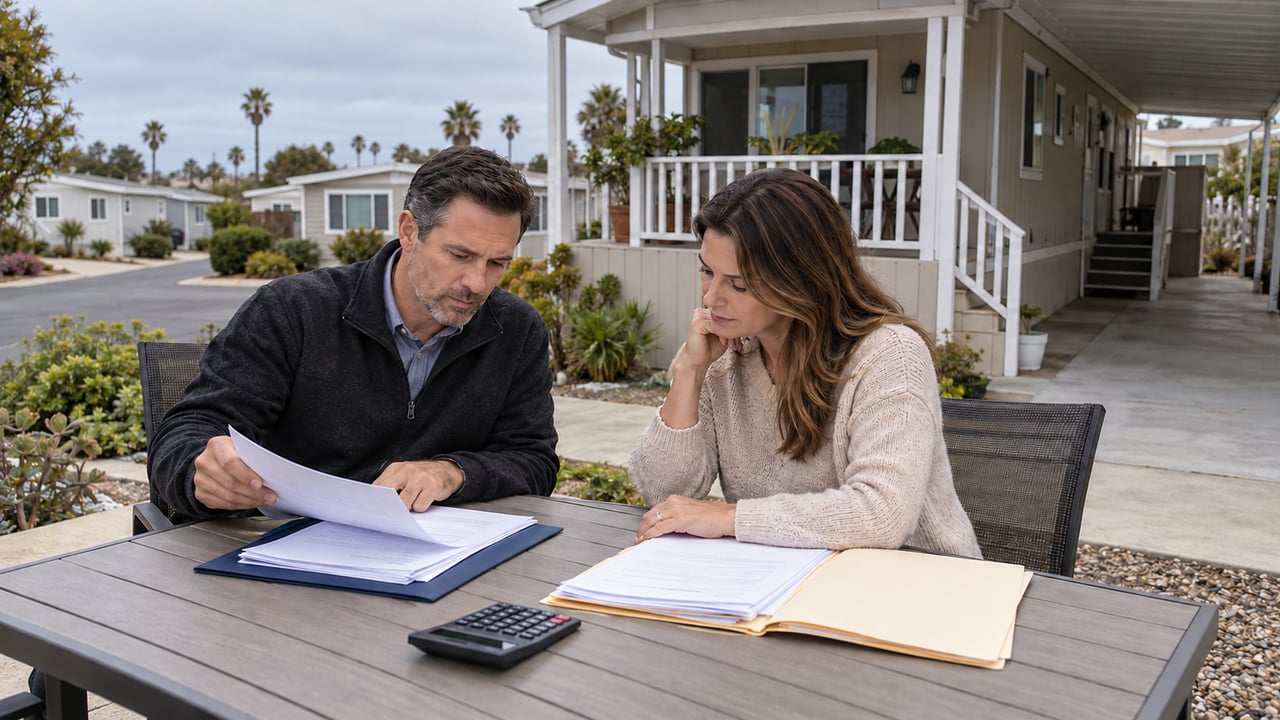
Amber Johnson | October 15, 2026
Separate the home purchase from the land arrangement, then review park approval, space costs, financing, condition, rules, and resale considerations.

Amber Johnson | October 15, 2026
Look beyond a weekend visit to consider walking routes, nearby businesses, street activity, parking, and everyday trips from a specific address.

Amber Johnson | October 15, 2026
Compare an in-town routine with a more rural setting by weighing errands, property upkeep, road access, utilities, and time spent driving.

Amber Johnson | October 15, 2026
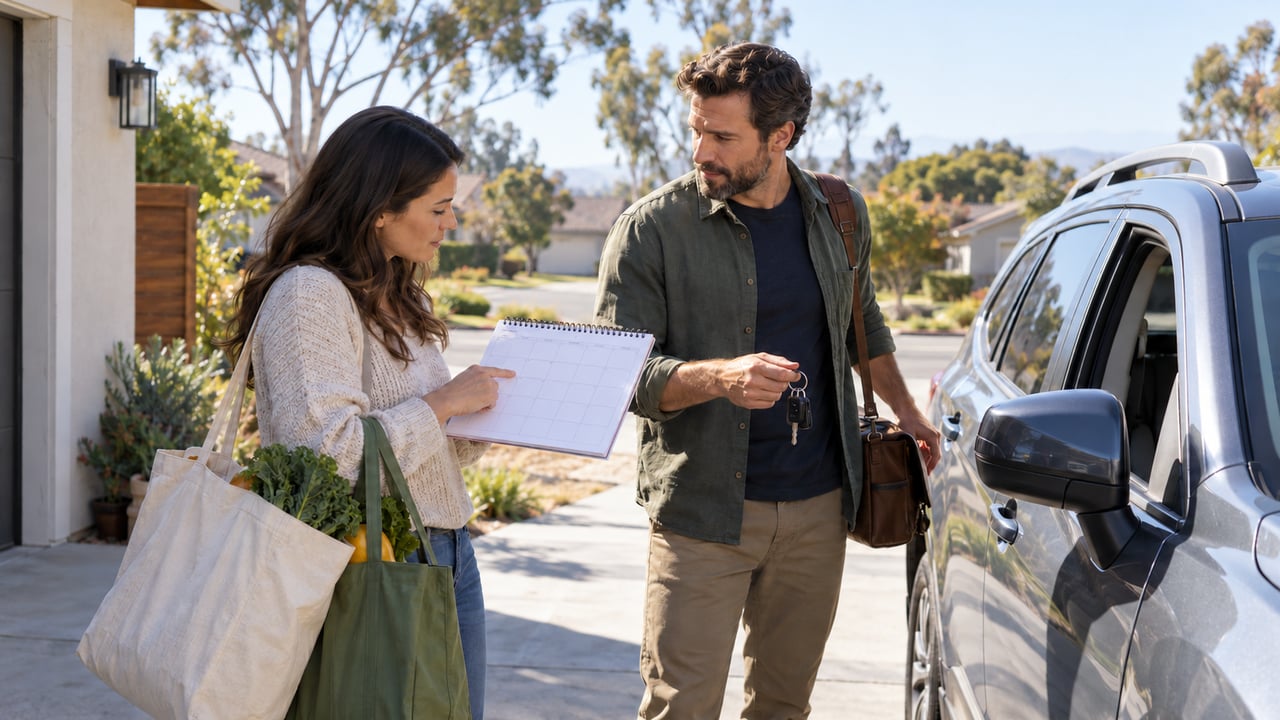
Amber Johnson | October 15, 2026
Test overlapping work schedules, shopping trips, appointments, transportation alternatives, and backup plans before choosing a home.
Amber Johnson | October 15, 2026
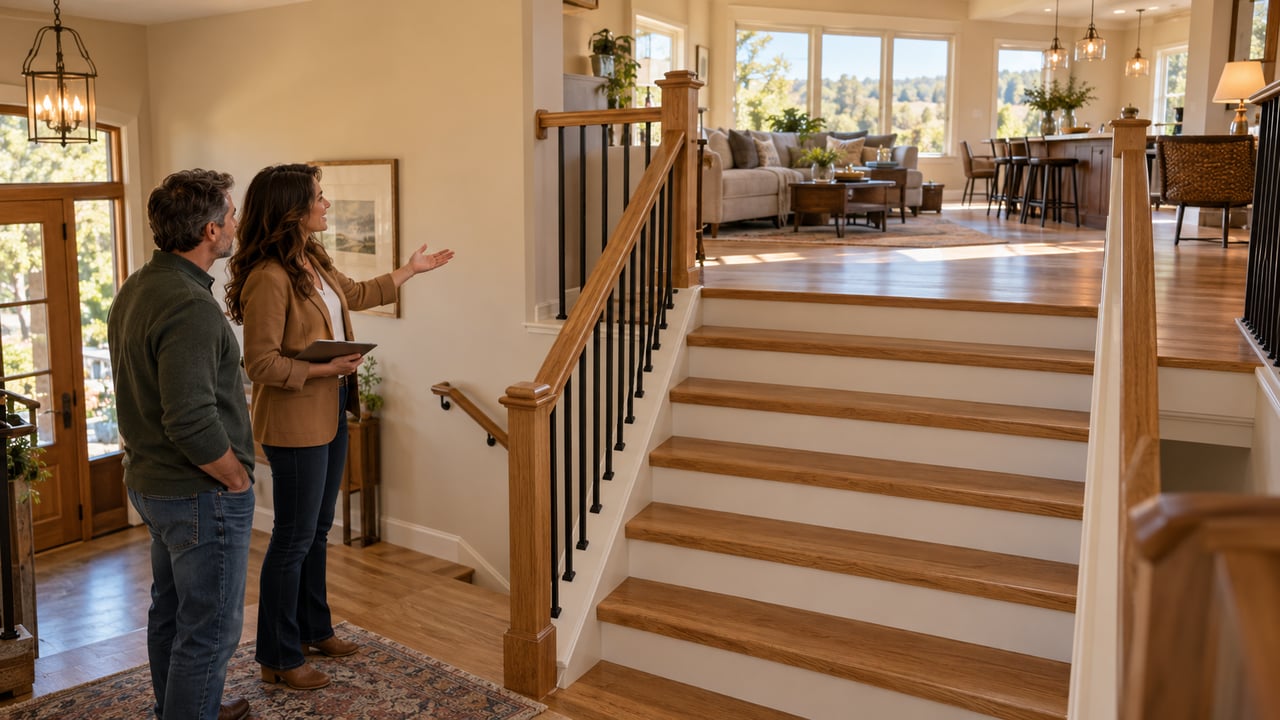
Help buyers understand the layout through accurate photos, clear descriptions, thoughtful showing access, and a property-specific selling plan.

Amber Johnson | October 15, 2026
Use price per square foot as context, then account for property type, location, views, condition, lot, and the limits of a small data set.
You’ve got questions and we can’t wait to answer them.
Amber Johnson, Founder
Pillar Real Estate
805.835.3425
DRE# 01925434
1345 Park Street
Paso Robles, CA 93446
