Should I Move to San Luis Obispo if I Want to Walk to Work?
October 29, 2026

October 29, 2026
San Luis Obispo may be a good fit if you want to walk to work, but choose the home around your actual commute. A city name or a listing's description can't tell you whether the route works on an ordinary Tuesday. Start with the exact workplace entrance, then test the walk from each home you're seriously considering.
The right answer depends on your hours, the route, what you carry and how walking fits the rest of your day. A pleasant weekend stroll is useful information. It isn't the same test as getting to work on time and coming home after a long shift.
I'm Amber Johnson, founder of Pillar Real Estate in Paso Robles. I help people make thoughtful moves within San Luis Obispo County. My approach is specific to your situation: understand the daily life you want, then evaluate the actual property against it.
Decide whether you want to walk every workday or simply have the option a few times each week. Those are different goals. A route that works when your schedule is flexible may feel less practical when every arrival time is fixed.
Write down your normal start and finish times, including occasional early starts or late departures. Add the items you carry, your preferred footwear and any need to arrive ready for meetings. These details belong in the home search from the beginning.
Set your own comfortable walking limit before you fall in love with a house. Use minutes, effort and route conditions together. Don't borrow someone else's definition of a short walk when you're the person who will repeat it.
Begin at the home's practical exit and finish at the workplace entrance you're permitted to use. A map pin may place a building's center near your route while the accessible entrance sits elsewhere. Walk the final approach rather than stopping at the property edge.
Check whether gates, building hours or workplace procedures affect that entrance. Ask the employer or building manager when information needs confirmation. Don't assume a convenient-looking shortcut is open to the public or available during your shift.
Include the walk back into the home, too. An upstairs unit, a rear entrance or a place to put wet shoes can change the experience. You are evaluating a complete door-to-door routine, not a line between two map markers.
Test the route when you'd actually travel, if practical. Notice the time spent waiting at crossings, passing driveways and reaching the entrance. Leave room for an ordinary delay so the plan doesn't depend on everything going perfectly.
Repeat the return trip. Conditions and your energy may feel different at the end of the day. If you work irregular hours, test the relevant variations rather than assuming one daytime visit answers every question.
Take simple notes after each walk: door-to-door time, effort, crossing concerns and anything you would want to investigate. Compare homes using the same method. Your notes will be more useful than remembering that one block felt charming.
Look at the entire pedestrian route. Notice whether sidewalks continue, where you cross streets and whether a segment requires a different path. Watch for uneven surfaces, driveways, obstructions or other features that matter to your comfort and mobility.
Consider the route in the shoes and with the bag you'd normally use. A walk that feels manageable with empty hands may feel different with work equipment. Your personal needs should guide the decision without assuming every pedestrian has the same experience.
If a crossing or access question remains unclear, check the relevant official information before relying on it. Don't build a purchase decision around an informal shortcut. Choose a route you can actually use and independently evaluate.
Think beyond the conditions during an afternoon showing. Your work hours may put part of the commute before daylight or after sunset. Visit at the relevant time with an appropriate companion if that helps you assess the route.
Observe lighting, sightlines and the activity you encounter. Pay attention to the transition from the public sidewalk to your entrance. Personal comfort is individual, and a single visit cannot promise how a place will feel every day.
Ask specific questions rather than relying on broad labels about an area. Describe the concern you want to understand and seek reliable information. A home should support your routine without requiring you to dismiss a recurring source of discomfort.
Think through the commute in conditions other than the morning you tour. Consider rain, warmer afternoons and whatever weather you personally find difficult. Decide what clothing, bag protection or change of shoes would make the routine practical for you.
Check what happens when you arrive. Is there somewhere appropriate to store an umbrella, change shoes or leave your work bag? Confirm workplace arrangements rather than assuming facilities will be available because walking sounds attractive.
Make the same assessment at home. A useful entry area and a sensible place for daily gear may matter more than a decorative feature. Small practical details can determine whether the walk remains a habit after the move.
Your work trip doesn't happen in isolation. List the errands and commitments that regularly come before or after it. Think about groceries, appointments, household responsibilities and any equipment you need to transport.
A walkable workday may still require a separate driving trip. That's fine if the overall plan works for you. The goal is an honest schedule, with enough time and energy for the responsibilities that don't disappear when the commute changes.
Our discussion of everyday life in San Luis Obispo's Railroad District offers another way to consider daily routines. Use neighborhood context to shape questions, then test the exact address against your own destinations.
Keep the house in the decision. A convenient walk shouldn't erase your needs for usable rooms, storage, outdoor space or a workable monthly budget. Separate requirements from preferences before comparing the properties that put work within reach.
If you want outdoor space without taking on a large property, our article on finding that balance in San Luis Obispo can help frame the tradeoff. Evaluate the actual yard, maintenance and layout at each home.
Ask which compromise you'll feel most often. A slightly longer route may be acceptable if the home fits your daily needs better. A shorter walk may matter more when your schedule leaves little room elsewhere.
Choose a realistic alternative rather than comparing one home with an imaginary perfect house. Look at a property that fits your other priorities but requires a different commute. Then compare the full routine, ownership costs and features you would actually receive.
Our comparison of living near downtown San Luis Obispo or in Edna Valley can help organize location preferences. It doesn't establish a walking commute from any particular home. Your workplace and the actual route still decide that question.
Avoid assigning a financial value to walking based on hoped-for savings alone. Use your own transportation expenses and confirmed housing costs. Keep assumptions visible so you understand what would change if the routine doesn't work as planned.
Plan for illness, an unusually late finish, poor conditions or a heavy delivery you need to carry. Identify an alternative you can realistically use. Check its availability, cost and timing before you depend on it.
If that alternative involves a car, confirm the parking arrangements at home and work. If it involves another service, verify current details with the provider. Don't assume that a nearby stop or a general app listing solves every backup need.
Consider a possible workplace change as well. You can't predict every future decision, but you can ask whether you'd still want the home without this particular commute. That question helps keep one attractive benefit in proportion.
When practical, rehearse the routine more than once before committing to the location. Start from a lawful public point near the home if you don't have permission to enter the property. Never use private access without authorization.
Carry your normal bag, follow your planned route and note how you feel on arrival. Include the return walk and one ordinary errand. The trial should resemble your weekday rather than a sightseeing visit with an open afternoon.
Review the result against your original priorities. If repeated inconveniences already concern you, take them seriously. If the walk feels practical and the property fits, you have a clearer reason to keep that home on your list.
Moving to San Luis Obispo to walk to work can make sense when the specific home, workplace and route fit together. Verify the details before turning that goal into a purchase requirement. A clear plan leaves room for both the appeal and the practical tradeoffs.
I help relocating households connect their home search with the life they're trying to create in SLO County. If you're also selling a current home, we can discuss how that move fits your broader timing and preparation needs.
Visit Sell With Amber to talk about your move and the home search that makes sense for your goals.
Amber
Pillar Real Estate | Amber Johnson, Founder
805.835.3425 | [email protected]
1345 Park St. Paso Robles, CA 93446 | DRE# 01925434
Amber Johnson | October 31, 2026
Compare leaks, finish, function and replacement cost before deciding whether older faucets need repair or replacement.

Amber Johnson | October 31, 2026
Check pool access and actual hours alongside the neighborhood and work schedule you choose.

Amber Johnson | October 30, 2026
Consider the park, nearby homes and routine errands as separate parts of the decision.
Amber Johnson | October 30, 2026
Test the repeat drive against your work schedule and the coastal routine you want.

Amber Johnson | October 30, 2026
Amber Johnson | October 30, 2026
Show how the access works while checking parking, circulation and buyer expectations.
Amber Johnson | October 30, 2026
Use days on market with price changes, property condition and local competition before deciding how much negotiating room exists.
Amber Johnson | October 29, 2026
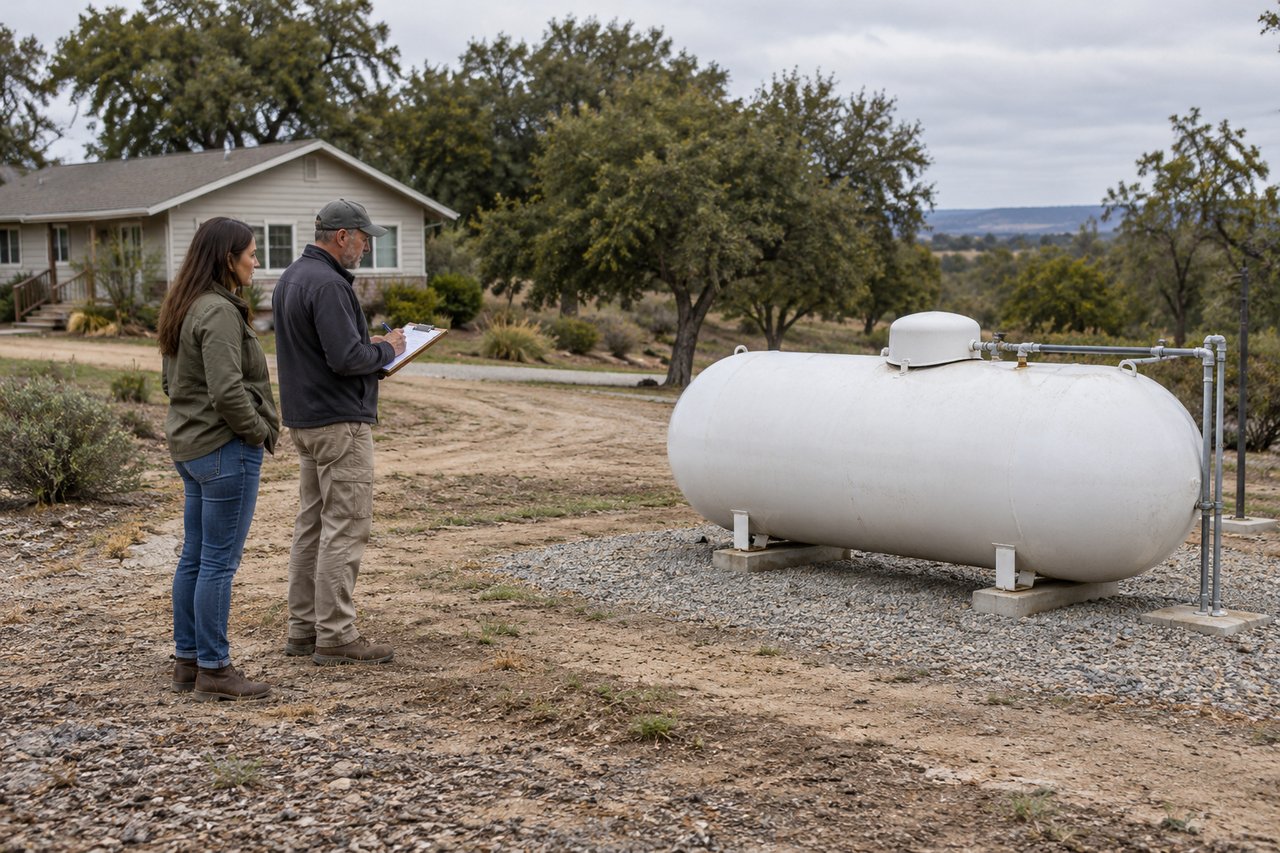
Confirm ownership, records, fuel access, tank condition and service history before relying on propane at the property.
Amber Johnson | October 29, 2026
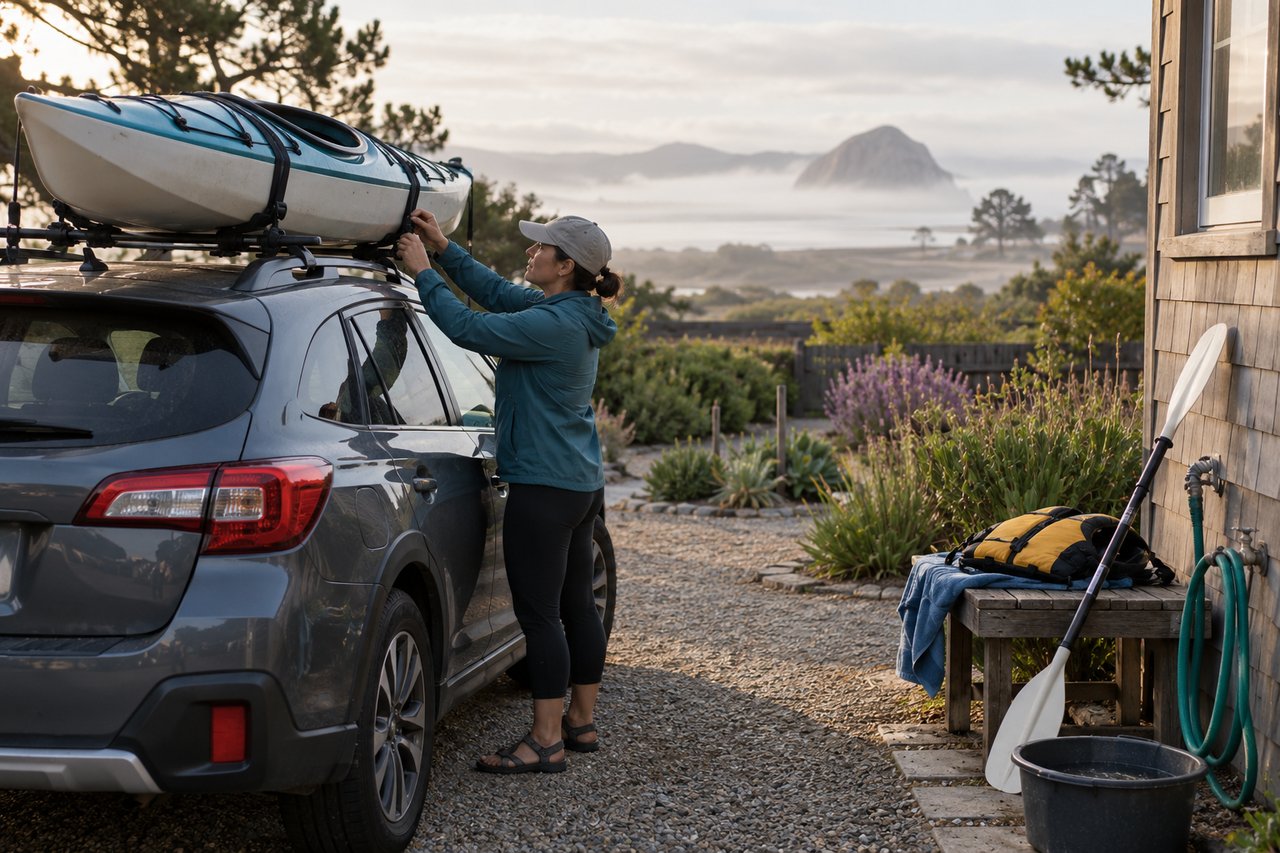
Compare bay access, storage, weather, cleanup and weekday timing before making paddling part of your routine.
You’ve got questions and we can’t wait to answer them.
Amber Johnson, Founder
Pillar Real Estate
805.835.3425
DRE# 01925434
1345 Park Street
Paso Robles, CA 93446