Can I Keep a Regular Cycling Routine While Living in Atascadero?
November 5, 2026
November 5, 2026
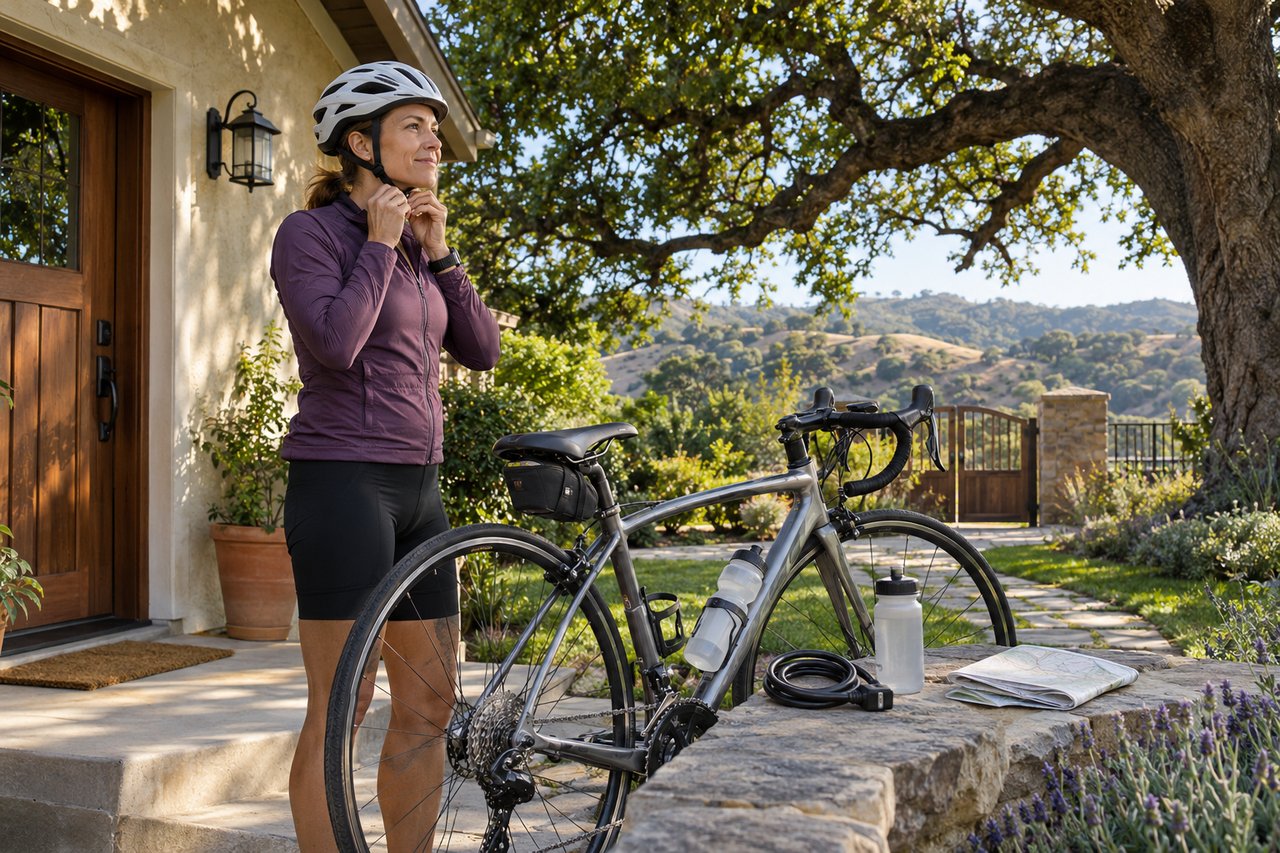
Yes, you can keep a regular cycling routine while living in Atascadero, but the answer depends on the exact home, the kind of riding you do, and how much preparation your weekly schedule can support. A property that makes bike storage easy and puts your preferred routes in a comfortable direction may help riding feel routine. A home that requires awkward storage, extra driving, or a street you do not enjoy may turn the same goal into an occasional activity.
The practical question is not whether people ride bicycles in Atascadero. They do. The useful question is whether a specific address supports the rides you want to take at the times you can actually ride. That is a property-level decision, and it deserves more than a quick map search.
When I help buyers compare homes in Atascadero, I look at the complete routine: where the bicycle will live, how it gets from storage to the street, what the first part of the ride feels like, and whether the plan still works on an ordinary weekday. If those pieces fit, cycling can become a dependable part of life rather than another good intention waiting in the garage.
Start by describing the routine you already have or the one you can realistically maintain. “I want to ride more” is too broad to guide a home search. “I ride for an hour before work three mornings a week” gives you something specific to test.
Write down your usual distance, ride length, preferred start time, surface, pace, and whether you ride alone or with other people. Include the equipment you use and the time needed to get ready. A recreational rider, a road cyclist, a family riding together, and someone who uses a bike for errands will judge the same address differently.
Be honest about how much flexibility you have. If your ride must happen before a fixed workday, the route from the front door matters a great deal. If weekend riding is your priority, you may be comfortable loading bikes onto a vehicle. Neither routine is better. They simply create different property requirements.
A neighborhood label cannot tell you what the beginning of a ride will feel like. Atascadero homes sit on different street types, grades, and approaches to the places riders use. Two listings that look close on a map may create very different first and last miles.
Map a few likely routes from each property, then inspect them in person. Look at pavement, visibility, intersections, shoulders, turns, grades, traffic movement, and the place where you would enter the road. Notice whether you would feel comfortable using that route during your normal riding window.
Do not rely only on an app’s suggested route. A route can be technically available and still feel wrong for your comfort level. Conditions can change, so verify current closures, rules, and access before every ride. My guide to scenic cycling routes in San Luis Obispo County can help you organize route research, but the final decision still starts at the property.
Storage has a direct effect on consistency. If getting your bicycle out requires moving boxes, squeezing past a vehicle, or carrying it through finished rooms, a short ride can start to feel like a project. The best setup is the one you can use without rearranging the household.
During a showing, identify the exact storage location. Measure it. Check the path from that space to the street. Look for steps, narrow gates, tight corners, low ceilings, and doors that may be difficult to manage while holding a bicycle. Consider space for helmets, shoes, pumps, tools, locks, lights, spare tubes, and cleaning supplies.
If you use an electric bicycle, review the charging setup with the appropriate professional. Do not assume an outlet, circuit, or storage area is suitable simply because it is present. Also consider security, heat, weather exposure, and the manufacturer’s storage guidance.
Attached garages can be convenient, but they are not the only answer. A secure shed, a well-planned side area, or an indoor storage solution may work. Confirm what is permitted and practical for the property. If an association applies, read the current rules before assuming a particular storage option is allowed.
Atascadero’s varied terrain is part of the decision. The grade between a home and your preferred route may affect how often you ride, especially when you are tired, carrying supplies, riding with children, or returning at the end of a longer outing.
Drive and, when safe, ride the approach you expect to use. Pay attention to the final climb home, not only the easy departure. If you are considering an electric bicycle, decide whether charging, range, weight, and secure storage work for the property and your routine.
Street width and traffic patterns also vary. Visit at the times you would normally ride. A quiet weekend showing may not show weekday movement, school traffic, construction activity, or seasonal changes. One visit is a snapshot. Several visits give you a more useful picture.
A routine that feels easy during one season may need a different schedule during another. Think about when you can ride comfortably, how much daylight you need, and whether your work and family schedule can adjust.
Early rides may require lights, reflective equipment, layers, and a route you are comfortable using in lower light. Warmer periods may push you toward an earlier start. Cooler mornings can change what you carry and how long it takes to prepare. Check current weather and daylight conditions rather than relying on a fixed annual plan.
The home can help. A convenient place to stage gear, fill bottles, dry equipment, and clean the bicycle reduces friction. Small details often determine whether a ride happens before a busy day.
Some cyclists want every ride to begin at home. Others are comfortable transporting bikes to a preferred starting point. Clarify which option you expect to use most often.
If you plan to drive, test the complete loading process. Confirm garage clearance, driveway space, vehicle access, rack storage, and the room needed to lift or secure the bicycle. If more than one household member rides, make sure the setup works with all the bikes and normal passenger space.
Add the loading, driving, parking, and unloading time to the routine. A beautiful destination may still be impractical on a weekday if preparation takes longer than the ride. Weekend destination riding can be a great fit, but call it what it is when you compare properties.
A home can work well for recreational rides without making bicycle errands easy. Errand riding requires a safe-feeling route to the specific stores and services you use, reliable parking at the destination, and a plan for carrying what you buy.
List the trips you would truly make by bicycle. Test the route to each destination and the return trip, including the grade when the bike is loaded. Consider how weather, darkness, and larger purchases would affect the plan. Keep a backup transportation option for days when riding does not fit.
If everyday bicycle errands are central to your move, compare how different communities support your personal routine. My article on whether Arroyo Grande is a good fit for biking on everyday errands uses a similar address-by-address test. It can help you compare the questions that matter without assuming one community works the same as another.
A cycling routine has to fit the household, not only the rider. Ask how your ride affects vehicles, garage access, childcare, pets, morning preparation, and shared weekend plans. If children will ride, test their route and equipment needs separately. An adult’s comfort level does not answer the question for a younger rider.
If you expect friends or a cycling group to meet at the home, consider guest parking, street access, and the effect on neighbors. A simple gathering plan can prevent the routine from creating unnecessary friction.
Also think about other outdoor habits. A property that supports cycling may or may not support the walking routine you want. My article on trail walking as part of a weekly routine in Atascadero offers another way to evaluate access, preparation, and the exact route from home.
Do not let the cycling question distract from the rest of the purchase. Review the property’s disclosures, inspections, title information, permits when relevant, and any association documents. Confirm who owns and controls the areas you expect to use for storage or access.
Look closely at gates, fences, garages, sheds, driveways, and exterior paths. An attractive storage idea may require changes. Verify feasibility, cost, and approval requirements before treating a future improvement as guaranteed.
If you plan to install a rack, electrical equipment, storage system, or other improvement, consult the appropriate qualified professional. A real estate tour can identify questions. It cannot replace technical evaluation.
When possible, visit the area during your actual riding window. Drive the proposed route and observe it from the street. If it is safe and appropriate, ride a comparable route nearby. Check current rules and respect private property.
Time the complete routine. Start with getting the bicycle and equipment ready. Include the ride, return, storage, cleanup, and transition to your next responsibility. A sixty-minute ride may require more than sixty minutes in the calendar.
Repeat the test under more than one ordinary condition. You are not trying to predict every day. You are checking whether the routine holds up outside the best-case version of the property.
After each showing, rate the home in a few categories: storage, access to the street, route comfort, grade, preparation time, vehicle loading, equipment space, and fit with the household schedule. Use the same categories for every property.
Add one column for items that still need verification. This keeps assumptions separate from facts. It also helps prevent a beautiful home or one appealing route from carrying too much weight in the decision.
A property does not need a perfect score. It needs to support the tradeoffs you are willing to make. One rider may accept a short drive for weekend routes in exchange for a better home office. Another may prioritize door-to-door access above extra indoor space.
When you tell me that cycling is part of your weekly life, I treat it as a real property requirement. I help you compare specific addresses, identify the routes and storage questions to investigate, and keep those details beside the home’s condition, location, and long-term fit.
Amber Johnson and Pillar Real Estate serve buyers, sellers, relocating households, and local homeowners throughout San Luis Obispo County. As a Central Coast local and a real estate broker, I help clients translate daily routines into practical housing decisions. That includes knowing when a listing description is too broad and when we need to test the property ourselves.
You can keep a regular cycling routine while living in Atascadero when the home, route, storage, schedule, and riding style work together. The best answer will come from a specific address and a real trial, not a general promise about the city.
If cycling is part of the life you want to protect during a move, I can help you compare Atascadero homes with that routine in mind. We will look at practical details and confirm what needs outside research before you make a decision.
Ready to plan your move? Visit Sell With Amber to start the conversation.
Amber
Amber Johnson
Founder, Pillar Real Estate
805.835.3425
[email protected]
1345 Park St. Paso Robles, CA 93446
DRE# 01925434
Website: https://pillarrealestate.com/

Amber Johnson | November 7, 2026
Compare home styles, street patterns, terrain, access and daily routes before choosing between these San Luis Obispo areas.

Amber Johnson | November 6, 2026
Amber Johnson | November 6, 2026
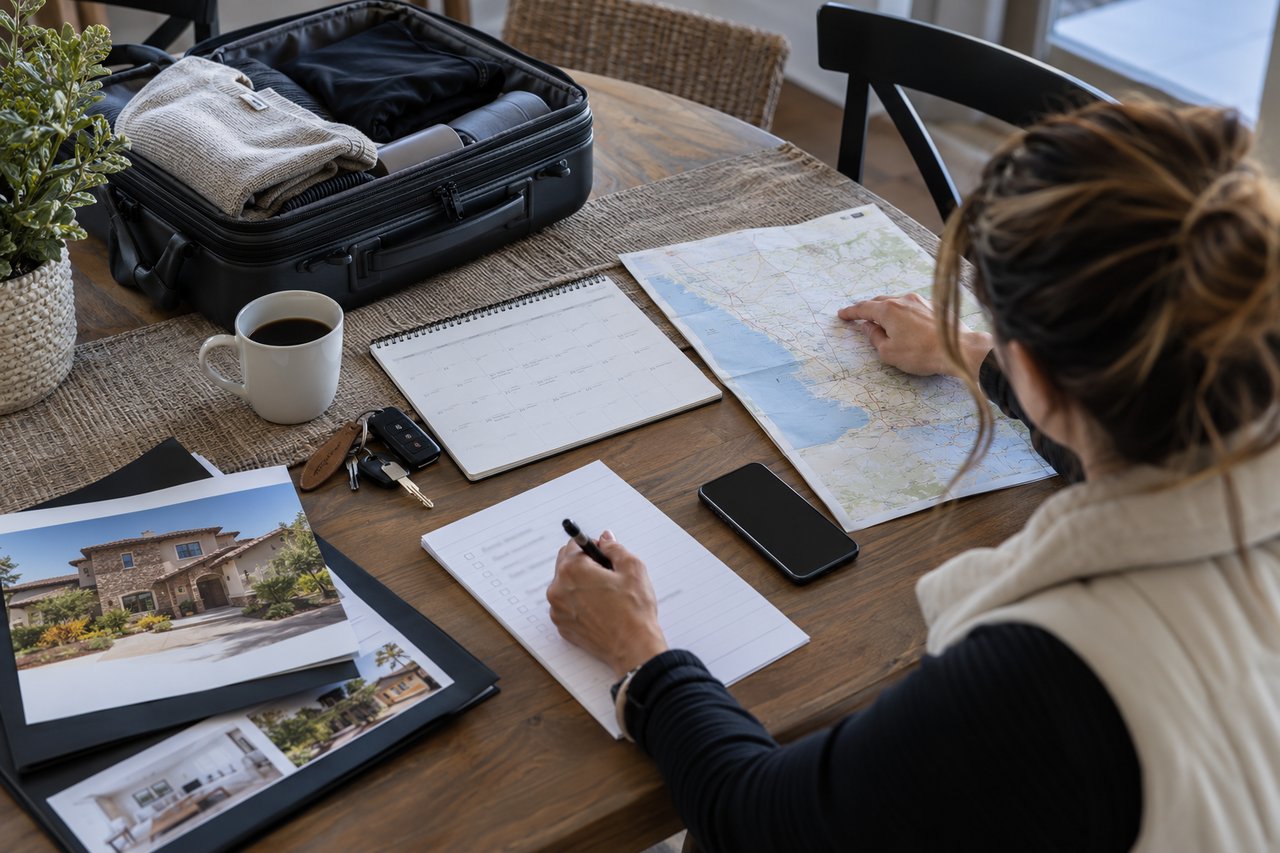
Compare the trip from a specific home, departure routines, backup transportation and time away before choosing Heritage Ranch.
Amber Johnson | November 6, 2026
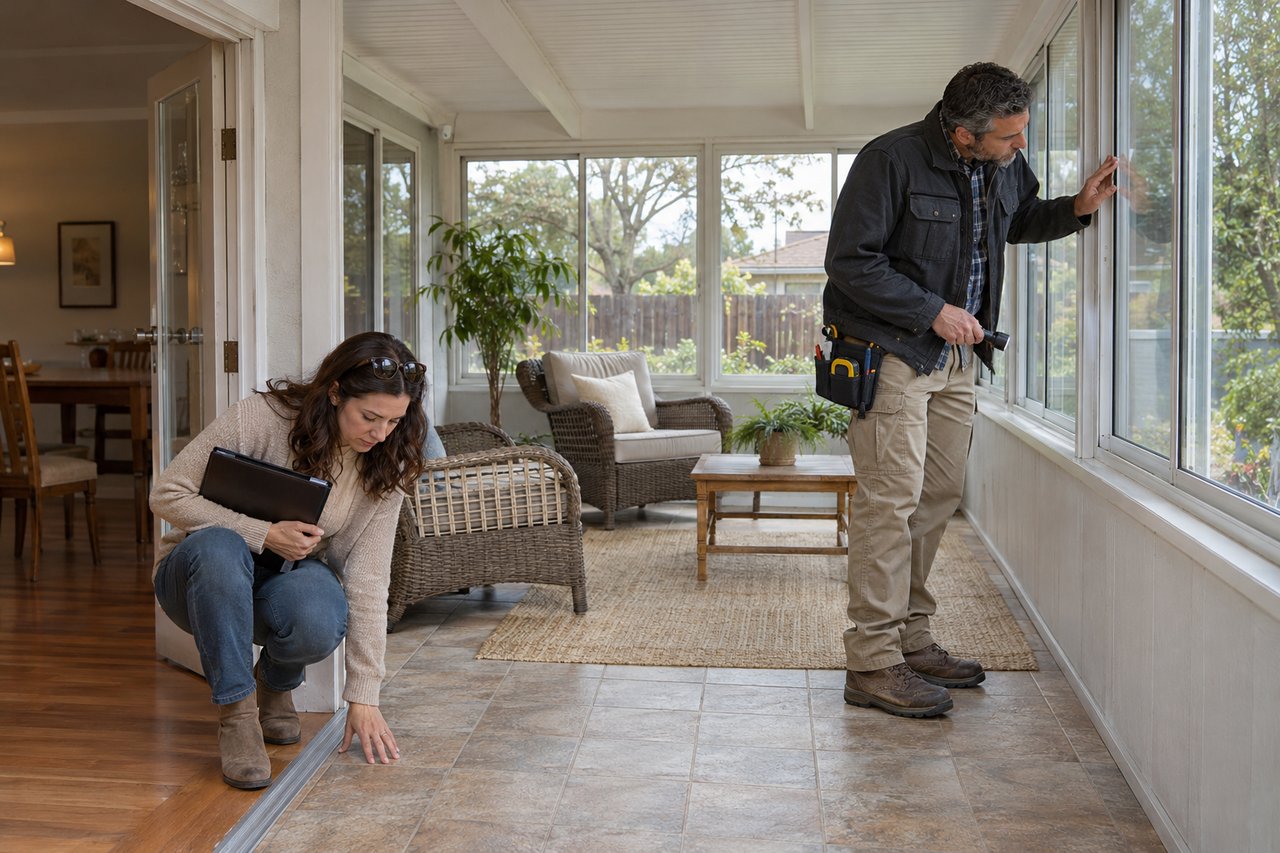
Review the sunroom's condition, records and usable space before treating it as part of the home.
Amber Johnson | November 5, 2026
Compare a home's bike storage, nearby routes and the time your riding routine actually needs.
Amber Johnson | November 5, 2026
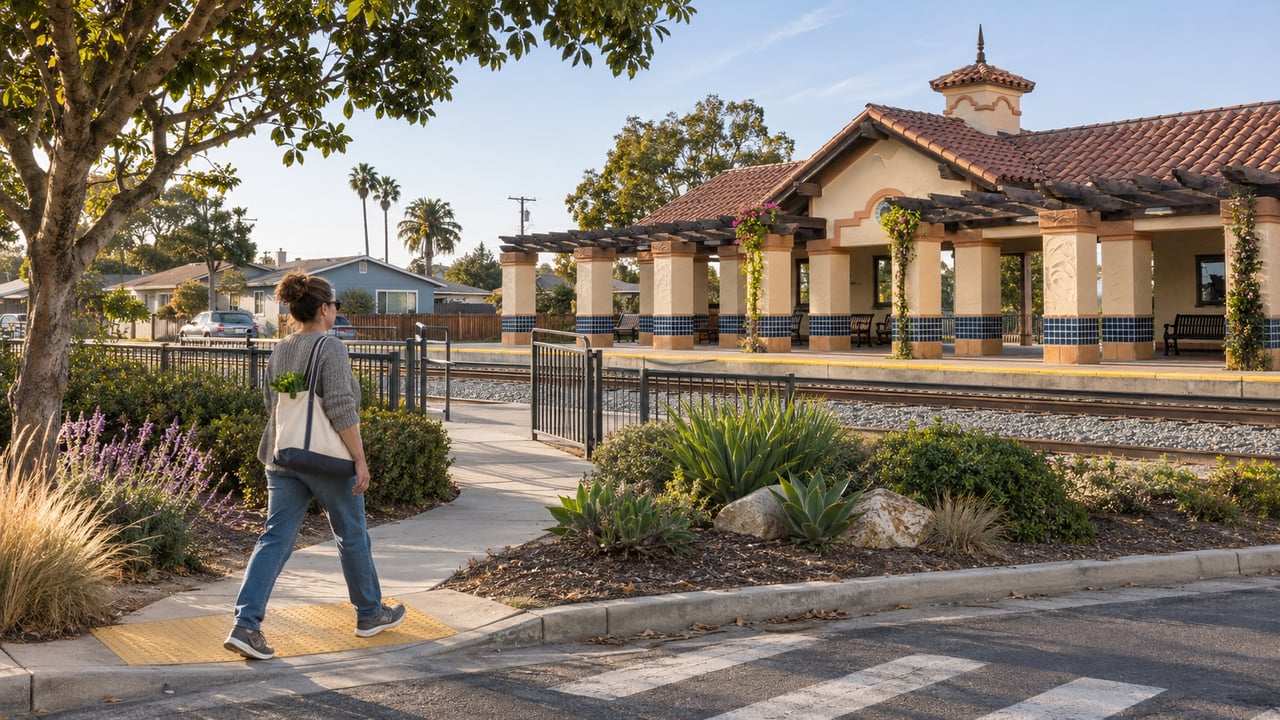
Consider station access, nearby activity and your usual routes from a specific Grover Beach home.
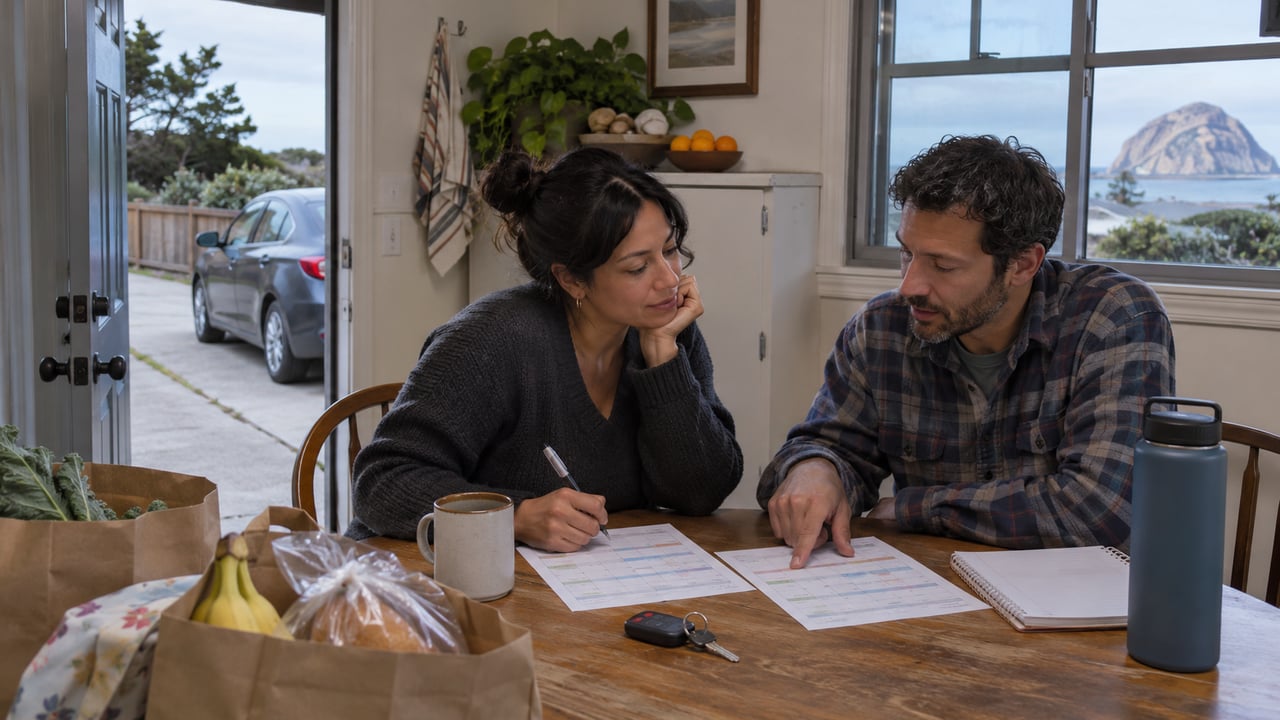
Amber Johnson | November 5, 2026
Test how one shared car fits errands, work, appointments and the location of a specific home.
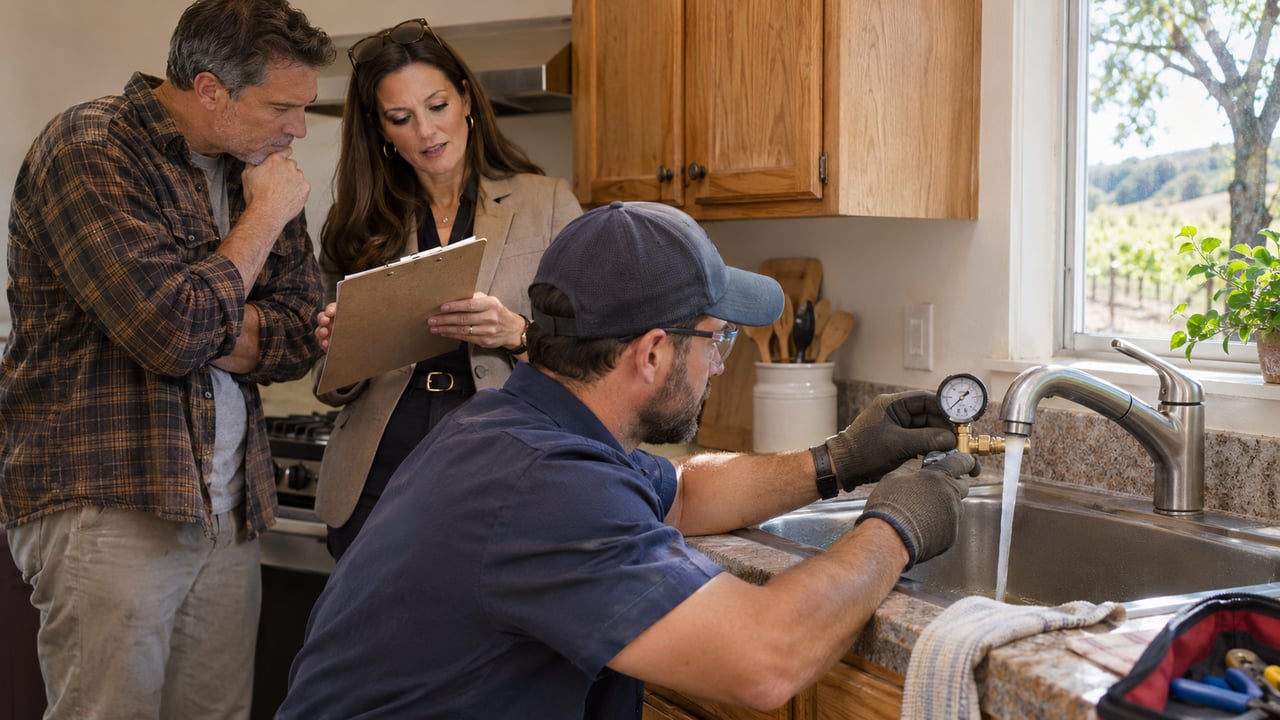
Amber Johnson | November 5, 2026
Identify where the pressure issue starts and weigh repairs, disclosure and buyer expectations before listing.
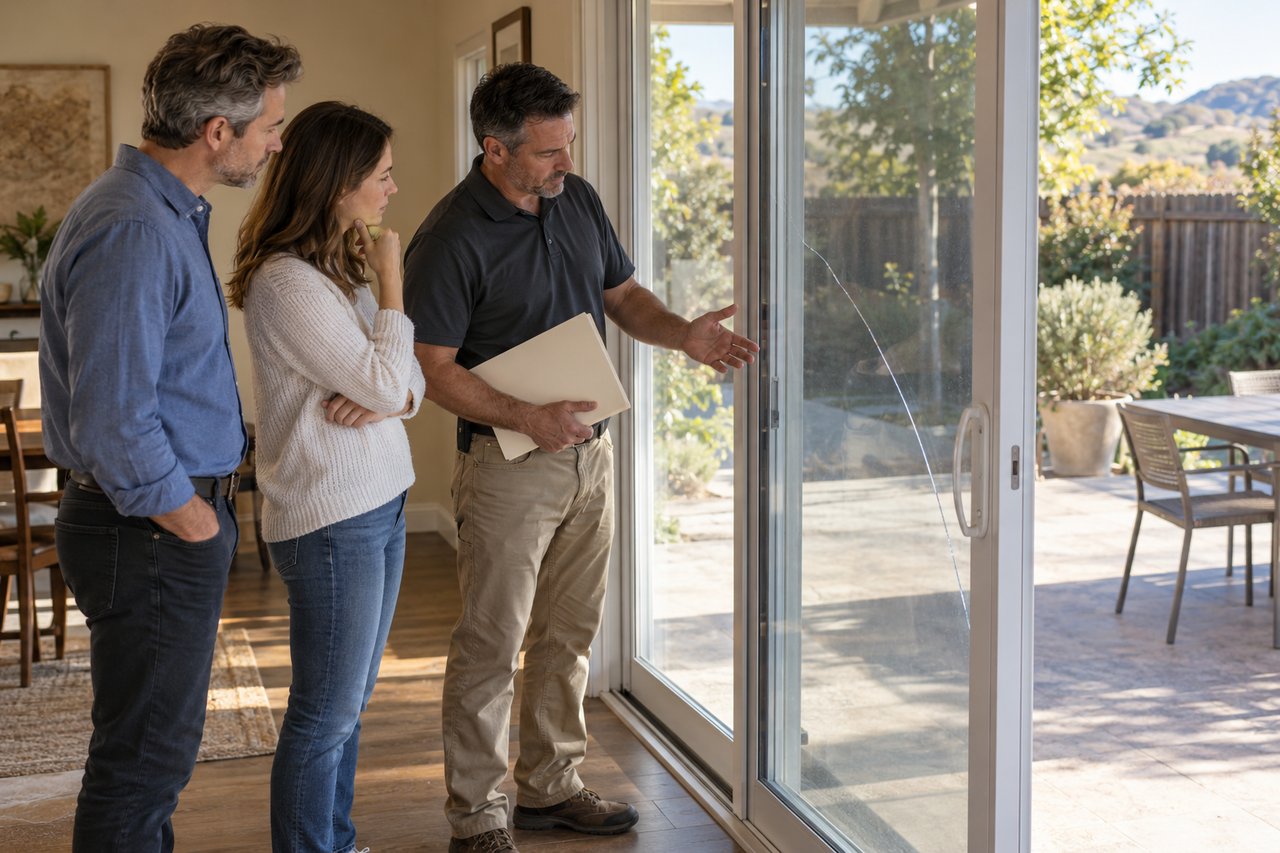
Amber Johnson | November 5, 2026
Compare safety, function, repair cost and buyer expectations before deciding whether the door needs repair or replacement.
You’ve got questions and we can’t wait to answer them.
Amber Johnson, Founder
Pillar Real Estate
805.835.3425
DRE# 01925434
1345 Park Street
Paso Robles, CA 93446