Why You Don’t Need To Fear the Return of Adjustable-Rate Mortgages
August 23, 2023
August 23, 2023
If you remember the housing crash back in 2008, you may recall just how popular adjustable-rate mortgages (ARMs) were back then. And after years of being virtually nonexistent, more people are once again using ARMs when buying a home. Let’s break down why that’s happening and why this isn’t cause for concern.
This graph uses data from the Mortgage Bankers Association (MBA) to show how the percentage of adjustable-rate mortgages has increased over the past few years:

As the graph conveys, after hovering around 3% of all mortgages in 2021, many more homeowners turned to adjustable-rate mortgages again last year. There’s a simple explanation for that increase. Last year is when mortgage rates climbed dramatically. With higher borrowing costs, some homeowners decided to take out this type of loan because traditional borrowing costs were high, and an ARM gave them a lower rate.
To put things into perspective, let’s remember these aren’t like the ARMs that became popular leading up to 2008. Part of what caused the housing crash was loose lending standards. Back then, when a buyer got an ARM, banks and lenders didn’t require proof of their employment, assets, income, etc. Basically, people were getting loans that they shouldn’t have been awarded. This set many homeowners up for trouble because they couldn’t pay back the loans that they never had to qualify for in the first place.
This time around, lending standards are different. Banks and lenders learned from the crash, and now they verify income, assets, employment, and more. This means today’s buyers actually have to qualify for their loans and show they’ll be able to repay them.
Archana Pradhan, Economist at CoreLogic, explains the difference between then and now:
“Around 60% of Adjustable-Rate Mortgages (ARM) that were originated in 2007 were low- or no-documentation loans . . . Similarly, in 2005, 29% of ARM borrowers had credit scores below 640 . . . Currently, almost all conventional loans, including both ARMs and Fixed-Rate Mortgages, require full documentation, are amortized, and are made to borrowers with credit scores above 640.”
In simple terms, Laurie Goodman at Urban Institute helps drive this point home by saying:
“Today’s Adjustable-Rate Mortgages are no riskier than other mortgage products and their lower monthly payments could increase access to homeownership for more potential buyers.”
If you’re worried today’s adjustable-rate mortgages are like the ones from the housing crash, rest assured, things are different this time.
And, if you’re a first-time homebuyer and you’d like to learn more about lending options that could help you overcome today’s affordability challenges, reach out. I'm always happy to help.

Amber Johnson | October 4, 2026
Consider coastal weather, recreation activity, neighborhood streets, sand, noise, and everyday errands before choosing a home.
Amber Johnson | October 4, 2026
Compare lot size, utilities, maintenance, access, and daily routines before choosing a San Miguel setting.

Amber Johnson | October 4, 2026
Consider internet service, backup plans, coastal weather, workspace needs, and everyday errands before moving.
Amber Johnson | October 4, 2026
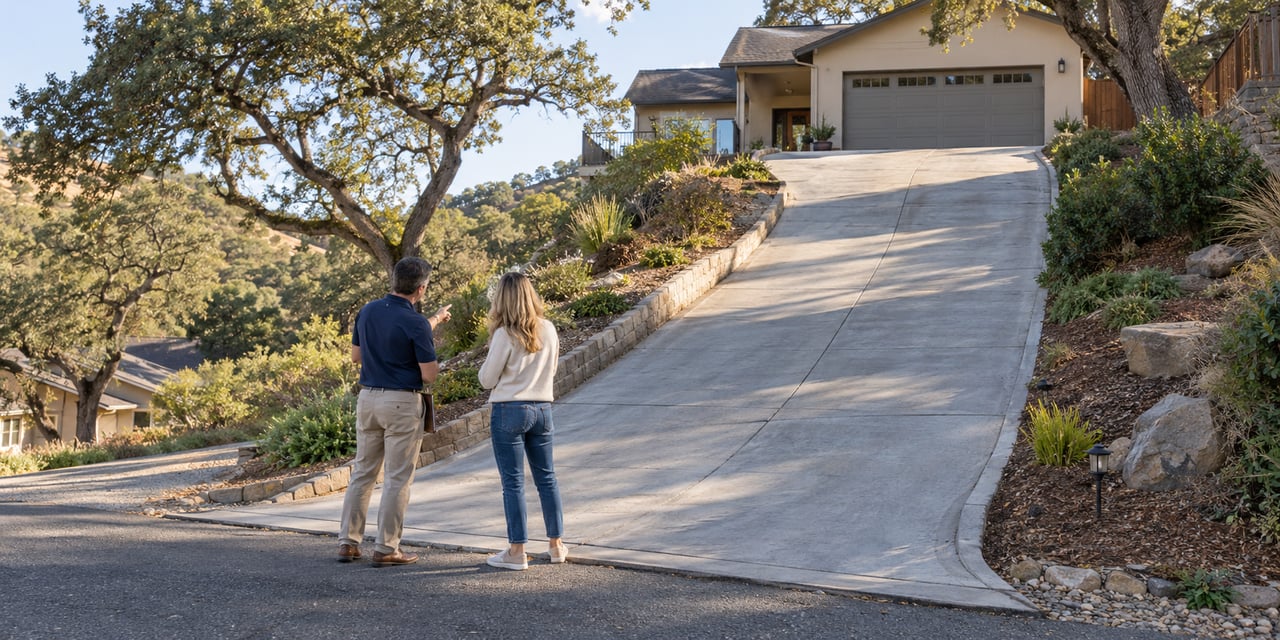
Show access, parking, turnaround space, and the property’s strongest features so buyers can assess the tradeoff clearly.

Amber Johnson | October 4, 2026
Use the flow of new listings to frame choices without treating a single week as the whole market.
Amber Johnson | October 3, 2026
Look closely at parking, street activity, property condition, and everyday fit before making an offer.

Amber Johnson | October 3, 2026
Compare the feel of the inland valley with the walkable beach village before choosing where to live.
Amber Johnson | October 3, 2026
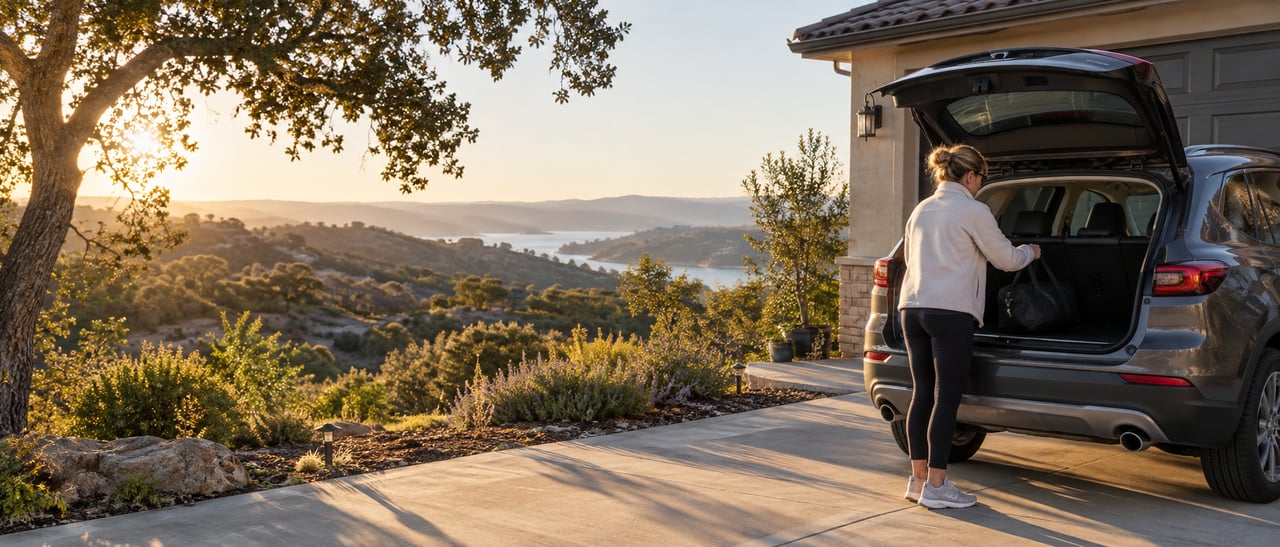
Consider the daily drive, household routine, and community fit before choosing a home near Lake Nacimiento.

Amber Johnson | October 3, 2026
You’ve got questions and we can’t wait to answer them.
Amber Johnson, Founder
Pillar Real Estate
805.835.3425
DRE# 01925434
1345 Park Street
Paso Robles, CA 93446