What Should Buyers Check Before Buying a Home in an Oceano Flood Zone?
October 12, 2026
October 12, 2026
Buying a home in an Oceano flood zone does not automatically mean the property is a poor choice. It does mean you should slow down and verify a few things before you commit. The map designation, the building's actual elevation, drainage around the lot, insurance availability, lender requirements, disclosures, and the total monthly cost all matter.
Here’s the thing: a flood-zone label is a starting point, not the whole answer. Two homes on nearby streets can have different elevations, drainage patterns, building histories, insurance costs, and levels of exposure. Your job is to understand the exact property, not make a decision from a broad neighborhood label.
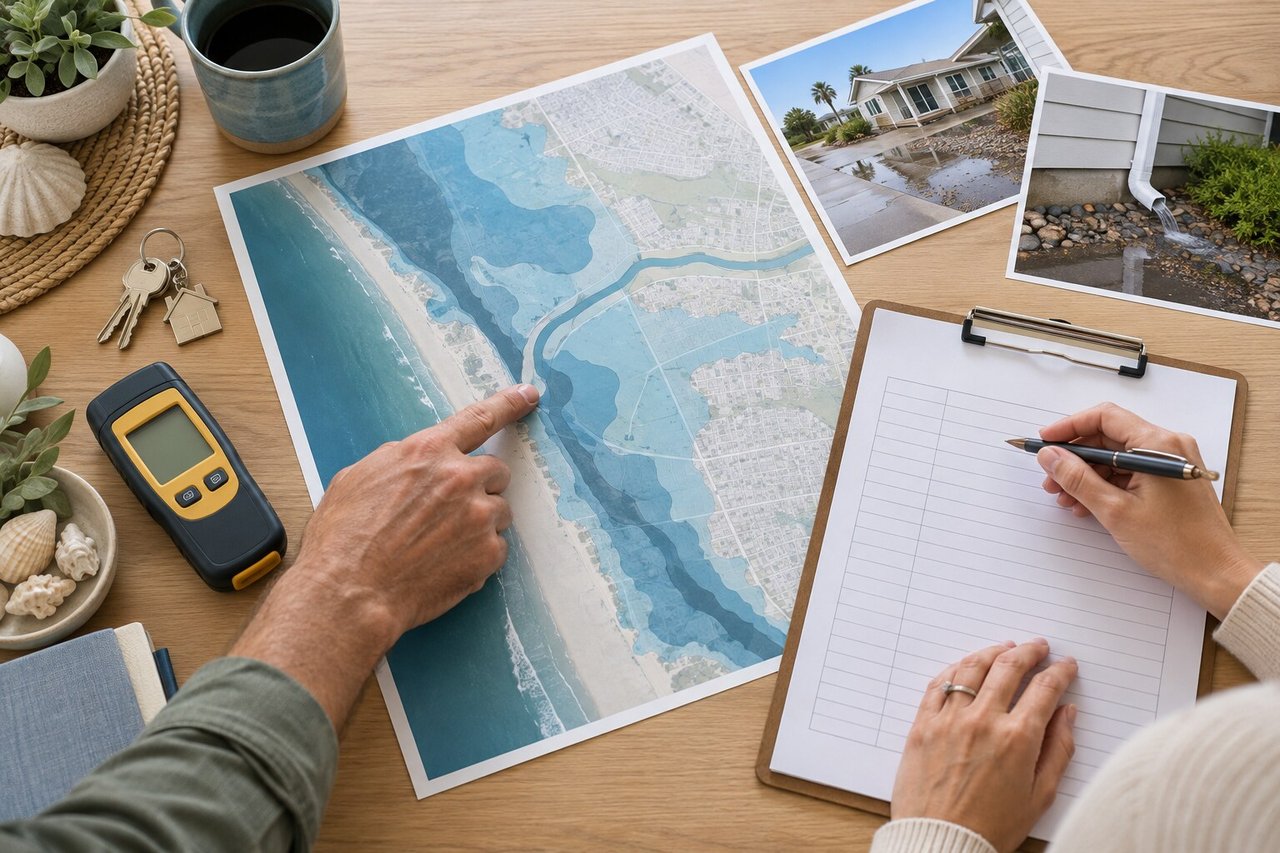
Ask which FEMA flood zone applies to the parcel and whether the structure itself sits inside the mapped hazard area. The parcel boundary and the building footprint are not always treated the same way. A lot may cross more than one zone, and the location of the house on that lot can affect insurance and lending.
Use the current official map, not an old listing description or a screenshot passed along without context. Check the map panel date, the zone code, and any base flood elevation shown. Ask whether there is a Letter of Map Amendment, Letter of Map Revision, elevation certificate, or other document that changes how the property is treated. If a seller provides one, confirm that it applies to the correct parcel and structure.
A 1-percent annual-chance flood area is sometimes called a 100-year floodplain. That phrase can be misleading. It does not mean flooding occurs only once every 100 years. It describes the chance in any given year. A buyer should understand that distinction before deciding how comfortable they feel with the risk.
If you are financing the purchase, ask your lender about flood insurance early. A federally regulated lender generally requires flood insurance when a secured building is in a designated high-risk flood area. The lender may also have its own documentation standards, coverage limits, and timing requirements.
Do not wait until the final loan review. Ask the lender to identify the flood determination they are using and whether the building, not just part of the parcel, triggers the requirement. Find out how much coverage is needed and whether the policy must be active before closing.
If one lender says insurance is not required, that does not mean there is no flood risk. It may mean the property falls outside a mandatory zone, the structure has been removed from the mapped area, or the lender's determination differs from what you expected. You can still choose to carry coverage. That is a risk and budget decision, not only a loan condition.
A rough estimate is not enough. Request a property-specific flood insurance quote before you remove the relevant contingency. Give the insurance professional the address, building details, map information, and any elevation certificate available. Ask what the quote covers, what it excludes, the deductible, the coverage limits, and whether contents require separate coverage.
Standard homeowners insurance generally does not cover flooding from rising surface water. That is why flood insurance deserves its own review. Ask whether the quote comes through the National Flood Insurance Program or a private carrier. If private coverage is proposed, compare the terms and confirm that the lender accepts it.
Also ask how the premium could change after the sale, whether the current owner's policy can be transferred, and what assumptions were used to calculate the quote. Insurance rules and pricing can change. A paid invoice from years ago does not tell you what your cost will be.
This is part of the larger insurance conversation every California buyer should have. Our guide to homeowners insurance in California can help you prepare for those questions.
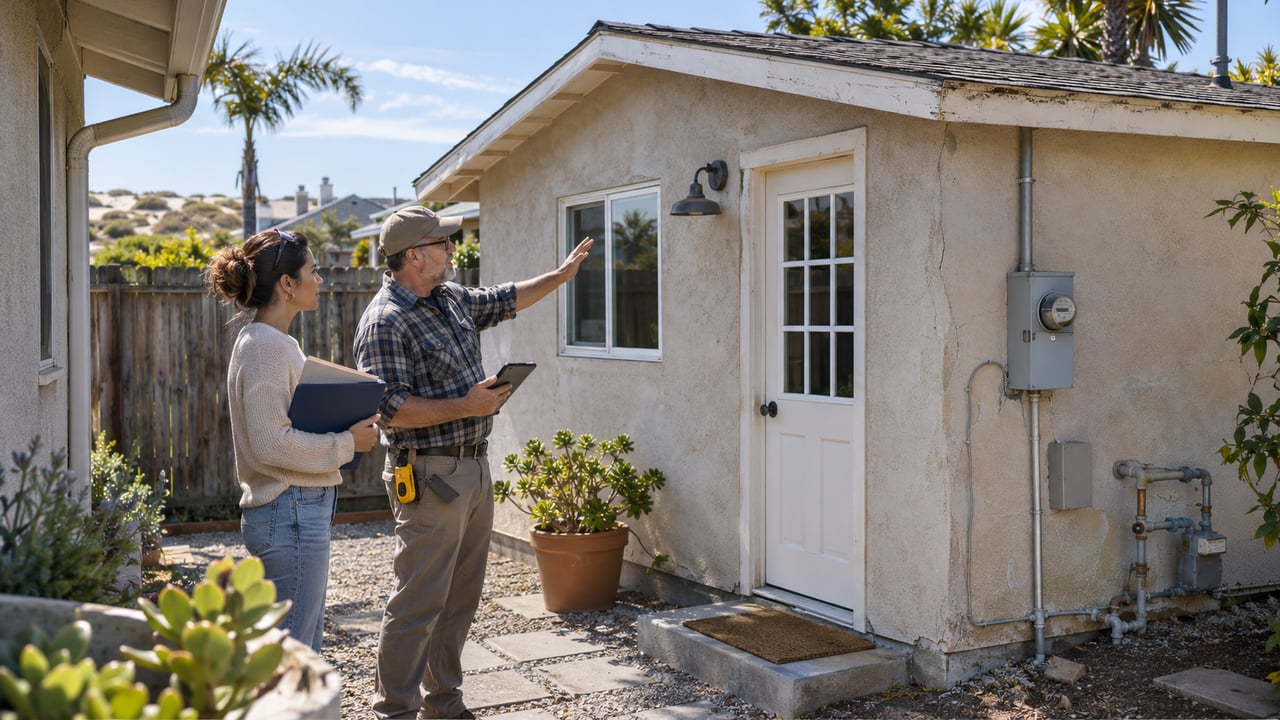
The map tells you about a mapped hazard. The property inspection tells you how the home and lot may respond to water. Walk the exterior with attention to grade, low spots, drainage paths, gutters, downspouts, hardscape, crawl spaces, garages, and any area where water could collect.
Ask where roof runoff goes. Look for swales, drains, pumps, raised mechanical equipment, flood vents, retaining features, and signs of past repairs. Staining, efflorescence, damaged baseboards, musty odors, rust, soil movement, or fresh paint in an isolated low area may deserve more investigation. None of those details proves a flood occurred, but they can point you toward better questions.
If the house has a crawl space, basement-like area, low garage, or finished space close to grade, ask the inspector to examine it closely. A general home inspection is important, but it may not answer every flood or drainage question. Depending on the property, you may need a drainage specialist, civil engineer, surveyor, insurance professional, or other qualified expert.
Buyers who want a broader inspection plan can review what to expect during a home inspection in SLO County before scheduling their due diligence.
An elevation certificate can show important measurements for the building and the applicable flood information. It may help an insurer, lender, surveyor, or engineer assess the property more precisely. If one exists, ask for a complete copy and have the appropriate professionals explain what it means.
If no certificate exists, ask whether obtaining one would help answer a material question. Do not assume that a home on a raised foundation is automatically above the relevant elevation. Do not assume that a slab home is automatically at greater risk. Measurements and construction details matter more than visual guesses.
Also separate the elevation of the living area from the elevation of a garage, enclosure, crawl space, or equipment. Different parts of the building may be affected differently. Your insurance professional and lender can tell you which measurements matter to their decision.
Review the seller's disclosures, natural hazard disclosure, inspection reports, insurance information the seller is willing or required to provide, permits, and repair records. Look for references to flooding, standing water, drainage problems, moisture, mold, foundation work, replaced flooring or drywall, and damaged mechanical systems.
Ask clear questions. Has water entered the house, garage, crawl space, or outbuildings? Has the lot held standing water? Have drains, pumps, grading, or flood-resistant improvements been installed? Were permits obtained when required? Is there documentation showing when and why the work was completed?
A seller's disclosure is important, but it is not a substitute for your own investigation. Owners may have different experiences depending on how long they lived there, which storms occurred during their ownership, and how they used the property. Review all available records and let your inspectors follow the evidence.
Oceano includes low-lying coastal areas, varied drainage conditions, and streets with different relationships to channels, roads, and surrounding grades. That does not make every property equally exposed. It makes address-specific research especially important.
Drive the block after rain if conditions are safe. Look at curb flow, storm drains, road crowns, standing water, and how neighboring lots drain. Ask where water is expected to move during a heavy storm. Review county information about local flood-control and drainage work, but do not treat a regional project as proof that one home is protected from every event.
Daily life matters too. A property can meet your flood-risk comfort level and still need to fit your recreation, access, traffic, and neighborhood priorities. If you are comparing the broader area, what everyday life is like near the Oceano Dunes offers another part of that picture.
The purchase price is only one number. Add the flood insurance premium, homeowners insurance, deductibles, possible survey or engineering costs, and likely maintenance for drains, gutters, pumps, grading, vents, or moisture control. Think about reserves for a high deductible or an uncovered repair.
Ask whether a claim would require you to pay for temporary housing, cleanup, contents replacement, or work that exceeds policy limits. Review how quickly you could access cash after an event. A lower purchase price does not help if the ownership costs create stress every month.
Compare those expenses with your total housing payment and long-term plans. If you expect to remodel, add an accessory structure, enclose a lower area, or change drainage, check permitting and floodplain requirements before assuming the work is possible. Future improvements can affect both cost and risk.
For a wider planning list, our overview of hidden home-buying costs in San Luis Obispo County can help you account for expenses beyond the loan payment.
Give yourself enough time to obtain the map information, insurance quote, lender answer, disclosures, inspections, and specialist opinions you need. Keep your real estate agent and lender informed so deadlines do not pass while a key question is still open.
If the documents disagree, stop and resolve the difference. For example, the listing may describe one flood zone while the lender's determination shows another. An old elevation certificate may not match the current structure. A quote may depend on missing information. Those are reasons to investigate, not reasons to guess.
Your contract and contingency choices should match your situation. Speak with the appropriate real estate, lending, insurance, legal, tax, and technical professionals when their expertise is needed. The right strategy is a coordinated review, not one person trying to answer every question.
Maybe. A home in an Oceano flood zone can still make sense when the risk is understood, the insurance is available, the property has been evaluated carefully, and the total cost fits your goals. The wrong move is treating the map designation as either an automatic rejection or a minor detail.
Make the decision from verified property information. Confirm the mapped designation. Understand the structure's elevation. Inspect drainage and moisture conditions. Read the disclosures. Price the insurance. Then decide whether the risk and responsibility make sense for you.
If you are comparing Oceano homes, I can help you organize the questions, documents, and local due diligence so you can make a clear decision.
Amber
Pillar Real Estate | Amber Johnson, Founder
805.835.3425 | [email protected]
1345 Park St. Paso Robles, CA 93446 | DRE# 01925434
pillarrealestate.com

Amber Johnson | November 11, 2026

Amber Johnson | November 11, 2026

Amber Johnson | November 11, 2026
Compare appearance, operation, window condition and buyer expectations before deciding whether the units should stay.
Amber Johnson | November 10, 2026
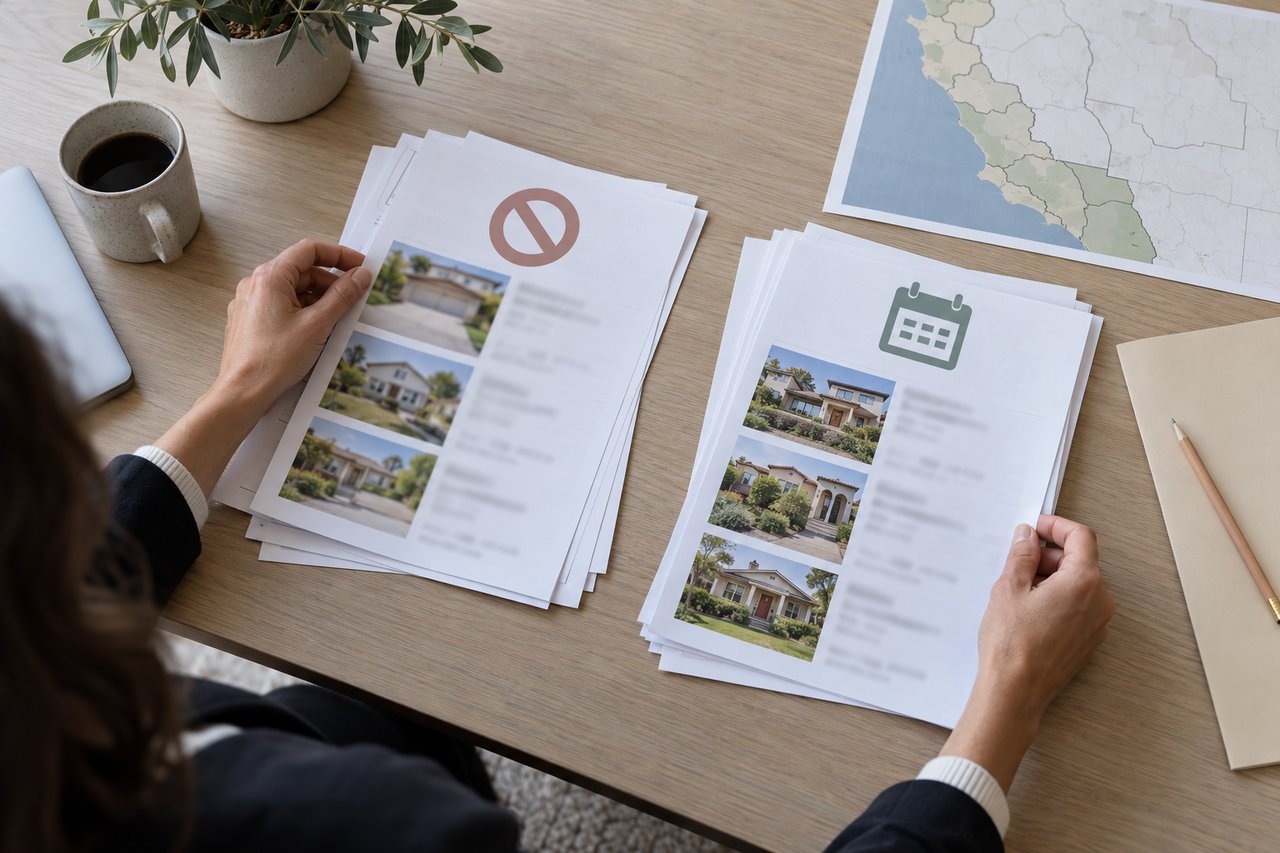
Learn what each listing outcome may mean, what it leaves unanswered and how price range, location and timing affect the comparison.

Amber Johnson | November 9, 2026
Amber Johnson | November 9, 2026
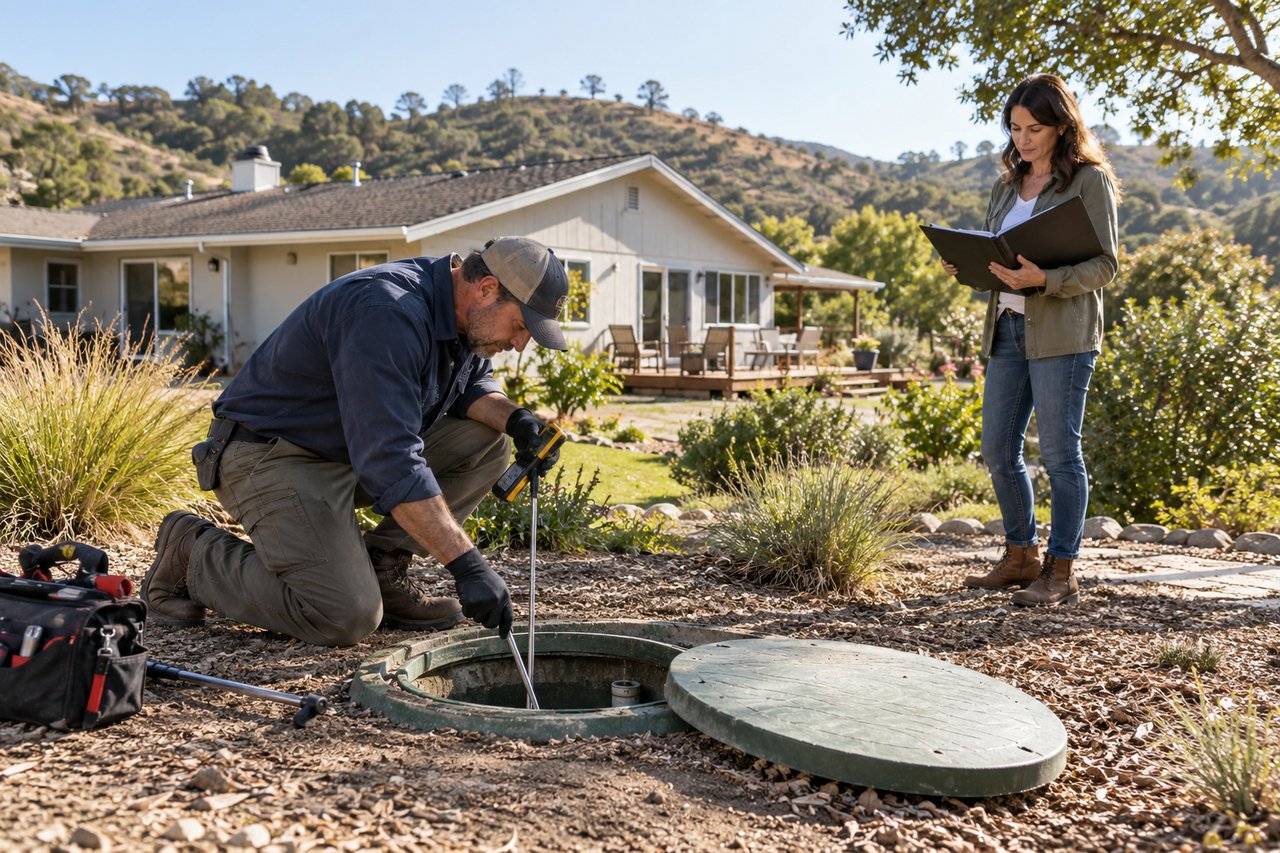
Review inspection findings, service records, capacity, access and local requirements before relying on the system.
Amber Johnson | November 8, 2026
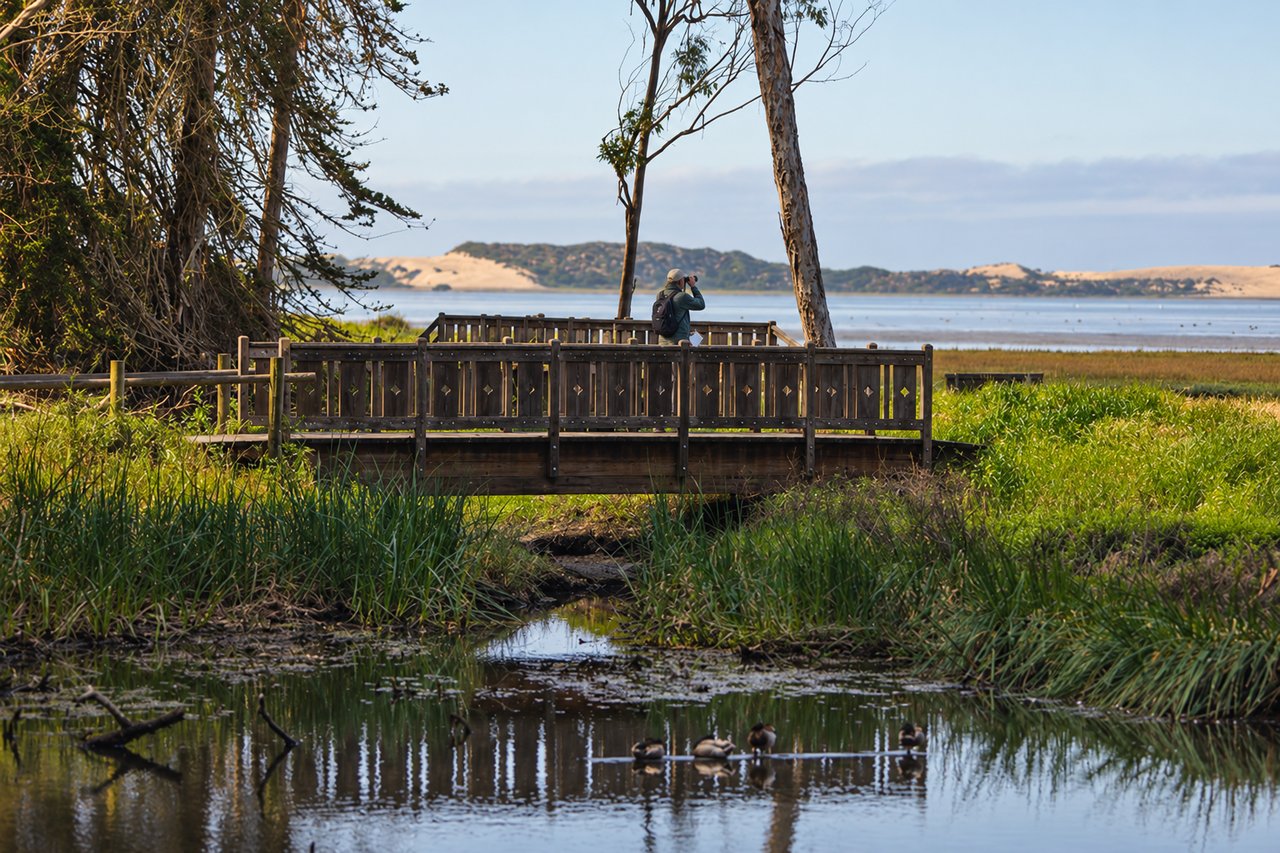
Compare access, timing, seasonal conditions and home-to-trail logistics before building regular birdwatching into life in Los Osos.
Amber Johnson | November 8, 2026
Verify the separate structure's records, condition and permitted use before counting on it.

Amber Johnson | November 7, 2026
Compare specific homes by their street setting, daily routes and access to the places you use.
You’ve got questions and we can’t wait to answer them.

Amber Johnson, Founder
Pillar Real Estate
805.835.3425
DRE# 01925434
1345 Park Street
Paso Robles, CA 93446