Living Off a Private Well in Paso Robles: What Homebuyers Should Expect
August 28, 2026
August 28, 2026
One of the questions I hear from buyers looking at rural properties is,
"I've never had a private well before. Should I be concerned?"
It's a great question.
For many buyers relocating from cities or suburban neighborhoods, a private well is something they've never experienced.
Here's the thing.
Owning a home with a private well is very common throughout Paso Robles, Templeton, San Miguel, and other rural parts of North San Luis Obispo County.
It's not something to fear.
It's simply something to understand.
Over the past 13+ years, I've helped buyers purchase rural properties throughout the area. One thing I've learned is that buyers become much more comfortable once they understand how private wells work and what questions to ask before buying.
My goal is to help you understand what living with a private well is really like so you can decide whether a rural property makes sense for your goals.
Before we get started, I also recommend reading my article, "Acreage Property in Paso Robles: What Should Buyers Know?" Many acreage homes rely on private wells, so the two topics naturally go together.
What Is a Private Well?
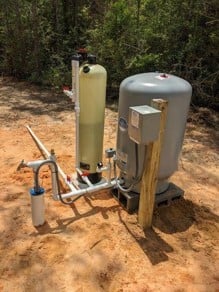
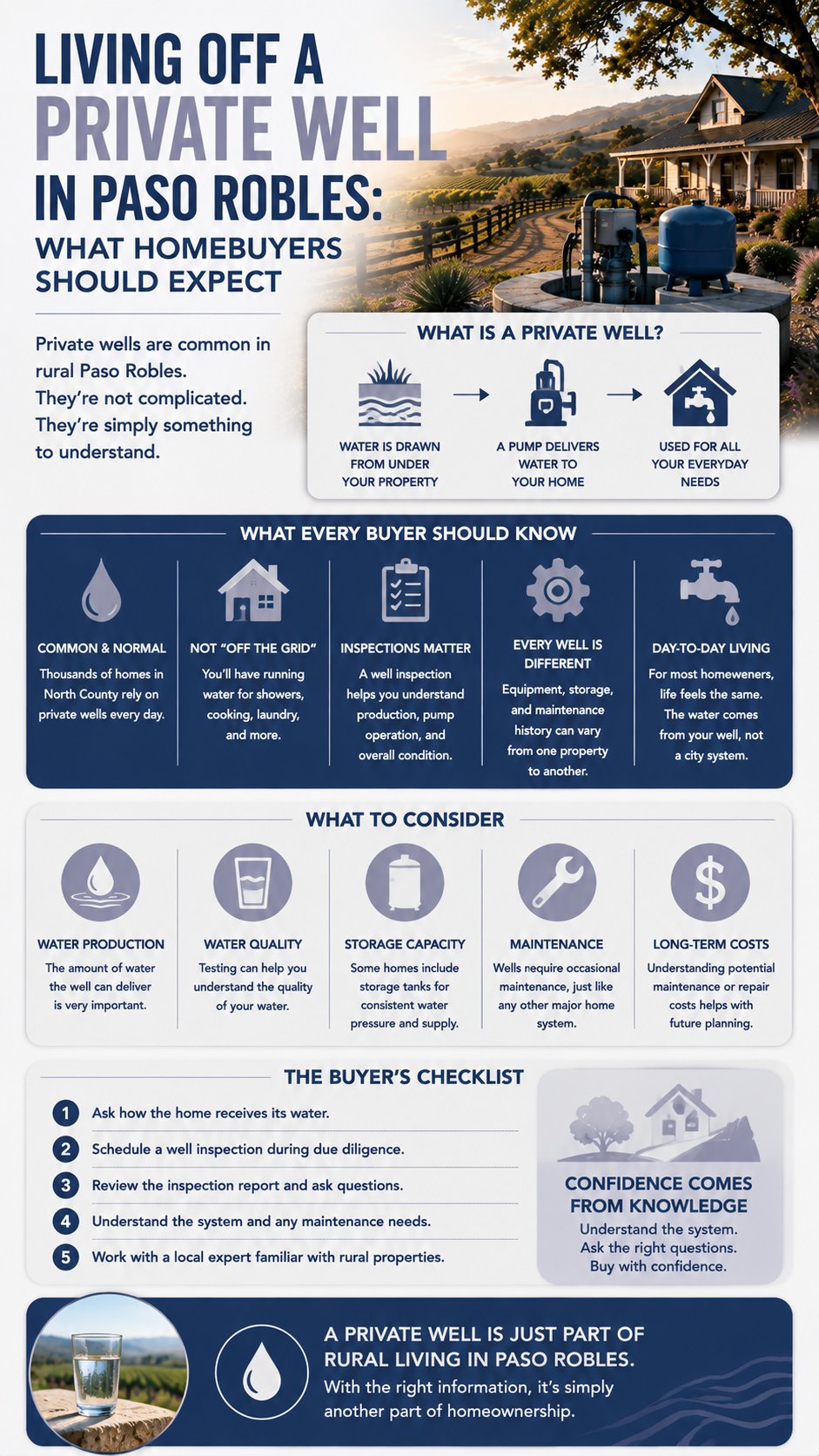
Instead of receiving water from a city water system, a private well draws groundwater from beneath the property.
A pump delivers that water to the home for everyday use.
Many buyers are surprised to learn how common this is throughout rural North County.
Thousands of homeowners rely on private wells every day.
For them, it's simply part of owning a rural property.
A Private Well Doesn't Mean You're "Off the Grid"
This is one of the biggest misconceptions I hear.
A home with a private well often has the same modern conveniences as any other home.
You'll still have running water for showers, cooking, laundry, and everyday living.
The difference is simply where the water comes from.
Instead of a municipal water system, it's supplied by your own well.
Why Well Inspections Matter
Whenever a buyer is purchasing a property with a private well, one of the most important parts of the due diligence process is understanding the well itself.
A well inspection can provide valuable information about things like:
Depending on the property and your inspection team, buyers may also choose to evaluate water quality.
The goal isn't to assume there's a problem.
It's to understand the system before closing so there are fewer surprises later.
Every Well Is Different
Just like homes are different, private wells are different too.
One property may have a newer pump and updated equipment.
Another may have older components that have been well maintained for years.
Some homes also include water storage tanks or treatment systems depending on the property's needs.
That's why I encourage buyers to evaluate each well individually instead of making assumptions based on age or appearance alone.
What Is Day-to-Day Living Like?
For most homeowners, daily life doesn't feel much different than living with city water.
You turn on the faucet.
You take a shower.
You wash dishes.
Life goes on.
The biggest difference is simply that you're responsible for your own water system rather than paying a municipal water provider.
Many homeowners appreciate that independence.
Others simply see it as another part of owning rural property.
What I'm Seeing
I've noticed that buyers who have never owned a private well often worry about it before they move.
Interestingly, it's rarely something they continue talking about after they've lived on the property for a while.
Once they understand how the system works and complete the appropriate inspections during escrow, it usually becomes just another part of everyday homeownership.
From start to finish.
A Real-Life Example
I recently worked with buyers relocating from Southern California who had never owned a home outside the city.
Everything about rural property felt unfamiliar.
One of their biggest concerns wasn't the house itself.
It was the private well.
"What if something goes wrong?"
"How do we know there's enough water?"
Those are completely reasonable questions.
During escrow, we made sure the well was properly evaluated as part of their due diligence. They learned how the system worked, reviewed the available information, and felt much more confident moving forward.
A few months after closing, I checked in to see how things were going.
Their answer made me smile.
"Honestly, we don't even think about it anymore."
That's a response I've heard more than once.
For many homeowners, a private well sounds intimidating until they understand it.
Then it simply becomes another part of living on rural property.
The Biggest Misconception
The biggest misconception I hear is that owning a private well is complicated.
For most homeowners, it isn't.
Day to day, you use the water exactly the same way you would if you lived in town.
The difference is that the water comes from your own well instead of a municipal system.
Another misconception is that every well performs the same.
Just like every home is different, every well is different.
Production, equipment, storage, and maintenance history can all vary from one property to another.
That's why inspections and due diligence are so important.
They're designed to help you understand the specific property you're buying instead of relying on assumptions.
What This Should Feel Like
When you're considering a rural home with a private well, I don't want you to focus on the equipment.
I want you to picture everyday life.
Making coffee in the morning.
Watering your landscaping.
Taking a hot shower after a long day.
Living on a property that offers more space and privacy without sacrificing the comforts you're used to.
That's the experience many buyers discover after moving to rural Paso Robles.
By this point, you should have a better understanding of:
How This Connects to the Bigger Picture
Earlier, I wrote "Acreage Property in Paso Robles: What Should Buyers Know?"
That article explains many of the differences between neighborhood homes and rural properties.
A private well is simply one piece of that larger picture.
The more you understand rural ownership before you buy, the fewer surprises you'll have after closing.
Next, we'll answer another question that almost always comes up alongside private wells:
Septic Systems in Paso Robles: A Homebuyer's Guide
Steps: Buying a Home With a Private Well
Step 1: Ask Questions Early
If a property has a private well, ask how the home receives its water and what information is available about the system.
Understanding that early helps you prepare for the rest of your due diligence.
Step 2: Schedule a Well Inspection
A professional well inspection can provide valuable information about the system's operation and overall condition.
It's one of the most important inspections for buyers considering rural property.
Step 3: Review the Available Information
Take time to understand the inspection results and ask questions if something isn't clear.
The goal is to understand the system, not become an expert overnight.
Step 4: Think About Long-Term Ownership
Like any major home system, a private well requires occasional maintenance.
Knowing that ahead of time helps you plan for long-term homeownership.
Step 5: Work With a Local Expert
Private wells are common throughout Paso Robles, Templeton, San Miguel, and other rural communities.
Working with someone familiar with rural transactions can help you understand the questions to ask throughout the buying process.
So... Should a Private Well Stop You From Buying a Home?
For most buyers, the answer is no.
A private well is simply one of the characteristics of many rural properties throughout North San Luis Obispo County.
When you understand the system, complete the appropriate inspections, and know what you're buying, it becomes another part of owning a home.
The goal isn't to avoid rural properties because they have private wells.
The goal is to understand them well enough to make a confident decision.
Why I Spend Time Explaining Rural Property
Over the past 13+ years, I've helped many buyers transition from neighborhood homes to rural properties.
I've found that most concerns come from unfamiliarity, not from the property itself.
Once buyers understand how wells, septic systems, and acreage ownership work, they usually feel much more comfortable moving forward.
Helping people replace uncertainty with confidence is one of the most rewarding parts of what I do.
From start to finish.
The Real Question to Ask
Instead of asking:
"Should I be worried about a private well?"
Ask:
"Do I understand how this well works and what I should know before buying?"
That's the question that helps buyers make informed, confident decisions.
Next Steps
If you're considering a rural home in Paso Robles, Templeton, San Miguel, Atascadero, or anywhere in North San Luis Obispo County, I'd be happy to help you understand the differences between city utilities and private well systems as you compare properties.
I also recommend reading my article, "Acreage Property in Paso Robles: What Should Buyers Know?" Together, these guides answer many of the questions buyers have when exploring rural living.
When you're ready to begin your search, visit:
👉 https://pillarrealestate.com/buying
My goal is to help you understand every aspect of the property, answer your questions honestly, and help you make informed decisions from your first showing through closing.
From start to finish.
FAQ
Is it common for homes in Paso Robles to have private wells?
Yes. Many rural properties throughout Paso Robles, Templeton, San Miguel, and other parts of North San Luis Obispo County rely on private wells instead of municipal water systems.
Should I inspect the well before buying?
Yes. A well inspection is an important part of the due diligence process because it helps buyers understand the system's operation and condition before closing.
Does living with a private well feel different than city water?
For most homeowners, daily life feels very similar. You still have running water for everyday activities. The primary difference is that the water comes from your own well rather than a municipal provider.
Does every private well perform the same?
No. Every well is unique. Factors such as equipment, production, storage, and maintenance history can vary from one property to another.
Is owning a private well difficult?
Most homeowners find that living with a private well is straightforward once they understand the system and complete the proper inspections during the purchase process.
Are private wells only found on large acreage properties?
Not always. While they're common on larger rural parcels, homes on smaller rural lots may also rely on private wells depending on their location.
Should a private well keep me from buying a rural property?
For most buyers, no. The important thing is understanding the specific well serving the property and completing the appropriate due diligence so you can make an informed decision.
Amber Johnson, Founder
Pillar Real Estate
805.835.3425
[email protected]
1345 Park St. Paso Robles, CA 93446
DRE# 01925434

Amber Johnson | September 18, 2026

Amber Johnson | September 18, 2026

Amber Johnson | September 18, 2026
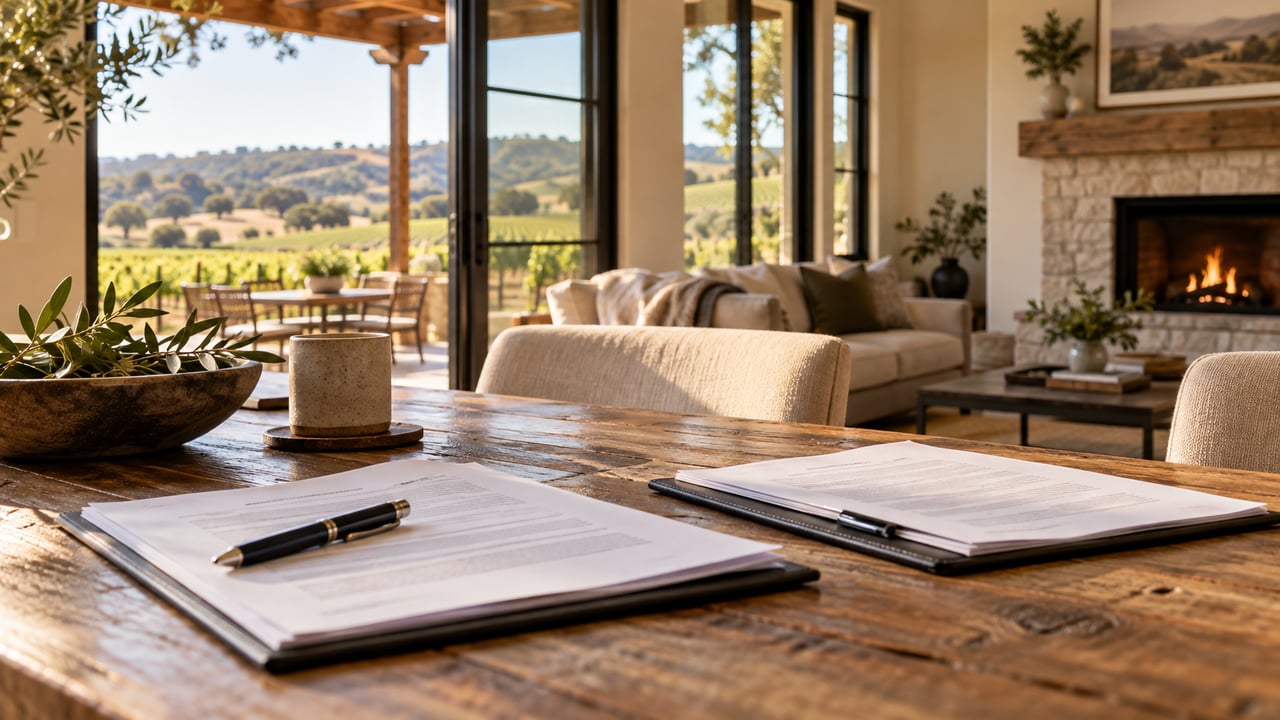
How wells, septic systems, acreage, access, and the buyer pool shape a rural-property sale.
Amber Johnson | September 17, 2026
What concession requests can signal about buyer leverage, affordability, and current negotiations.

Amber Johnson | September 17, 2026
What sellers should know about owned, financed, and leased solar before listing.

Amber Johnson | September 17, 2026
How roof condition, insurance, buyer financing, and repair costs can shape the right decision.
Amber Johnson | September 17, 2026

Amber Johnson | September 17, 2026

Amber Johnson | September 17, 2026
How tenant occupancy can affect timing, showings, communication, and the selling process.
You’ve got questions and we can’t wait to answer them.

Amber Johnson, Founder
Pillar Real Estate
805.835.3425
DRE# 01925434
1345 Park Street
Paso Robles, CA 93446