Should I Buy a Condo or a Detached Home in Grover Beach?
October 10, 2026

October 10, 2026
If you are choosing between a condo and a detached home in Grover Beach, start with your daily routine. A condo may make sense if you want less exterior upkeep, shared amenities, and a lower-maintenance way to live near the coast. A detached home may be the better fit if you value privacy, your own outdoor space, fewer shared rules, and more control over future improvements.
Neither property type is automatically the better investment or the easier purchase. The right choice depends on the specific home, the HOA, your budget, your plans, and how you want your week to feel. Here is the thing: buyers often compare price first. I would compare responsibility first.
Picture a normal Tuesday, not a vacation weekend. Do you want to spend time caring for a yard, handling exterior repairs, and making decisions about the whole property? Or would you rather pay an HOA to coordinate some shared responsibilities?
A condo can simplify parts of ownership, but it does not remove responsibility. You still need to understand what the association covers, what remains yours, and how future costs may be handled. A detached home gives you more direct control, but that control comes with more decisions and more maintenance.
Grover Beach buyers also need to compare the immediate setting. A condo close to your regular destinations may support a very different routine than a detached home farther from them. If you are new to the area, read Grover Beach: Where Coast Meets Community for a broader look at the city before narrowing the search to a property type.
Maintenance is one of the clearest differences. In many condo communities, the association handles at least some exterior or common-area work. The exact scope varies. Never assume the roof, exterior walls, windows, landscaping, plumbing, decks, or private-use areas are covered just because the property is called a condo.
Read the governing documents and maintenance chart carefully. Ask who is responsible for each major component. Review the association's recent meeting minutes, budget, reserve information, insurance summary, and any notices about planned work. Those records can show whether the community is keeping up with repairs or facing decisions that could affect owners.
With a detached home, the maintenance responsibility is usually more direct. The roof, exterior, yard, drainage, fencing, driveway, and major systems are generally part of your own planning. You choose when to handle many projects, but you also pay for them. A detached home that looks affordable can feel less comfortable if several large repairs are approaching.
The practical question is not, “Which one has no maintenance?” Neither does. Ask, “Do I prefer shared decision-making and regular HOA dues, or individual decision-making and less predictable repair timing?”
Buyers often look at the monthly HOA amount and stop there. That number matters, but it is only one part of the review. You need to know what the dues pay for, whether the association has adequate reserves for its responsibilities, and whether owners have recently discussed increases or special assessments.
A higher monthly fee is not automatically a problem if it covers meaningful expenses and the association is well managed. A low fee is not automatically a bargain if important work has been deferred. The right strategy is to connect the fee to the services, insurance, reserves, and physical condition of the community.
Also confirm how the HOA affects loan qualification. A lender may count monthly dues when calculating your housing expense. The community itself may need to meet lender requirements. Review these questions early, not after you have become attached to one unit.
The due-diligence habits in this article about what buyers should check before buying a condo in Pismo Beach also apply to a Grover Beach condo. The property is different, but the need to review association finances, insurance, rules, and building condition is the same.
A detached home usually offers more separation from neighbors. You may have your own yard, driveway, garage, and exterior walls. That can be important if you work from home, have pets, enjoy outdoor projects, or simply value a little more breathing room.
Condo living can place neighbors above, below, or beside you. Hallways, driveways, landscaping, walls, roofs, and recreational areas may be shared. Before buying, spend time near the unit at more than one hour of the day. Listen from the bedrooms and main living areas. Notice how residents use common spaces and how parking flows.
Construction matters too. A unit with a thoughtful layout and solid separation may feel comfortable, while another may transmit more everyday sound. The location within the development can change the experience. An end unit, upper unit, interior unit, or home near an entrance may each have different tradeoffs.
Privacy is not only about sound. Review sightlines from windows and patios. Check whether outdoor areas are truly private, designated for one unit, or common property with exclusive-use rights. The language in the documents matters.
If you want room for gardening, pets, entertaining, storage, or outdoor hobbies, a detached home may offer more flexibility. But make sure the space is usable. A small yard with good sun and access may serve you better than a larger area that needs extensive work.
A condo may offer a patio, balcony, small fenced area, or shared grounds. Confirm what you may change and what requires approval. Rules can cover flooring, exterior colors, plants, storage, grills, window coverings, and improvements that are visible from outside.
In any coastal community, exterior materials and metal components deserve careful attention. Look at paint, roofing, flashing, railings, windows, doors, and exposed hardware. Ask your inspector to focus on the actual property rather than relying on a general assumption about age or location.
Parking often looks straightforward in listing photos. It may not be. Confirm the number and type of spaces that legally belong to the property. Is the garage deeded, assigned, shared, or part of a common area? Are there guest spaces? What rules apply to overnight parking, commercial vehicles, recreation vehicles, or street use?
For a condo, ask how parking rules are enforced and whether spaces are clearly identified. Test the garage and driveway with your own vehicle if possible. Storage inside a condo garage may be restricted, and using too much space for belongings can leave no room for the car.
For a detached home, check garage dimensions, driveway slope, curb access, and street conditions. A garage shown as parking may be more useful as storage because of size or access. The label matters less than whether the setup works for your household.
A condo association can provide consistency. Rules may help maintain common areas and set expectations among residents. Some buyers appreciate that structure. Others feel limited by it.
Review rules that affect your real life. Pets, rentals, flooring, remodeling, solar equipment, air-conditioning equipment, electric vehicle charging, window changes, and outdoor items are common examples. Do not assume an approval will be granted later. If a planned change is important, confirm the process before buying.
A detached home usually gives an owner more control, subject to local requirements, easements, neighborhood restrictions, and permit rules. More control does not mean every idea is allowed. It means you are less likely to need approval from a condo board in addition to the normal public process.
Think two steps ahead. A property that fits today should also make reasonable sense if you add a pet, change work schedules, need more storage, or plan to rent it in the future. You do not need to predict every change. You do need to identify the few plans that matter most.
Insurance for a condo is different from insurance for a detached home. A condo association may carry a master policy, but the coverage can vary. Your own policy may need to address interior improvements, personal property, liability, loss assessment exposure, and gaps between the association's responsibility and yours.
Ask for the master policy summary and talk with a qualified insurance professional before removing contingencies. Match the insurance information to the governing documents. If one source says the association covers a component and another is unclear, ask for clarification.
For a detached home, request a quote for the specific address and the coverage you need. Do this early enough to evaluate cost and availability. A quick estimate based only on a similar home is not the same as a property-specific review.
Resale should be part of the decision, but it should not override whether the home fits you. Condos and detached homes can both sell well when they are priced correctly, prepared thoughtfully, and matched with the right buyer pool.
For a condo, future buyers may evaluate the unit and the association. HOA dues, reserves, insurance, rules, litigation, owner-occupancy patterns, and planned work can affect the buyer pool or financing. You cannot control every association decision, so the strength and management of the community matter.
For a detached home, future buyers may focus more heavily on lot use, condition, parking, expansion potential, and deferred maintenance. You control more of the property, which means your upkeep decisions can have a direct effect on presentation and value.
Do not rely on a blanket claim that detached homes always appreciate faster or condos are always easier to sell. Compare recent sales by property type, location, condition, size, parking, and fee structure. Sparse or mixed data needs careful interpretation.
Compare more than purchase price. Build a monthly and annual estimate for each option. Include the mortgage, taxes, insurance, HOA dues when applicable, utilities, expected maintenance, and a reasonable reserve for repairs.
A condo with a lower price may have dues that narrow the monthly difference. A detached home with no HOA may need near-term work that changes the first few years of ownership. The net result depends on the specific properties.
Keep cash needs in view too. An inspection may identify work you want to complete after closing. A condo buyer may need funds for interior updates or a possible assessment. A detached-home buyer may need to address roofing, drainage, fencing, or yard cleanup. Leave room for ownership after the purchase is complete.
Property type is only one layer of the decision. Location may matter more. This guide to living in Grover Beach can help you think through the city's general routine and tradeoffs.
If you are comparing coastal living with North County, review Paso Robles versus Grover Beach. The question is not simply which city is better. It is which combination of climate, daily drives, property type, outdoor space, and community setting makes sense for your goals.
A condo may be the stronger fit if you value lower exterior responsibility, are comfortable with shared rules, and prefer a smaller or more contained property. A detached home may be the stronger fit if you want privacy, outdoor space, direct control, and are prepared to manage the full property.
Before choosing, ask yourself:
The answer often becomes clear when you compare two specific homes side by side. Review the documents. Walk the properties. Test the parking. Price the insurance. Then decide based on the full picture.
Buy a Grover Beach condo if shared maintenance and a more contained lifestyle fit your priorities, and the association is financially and physically sound. Buy a detached home if privacy, outdoor space, and direct control matter more, and you are ready for the added upkeep.
It depends on your situation. Amber Johnson and Pillar Real Estate can help you compare the real costs, documents, condition, and daily tradeoffs before you commit.
Ready to compare Grover Beach homes with a clear plan? Visit Sell With Amber.
Amber
Pillar Real Estate | Amber Johnson, Founder
805.835.3425 | [email protected]
1345 Park St. Paso Robles, CA 93446 | DRE# 01925434
Amber Johnson | November 7, 2026
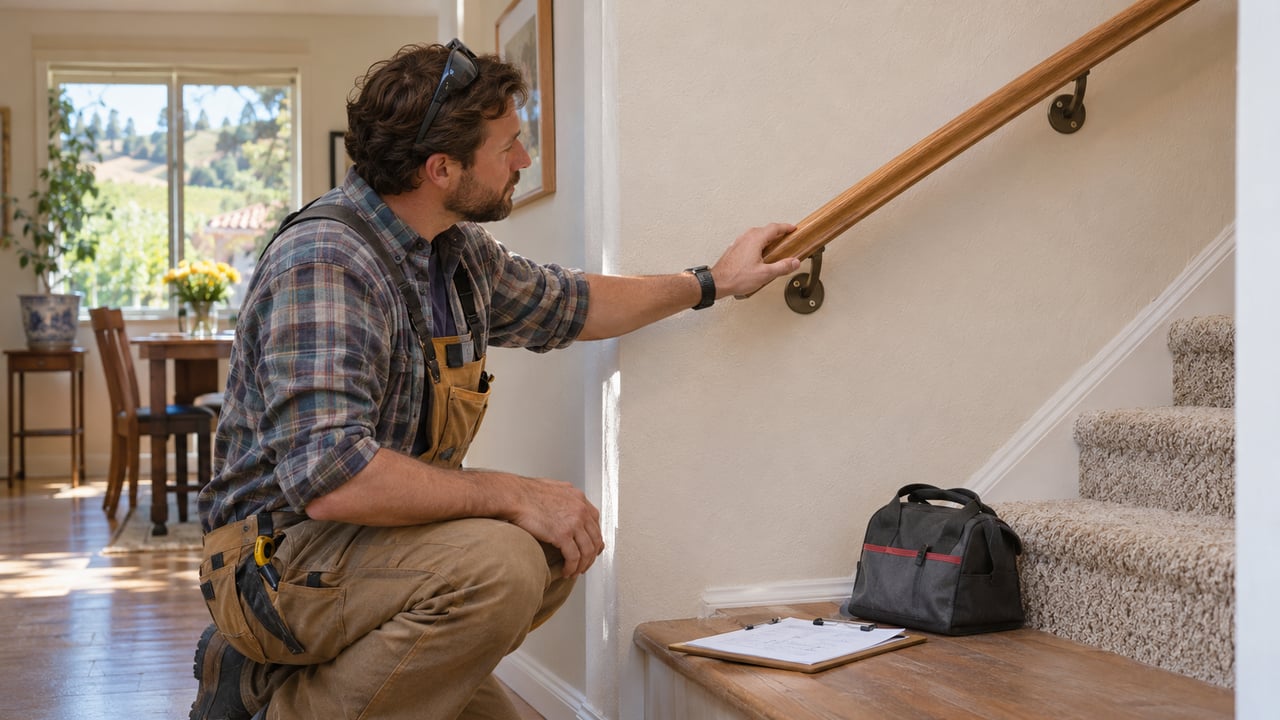
Get the handrail assessed for safe use and decide on a documented repair before listing.

Amber Johnson | November 7, 2026
Compare home styles, street patterns, terrain, access and daily routes before choosing between these San Luis Obispo areas.

Amber Johnson | November 6, 2026

Amber Johnson | November 6, 2026
Compare the trip from a specific home, departure routines, backup transportation and time away before choosing Heritage Ranch.
Amber Johnson | November 6, 2026
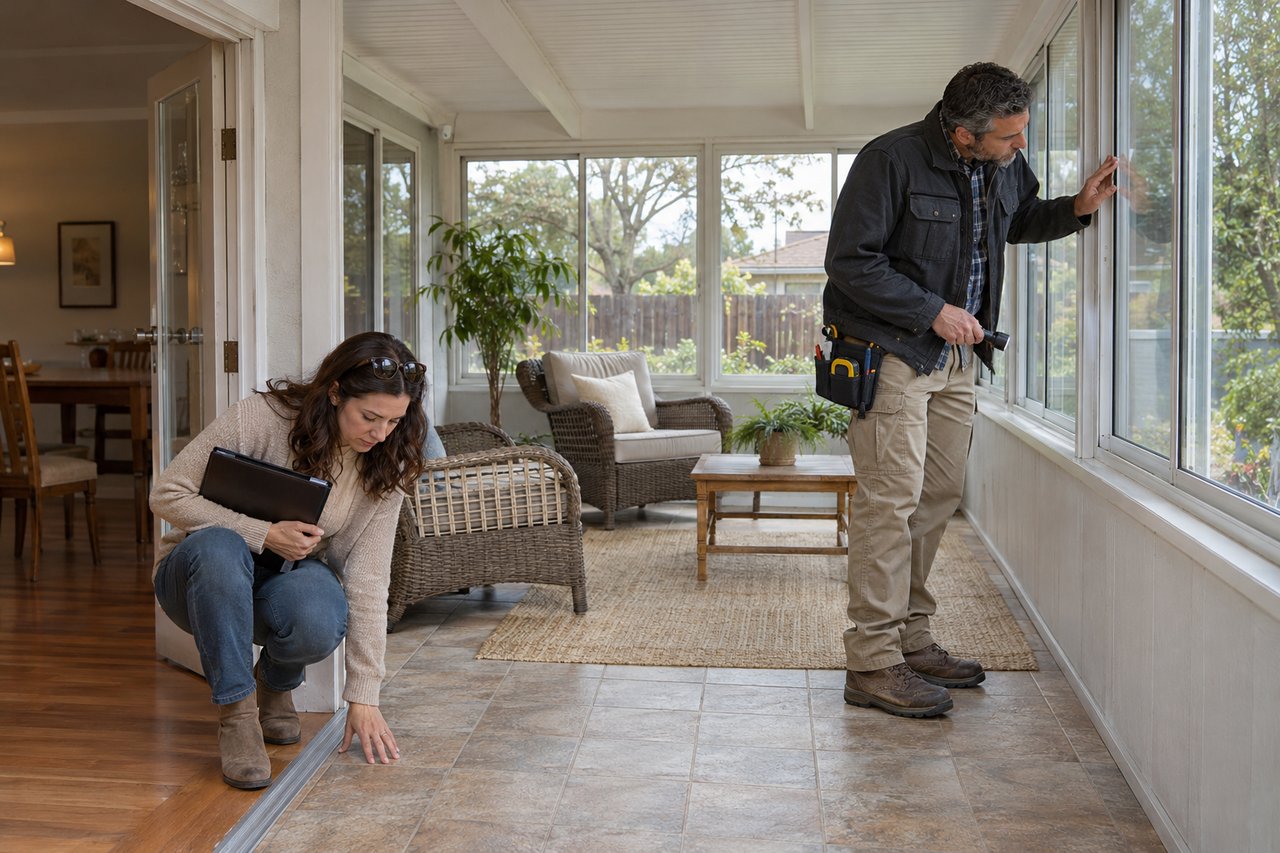
Review the sunroom's condition, records and usable space before treating it as part of the home.

Amber Johnson | November 5, 2026
Compare a home's bike storage, nearby routes and the time your riding routine actually needs.

Amber Johnson | November 5, 2026
Consider station access, nearby activity and your usual routes from a specific Grover Beach home.

Amber Johnson | November 5, 2026
Test how one shared car fits errands, work, appointments and the location of a specific home.

Amber Johnson | November 5, 2026
Identify where the pressure issue starts and weigh repairs, disclosure and buyer expectations before listing.
You’ve got questions and we can’t wait to answer them.
Amber Johnson, Founder
Pillar Real Estate
805.835.3425
DRE# 01925434
1345 Park Street
Paso Robles, CA 93446