What Is Daily Life Like by the Elfin Forest in Los Osos?
October 2, 2026

October 2, 2026
Living near the El Moro Elfin Forest can make nature feel like part of an ordinary day. You may be able to start the morning on a boardwalk above coastal scrub, watch the marine layer shift over the estuary, and return home without planning a full outing. That access is a real benefit. It also comes with practical tradeoffs involving weather, neighborhood streets, parking, moisture, errands, and the exact route from a house to the preserve.
I am Amber Johnson with Pillar Real Estate. I help Central Coast buyers look beyond a beautiful setting and ask how a home will work during a normal week. Near the Elfin Forest, the right property is not just the one with the best view or closest trail entrance. It is the home that fits your routine, comfort with coastal conditions, and plans for the years ahead.
The biggest lifestyle benefit is simple access to a protected natural area. The preserve has a boardwalk and defined trails through low coastal oaks and estuary habitat. It is open from sunrise to sunset, so it can work for a morning walk, a quiet break, or an evening loop before closing. That feels different from driving to a trailhead for every outdoor activity.
Still, proximity is property-specific. A home described as “near the Elfin Forest” may be around the corner from an entrance or several neighborhood turns away. Walk the actual route. Check whether there is a comfortable sidewalk, shoulder, or low-traffic path for the way you plan to use it. A map pin cannot show how the route feels with a stroller, a dog, or a child on a bicycle.
The preserve is intentionally lightly developed. There are no restrooms or drinking water inside, according to the Friends of El Moro Elfin Forest visitor information. That is easy to manage when you live close by, but it is worth knowing before you picture every visit as a long outing.
Los Osos can feel cool, quiet, and softened by the marine layer, especially compared with warmer inland communities. Near the preserve and estuary, mornings may begin gray and damp before conditions change later in the day. Some buyers love that. Others expect constant bright coastal weather and are surprised by how much they notice fog, wind, or cool air.
Visit the neighborhood at more than one time of day. Stand in the yard and inside the main living spaces. Notice natural light, wind exposure, shade, and how the home holds warmth. If outdoor dining, gardening, or sitting in the sun is part of your plan, do not assume one afternoon showing tells the whole story.
Our broader guide to moving to San Luis Obispo County explains why local microclimates matter. A household moving from inland California may experience the Los Osos coast differently from someone already used to marine weather.
Easy trail access is valuable when it matches something you already do. If you walk most days, watch birds, photograph nature, or simply need a quiet place to reset, the preserve may become part of your weekly rhythm. If outdoor time is more of an occasional idea, you may enjoy the setting without using it often enough to make proximity a deciding factor.
Be honest about your schedule. Picture a Tuesday morning, not only a free Saturday. Would you walk before work? Would you bring visitors? Would a short loop replace another drive? The answer helps you decide how much weight to give the location when comparing homes.
Los Osos offers more than one outdoor setting. Our article on trails, oaks, and bays in Los Osos gives a broader look at the local lifestyle. You can also review scenic trails around San Luis Obispo County if you want to compare the preserve with other places you may visit regularly.
Homes near the Elfin Forest are not all on the same kind of street. One may sit on a quieter residential block. Another may be closer to an entrance, a turn used by visitors, or a route people follow to reach the back bay. Look at the exact block instead of treating the entire area as one neighborhood.
Visit during a weekday and a weekend if possible. Watch how cars park, where people walk, and how easy it is to enter and leave the driveway. If a property has limited off-street parking, ask how guests, service providers, and multiple household vehicles will fit. If you expect to store kayaks, bicycles, or other outdoor equipment, measure the garage and side-yard access.
Street width and drainage also matter. After a dry showing, it can be hard to picture how water moves during wet weather. Review disclosures, inspect grading and drainage, and ask qualified professionals about anything that concerns you. A calm setting does not remove the need for ordinary property due diligence.
Living near a preserve can feel tucked away, but daily life still depends on groceries, work, school, appointments, and the places you visit most. Write down your five most common trips and drive them from the property. Do not rely only on a general description of Los Osos.
Some buyers are comfortable combining errands and spending more time at home. Others make several short trips each day and care more about the quickest route out of the neighborhood. Neither preference is better. The right answer depends on the household.
Test cell service and internet options at the exact address too. If anyone works from home, ask what is installed and verify available service directly. A peaceful location is useful only when the home still supports the work, school, and communication demands you have.
Coastal conditions deserve a close look during inspections. Moisture, fog, and salt air can affect exterior finishes, metal components, windows, decks, and other materials over time. The condition of a specific home matters more than a broad assumption about the neighborhood.
Look for maintenance records. Ask when exterior surfaces, roofing, windows, drainage components, and ventilation were last evaluated or serviced. A well-maintained home near the coast may be a better fit than a newer property with deferred work. The point is to understand what you are buying, not to rule out the area.
Inside, notice signs of moisture and airflow. Check closets, bathrooms, window areas, and rooms that receive less sun. A qualified home inspector can help identify concerns and recommend further evaluation when needed. Build expected maintenance into your ownership plan before you fall in love with the setting.
Living near a natural area can feel private because trees and open habitat soften the surroundings. But a home near a popular entrance may also see walkers, parked cars, dogs, or people pausing nearby. The exact relationship between the house and public access matters.
Stand at the front windows, driveway, and outdoor living areas. Can passersby see into the home? Does fencing provide the separation you want? Where would visitors park? Check the location at times when the preserve is more likely to be used. A quiet midweek showing may not answer every question.
For some buyers, seeing neighbors and walkers adds a welcome sense of community. For others, it reduces the feeling of retreat they expected. This is personal. There is no substitute for observing the block yourself.
A nearby boardwalk can make regular family walks easier, but the preserve has rules designed to protect sensitive habitat. Review current visitor and dog guidance before assuming every activity is allowed. Teach children to stay on defined routes and treat the preserve as protected land, not an extension of a backyard.
At the home, evaluate fencing, gate security, traffic, visibility, and the path to the nearest entrance. A short distance can still feel uncomfortable if the route lacks separation from cars. If mobility is a concern, test the full route and surface rather than relying on the word “accessible” in a general description.
Families should also think about ordinary logistics. Where will muddy shoes, leashes, jackets, and outdoor gear go? Is there an entry area that can handle damp mornings? Small layout details can make frequent outdoor use easier.
Visitors may love walking the preserve and seeing the estuary. That can make the home feel special without requiring a complicated plan. At the same time, guests may need clear directions, parking, and layers for cooler weather.
If you expect family to stay often, look at the route from parking to the home and the way they will use outdoor spaces. Consider older relatives, small children, and anyone who may need a more stable walking surface. The location can be a strong gathering point when the house itself supports the people you invite.
Start outside. Look at the street, driveway, drainage, fencing, roof, exterior materials, and areas where vegetation meets the property. Then move inside and notice light, airflow, storage, window condition, and any rooms that feel cooler or damper.
Ask for disclosures and maintenance records. Confirm utilities, internet, insurance considerations, and any property-specific restrictions. Walk or drive to the preserve entrance you expect to use. Then repeat the visit at a different time if the home remains a serious candidate.
Finally, compare total ownership rather than only purchase price. Include likely maintenance, commute patterns, insurance guidance, and the amount of work the property needs. The right strategy is to connect the lifestyle benefit with the real cost and responsibility of the home.
Living by the Elfin Forest may fit you well if you value quiet outdoor access, do not mind marine weather, and want a daily connection to Los Osos natural areas. It can be especially appealing when walking, birding, photography, or time outside already plays a real role in your routine.
It may be less comfortable if you want consistent sun, wider streets, abundant visitor parking, or quick access to every daily destination. That does not make the location wrong. It means another part of Los Osos or San Luis Obispo County may support your goals better.
Visit the property, then spend time around the preserve and neighborhood. Walk the route you would use. Drive your normal errands. Pay attention to weather, parking, noise, light, and the condition of the home. Then ask one clear question: would this setting make my ordinary week better?
Amber Johnson and Pillar Real Estate can help you compare Los Osos homes through the details that matter to your daily life. Tell me what you want to be close to, what you want to avoid, and how you plan to use the area. Start at Sell With Amber.
Amber
Pillar Real Estate | Amber Johnson, Founder
805.835.3425 | [email protected]
1345 Park St. Paso Robles, CA 93446 | DRE# 01925434
Website: pillarrealestate.com
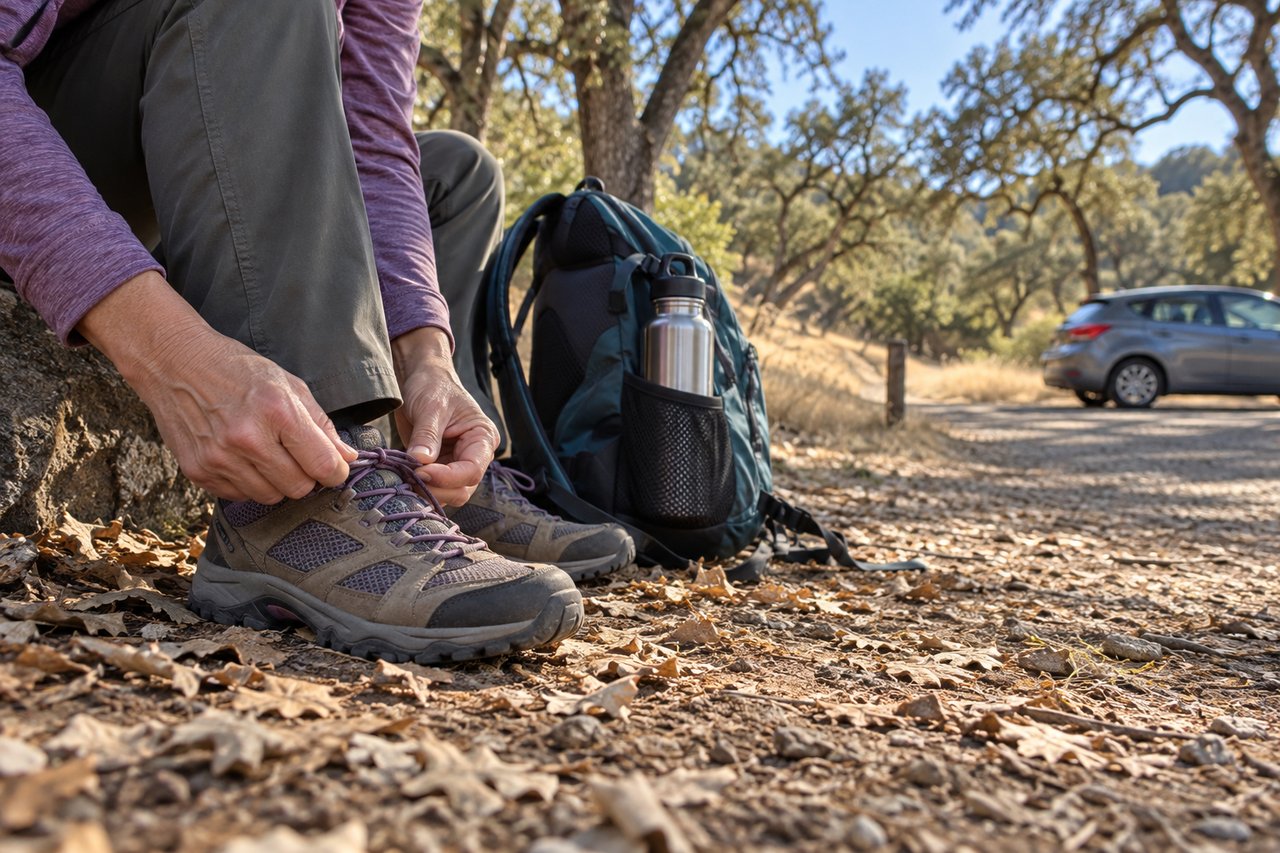
Amber Johnson | October 26, 2026
Compare trail access, drive time, terrain and weather with the routine you actually want before choosing an Atascadero home.
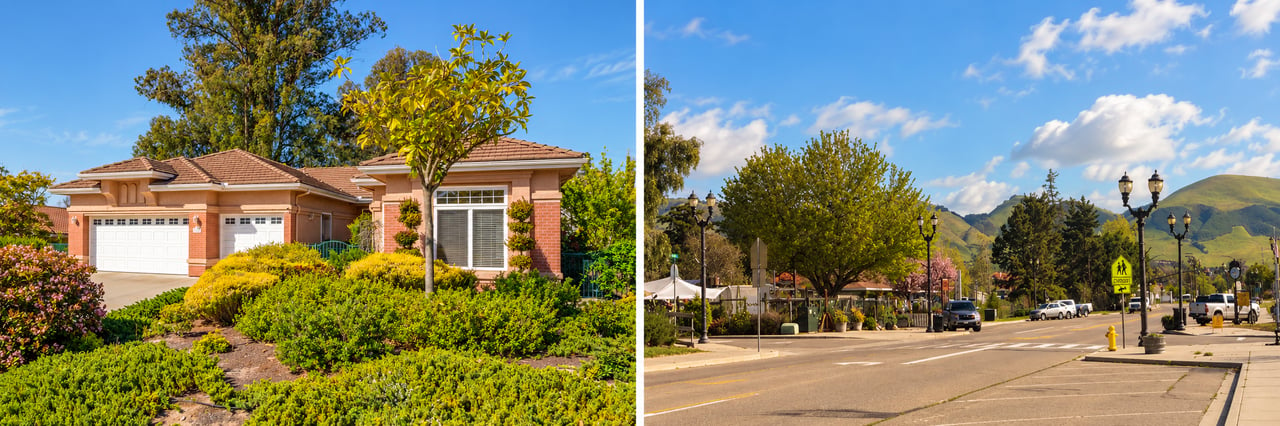
Amber Johnson | October 25, 2026
Compare home settings, road patterns, community amenities and daily routes before choosing between these two Nipomo areas.
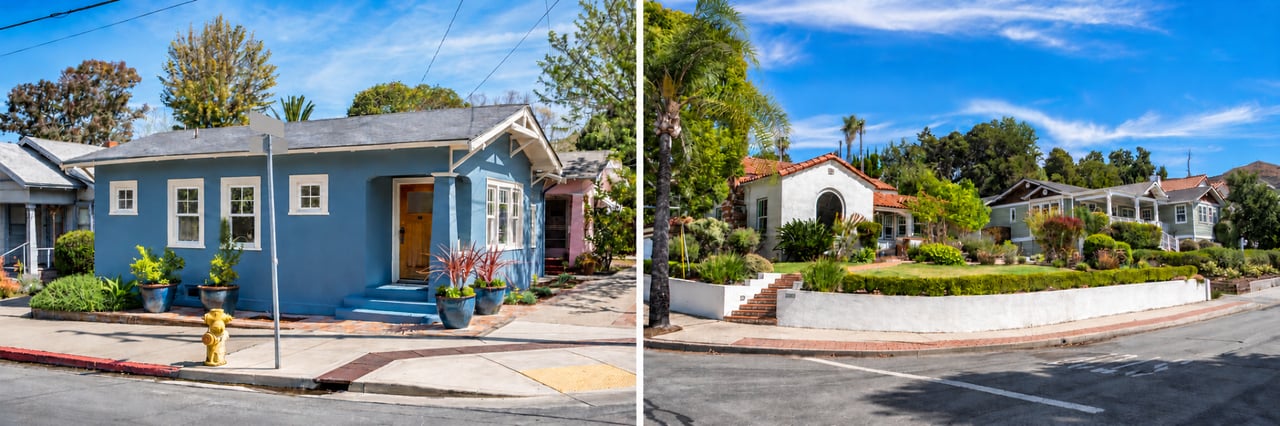
Amber Johnson | October 25, 2026
Compare housing patterns, access, street activity and daily routes before choosing between these San Luis Obispo areas.
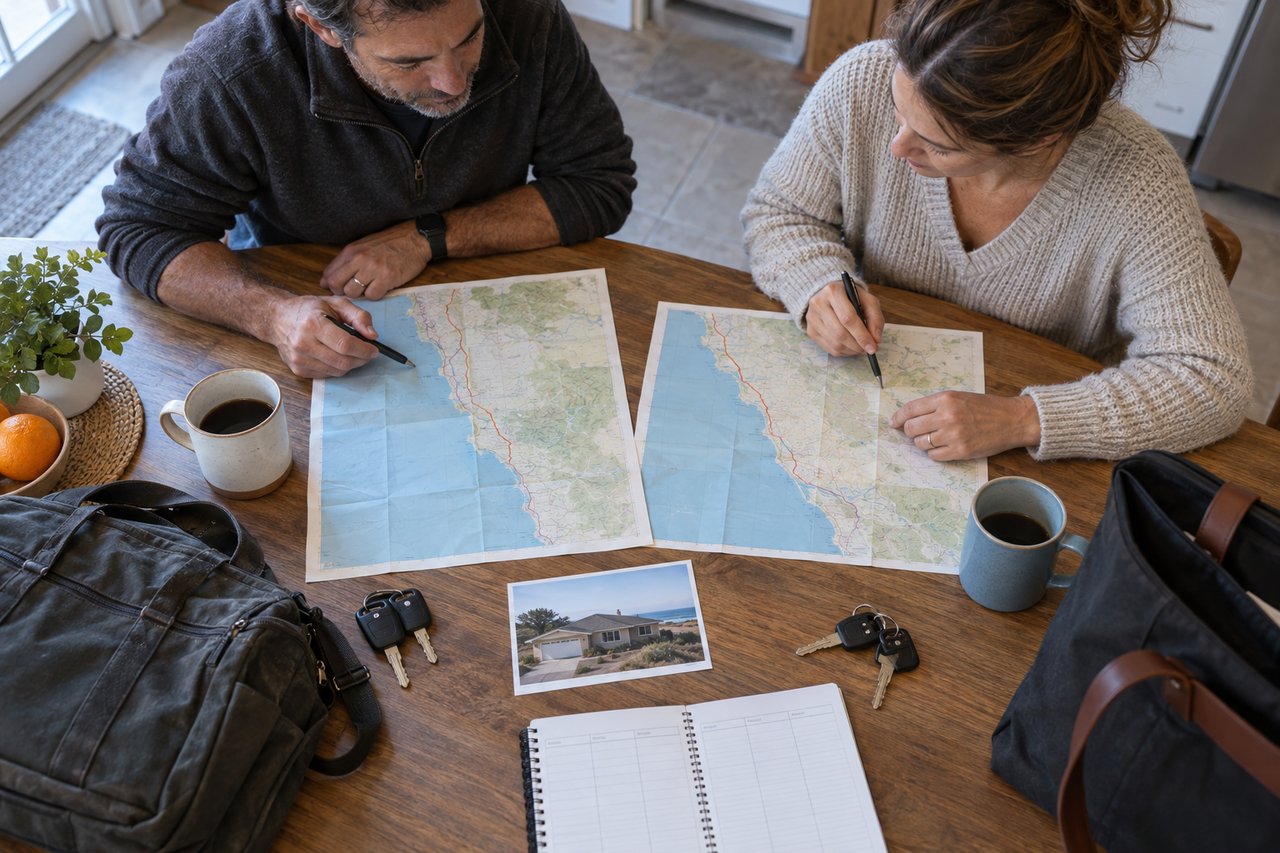
Amber Johnson | October 25, 2026
Test both routes, work schedules and the trip from a specific home before deciding whether Oceano supports the household's routine.
Amber Johnson | October 25, 2026
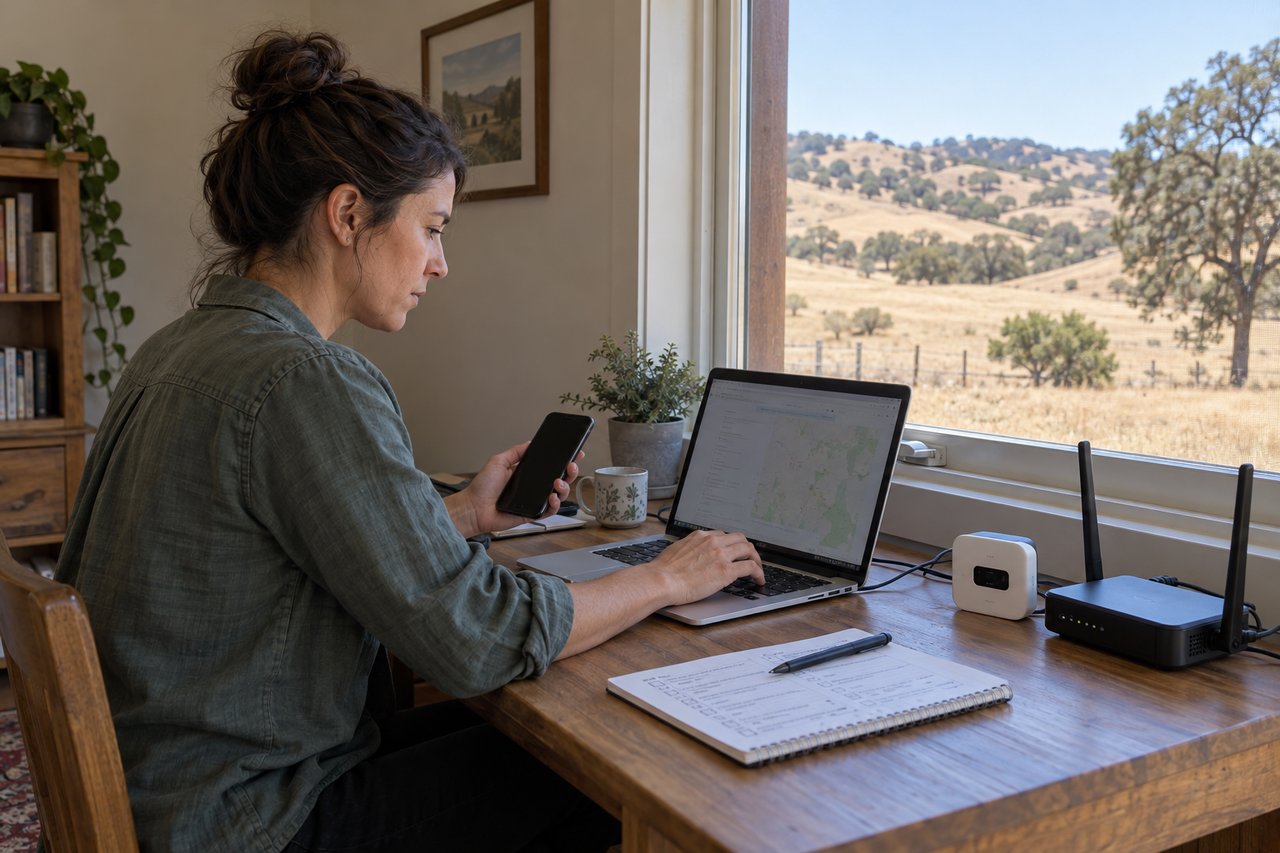
Verify service at the exact address, backup connectivity, power reliability and workspace needs before choosing a Creston property.
Amber Johnson | October 25, 2026
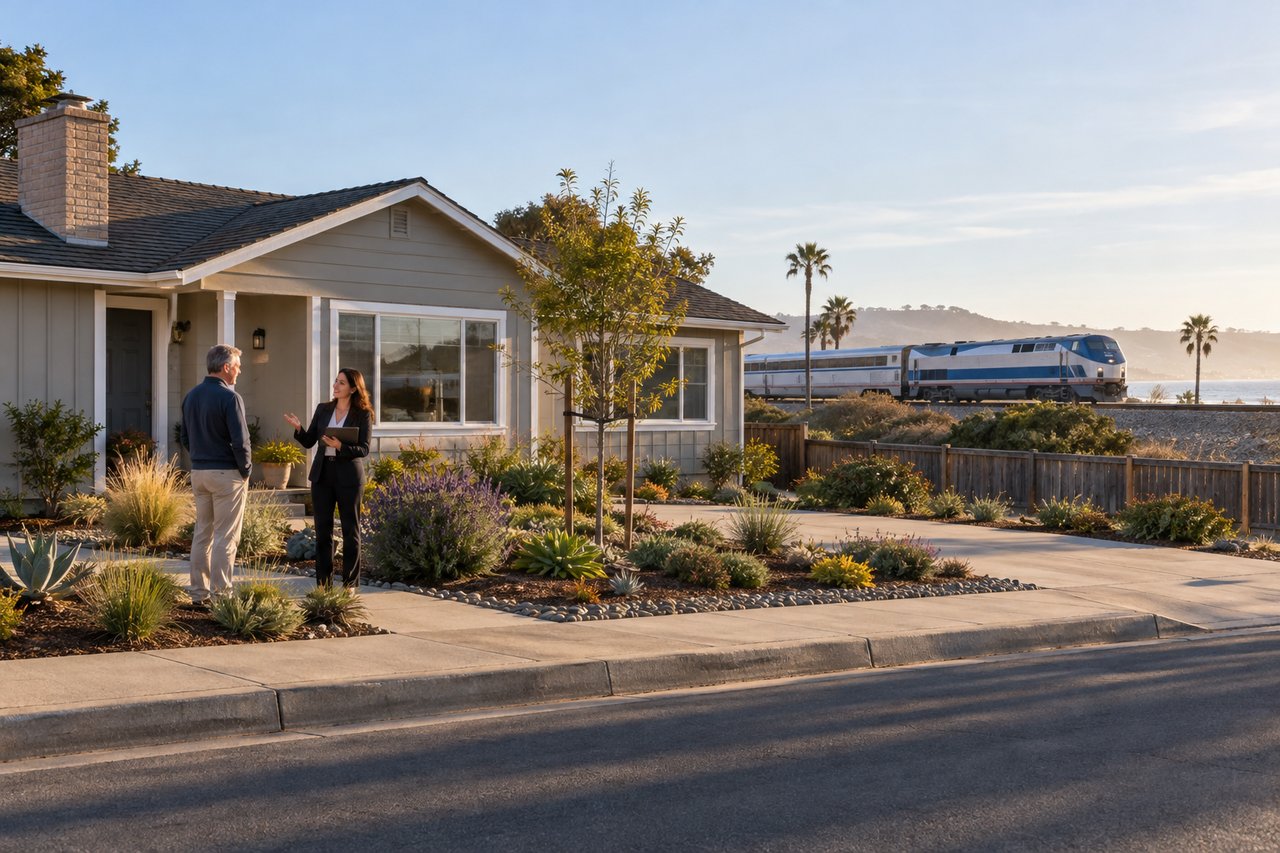
Set buyer expectations with accurate positioning, thoughtful presentation and firsthand checks at different times of day.

Amber Johnson | October 24, 2026

Amber Johnson | October 21, 2026

Amber Johnson | October 21, 2026
You’ve got questions and we can’t wait to answer them.
Amber Johnson, Founder
Pillar Real Estate
805.835.3425
DRE# 01925434
1345 Park Street
Paso Robles, CA 93446