What Every Homebuyer Should Know About Closing Costs
March 26, 2024
March 26, 2024
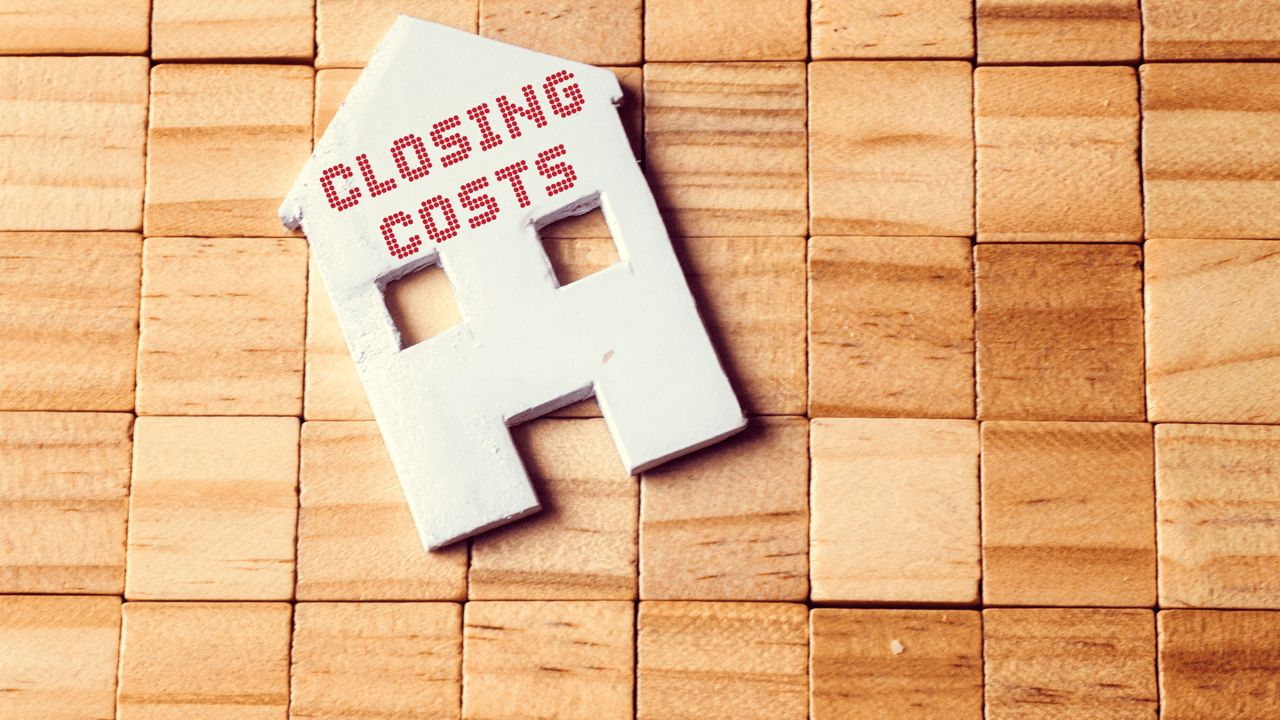
Before making the decision to buy a home, it’s important to plan for all the costs you’ll be responsible for. While you’re busy saving for the down payment, don’t forget you’ll want to prep for closing costs too.
Here’s some helpful information on what those costs are and how much you should budget for them.
A recent article from Bankrate explains:
“Closing costs are the fees and expenses you must pay before becoming the legal owner of a house, condo or townhome . . . Closing costs vary depending on the purchase price of the home and how it’s being financed . . .”
Simply put, your closing costs are the additional fees and payments you have to make at closing. According to Freddie Mac, while they can vary by location and situation, closing costs typically include:
According to the same Freddie Mac article mentioned above, they’re typically between 2% and 5% of the total purchase price of your home. With that in mind, here’s how you can get an idea of what you’ll need to budget.
Let’s say you find a home you want to purchase at today’s median price of $384,500. Based on the 2-5% Freddie Mac estimate, your closing fees could be between roughly $7,690 and $19,225.
But keep in mind, if you’re in the market for a home above or below this price range, your closing costs will be higher or lower.
Freddie Mac provides great advice for homebuyers, saying:
“As you start your homebuying journey, take the time to get a sense of all costs involved – from your down payment to closing costs.”
The best way to do that is by partnering with a team of trusted real estate professionals. That gives you a group of experts to help you understand how much you’ll need to save and what you’ll want to be prepped for. It also means you have go-to resources for any questions that pop up along the way.
Planning for the fees and payments you'll need to cover when you're closing on your home is important. Partnering with a local real estate professional can give you the guidance and confidence you need throughout the process.
Amber Johnson | October 15, 2026
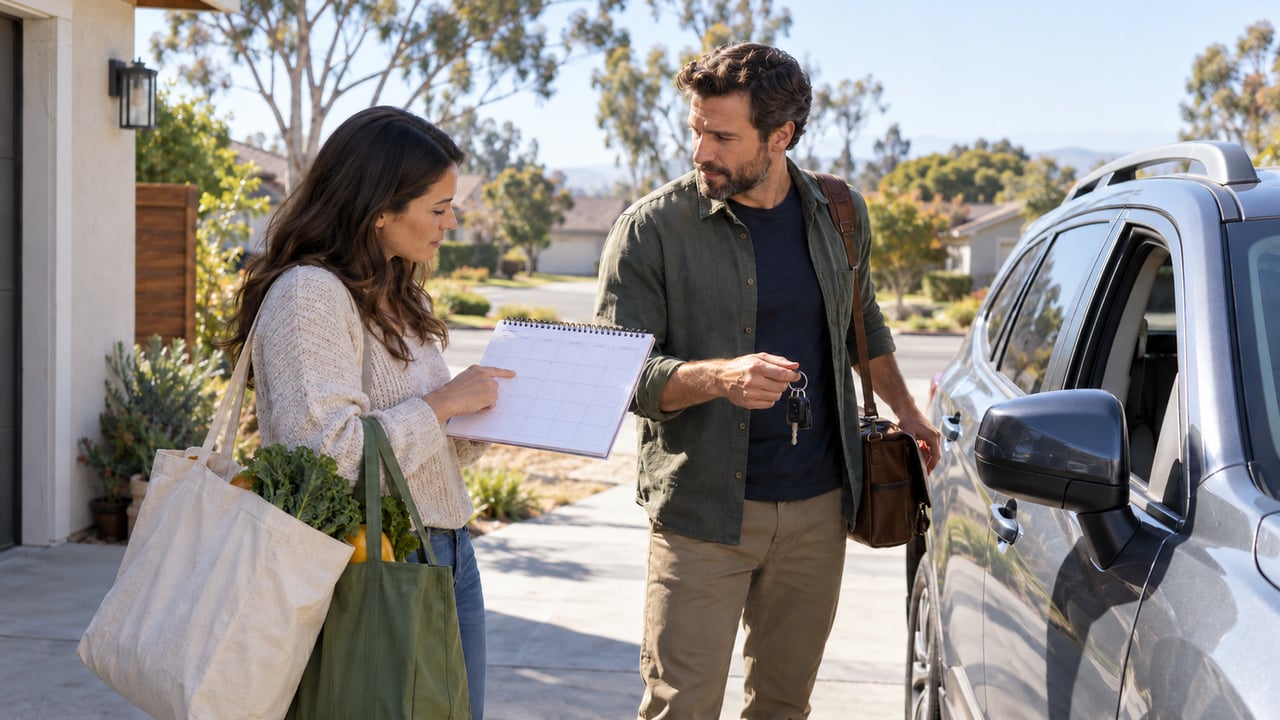
Test overlapping work schedules, shopping trips, appointments, transportation alternatives, and backup plans before choosing a home.
Amber Johnson | October 15, 2026
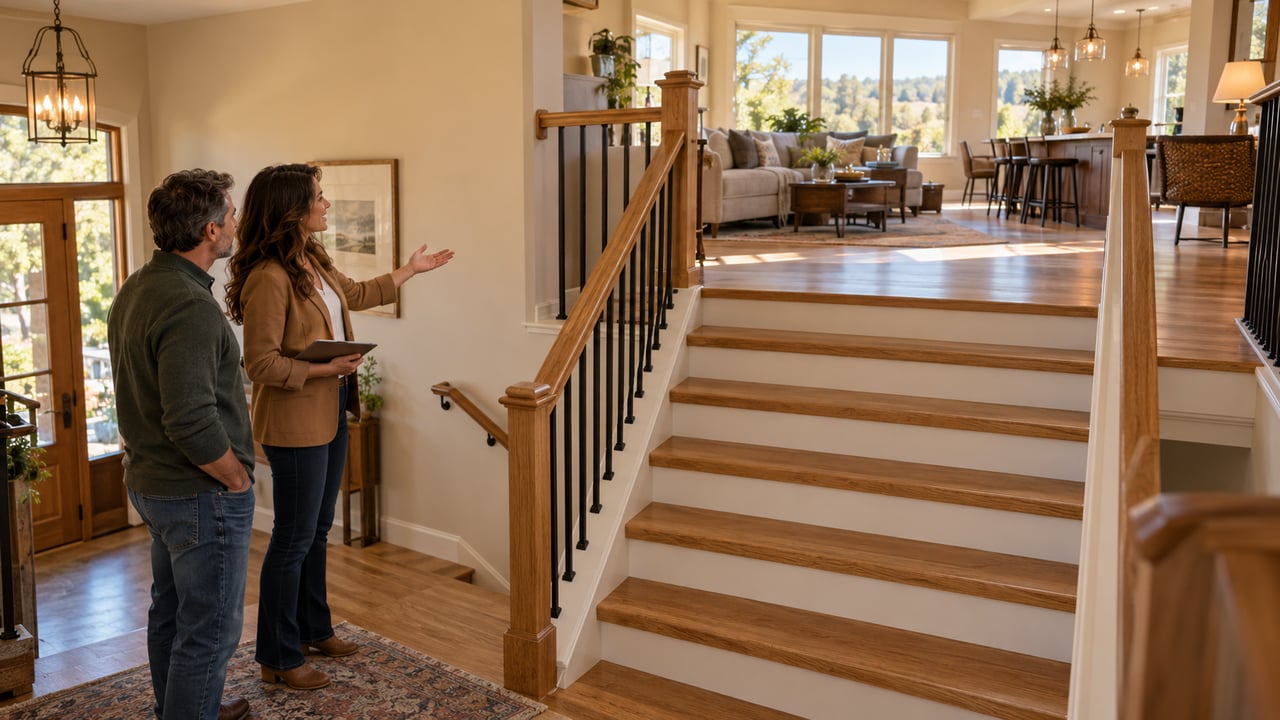
Help buyers understand the layout through accurate photos, clear descriptions, thoughtful showing access, and a property-specific selling plan.

Amber Johnson | October 15, 2026
Use price per square foot as context, then account for property type, location, views, condition, lot, and the limits of a small data set.
Amber Johnson | October 14, 2026
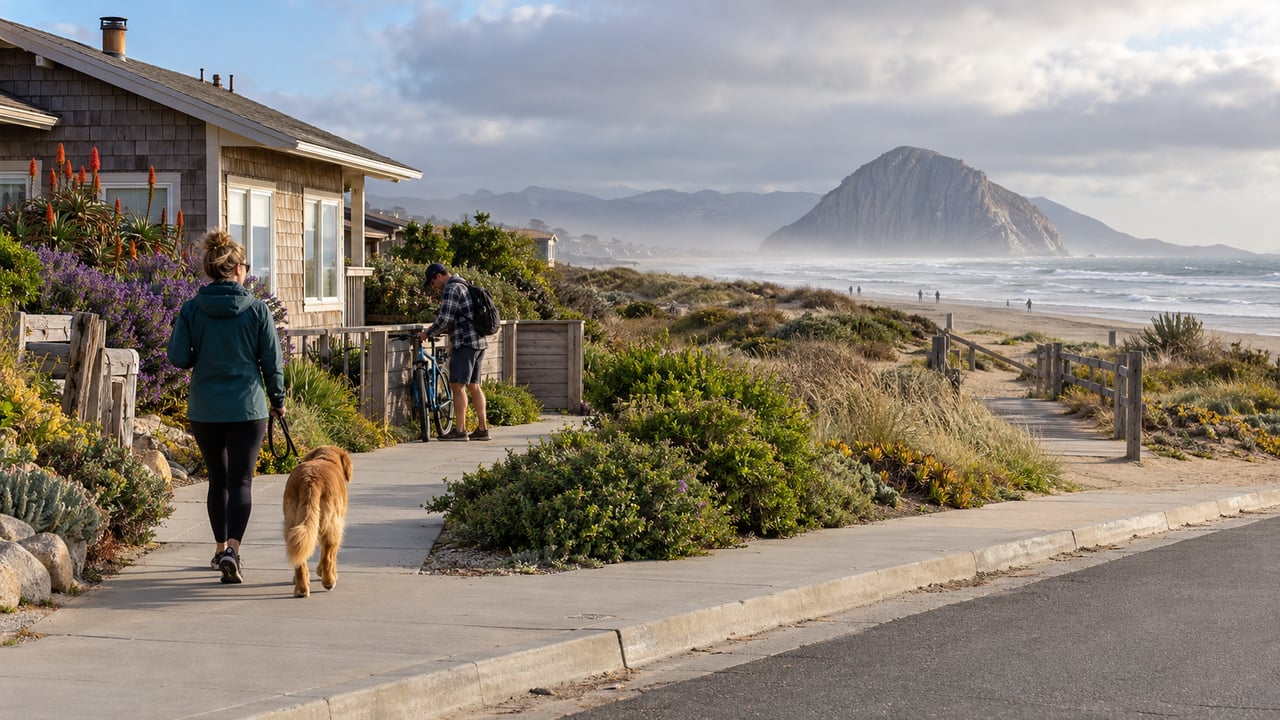
Consider beach access, wind, fog, parking, visitor activity, errands, and the routines that come with living near the shoreline.
Amber Johnson | October 14, 2026
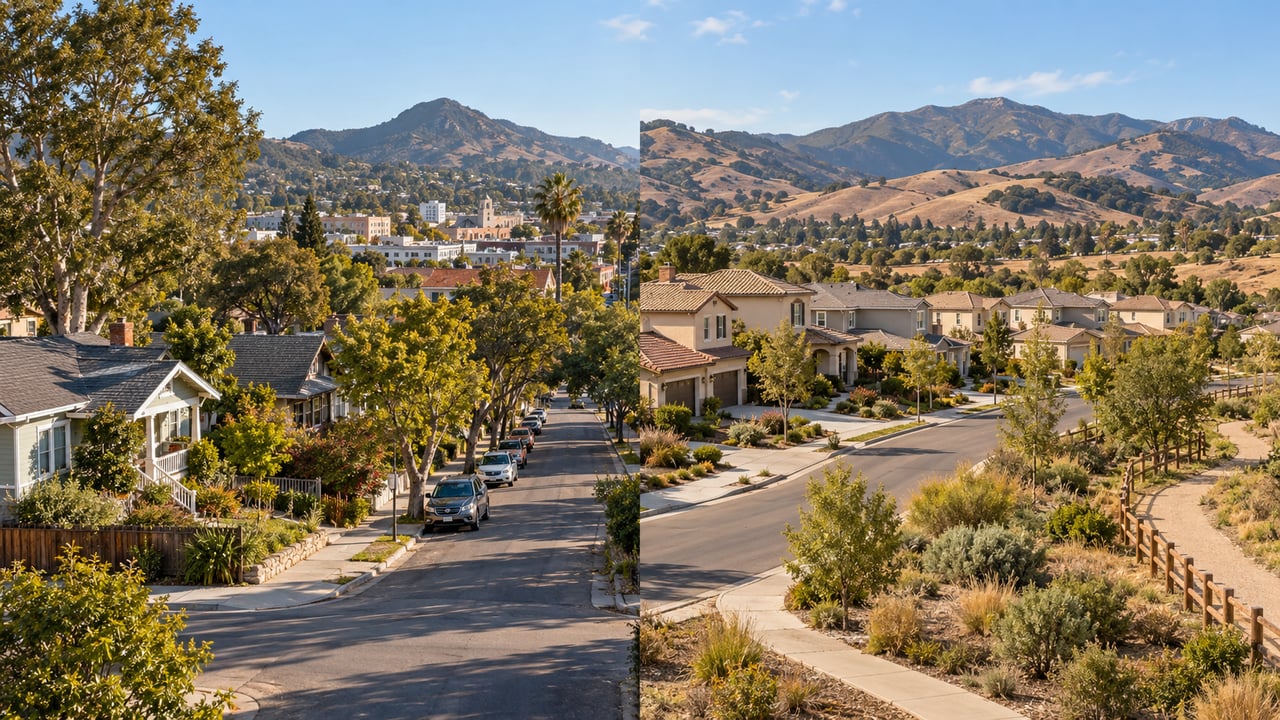
Compare street patterns, access, housing character, nearby services, outdoor options, and the routines each setting supports.
Amber Johnson | October 14, 2026
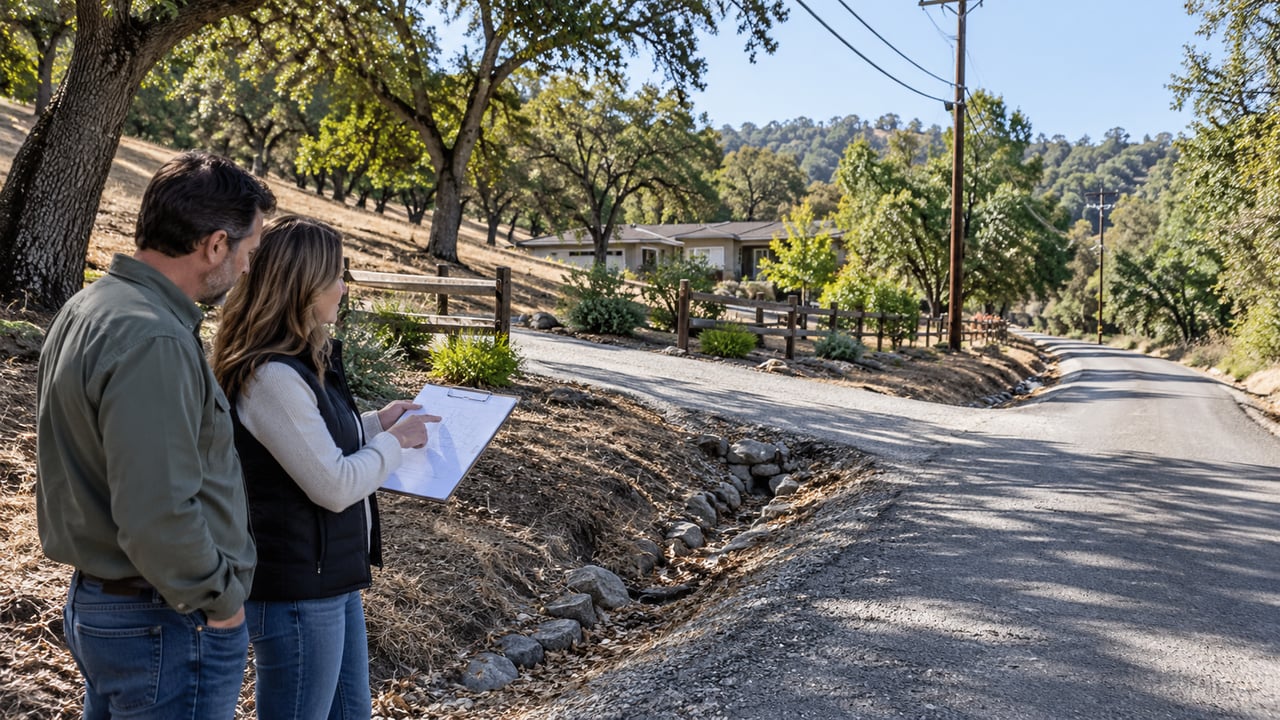
Review access rights, maintenance agreements, road condition, emergency access, drainage, utilities, financing, and insurance before committing.

Amber Johnson | October 14, 2026
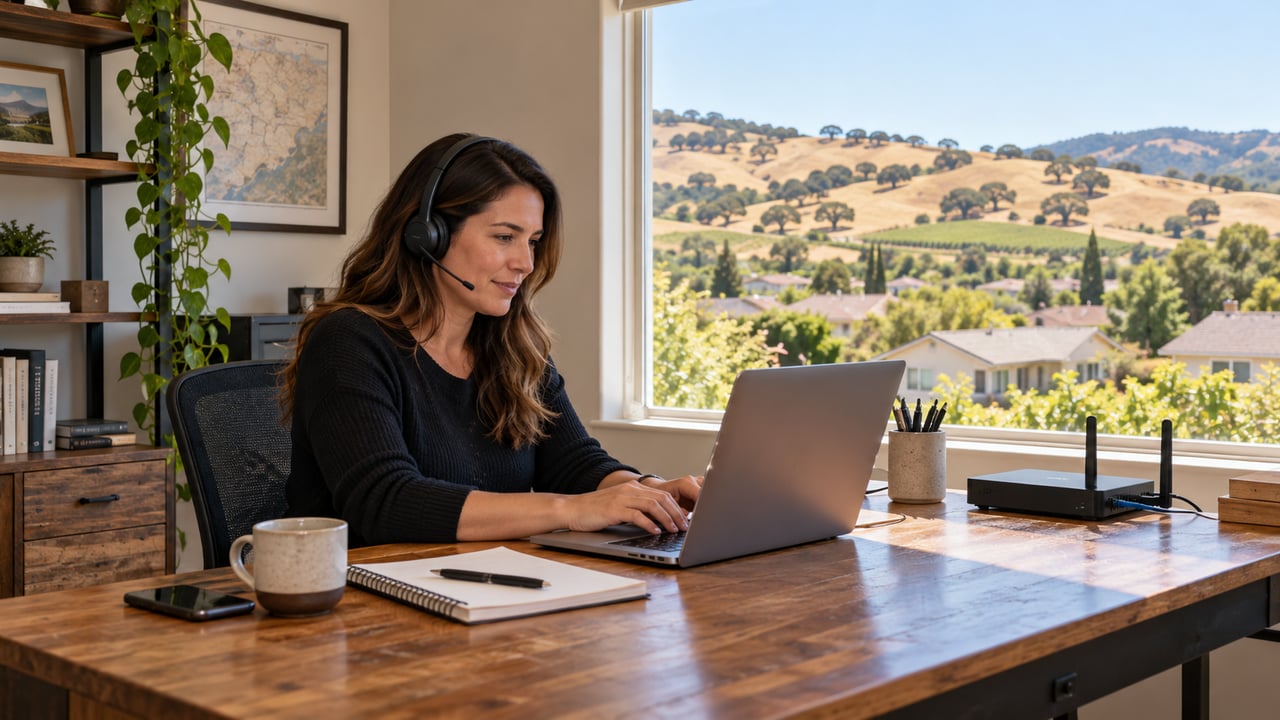
Compare walkability, street activity, lot patterns, home styles, recreation, and the daily routines each area supports.
Amber Johnson | October 14, 2026
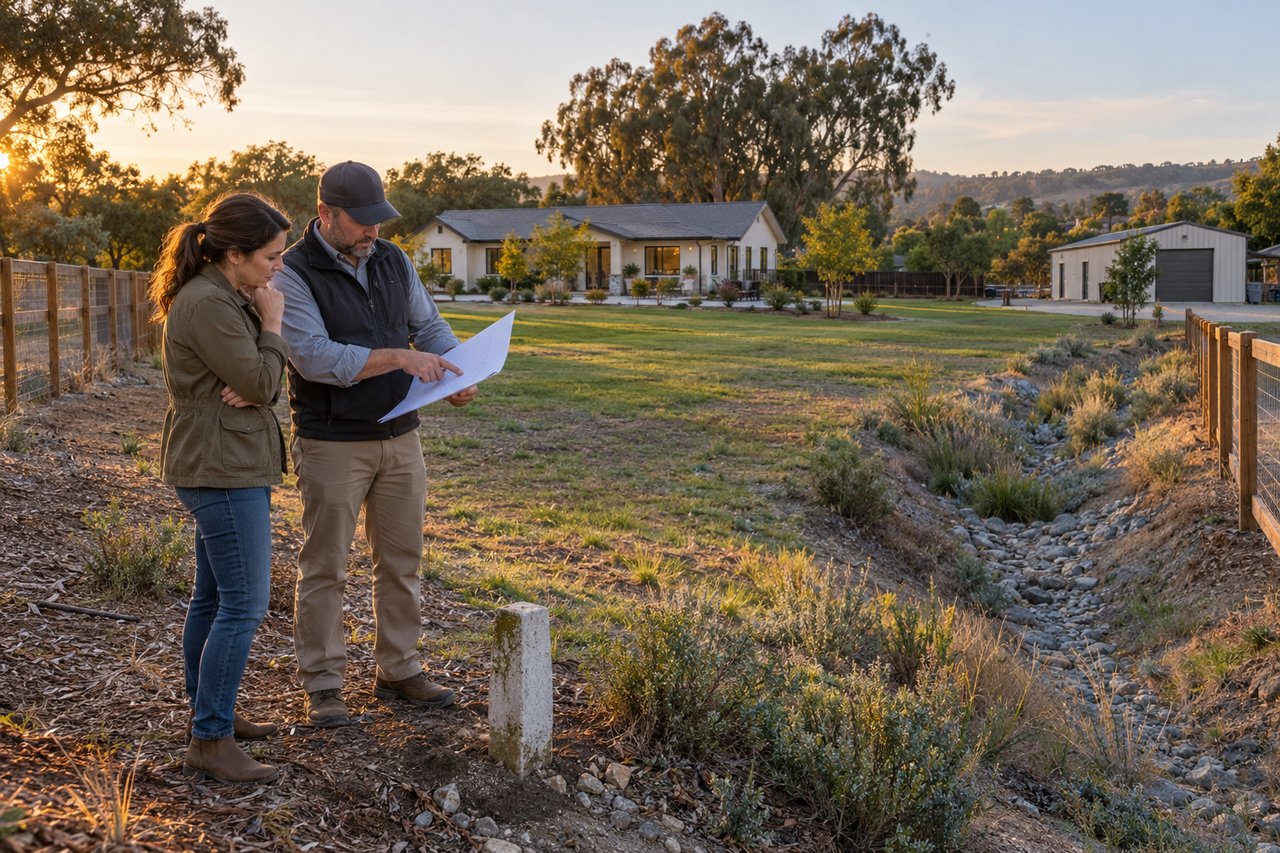
Evaluate internet reliability, workspace needs, errands, climate, neighborhood choices, and the routines that make remote work sustainable.
Amber Johnson | October 14, 2026
Review access, usable space, utilities, drainage, boundaries, outbuildings, and maintenance before deciding whether the property fits your plans.
You’ve got questions and we can’t wait to answer them.
Amber Johnson, Founder
Pillar Real Estate
805.835.3425
DRE# 01925434
1345 Park Street
Paso Robles, CA 93446