Is San Luis Obispo Practical for Someone Who Works Night Shifts?
October 19, 2026
October 19, 2026
Yes, San Luis Obispo can be practical for someone who works night shifts. But the right fit depends on the specific home, your work location, and what happens around the property while you're trying to sleep. A convenient address isn't enough if the bedroom faces a busy driveway or getting home means hunting for parking.
Start with your actual schedule. Then evaluate the property during the hours you'll use it, not just when a showing happens to be available.
I'm Amber Johnson, founder of Pillar Real Estate. I help buyers, sellers, and relocating households make property decisions across San Luis Obispo County. My approach is the same whether we're looking in San Luis Obispo or Paso Robles: the home needs to work for what you actually want. For a night-shift worker, that means taking daytime conditions seriously.
Write out a normal workday from the moment you leave home until you return. Include the drive, parking at work, the trip home, and the time you want the house to be quiet. If your shifts rotate, do this for more than one schedule.
Be specific about the hours. Coming home before morning activity begins is different from arriving when nearby households are leaving. A home that feels convenient on a day off may feel less convenient after an overnight shift.
Our overview of what it's like living in San Luis Obispo can help with the broader relocation decision. Then bring the comparison back to your own front door. Ask which daily problems this particular address would solve and which it would create.
An evening showing doesn't tell you much about a bedroom at midday. If possible, arrange another visit during the period when you'd normally be asleep. A weekday and a weekend visit may reveal different conditions.
Spend time in the bedroom with the windows closed, then open them briefly if permitted. Listen for what you can actually hear. Note traffic, deliveries, garage doors, nearby equipment, and activity in shared areas. Don't turn a single sound into a prediction about every day, but don't dismiss it either.
Ask the seller or property manager about recurring maintenance and known projects. Treat those answers as information to check, not a guarantee of future quiet. If a visit isn't possible, record that as an unanswered question. Listing photos can't fill the gap.
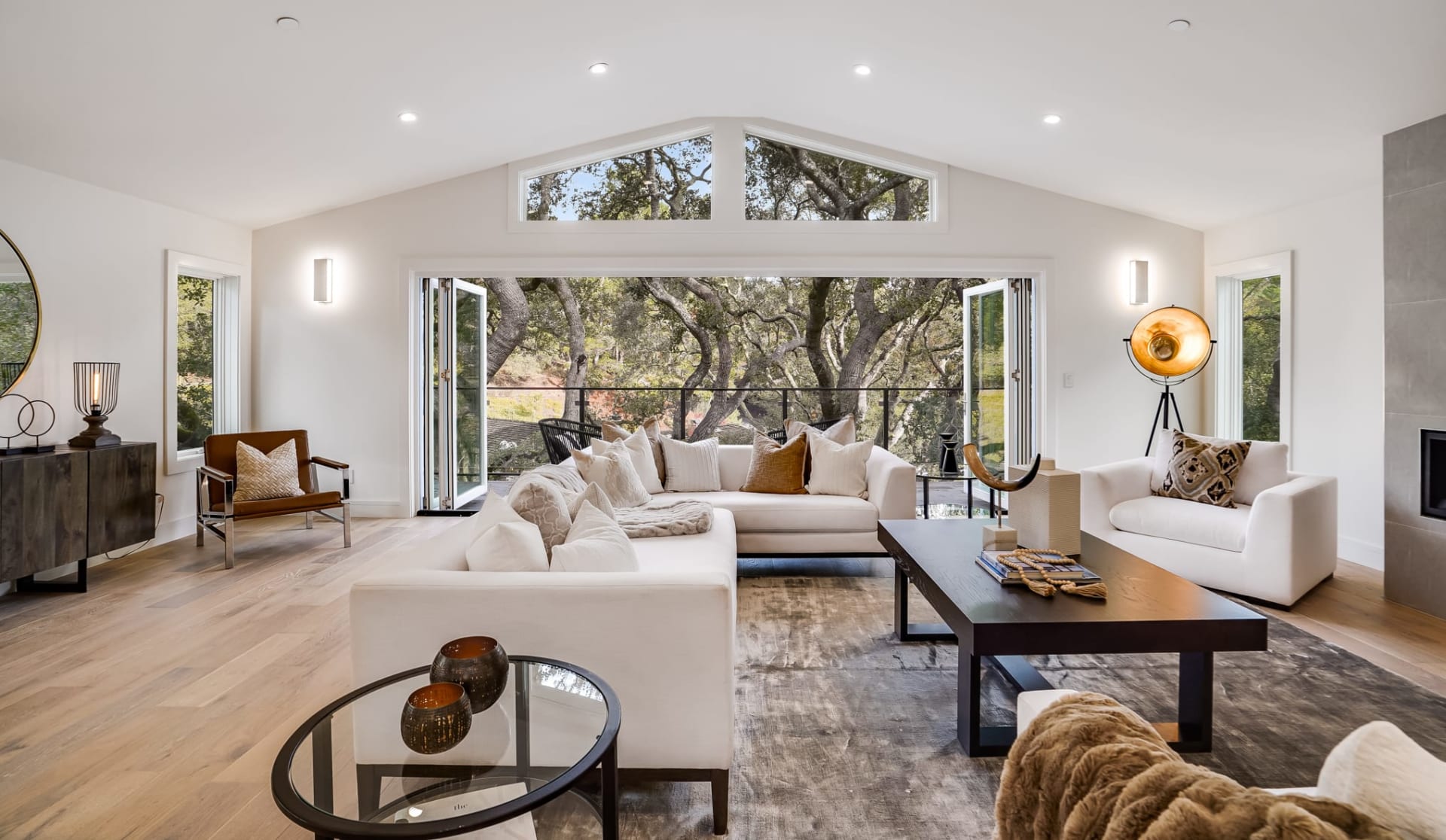
The living room may be the home's strongest feature. Your sleeping room still needs its own review. Look at which direction the bedroom faces and what sits immediately outside it.
A bedroom near an entry gate, shared stairway, or neighbor's driveway deserves a closer look. So does one above a garage or beside a room where another household member will work during the day. These aren't automatic reasons to reject a home. They're reasons to understand the arrangement before committing.
Check whether another bedroom could reasonably be used instead. Measure for your furniture and consider bathroom access, storage, and the route other people take through the house. A room that looks quieter on a floor plan may not be the best option once you stand inside it.
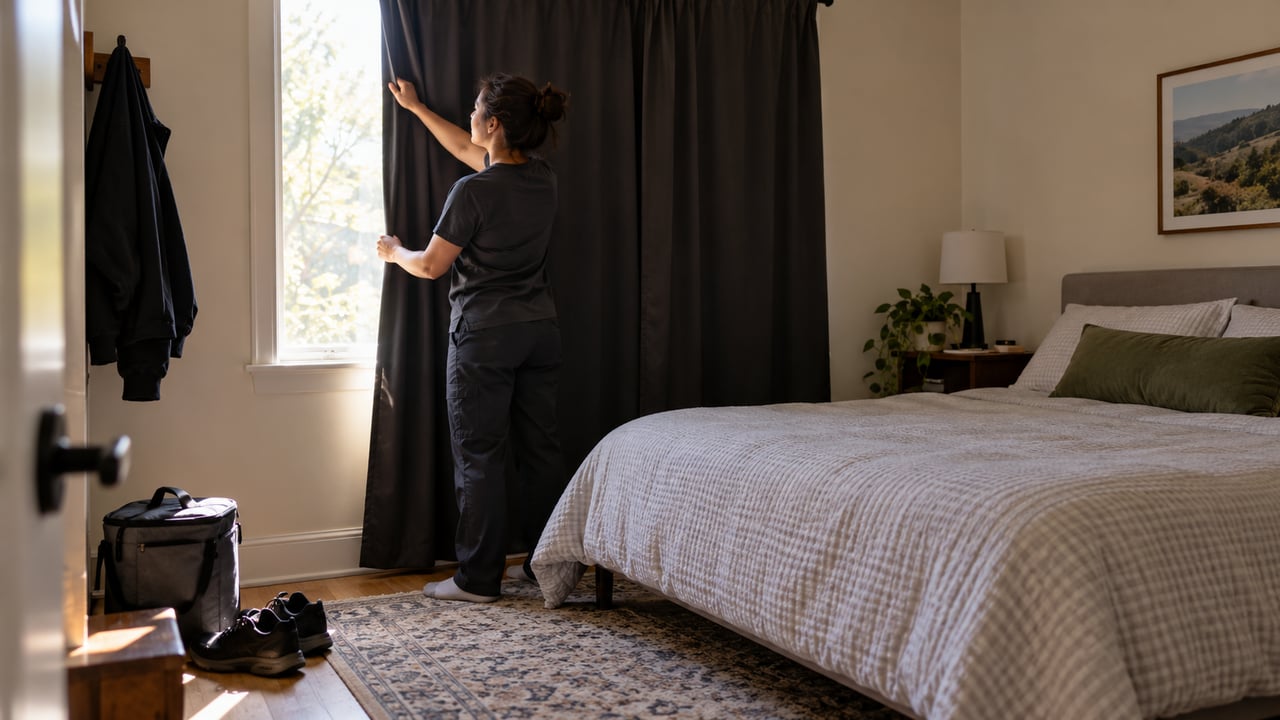
Daytime light is part of this decision. Look for direct sun, light around existing window coverings, and glass doors or other openings that would be harder to cover. Don't assume the shades shown in the listing block enough light for your needs.
NIOSH guidance identifies a dark, quiet, comfortable room as helpful for sleep, including sleep during daylight hours. For a housing decision, the practical question is whether this bedroom can provide the conditions you want.
Consider how curtains or shades could be installed without creating another problem. If you're renting or buying in an association, confirm any applicable restrictions. Review ventilation and the existing heating or cooling setup, too. If you need closed windows to reduce noise, assess whether the room remains comfortable that way. Get qualified advice about changes rather than assuming a simple covering or replacement window will solve everything.
Ask where your car would actually go when you return. An advertised parking space isn't the same as a space you can use without coordination. Check its assignment, access, dimensions, and any restrictions that affect your vehicle or arrival time.
For shared parking, find out whether another car could block you. If street parking is part of the plan, read the posted signs and verify the current rules for that exact location. Don't rely on an empty curb during a showing.
Walk the route from the parking space to the door. Consider lighting, steps, gates, and where you'll carry work items. If you need charging, confirm the actual arrangement and permission rather than assuming an outlet will be available. These details may look small in a listing, but you'll repeat them every working day.
Use your actual workplace entrance as the destination, not just the general area. Include the time needed to park and reach that entrance. On the return trip, finish at the place where you'll park at home.
Check the route under conditions that reasonably reflect your schedule. A midday drive isn't proof of how the trip will feel before or after work. Where possible, test it when you're rested and can assess it safely. Don't turn a long shift into a driving experiment.
If you plan to use transit, verify current service against both ends of your shift, including weekends. Have a realistic backup. If driving is necessary, include its costs in your housing comparison. No general statement about San Luis Obispo can replace checking the connection between a specific home and your job.
Neighborhood names are useful starting points, not promises about sound. A home's position within a block, its bedroom orientation, and adjacent uses can matter more to your routine than a broad area description.
Our San Luis Obispo neighborhood pros and cons can help you organize options. Use that context alongside observations at each property. Avoid choosing solely because someone calls an area quiet or convenient.
If you're considering a property near campus, review what buyers should check before buying near Cal Poly. Then evaluate the immediate surroundings without making assumptions about who lives nearby. Ask about observable uses, shared spaces, and recurring activity. Your goal is to understand the property, not to predict neighbors' behavior from a label.
A detached house can still be a difficult fit if everyone needs to pass your bedroom during the day. A smaller home may work better if the sleeping space is separated from the main activity areas. Look at the layout rather than assuming a property type will answer the question.
Where would another person take a work call, prepare lunch, do laundry, or let a pet outside? Can those routines happen without using the space beside your bed? Consider the ordinary activities that will continue while you're off duty.
For a condo or attached home, review shared-wall locations and available association information about maintenance or ongoing work. Ask what is known and what remains uncertain. You don't need to expect complete silence. You do need a workable plan that doesn't depend on everyone else stopping their day.
The closest service isn't necessarily useful if it's closed when you're available. Identify the few errands that matter most, then verify current hours directly. Grocery shopping, picking up a prescription, or handling a household repair may require different planning around night work.
Don't make the entire decision about convenience immediately after a shift. Think about what can be delivered, handled before work, or saved for a day off. The point is to reduce avoidable friction, not to fit every task into one trip.
Also consider the home on days when you're not working. Would you enjoy its location and outdoor space? Does it support the other people in your household? A practical choice should accommodate your work without making the rest of your life feel like an afterthought.
Before choosing a home, divide your concerns into three groups: acceptable as they are, potentially fixable after verification, and incompatible with your routine. This keeps an appealing kitchen or view from deciding the entire purchase.
A different window covering may be manageable. Moving a bedroom away from an adjacent shared driveway may not be. Don't put a concern in the fixable group until you understand the scope, cost, permissions, and limits of the proposed change.
For buyers, make room for appropriate inspections and document review before your decision deadlines. For renters, get material promises and permissions in writing through the normal rental process. A housing professional can help organize property questions. Sleep difficulties or medical concerns belong with a qualified healthcare professional, not a listing description.
San Luis Obispo is worth considering for night-shift work when a specific home supports daytime rest, dependable access, and a manageable trip to work. It becomes less practical when the plan relies on unverified parking, untested noise conditions, or changes you haven't priced.
Compare homes using the same short checklist. Record your sleeping hours, bedroom observations, parking arrangement, tested route, household needs, and unanswered questions. Separate what you saw from what someone told you and what you're still assuming.
That's where local guidance helps. At Pillar Real Estate, I'll help you compare homes around the routine you need, not just the features that photograph well. Whether you're relocating to San Luis Obispo or moving within SLO County, the right strategy starts with understanding how you'll live there.
If your move also means selling a home, let's talk through the timing and preparation before you spend on changes. Visit Sell With Amber to start a conversation about what makes sense for your goals.
Amber
Amber Johnson, Founder
Pillar Real Estate
805.835.3425
[email protected]
1345 Park St. Paso Robles, CA 93446
DRE# 01925434
Amber Johnson | November 10, 2026
Learn what each listing outcome may mean, what it leaves unanswered and how price range, location and timing affect the comparison.

Amber Johnson | November 9, 2026

Amber Johnson | November 9, 2026
Review inspection findings, service records, capacity, access and local requirements before relying on the system.

Amber Johnson | November 8, 2026
Compare access, timing, seasonal conditions and home-to-trail logistics before building regular birdwatching into life in Los Osos.
Amber Johnson | November 8, 2026
Verify the separate structure's records, condition and permitted use before counting on it.

Amber Johnson | November 7, 2026
Compare specific homes by their street setting, daily routes and access to the places you use.

Amber Johnson | November 7, 2026
Test school logistics, activities and daily routes from the specific home you are considering.

Amber Johnson | November 7, 2026
Amber Johnson | November 7, 2026
Show usable storage honestly and help buyers see how the home's layout fits daily life.
You’ve got questions and we can’t wait to answer them.
Amber Johnson, Founder
Pillar Real Estate
805.835.3425
DRE# 01925434
1345 Park Street
Paso Robles, CA 93446