How Should I Market an Atascadero Home with a Steep Backyard?
November 3, 2026
November 3, 2026
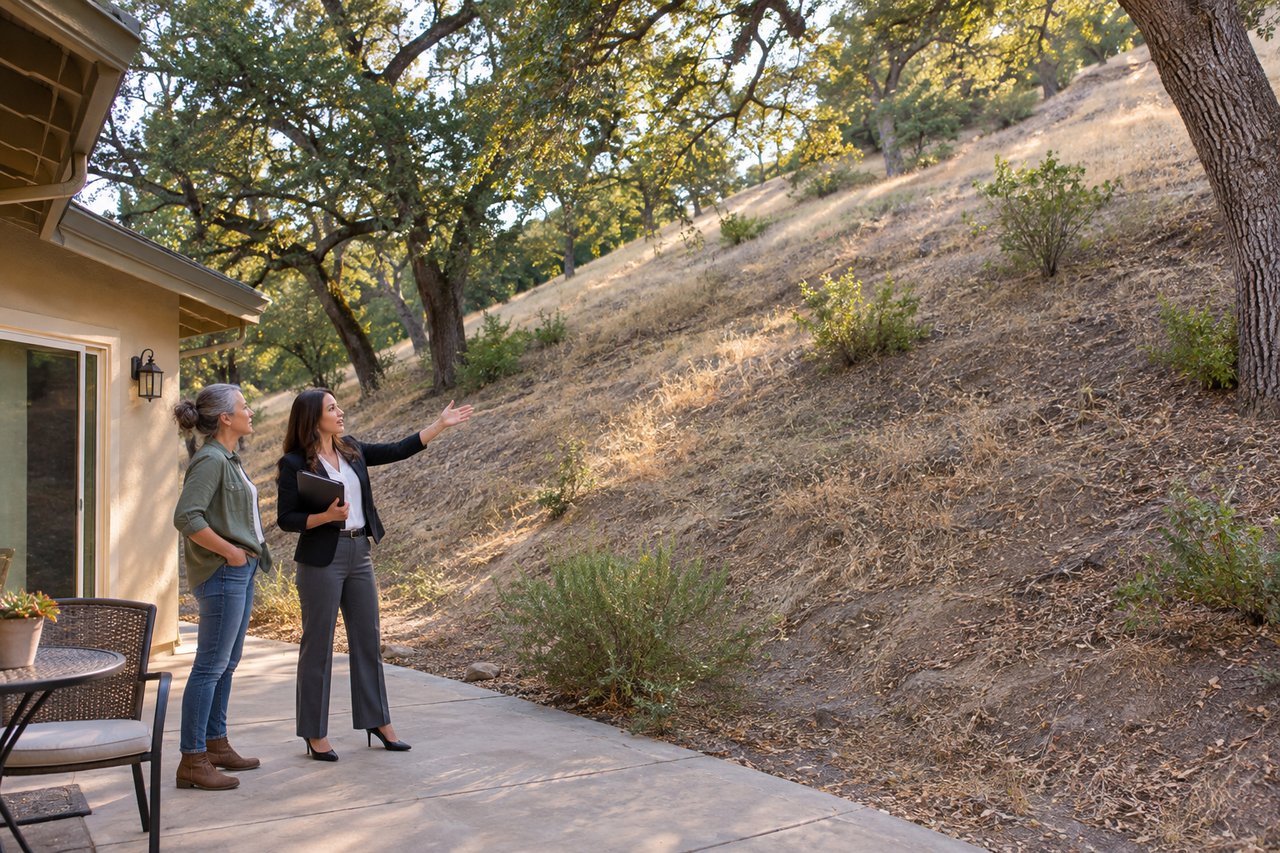
Market a steep backyard by showing its actual shape, explaining the outdoor space a buyer can use, and making the visit easy to understand. Clear photographs, honest descriptions and a practical showing plan help buyers decide whether the property fits. Hiding the slope usually creates a harder conversation when someone arrives.
The first question is not whether a steep yard is good or bad. It is what the complete property offers the person considering it. A buyer who wants a large flat play area may have different priorities from someone who values an outlook, separation from neighbors or a smaller outdoor sitting area. Your marketing needs to give each buyer enough information to make that decision.
I'm Amber Johnson, founder of Pillar Real Estate. I help Atascadero and other SLO County homeowners prepare, price and market their homes around the property they actually have. My approach starts with a walk through the yard and a conversation about your goals, before a list of projects or a photography appointment.
A lot measurement does not tell buyers how they will use the land. Start by identifying the space immediately outside the home. Is there a patio for meals, a level landing by the back door, an established path or an accessible garden area? Those features should be easy to locate in both the photos and the description.
Then identify the sloped portion separately. Avoid suggesting that every part of the parcel functions like a flat backyard. A buyer should be able to tell where they might sit, how they would reach another part of the yard, and what lies beyond the main outdoor area. That clarity helps the home attract people whose expectations fit the property.
A simple sketch can support that explanation if it accurately reflects the layout. Label it as illustrative when it is not a survey. Do not use an approximate drawing to claim boundaries, buildable space or room for a future improvement. If a buyer needs those answers, the records and appropriate professionals need to support them.
Ask the photographer to show the relationship between the house, the flat outdoor space and the slope. One useful image might look from the patio toward the upper yard. Another might show the yard from the side. Together, they can explain more than several close-ups of landscaping that never reveal the overall setting.
Keep camera angles believable. An angle that makes the land appear flat can leave buyers feeling misled. An angle that exaggerates the grade can discourage someone who would have been comfortable with it. The point is accurate perspective, with enough context to understand scale and access.
Show what connects each part of the property. Existing steps, paths, gates and landings should be visible when relevant. If the useful outdoor area is beside the house rather than directly behind it, include it in the sequence. Buyers should not have to reconstruct the layout from disconnected photos or guess which door leads where.
The slope belongs in the presentation, but it does not need to become the entire story. A comfortable patio, an established seating area or an attractive outlook may be a meaningful part of the home. Describe only features that are present and support them with images. Do not assume that a hillside automatically provides privacy or a view.
Keep the wording specific. An existing patio outside the kitchen is more informative than a broad promise of endless outdoor possibilities. If there is a maintained path, show it. If most of the yard is natural landscaping, explain that without calling it maintenance-free. The next owner will decide whether the arrangement suits their preferences.
The same principle applies when marketing a home with a small backyard: buyers need to understand how the available outdoor space works. A clear description of an actual use is more valuable than stretching the language to imply something the yard cannot offer.
Before deciding on improvements, look at the yard through a buyer's eyes. Remove movable clutter from the patio. Keep an established walking route clear. Put outdoor furniture where it demonstrates comfortable use without blocking a doorway or path. These choices can make the layout easier to understand without changing the land.
Review visible maintenance as well. A loose step, damaged gate or overgrown path can distract from the property and raise questions. Decide with the appropriate professional whether a concern needs evaluation or repair. A marketing plan should never substitute for understanding a condition that could affect how the property is used.
I would not recommend grading, a new retaining structure or a large landscaping project simply to make listing photos look better. First establish what the work involves, what approvals may be needed, what it costs and whether it makes sense for your sale. An expensive change is not automatically the right change for your goals.
Sellers sometimes have a long list of things they imagined doing with a sloped yard. A buyer may appreciate hearing the history, but an idea is not a confirmed project. A terrace, pool, addition or new access route should not be presented as available merely because it appears possible from a photograph.
If you have relevant plans, permits, maintenance records or professional reports, gather them for review. Explain what each document actually establishes. A proposal is different from completed work, and a past estimate may not describe present costs or requirements. Accurate records help the discussion stay grounded.
Questions about drainage, retaining features, boundaries or future construction belong with the professionals qualified to evaluate them. I can help organize the questions and keep the sale process moving. I would not promise a technical answer or suggest that buyers can skip their own investigation because the yard photographs well.
Plan the outdoor portion of the showing before the first appointment. Where should a visitor stand to see the yard? Which existing route best explains the layout? Can the important features be viewed from the patio? The plan should reflect the property's actual condition and the seller's instructions.
Do not encourage people to climb an unmaintained slope just to appreciate the lot. If an area cannot appropriately be accessed during a showing, communicate that clearly. Photos and available records may help explain it, while a later professional evaluation can address questions that require more than a visit.
Access to the home matters too. If the property also has a graded approach, the discussion of marketing an Atascadero home with a steep driveway can help frame arrival and parking information. Keep those details distinct from the backyard so buyers understand each part of the property.
Do not choose a price by applying a blanket discount for a steep yard. Do not assume extra lot area creates the same value as an equivalent amount of flat land, either. The comparison needs to account for the house, condition, location, outdoor usability and the choices a buyer has.
I would look closely at the properties a buyer is likely to compare with yours. A smaller flat yard and a larger sloped lot may serve different needs. The evidence should help us understand those differences instead of treating parcel size as the whole answer.
Unusual layouts require especially clear presentation. Our discussion of marketing an Atascadero home on a flag lot addresses another situation where buyers need to understand the configuration before evaluating the complete property. With either layout, pricing and marketing should tell a consistent story.
A short property video can show the transition from the interior to the patio and the sloped area beyond it. It should follow a sensible route rather than rely on dramatic cuts. Buyers benefit from seeing how the outdoor spaces connect, especially when the still photographs cannot explain every change in level.
The description can then answer what the pictures leave unclear. Explain the existing layout, point out useful outdoor features and avoid unsupported statements about future uses. Keep the language balanced. Calling a yard unusable may overlook real features, while calling it limitless may set an expectation the property cannot meet.
Digital marketing works best when the material answers the concerns of the intended buyer. At Pillar Real Estate, I want the photography, video, description and showing instructions to support the same accurate explanation. More attention is useful when it helps the right people understand the home and take an informed next step.
When showings begin, ask what buyers actually found unclear. Did they understand where the level space was? Were they expecting a different yard from the photos? Did they need records about an existing feature? Specific feedback can identify a gap in the presentation.
One person wanting a flat lawn does not tell us that every buyer will reject the property. Repeated confusion about the same feature is more useful information. We can review the photographs, description or showing instructions against that feedback and decide what needs a clearer explanation.
The goal is a sale built on accurate expectations. If you're considering selling an Atascadero home with a steep backyard, I can walk the property with you and help decide what makes sense for your goals. We'll identify the useful outdoor space, the questions worth resolving and a marketing plan that presents the whole home clearly.
Amber
Amber Johnson
Founder, Pillar Real Estate
805.835.3425
[email protected]
1345 Park St. Paso Robles, CA 93446
DRE# 01925434
Website: https://pillarrealestate.com/
Amber Johnson | November 3, 2026
Show how the yard can be used while setting clear expectations about the slope.
Amber Johnson | November 3, 2026
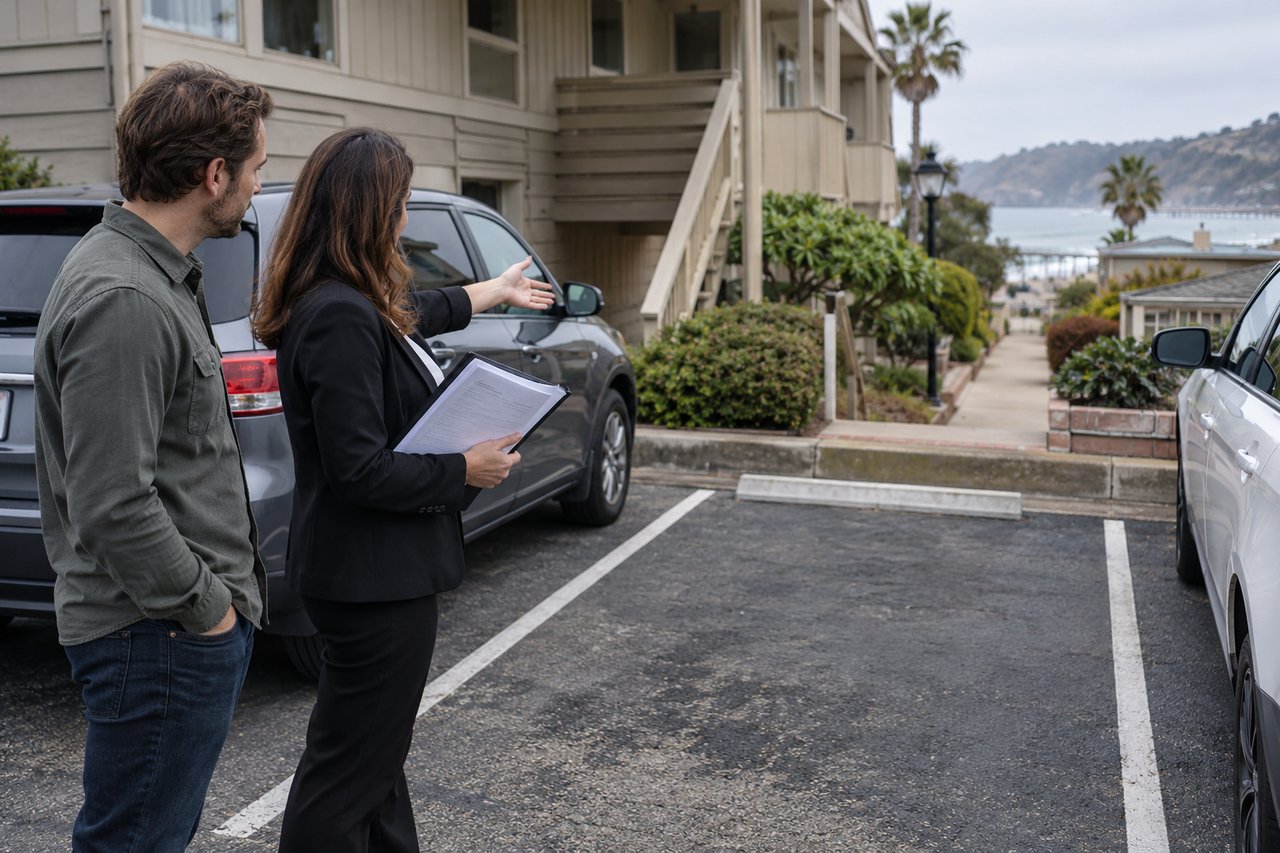
Verify the assigned space, governing documents, access, dimensions and guest-parking rules before relying on the parking arrangement.

Amber Johnson | November 3, 2026
Use both groups of listings to understand choice without assuming a single number tells the whole story.
Amber Johnson | November 3, 2026
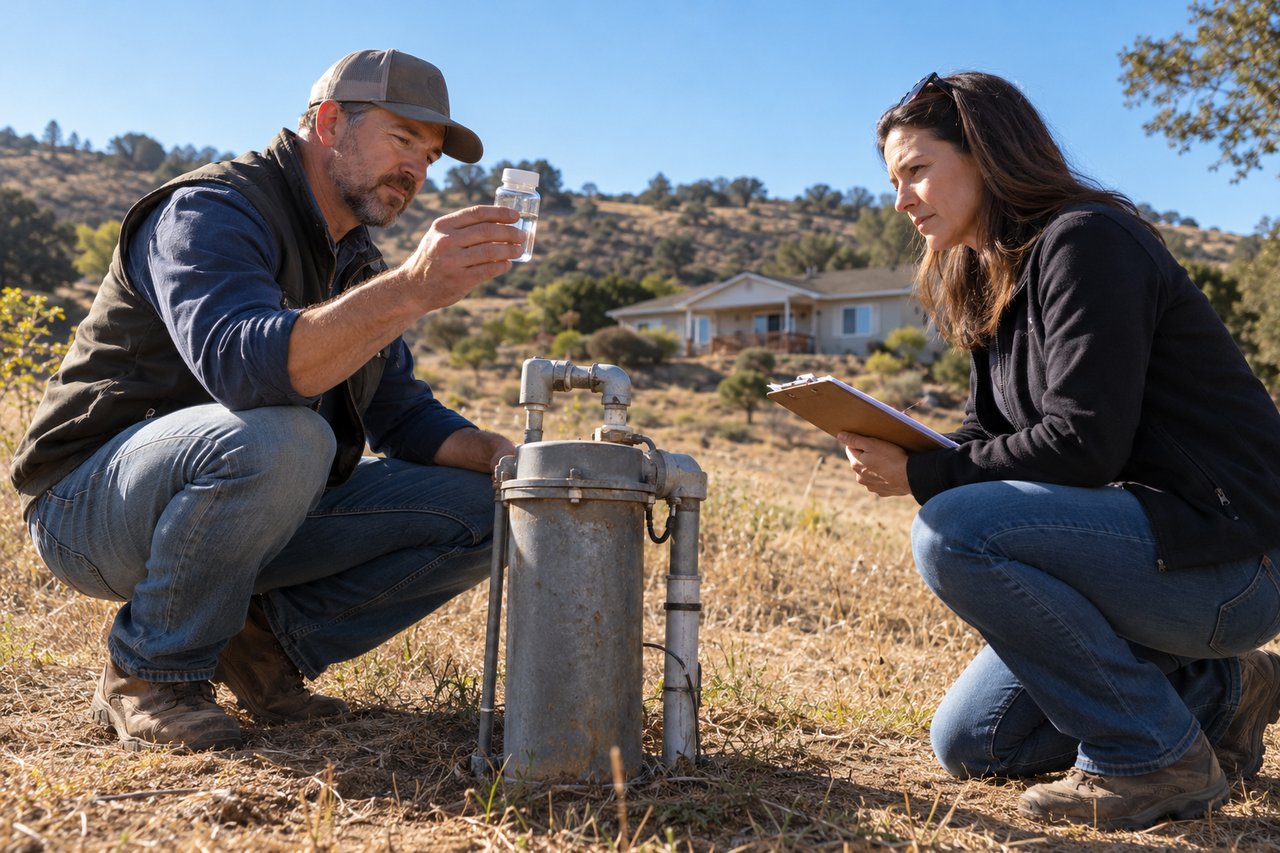
Review well records, testing, equipment and water needs before making the property decision.

Amber Johnson | November 2, 2026
Compare the routes from specific homes to the errands you actually make.

Amber Johnson | November 2, 2026

Amber Johnson | November 2, 2026
Compare condition, repair cost and buyer expectations before replacing a front door.

Amber Johnson | November 2, 2026
Compare timing, rental availability, moving costs and what you need to learn before deciding whether to rent first.
Amber Johnson | November 2, 2026
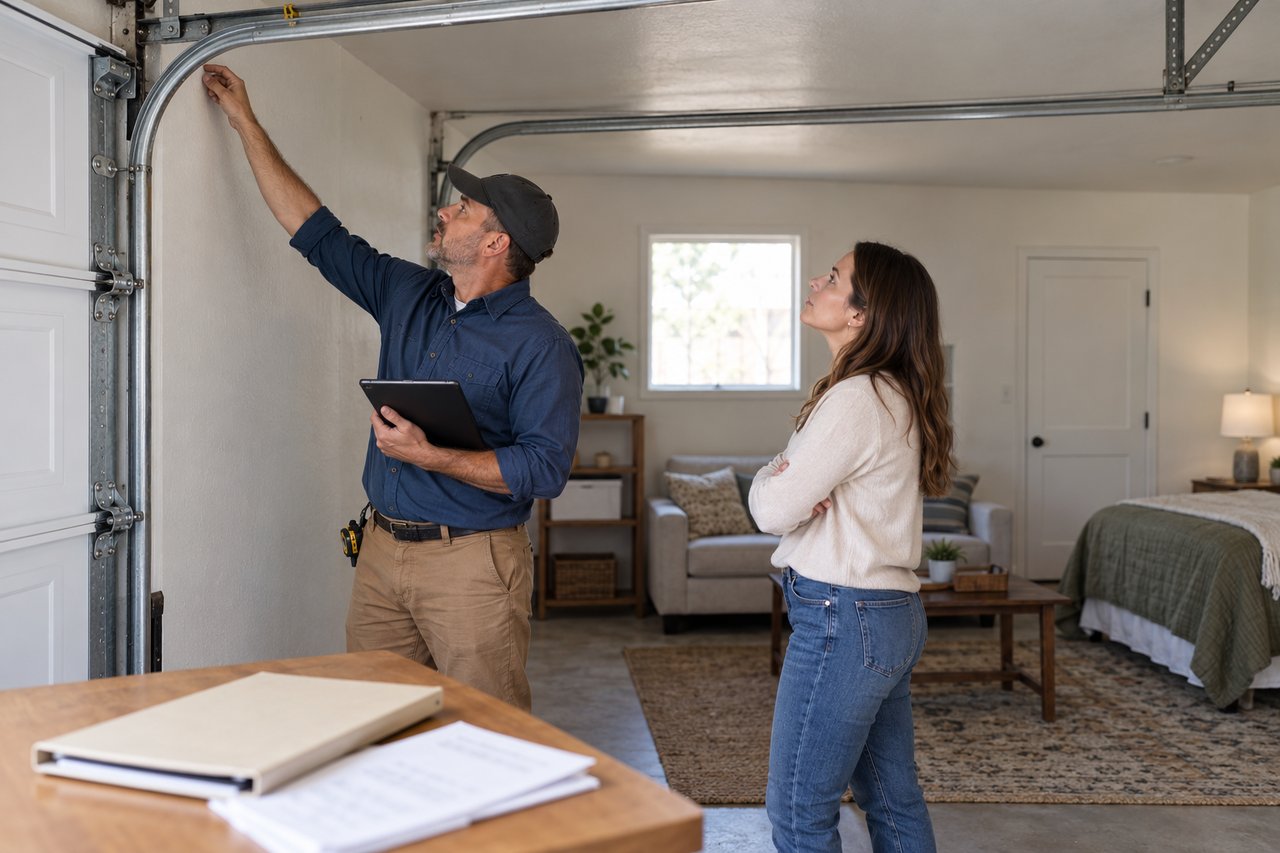
Review permits, condition and intended use before counting a converted garage as living space.
You’ve got questions and we can’t wait to answer them.
Amber Johnson, Founder
Pillar Real Estate
805.835.3425
DRE# 01925434
1345 Park Street
Paso Robles, CA 93446