How Should I Market a Paso Robles Home That Backs Up to Commercial Property?
October 19, 2026
October 19, 2026
Market the home honestly, price it against relevant competition, and give buyers a clear understanding of what the neighboring property means for daily life. Don't try to photograph the commercial building out of existence. Help buyers evaluate the whole home without wondering what else they haven't been shown.
A commercial neighbor doesn't tell us everything about a property. An office building, a restaurant, and a delivery area can create very different experiences. The distance from the home, the location of bedroom windows, and the way you use the backyard matter too.
I'm Amber Johnson, founder of Pillar Real Estate in Paso Robles. When I help a seller think through an unusual location feature, I start with the actual property. What can buyers see? What can they hear? What can we document? Then we build the preparation, photography, and pricing plan around those answers.
Before discussing a marketing message, walk the property with your agent. Look beyond the label “commercial.” A neighboring building's use, access points, equipment, and relationship to the yard are more useful than that broad description.
Observe the rear boundary from the patio, living room, and bedrooms. Identify which parts of the neighboring property are visible. Pay attention to doors, outdoor lighting, loading areas, and equipment that can be seen or heard from your property. Describe what you know without filling gaps with assumptions.
Visit at different ordinary times when you reasonably can. A quiet Sunday afternoon may not reflect a weekday morning. One visit also doesn't establish a permanent pattern. If you've lived with a recurring condition, discuss that history with your agent instead of relying only on what happens during a showing.
Keep observations specific. “I can see the rear wall from the patio” is different from “the business never affects us.” The first describes something buyers can evaluate. The second makes a broad promise you may not be able to support.
A business operating next door today is not a guarantee about every future tenant, activity, or development proposal. Marketing should not depend on promises about property you don't control.
For a home within Paso Robles city limits, the City's Planning Division and General Plan and zoning resources are starting points for questions about land use. Confirm the relevant parcel and jurisdiction. A Paso Robles mailing address alone isn't a substitute for checking which agency handles a property.
Keep three questions separate: What is happening there now? What do current public records show? What remains uncertain? A map designation doesn't explain every operating detail, and a casual conversation with someone at the neighboring business isn't a binding assurance.
If a buyer needs certainty about permitted activity or a pending proposal, direct that question to the appropriate agency or qualified professional. Don't turn a seller's impression into a statement that the neighboring site can never change.
Pricing becomes harder when the comparison homes offer a different setting. A nearby sale on an entirely residential street may help establish context, but it may not be the strongest comparison for a home directly behind a commercial site.
I would look at the house itself and the surrounding conditions together. Size, condition, layout, usable yard, parking, and the neighboring use all belong in the discussion. A beautifully updated kitchen doesn't erase the location. The location doesn't erase the kitchen either.
There isn't one automatic discount that applies to every home with a commercial neighbor. A fixed percentage without relevant evidence can push a seller toward an unsupported price. We need to understand the alternatives a buyer could purchase and how this home compares with them.
My guide to checking whether your Paso Robles home is priced correctly before listing explains the broader process. For this property, the important extra step is testing whether the selected comparisons reflect a similar setting.
It's tempting to start with a tall screen, new planting, or an expensive backyard redesign. Before spending, ask what problem the work would actually solve. A cleaner patio can improve presentation. A new screen may change a sightline. Neither automatically resolves noise, lighting, or uncertainty about future use.
Start with ordinary maintenance. Clean the patio, remove unnecessary stored items, and make the outdoor space easy to understand. Address your own property's visible maintenance issues so buyers aren't trying to separate neglected upkeep from a location concern.
If you're considering fencing or screening, confirm boundaries, applicable requirements, cost, and maintenance before committing. Don't assume you can change a shared boundary or attach something to another owner's structure. Get qualified guidance when the proposed work calls for it.
The goal is to show the best usable version of the property as it exists. Spending money to create an impression that falls apart at the first showing isn't a useful preparation plan.
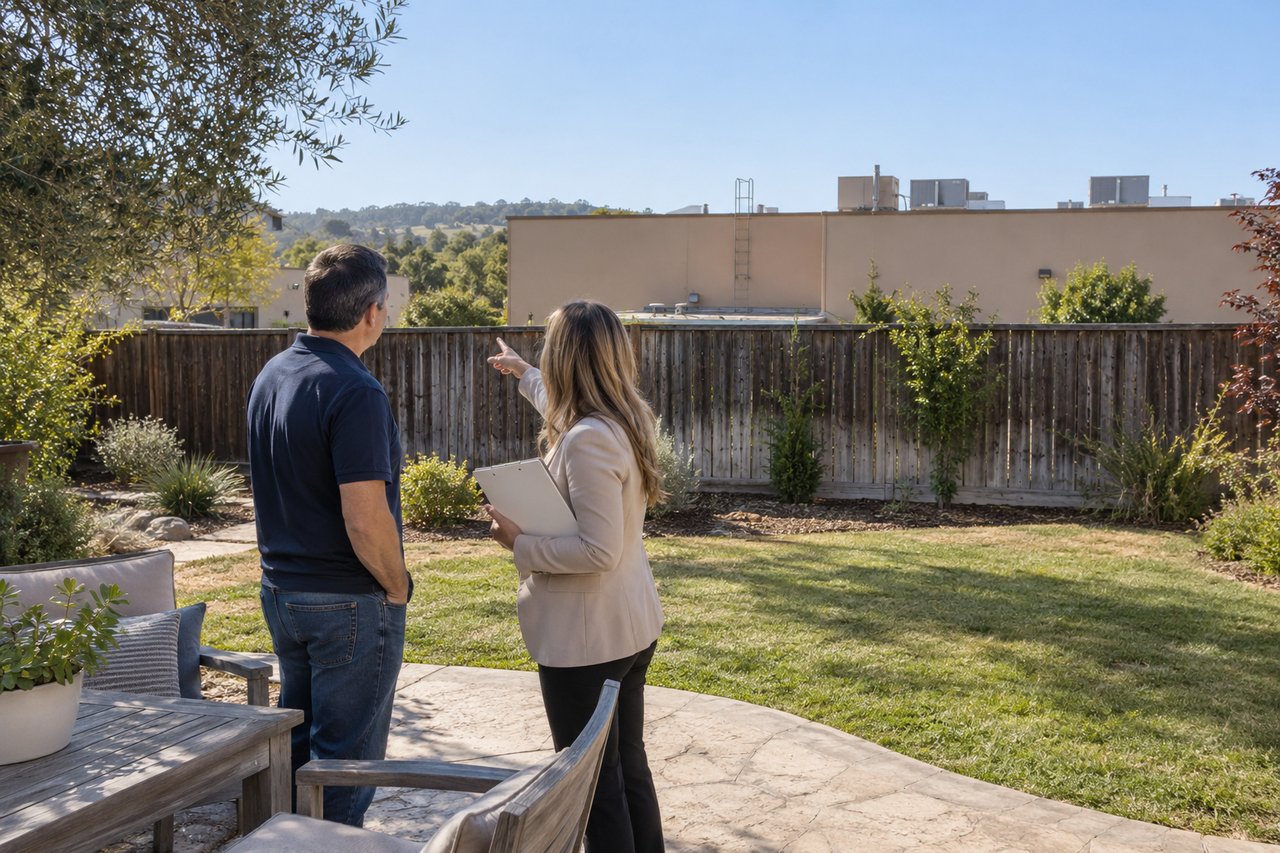
A good photo set should help buyers understand the house and its surroundings. Include a normal, representative view of the backyard and rear boundary. Avoid selecting only angles that make the neighboring building disappear.
Show the relationship between the home, outdoor seating, fence, and commercial property. Buyers should be able to connect the listing photos with what they see when they arrive. That doesn't mean every picture must center on the neighboring use. It means the collection shouldn't create a misleading overall impression.
Keep editing focused on ordinary photographic corrections. Don't remove a building, equipment, or another material part of the setting. If additional location photography would help, discuss an appropriate approach with the photographer rather than treating an unusual lens angle as an answer.
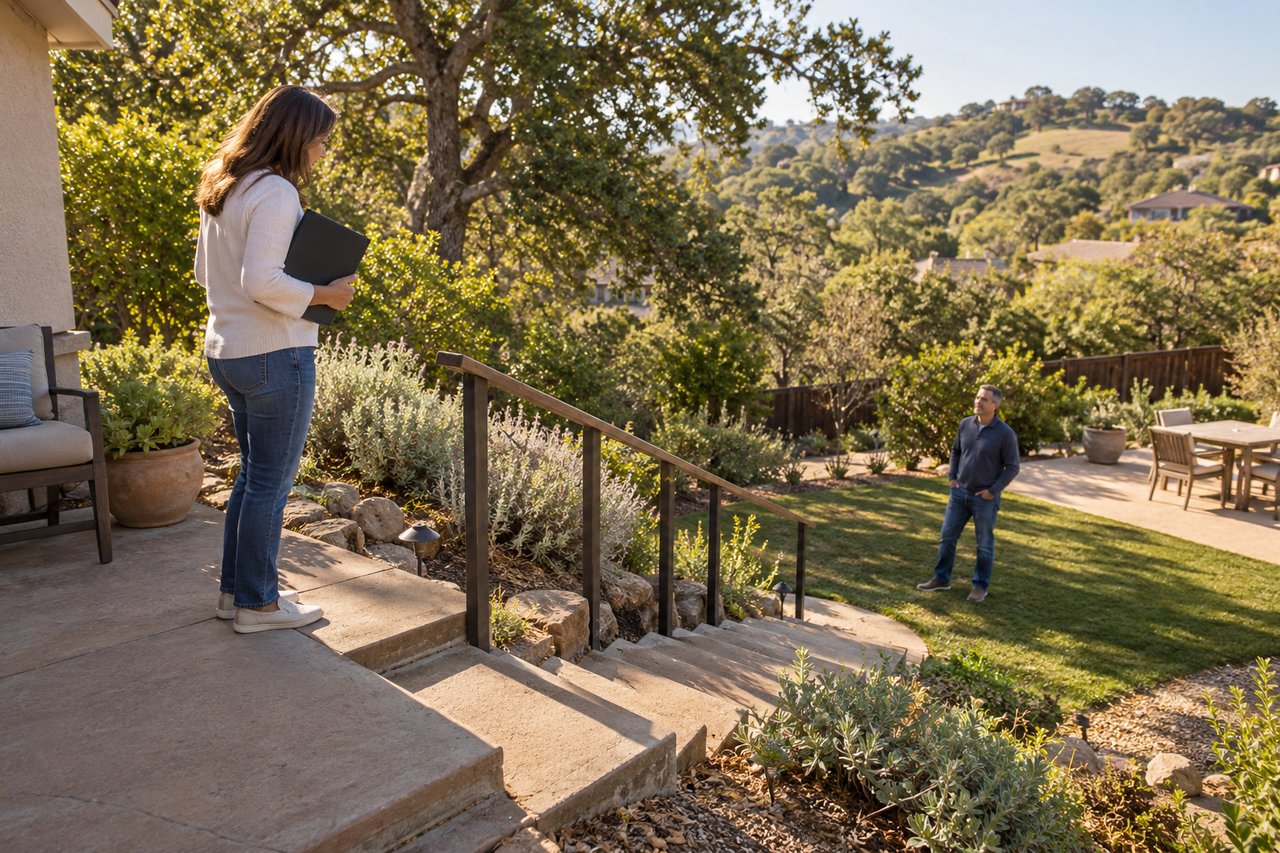
For educational content, an illustrative image can explain this situation. For the home's actual listing, use photography of the actual property and represent it accurately. Those are different purposes.
Lead with verified features that make the home useful. A practical floor plan, a well-maintained interior, or a comfortable outdoor sitting area can still deserve attention. Then describe the setting accurately in the listing and related materials as appropriate.
Avoid calling the backyard “completely private” if a neighboring building overlooks it. Avoid “quiet at all hours” when you don't have a basis for that claim. Words such as “secluded” can create expectations that the property doesn't meet.
It's also unnecessary to describe the commercial neighbor as a defect without understanding the actual conditions. Marketing should neither exaggerate the concern nor pretend it doesn't exist. Give buyers enough useful information to decide whether a showing makes sense.
My discussion of how a Paso Robles neighborhood can affect sale price provides additional context. Here, we need to be even more specific about the home and the property directly behind it.
Marketing and disclosures should tell a consistent story. Talk with your agent about known conditions, recurring concerns, prior complaints, or other information that may matter to a buyer. Complete the required disclosure process truthfully and get legal advice if you need help determining your obligations.
Keep records organized. Relevant correspondence, reports you already have, and clear notes about what you know can be more useful than a reassuring statement with no support. Separate your own observations from information someone else supplied.
Don't assume that a buyer seeing the commercial building answers every question. What can be observed during a short visit may differ from what you've experienced over time. Your agent can help identify questions that need documentation or professional review.
Stay within your knowledge. You don't need to diagnose equipment, measure environmental conditions yourself, or interpret land-use law in the listing. You do need a plan for getting appropriate questions to the right person.
Showings should make it easy to understand how the home works. Give buyers access to the outdoor areas and rooms relevant to the neighboring property, subject to normal showing arrangements. Don't create a presentation that prevents them from evaluating the setting.
If someone asks to return at a different time, consider a reasonable arrangement. A buyer concerned about weekday activity may need more than an evening visit. Providing that opportunity can help them make a more informed decision, although it doesn't replace their own investigation.
Answer questions directly. If you don't know an operating schedule or the purpose of a piece of equipment, say so. Offer a way to investigate rather than guessing. Buyers can decide whether an unanswered question affects their interest.
The buyers most likely to consider the property are those whose priorities fit the whole offering. My article about choosing between the right location and the right house explains why that decision is personal. Your job as a seller isn't to make the choice for them.
Once the home is listed, separate specific feedback from general reactions. Did buyers misunderstand the photos? Did they raise the same concern after visiting? Are they choosing a similarly priced alternative with different surroundings?
If the presentation created the wrong expectation, correct the presentation. If the price doesn't compare well with available alternatives, review the pricing evidence. If a question needs documentation, get the answer before repeating the same conversation with the next buyer.
Don't promise an improvement, concession, or neighboring-property change before understanding what it involves. Any negotiated response should reflect your goals, the facts, and the terms you can actually deliver.
A Paso Robles home backing up to commercial property needs a thoughtful marketing plan, not a stock description. Start with the actual daily experience. Gather useful information. Prepare the home sensibly, photograph it honestly, and price it against relevant choices.
That's the approach I bring to sellers at Pillar Real Estate. We identify what buyers will ask, decide which preparation expenses make sense, and present the home clearly from start to finish.
If you're considering selling, let's talk about your property's setting and your goals before you spend on changes. Visit Sell With Amber to start the conversation.
Amber
Amber Johnson, Founder
Pillar Real Estate
805.835.3425
[email protected]
1345 Park St. Paso Robles, CA 93446
DRE# 01925434
Amber Johnson | October 21, 2026
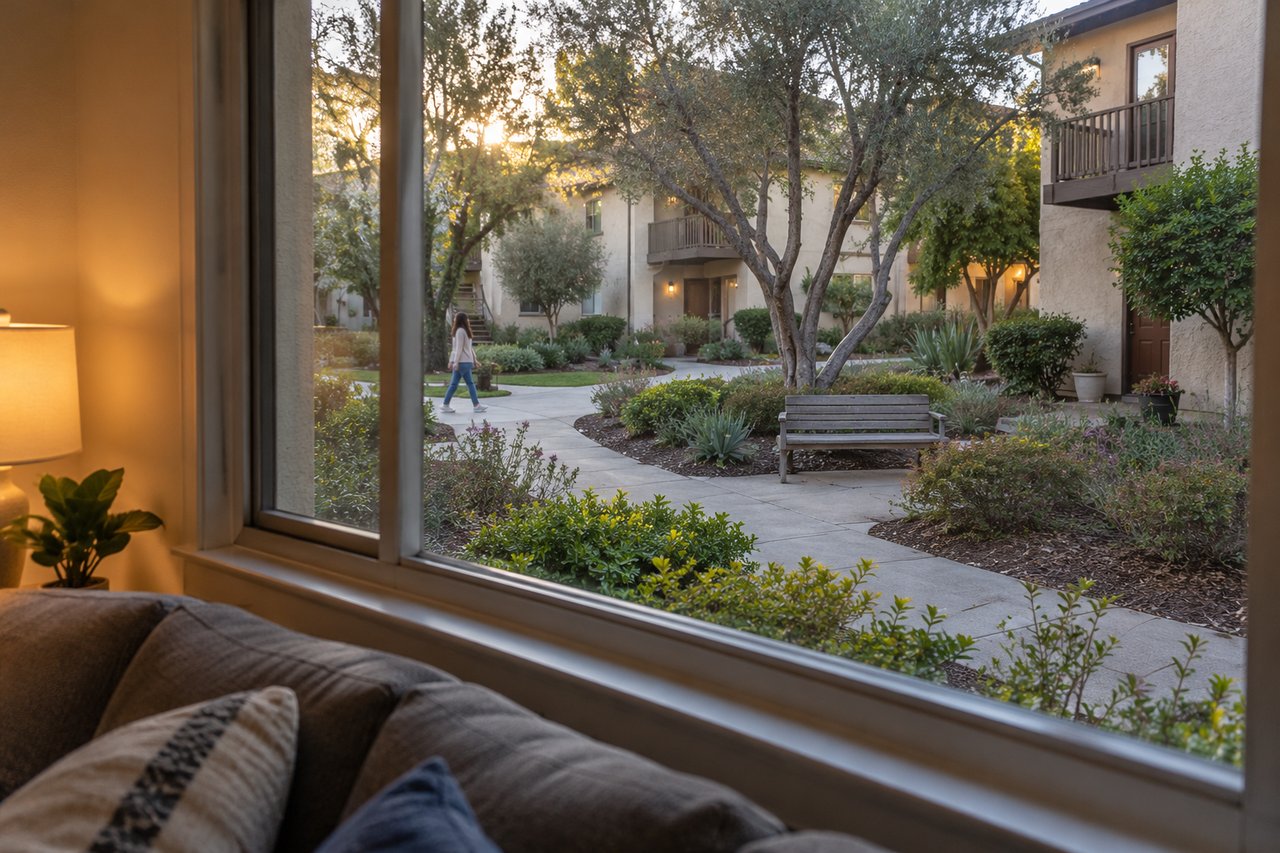
Check privacy, shared-space rules and activity near the unit before deciding whether courtyard-facing condo living suits you.
Amber Johnson | October 20, 2026
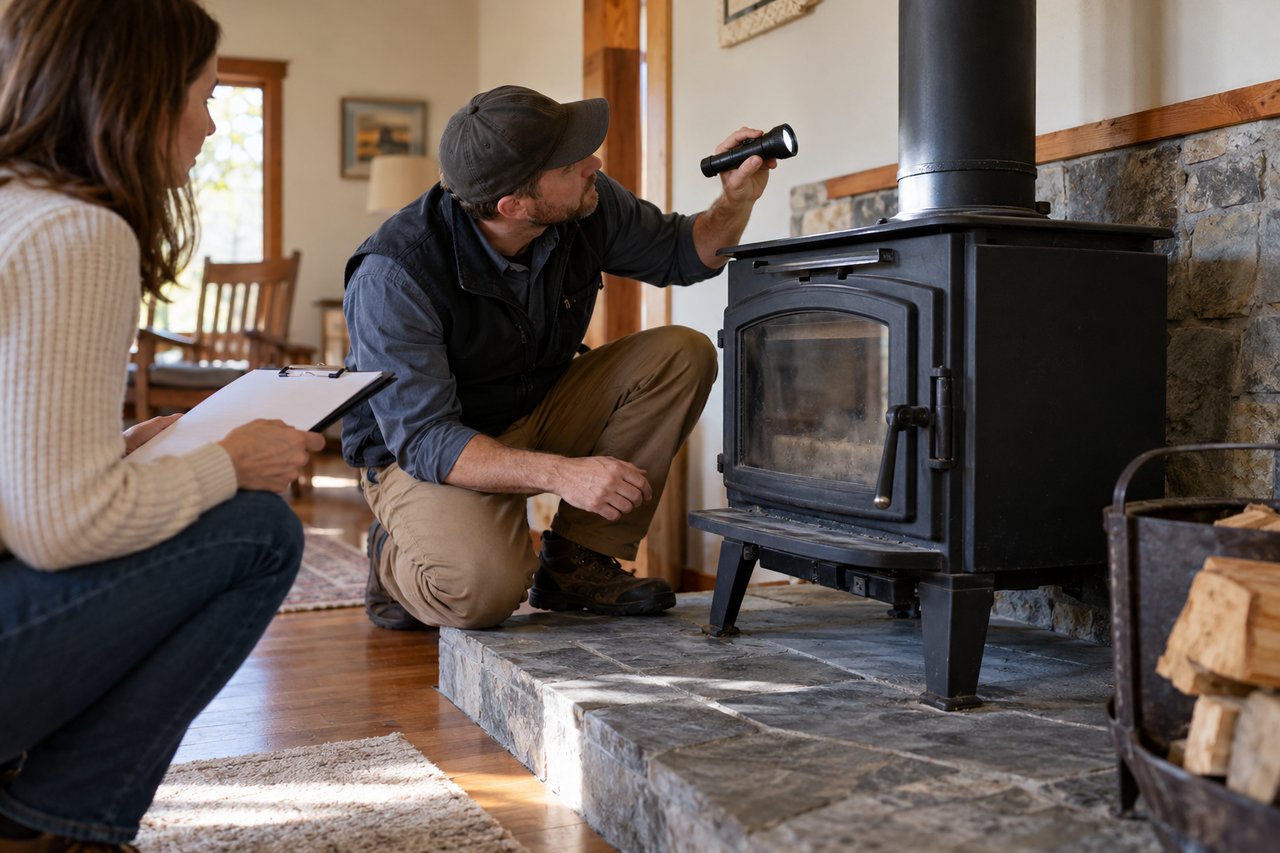
Review the stove, venting, documentation and insurance questions before treating wood heat as a benefit of the purchase.

Amber Johnson | October 20, 2026
Test the routes to your actual errands, what you need to carry and your backup options before choosing a home around cycling.
Amber Johnson | October 20, 2026
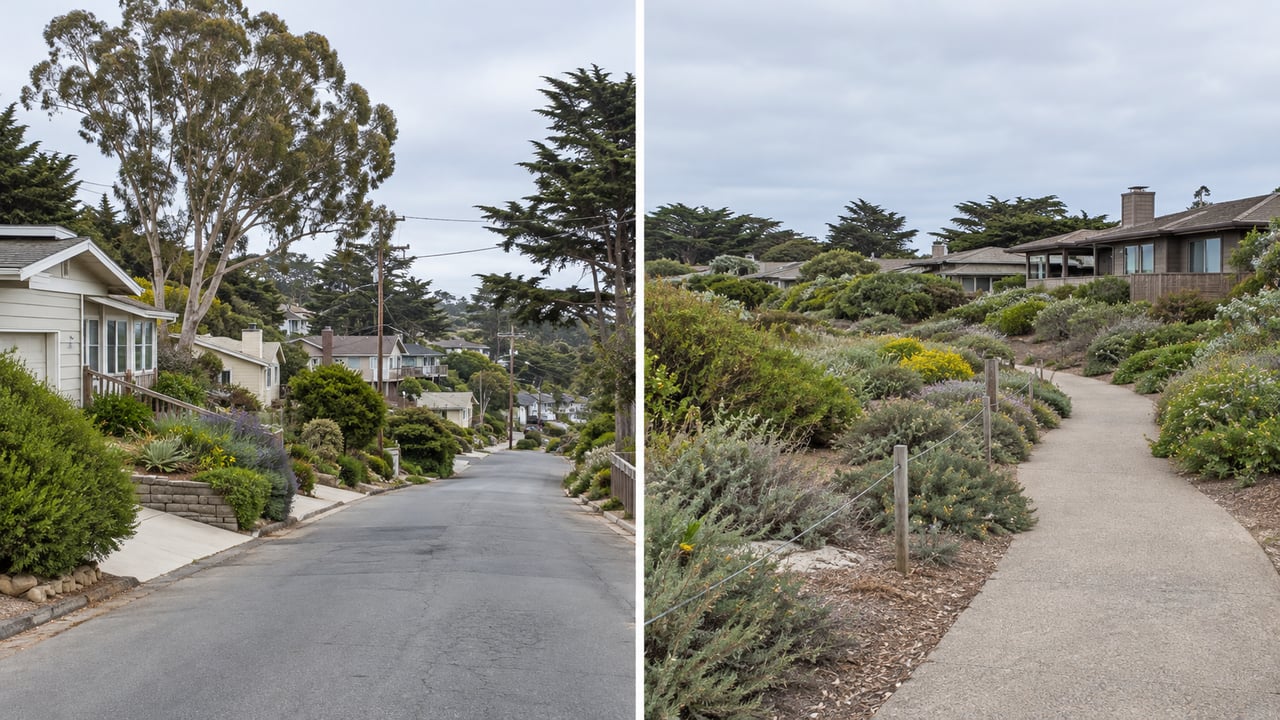
Compare these two Morro Bay areas through the specific homes, daily routes and property features that matter to your household.
Amber Johnson | October 20, 2026
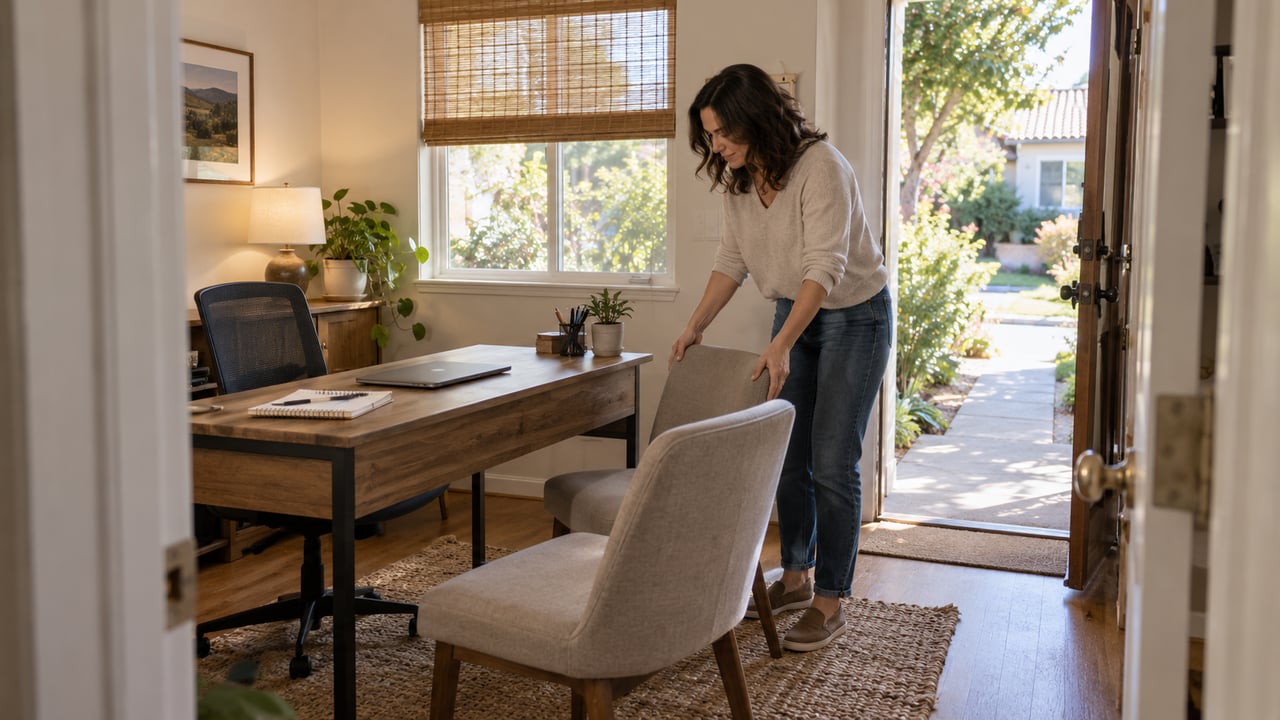
Check the property’s jurisdiction, current home-business rules and private restrictions before assuming clients can visit your home.
Amber Johnson | October 20, 2026
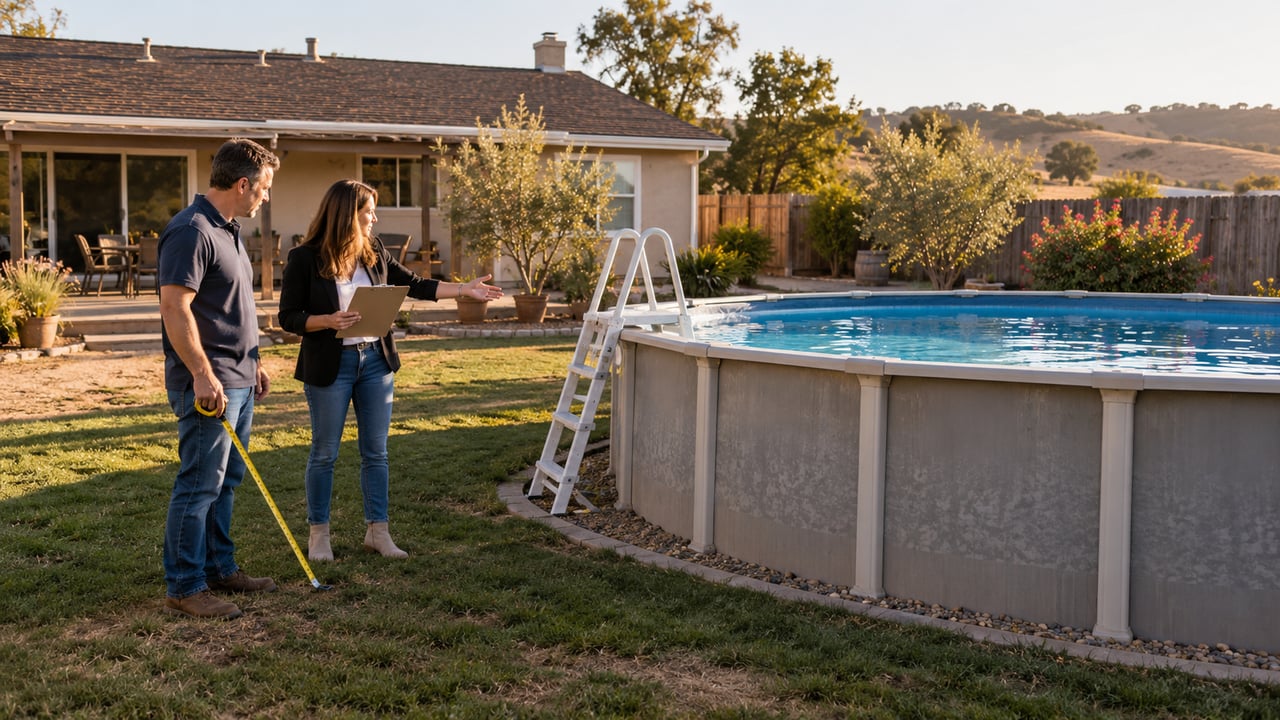
Compare keeping the pool with removal, site restoration and buyer appeal before spending money on pre-sale work.
Amber Johnson | October 20, 2026
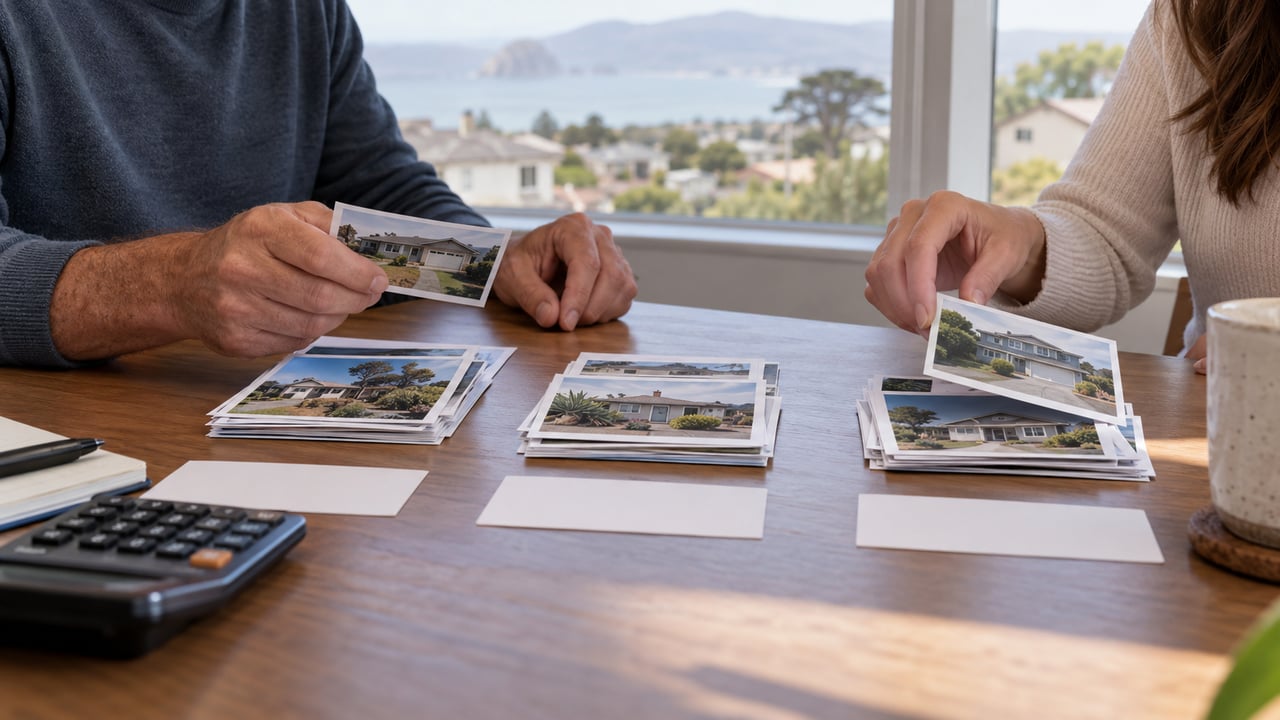
Compare a consistent property type and reporting period within relevant price brackets before treating a broad market headline as guidance for a particular home.
Amber Johnson | October 19, 2026
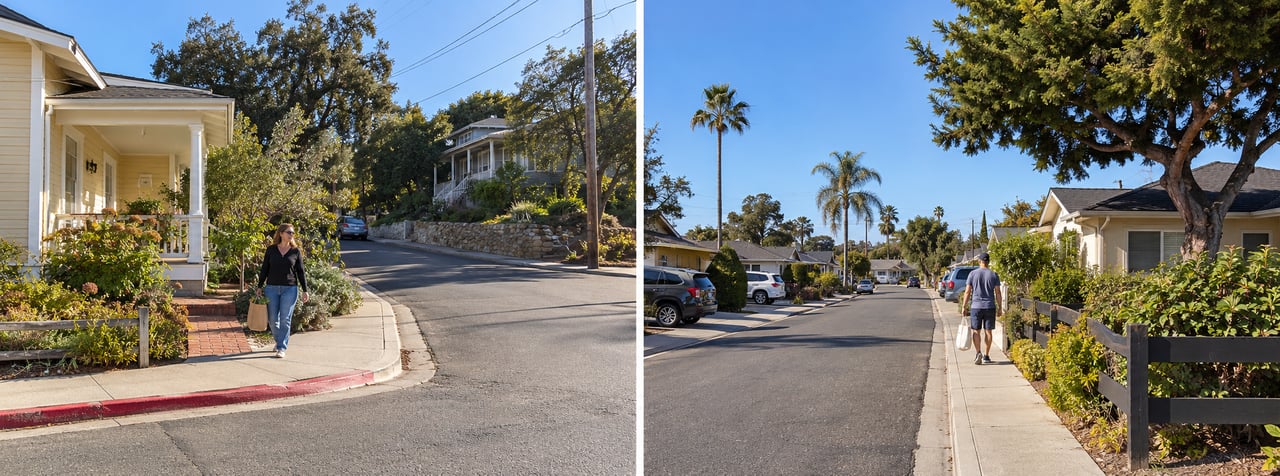
Compare your regular errands, routes, parking needs, and preferred street setting from specific homes in each area before deciding which routine fits.
Amber Johnson | October 19, 2026
Compare everyday access, usable outdoor space, upkeep, and the views you would actually enjoy at each property rather than choosing on the view alone.
You’ve got questions and we can’t wait to answer them.
Amber Johnson, Founder
Pillar Real Estate
805.835.3425
DRE# 01925434
1345 Park Street
Paso Robles, CA 93446