How Should I Market a Grover Beach Home with Alley Access?
October 30, 2026
October 30, 2026
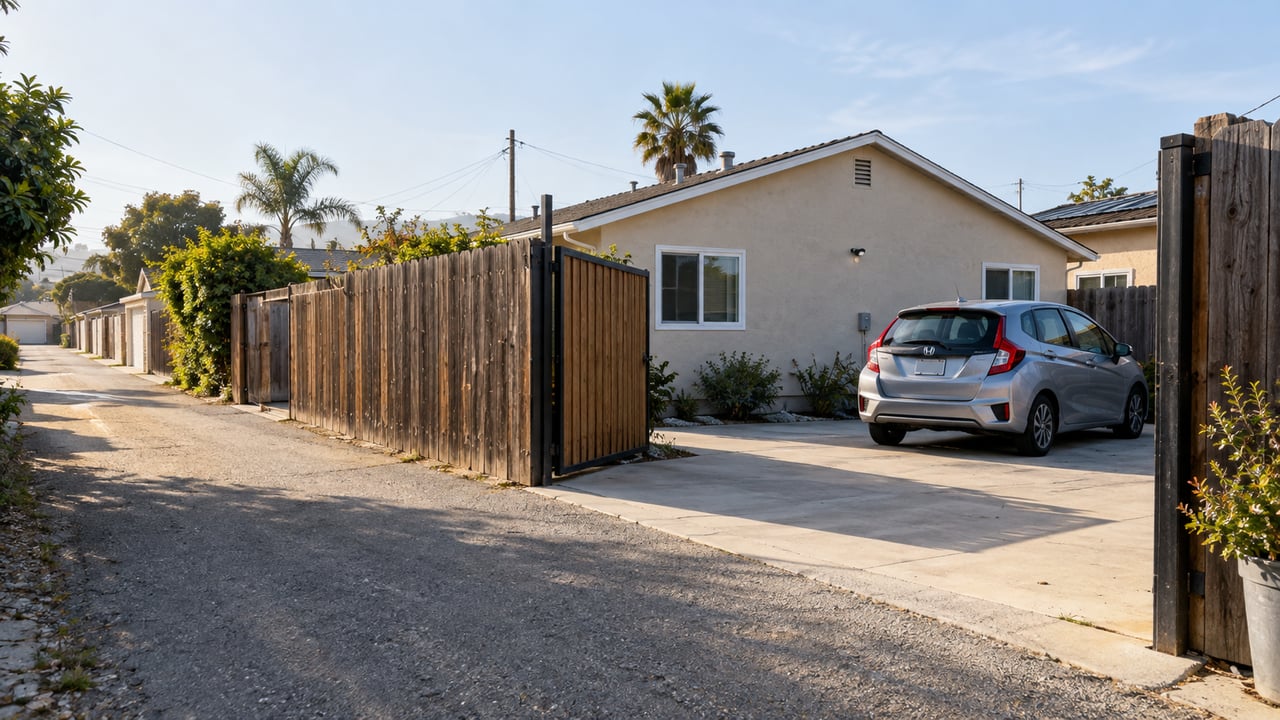
Market the alley access by showing exactly how it works, what it connects to, and which uses you can document. Give buyers a clear view of the gate, approach and usable space. Don’t turn an access feature into a promise of extra parking, storage or future development.
For a Grover Beach seller, the strongest presentation is practical. A buyer should understand the property before arriving, then find the same arrangement during the showing. Good photography helps. Accurate descriptions and a thoughtful showing plan matter just as much.
I’m Amber Johnson, founder of Pillar Real Estate in Paso Robles. I help San Luis Obispo County homeowners prepare and market their homes around the property, the likely buyer and their goals. Alley access is a good example of why a specific plan beats a generic checklist.
Before we decide how prominently to feature the alley, we need to understand the arrangement. Does the lane lead to a gate, a garage, a separate pad or only a pedestrian entrance? Can a vehicle enter comfortably? Does the route depend on moving something first?
Walk the approach from the lane onto the property. Look at the opening, the surface, the turn and the space beyond it. An open gate can look generous in a photograph while the usable area behind it is quite limited.
Then separate what you can see from what needs documentation. A worn tire track doesn’t establish access rights. A neighbor’s parking habits don’t establish what a buyer may do. Ask the appropriate title, survey or city professional to clarify questions about boundaries, recorded access and permitted uses.
You don’t need to become the expert on every document. You do need to avoid making a confident marketing claim before the right person has confirmed it.
Alley access and parking are different features. One describes a route. The other describes a place where a vehicle can remain. Neither should automatically stand in for the other in the listing.
If there’s a parking area on the property, describe its verified configuration. Be careful about vehicle counts. Two small cars fitting tightly for a photograph doesn’t mean two typical vehicles can park and leave independently.
Consider the gate’s swing, the doors of the parked vehicle and the route back out. A space might work for one household’s compact car but feel awkward for another household’s larger vehicle. Clear measurements are more useful than a broad claim about abundant parking.
Don’t stage a car in the lane to suggest private parking. Keep the lane visible and unobstructed. Buyers should be able to distinguish the access route from the area being offered with the home.
If the home also lacks a garage, the marketing needs to explain both features honestly. My guide to marketing a Grover Beach home without a garage addresses that separate decision. Alley access shouldn’t be presented as an automatic replacement for enclosed parking or storage.
Start with ordinary cleanup. Remove loose items that hide the opening or make the approach difficult to understand. Put bins, tools and personal belongings where they belong. Keep anything needed for daily access easy to reach.
Check how the gate operates. If it sticks, sags or has damaged hardware, get an appropriate repair opinion before deciding what to do. A simple functional repair may explain the feature better than decorative work.
Look at lighting and visibility, too. The purpose is to help a visitor understand the route safely. Don’t install new equipment, change surfaces or move a fence simply because the listing photographs might look better.
Here’s the thing: preparation should solve a real presentation problem. Spending money to make an alley resemble a formal driveway can create expectations the property doesn’t support. We should first ask what a buyer needs to see clearly.
Keep a record of any work completed. If there are unresolved questions about drainage, a gate, a surface or a boundary, discuss how to address them with the appropriate professionals. A clean photograph doesn’t resolve the underlying question.
A useful photo sequence gives buyers a sense of direction. Show the home’s main approach, the rear access point and the space beyond the gate. Include enough context that the relationship between those areas is understandable.
A close photograph of an open gate usually isn’t enough. It can hide the turn, the slope or the amount of room inside. A wider, ground-level view often explains more without exaggerating the feature.
If a vehicle appears in the photographs, place it only where parking is verified and physically sensible. Leave room to show the gate and circulation. The vehicle should demonstrate scale, not conceal a tight corner.
Ask the photographer to preserve the actual layout. Don’t digitally widen a lane, remove a permanent obstruction or shift a fence. An accurate image protects the buyer’s expectations and gives the seller a stronger starting point for conversations.
For this article, the featured image is an illustrative, unidentifiable property. For an actual listing, use photographs of that property. A generic image can explain the topic, but it can’t document a particular home’s access.
The description should tell buyers what’s there in plain words. If the documented arrangement is rear access through a gate to an on-property pad, describe that configuration. Don’t add a use that hasn’t been confirmed.
Avoid terms such as unlimited parking, development potential or income opportunity unless the specific claim has been properly established. A route to the rear of a property doesn’t prove that another structure or use is possible.
Be equally careful with privacy and convenience. If others use the lane, don’t describe it as a private approach. If entering requires a careful turn, let the photos and showing instructions make that understandable.
Facts can still be appealing. Buyers appreciate knowing where an entrance leads and how the property functions. A specific description gives the right buyer something concrete to evaluate.
Review photo captions, video narration and social posts together. A cautious listing description won’t help if a short video makes a much broader promise. The same verified facts should carry through every part of the marketing.
Think about the buyer who might value a second approach to the property. They may want a practical way to bring household items inside or reach a rear entrance. What matters is whether the actual layout supports their routine.
Keep that discussion grounded in the home. Don’t assume a buyer wants to store a boat, park an oversized vehicle or operate a business there. Those possibilities involve separate questions that an attractive gate can’t answer.
The surrounding community matters, but it shouldn’t distract from the access details. Buyers considering the broader location can read about living in Grover Beach and what to expect. In the listing itself, use the space to explain this home’s particular arrangement.
That’s where local marketing judgment comes in. We should consider competing properties and the likely buyer’s priorities before making alley access the headline. Sometimes it’s a useful supporting feature. Sometimes it deserves more attention. It depends on your situation.
Make the arrival instructions clear. If the intended showing entrance is at the front, say so. Don’t send visitors to the alley simply because it’s a feature we want them to notice.
During the visit, show the access in a sensible sequence. Explain where the gate leads, which areas belong to the property and what remains subject to verification. Give buyers time to look at the approach without blocking others.
Have the gate key or control available when appropriate. A feature that can’t be demonstrated is harder for a buyer to assess. If there’s a limitation, describe it rather than improvising around it.
Keep useful documents organized for review through the proper transaction process. Depending on the property, questions may involve access records, boundary information, maintenance arrangements or a structure reached from the lane. Let qualified professionals explain the documents that require their expertise.
Finally, ask what buyers are still uncertain about after a showing. Repeated confusion may mean the photos or description need a clearer explanation. It doesn’t automatically mean the property needs an expensive change.
Alley access doesn’t come with a fixed dollar adjustment. Its usefulness depends on the actual configuration and how buyers compare the home with other choices. Condition, overall parking, floor plan and location still matter.
We should review relevant competing and sold properties carefully. Two homes can both have rear access and offer very different experiences. A broad label on a listing isn’t enough to establish the value of the feature.
Buyer feedback can help identify whether the access is understood and valued. It should be considered alongside the property’s full presentation and market response. Don’t jump from one comment to a construction project or a price change.
I take the same approach to the broader campaign. Effective digital marketing needs a clear property story and accurate information. More exposure is useful only when the message gives buyers a fair picture of what they’ll find.
Before marketing your Grover Beach home, confirm the access arrangement, distinguish the route from parking and identify anything that needs professional clarification. Prepare the area so buyers can understand it. Then use honest photographs and consistent language.
You don’t have to make the alley the star of the listing. You do need to show how it fits the property. The right strategy helps buyers see the benefit without asking them to rely on assumptions.
If you’re deciding how to present your home, I can help you sort through preparation, positioning and marketing priorities. We’ll focus on what makes sense for your goals, from start to finish.
Visit Sell With Amber to talk through a clear plan for selling your Grover Beach home.
Amber
Pillar Real Estate | Amber Johnson, Founder
805.835.3425 | [email protected]
1345 Park St. Paso Robles, CA 93446 | DRE# 01925434

Amber Johnson | October 31, 2026
Compare leaks, finish, function and replacement cost before deciding whether older faucets need repair or replacement.

Amber Johnson | October 31, 2026
Check pool access and actual hours alongside the neighborhood and work schedule you choose.

Amber Johnson | October 30, 2026
Consider the park, nearby homes and routine errands as separate parts of the decision.
Amber Johnson | October 30, 2026
Test the repeat drive against your work schedule and the coastal routine you want.

Amber Johnson | October 30, 2026
Amber Johnson | October 30, 2026
Show how the access works while checking parking, circulation and buyer expectations.
Amber Johnson | October 30, 2026
Use days on market with price changes, property condition and local competition before deciding how much negotiating room exists.
Amber Johnson | October 29, 2026
Confirm ownership, records, fuel access, tank condition and service history before relying on propane at the property.
Amber Johnson | October 29, 2026
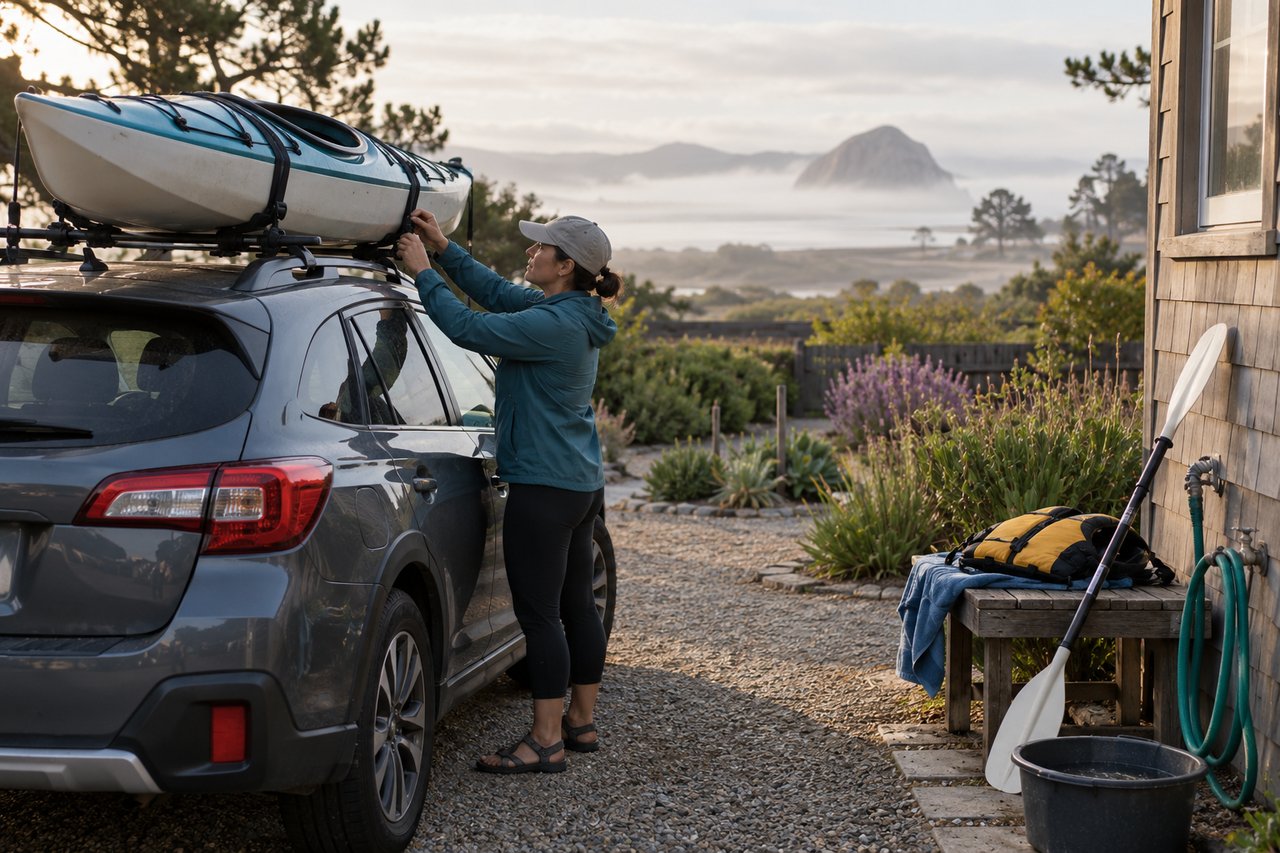
Compare bay access, storage, weather, cleanup and weekday timing before making paddling part of your routine.
You’ve got questions and we can’t wait to answer them.
Amber Johnson, Founder
Pillar Real Estate
805.835.3425
DRE# 01925434
1345 Park Street
Paso Robles, CA 93446