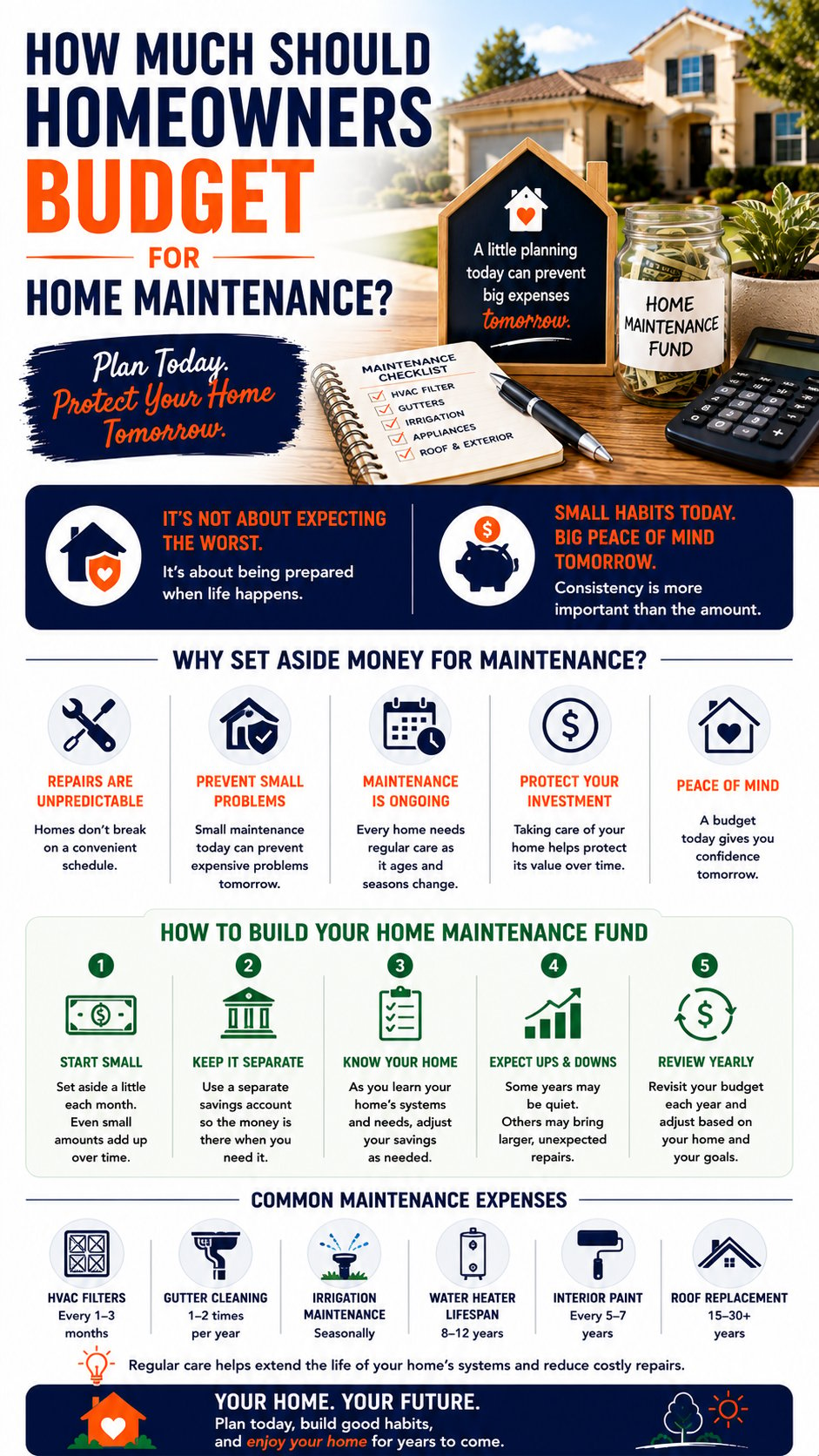
How Much Should Homeowners in Paso Robles, Atascadero, and Templeton Budget for Home Maintenance?
August 4, 2026

August 4, 2026
You finally own a home.
The boxes are unpacked.
You've figured out the irrigation timer.
You even remembered to replace the HVAC filter.
Then a friend says something that catches your attention.
"You should be setting money aside for home maintenance."
Immediately, your mind starts racing.
How much?
A few hundred dollars?
A few thousand?
What if nothing breaks this year?
What if everything breaks?
If you're asking those questions, you're not alone.
They're some of the most common questions I hear from first-time homeowners.
Here's the simple answer.
There isn't one number that's right for every homeowner. The amount you choose to set aside depends on your home, its age, its condition, and your personal financial situation.
The goal isn't predicting every repair.
The goal is making sure an unexpected repair doesn't become an unexpected financial crisis.
Whether you've just bought a newer home in Paso Robles, an established property in Atascadero, or a home with a little more land in Templeton, planning ahead can make homeownership feel much less stressful.
Amber is a real estate agent in Paso Robles, CA helping buyers throughout North County prepare not only for buying a home, but for owning one. One of the best conversations happens after closing when buyers realize that a little planning today can make future repairs much easier to handle.
Owning a home means planning for more than your monthly mortgage. Building a maintenance fund can help you feel prepared for the unexpected.
Your House Doesn't Send You a Schedule
One thing I've learned after working with homeowners throughout San Luis Obispo County is this:
Homes rarely break on a convenient schedule.
The water heater doesn't ask if it's a good month.
The dishwasher doesn't check your calendar.
The fence doesn't wait until after your vacation.
That's why planning ahead is so valuable.
Instead of reacting to every repair, you're preparing for the possibility that one will eventually happen.
The Biggest Misconception
Many first-time homeowners think:
"If my inspection looked good, I probably won't have any repairs for a long time."
A home inspection gives you valuable information about the home's condition at a specific point in time.
It doesn't guarantee that nothing will ever need attention.
Every home changes over time.
Appliances age.
Paint wears.
Weather affects exterior materials.
Landscaping grows.
That's simply part of owning a home.
Think About Maintenance Differently
Instead of asking:
"How much will my house cost me this year?"
Try asking:
"How can I prepare if something needs attention?"
That small shift changes everything.
Rather than feeling surprised by every repair, you're building a financial cushion that helps you respond with confidence.
Every Home Is Different
A newly built home may have different maintenance needs than a home built several decades ago.
A home with a large yard in San Miguel may require different upkeep than a smaller property closer to downtown San Luis Obispo.
A property with mature landscaping in Templeton may have seasonal maintenance that looks very different from a newer subdivision in Paso Robles.
That's why comparing your home to someone else's rarely tells the whole story.
Don't Forget the Small Stuff
Most homeowners think about big repairs.
Roofs.
HVAC systems.
Water heaters.
But many maintenance expenses are much smaller.
Replacing weatherstripping.
Servicing the garage door.
Touch-up paint.
Replacing sprinkler heads.
Cleaning gutters.
Those smaller projects often help prevent larger problems later.
Build the Habit Before You Need It
Saving for maintenance isn't about expecting the worst.
It's about creating a habit.
Even small, consistent contributions to a home maintenance fund can help you feel more prepared over time.
The amount isn't nearly as important as building the routine.
What I'm Seeing Right Now
One thing I've noticed with homeowners in Paso Robles, Templeton, Atascadero, San Miguel, and throughout San Luis Obispo County is that the people who enjoy homeownership the most usually aren't the ones who never have repairs.
They're the ones who expected repairs to be part of the experience.
When something needs attention, they handle it.
Then they move on.
They don't let every unexpected expense become a major source of stress because they planned for the possibility long before it happened.
That's one of the biggest differences between feeling overwhelmed and feeling prepared.
And it's a habit that's worth building from your very first year as a homeowner.
A Real-Life Example
I remember talking with a buyer a few months after they purchased a home in San Miguel.
Everything had been going great.
They loved the house.
They were settling into the neighborhood.
Then one afternoon the water heater stopped working.
They called a plumber, got it fixed, and afterward they said something that really stuck with me.
"The repair wasn't the stressful part. Paying for it unexpectedly was."
A few weeks later, they started setting aside a little money each month specifically for home maintenance.
Not because they expected something to break every month.
Because they realized every home eventually needs attention.
Fast forward a year.
A sprinkler valve needed to be replaced.
They had the money ready.
No panic.
No scrambling.
Just another part of owning a home.
That's exactly what a maintenance fund is for.
It's not about expecting problems.
It's about giving yourself options when life happens.
The Biggest Mistake
The biggest mistake new homeowners make is assuming that if nothing has broken yet, they don't need to plan for maintenance.
Homes don't usually send you a warning six months in advance.
One year may be incredibly quiet.
The next year might bring a few unexpected repairs.
That's why consistency matters more than the amount.
Building the habit of saving a little over time is often more valuable than trying to come up with a large amount after something breaks.
What This Process Should Feel Like
Budgeting for home maintenance shouldn't feel like you're waiting for bad news.
It should feel like putting a spare tire in your car.
You hope you never need it.
But you're glad it's there if you do.
Owning a home comes with responsibilities, but it also comes with peace of mind when you're prepared.
The goal isn't to predict the future.
It's to avoid turning an unexpected repair into a financial emergency.
How This Connects to the Bigger Picture
In the last article, we talked about the simple maintenance habits that help protect your home.
This article focuses on another important part of homeownership.
Planning financially for those maintenance needs before they happen.
Taking care of your home isn't just about replacing filters and checking irrigation.
It's also about preparing for the unexpected.
Related: What Home Maintenance Should Every New Homeowner in San Luis Obispo County Know?
Planning for home maintenance doesn't mean expecting something to go wrong. It means giving yourself peace of mind when something eventually needs attention.
Steps: How to Build a Home Maintenance Budget
Step 1: Start Before You Need It
Don't wait until your first repair.
Even setting aside a small amount on a regular basis can help you build the habit of planning ahead.
Step 2: Keep Your Maintenance Savings Separate
Many homeowners find it helpful to keep home maintenance money separate from everyday spending.
That way it's available when you need it instead of getting absorbed into your monthly budget.
Step 3: Pay Attention to Your Home
As you live in the house, you'll start noticing recurring maintenance needs.
If you own a home in Templeton with mature landscaping, you may budget differently than someone in a newer Paso Robles neighborhood with a smaller yard.
Every property is unique.
Step 4: Expect Some Years to Be Quieter Than Others
One year you may only replace an HVAC filter and a few sprinkler heads.
Another year you may need a new appliance or an unexpected repair.
That's normal.
Homeownership isn't perfectly predictable.
Step 5: Review Your Budget Once a Year
As your home gets older and your needs change, revisit your maintenance savings plan.
Adjust it if necessary so it continues to fit both your home and your overall financial goals.
So... How Much Should You Budget for Home Maintenance?
There's no magic number that works for every homeowner.
Your home is different.
Your budget is different.
Your priorities are different.
Instead of trying to find the perfect amount, focus on building the habit.
Saving consistently, paying attention to your home's condition, and addressing small issues early can make homeownership feel much less overwhelming.
Your Budget Is There to Give You Confidence
One of the best feelings as a homeowner isn't having a perfect house.
It's knowing that if something unexpected happens, you're better prepared to handle it.
That's what a maintenance budget really provides.
Not certainty.
Confidence.
Confidence that you have a plan.
Confidence that a repair doesn't have to derail your finances.
Confidence that you're thinking ahead instead of reacting.
Over time, that's one of the biggest gifts you can give yourself as a homeowner.
The Real Question to Ask
Instead of asking:
"How much should I save?"
Ask:
"Am I building a habit that helps me feel prepared when my home eventually needs attention?"
That's the mindset that helps homeowners succeed over the long term.
Next Steps
If you've recently purchased a home in Paso Robles, Templeton, Atascadero, San Miguel, or anywhere in San Luis Obispo County, don't worry about finding the perfect maintenance budget overnight.
Start with a plan that fits your finances.
Build the habit.
Adjust as you learn more about your home.
The goal isn't perfection.
It's preparation.
In the next article, we'll answer another question almost every new homeowner eventually asks:
What Home Improvements Should I Do First... and Which Ones Can Wait?
Amber Johnson, Founder
Pillar Real Estate
805.835.3425
[email protected]
1345 Park St. Paso Robles, CA 93446
DRE# 01925434
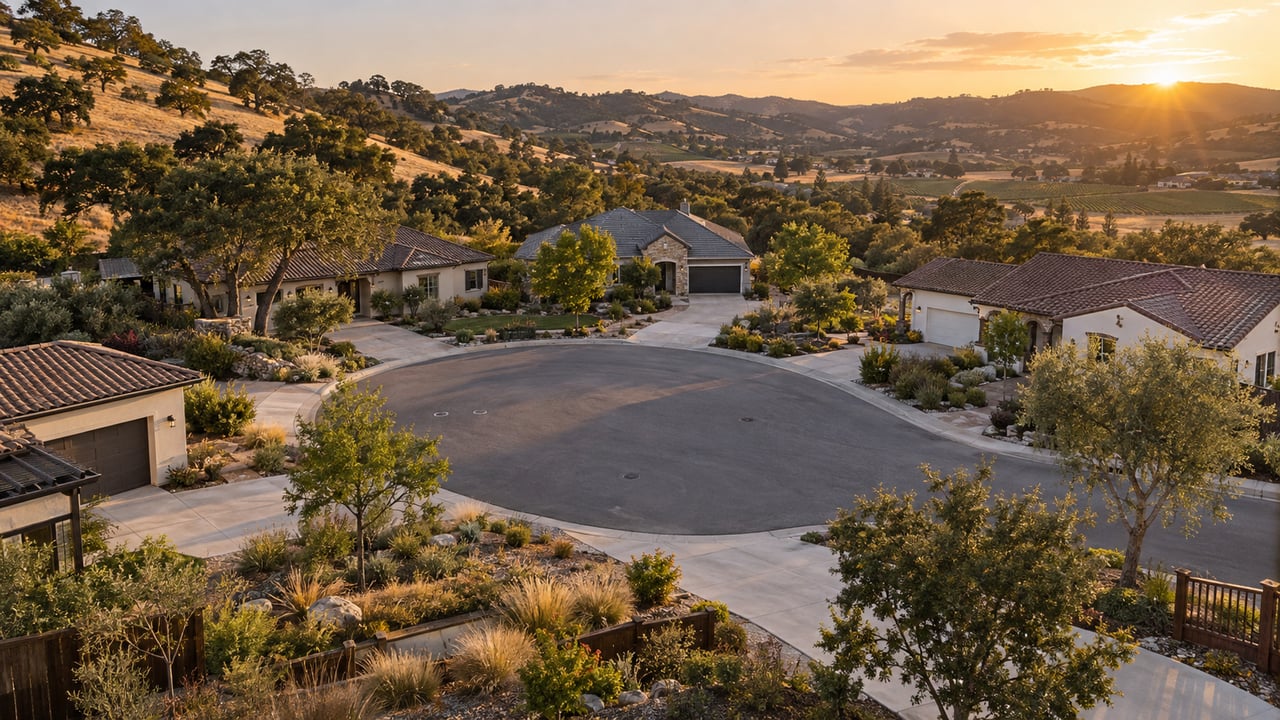
Amber Johnson | September 21, 2026
How traffic patterns, privacy, parking, lot shape, and buyer preferences can influence marketing and value.

Amber Johnson | September 21, 2026
The price, credits, repairs, timing, and other terms Paso Robles sellers may need to evaluate this season.
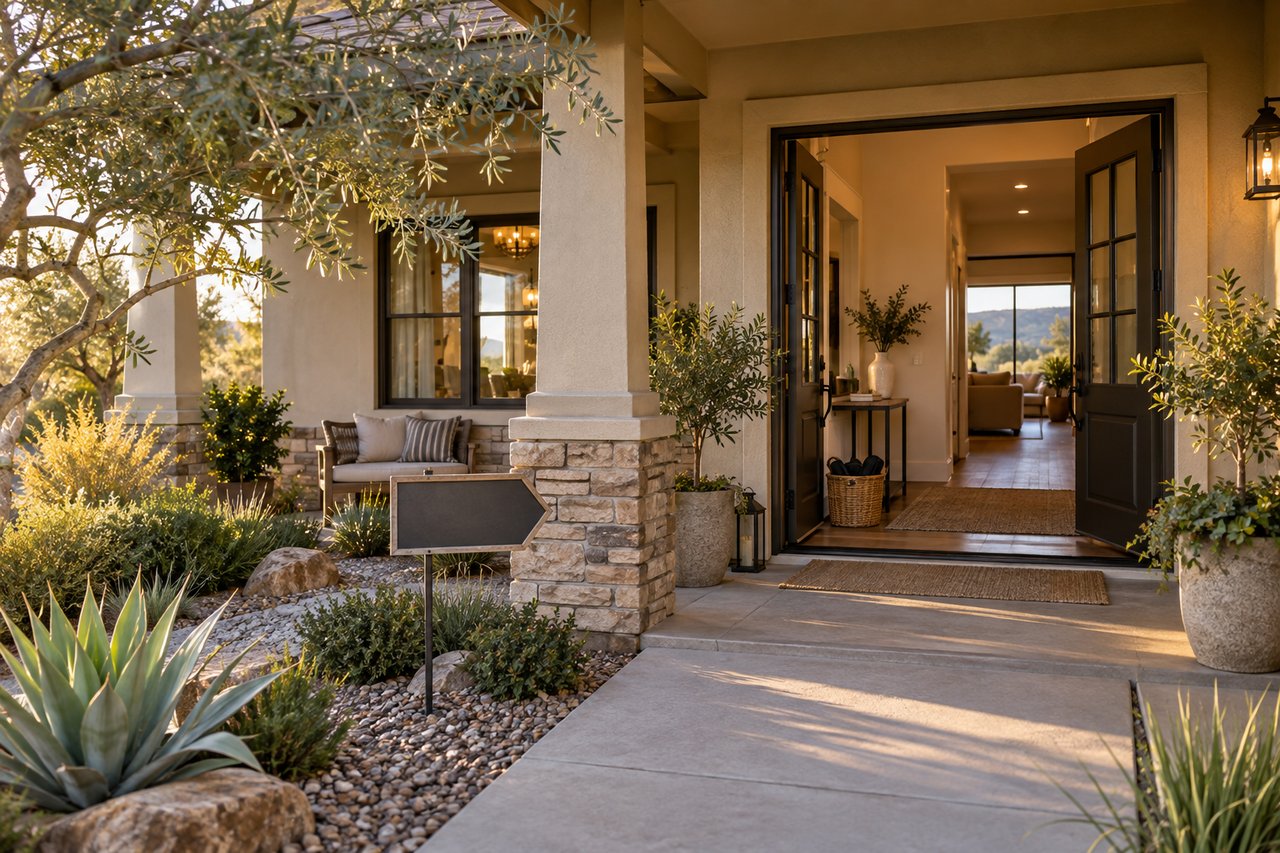
Amber Johnson | September 21, 2026
When an open house can support a launch, when private showings may matter more, and how to judge the results.
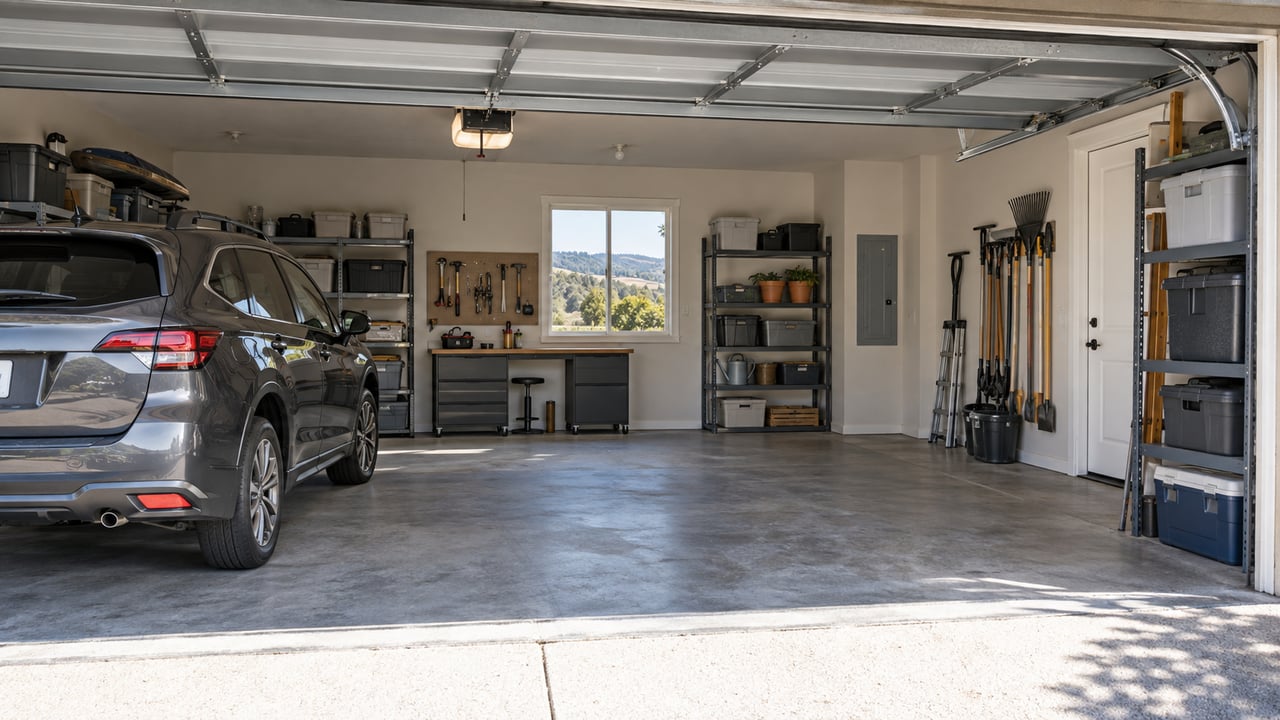
Amber Johnson | September 20, 2026
How garage organization, storage, access, and visible maintenance can influence a buyer’s overall impression.
Amber Johnson | September 20, 2026
Why seller absence usually gives buyers more freedom to look, talk, and form an honest impression.
Amber Johnson | September 20, 2026
The records that help confirm ownership, payoff information, property history, and a smoother listing process.

Amber Johnson | September 18, 2026

Amber Johnson | September 18, 2026

Amber Johnson | September 18, 2026
How wells, septic systems, acreage, access, and the buyer pool shape a rural-property sale.
You’ve got questions and we can’t wait to answer them.

Amber Johnson, Founder
Pillar Real Estate
805.835.3425
DRE# 01925434
1345 Park Street
Paso Robles, CA 93446