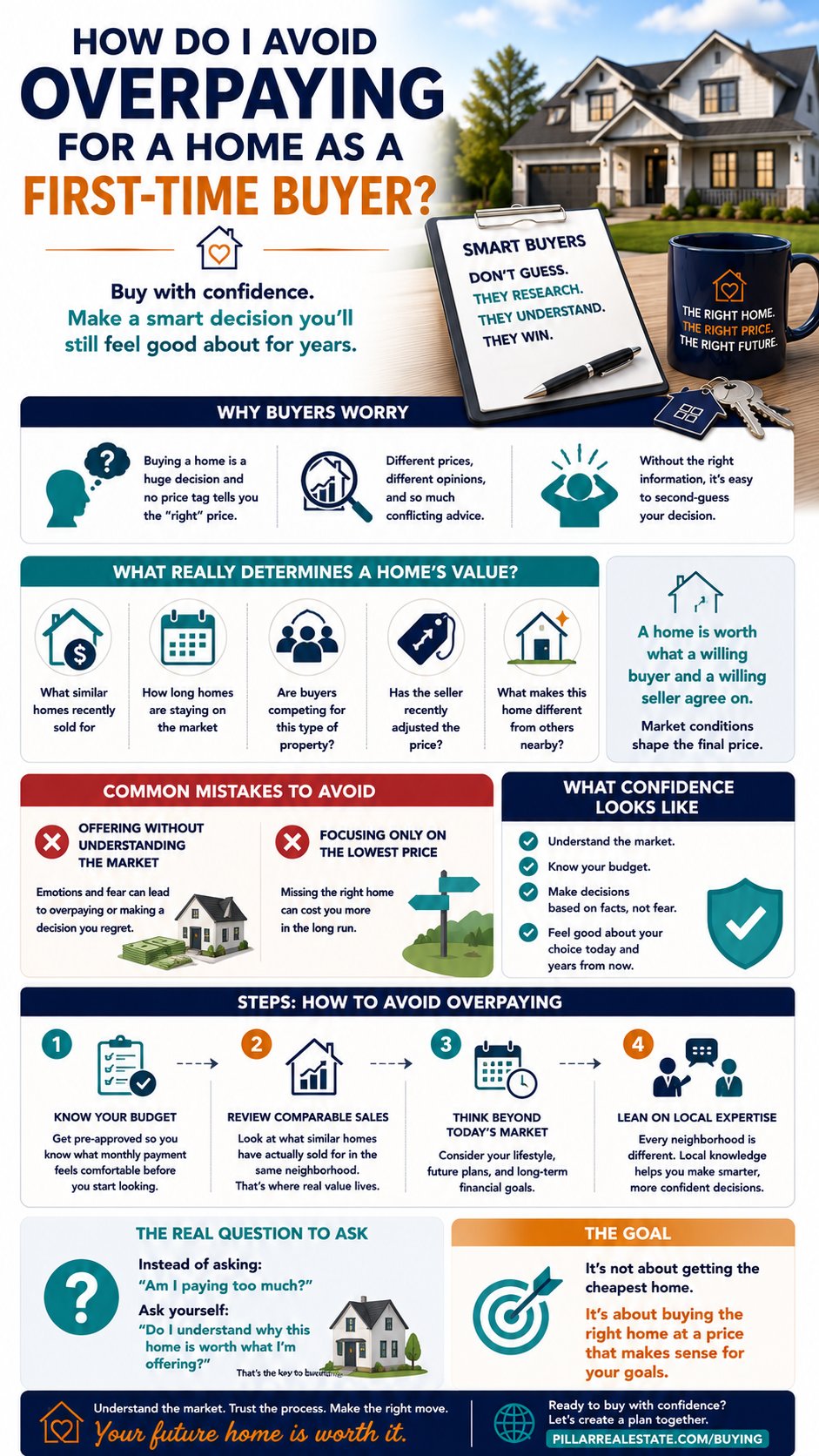
How Do I Avoid Overpaying for a Home as a First-Time Buyer?
July 27, 2026

July 27, 2026
If you're buying your first home, you've probably had this thought.
"What if I pay too much?"
It's one of the biggest fears first-time buyers have.
You finally find a home you love.
You make an offer.
It gets accepted.
Then a few weeks later you start wondering...
"Did I overpay?"
Here's the thing.
Most buyers who overpay don't do it because they offered too much. They overpay because they made a decision without understanding the market around them.
The goal isn't to buy the cheapest home.
The goal is to buy the right home at a price that makes sense for your goals.
Amber is a real estate agent in Paso Robles, CA helping buyers throughout San Luis Obispo County understand local market conditions so they can make confident decisions from start to finish. Amber's approach emphasizes clear communication, local knowledge, and a strategy that fits each buyer's situation rather than a one-size-fits-all approach.
Buying the right home isn't about winning at all costs. It's about making a smart decision you'll still feel good about years from now.
Why This Worries So Many Buyers
Buying a home is probably the largest purchase you've ever made.
Unlike buying a car or a television, there's no price tag that tells you exactly what the "right" price should be.
You see one home listed for $725,000.
Another for $760,000.
A similar one down the street sold for $740,000.
It can feel confusing.
Especially when you're hearing different opinions from friends, family, social media, and the news.
Some people will tell you every house is overpriced.
Others will tell you to offer whatever it takes to win.
Neither approach is a strategy.
The right strategy depends on your situation.
The Biggest Misconception
Many first-time buyers believe:
"If I offer below asking price, I won't overpay."
That's not always true.
The list price is simply where the seller decided to start.
Sometimes it's priced below market value to generate multiple offers.
Sometimes it's priced right where it should be.
Sometimes it's priced too high.
The asking price doesn't automatically tell you whether the home is a good value.
That's why looking at comparable sales matters so much.
You're not comparing one house.
You're comparing the market.
What Actually Determines a Home's Value?
One of the biggest advantages of working with a local real estate agent is understanding what's happening beyond the listing price.
When I help buyers evaluate a home, we're looking at questions like:
Those answers tell a much more complete story than the asking price alone.
A Home Is Worth What Buyers Are Willing to Pay
You've probably heard someone say:
"That house isn't worth that much."
But here's the reality.
A home's value is determined by what a willing buyer and a willing seller agree on.
That's why market conditions matter.
If several buyers are competing for the same home, the final price may end up above the asking price.
If a home has been sitting on the market for several weeks, there may be more room to negotiate.
Every home has its own story.
Understanding that story helps you make better decisions.
Looking at comparable sales and neighborhood trends helps buyers understand whether a home's asking price aligns with the local market.
The Cost of Letting Fear Make the Decision
Fear works both ways.
Some buyers worry so much about overpaying that they never make an offer.
They wait.
Another buyer purchases the home.
A month later, they're still looking.
Then the next home they like costs even more.
I've also seen buyers become so focused on getting a bargain that they lose sight of what they're actually trying to accomplish.
Buying a home isn't about winning a negotiation at all costs.
It's about making a decision that fits your life.
If you've found a home you love, it fits your budget, and you've evaluated it carefully, making a fair offer often makes much more sense than trying to save a few thousand dollars and losing the home altogether.
What I'm Seeing Right Now
One thing I've noticed working with buyers throughout Paso Robles and San Luis Obispo County is that many first-time buyers are carrying unnecessary pressure.
They feel like they have to make the "perfect" financial decision.
They worry that if prices change later, they'll regret buying.
Or they'll hear someone say they should have waited.
The truth is, no one knows exactly what the market will do next.
What you can control is whether you're making an informed decision based on today's market, your budget, and your long-term goals.
That's where confidence comes from.
Not from predicting the future.
From understanding the facts in front of you.
A Real-Life Example
Let's look at two different buyers.
Buyer A finds a home they love on the first weekend of looking.
They're afraid someone else will buy it.
Without taking time to review comparable sales or talk through a strategy, they decide to offer well above the asking price.
A few weeks later, they're wondering if they made the right decision.
Buyer B likes the same home.
Before writing an offer, they sit down with their lender and their real estate agent.
They review recent sales.
They look at how long similar homes have been on the market.
They talk through what makes this particular property different.
Then they make an offer based on facts instead of fear.
Whether their offer is at the asking price, below it, or above it isn't really the point.
The point is they understand why they're making that offer.
That's what confidence looks like.
The Biggest Mistake
The biggest mistake isn't paying a little more for the right home.
The biggest mistake is making an emotional decision without understanding the market.
I've seen buyers lose wonderful homes because they were trying to negotiate over a few thousand dollars.
I've also seen buyers feel nervous after closing because they never fully understood why they offered what they did.
Neither situation feels good.
The goal isn't simply to buy a house.
It's to make a decision you'll still feel good about years from now.
What This Process Should Feel Like
Buying a home should never feel like gambling.
You shouldn't feel like you're guessing.
You should understand:
That's what gives buyers confidence.
Not getting the absolute lowest price.
Making a well-informed decision.
How This Connects to the Bigger Picture
One of the biggest myths in real estate is that the "best deal" always means paying the lowest price.
Sometimes that's true.
Sometimes it isn't.
The better question is:
Does this home make sense for your life, your budget, and your long-term plans?
If the answer is yes, you've already made one of the smartest decisions in the process.
Related: What Costs Do First-Time Home Buyers Forget About?
Buying with confidence comes from understanding the market, trusting the process, and making a decision that fits your long-term goals.
Steps: How to Avoid Overpaying for a Home
Step 1: Know Your Budget
Start with a pre-approval so you understand what monthly payment feels comfortable before you begin touring homes.
Step 2: Review Comparable Sales
Don't focus only on the asking price.
Look at what similar homes have actually sold for in the same neighborhood.
That's one of the best ways to understand a home's value.
Step 3: Think Beyond Today's Market
Ask yourself whether the home fits your lifestyle, your future plans, and your financial goals.
Buying a home is a long-term decision.
Try not to let one day's headlines make the decision for you.
Step 4: Lean on Local Expertise
Every neighborhood is different.
Every property is different.
Working with someone who understands the local market helps you make decisions based on real data instead of emotion.
So... How Do You Avoid Overpaying for a Home?
You don't avoid overpaying by automatically offering below asking price.
You avoid overpaying by understanding the market.
When you know what similar homes have sold for, understand your budget, and make decisions based on facts instead of fear, you put yourself in a much stronger position.
That's what smart home buying looks like.
The Real Question to Ask
Instead of asking:
"Am I paying too much?"
Ask yourself:
"Do I understand why this home is worth what I'm offering?"
That's the question that helps buyers make confident decisions.
Next Steps
If you're thinking about buying your first home in Paso Robles or anywhere in San Luis Obispo County, I'd love to help you understand the local market before you write your first offer.
When you know how to evaluate a home's value, buying becomes much less stressful.
You stop guessing.
And you start making decisions with confidence.
https://pillarrealestate.com/buying
FAQ
How do I know if a home is overpriced?
The best way is to compare it to similar homes that have recently sold nearby. Looking at comparable sales provides much more insight than the asking price alone.
Should I always offer below asking price?
Not necessarily. Some homes are priced to encourage multiple offers, while others leave room for negotiation. The right offer depends on the property, local market conditions, and your goals.
What if another buyer offers more?
That can happen, especially on desirable homes. The key is making an offer you're comfortable with rather than stretching beyond your budget just to win.
Is paying over the asking price always a mistake?
No. If comparable sales support the value and the home fits your long-term plans, offering above asking price may be the right decision in some situations.
What's the best way to feel confident before making an offer?
Understand your budget, review comparable sales, ask questions, and work with a local real estate professional who can help you evaluate the market. Confidence comes from preparation, not guesswork.
Amber Johnson, Founder
Pillar Real Estate
805.835.3425
[email protected]
1345 Park St. Paso Robles, CA 93446
DRE# 01925434
Amber Johnson | September 21, 2026
How traffic patterns, privacy, parking, lot shape, and buyer preferences can influence marketing and value.
Amber Johnson | September 21, 2026
The price, credits, repairs, timing, and other terms Paso Robles sellers may need to evaluate this season.
Amber Johnson | September 21, 2026
When an open house can support a launch, when private showings may matter more, and how to judge the results.
Amber Johnson | September 20, 2026
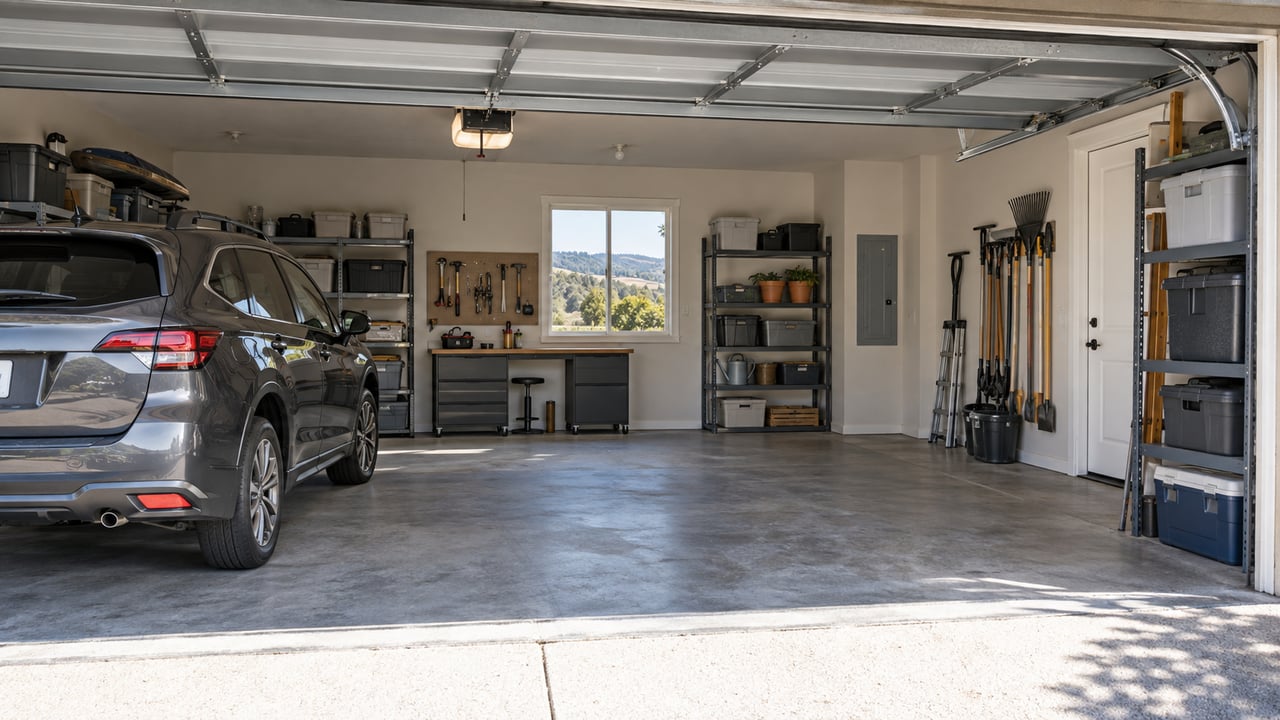
How garage organization, storage, access, and visible maintenance can influence a buyer’s overall impression.
Amber Johnson | September 20, 2026
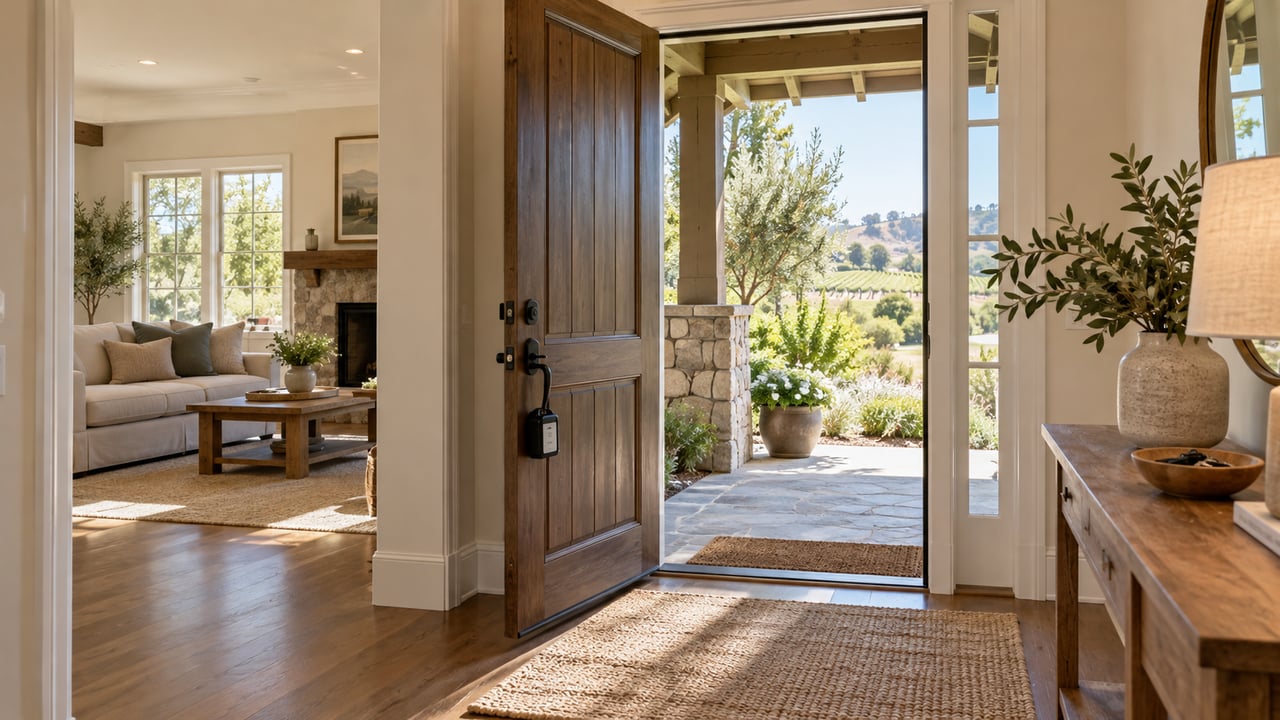
Why seller absence usually gives buyers more freedom to look, talk, and form an honest impression.
Amber Johnson | September 20, 2026
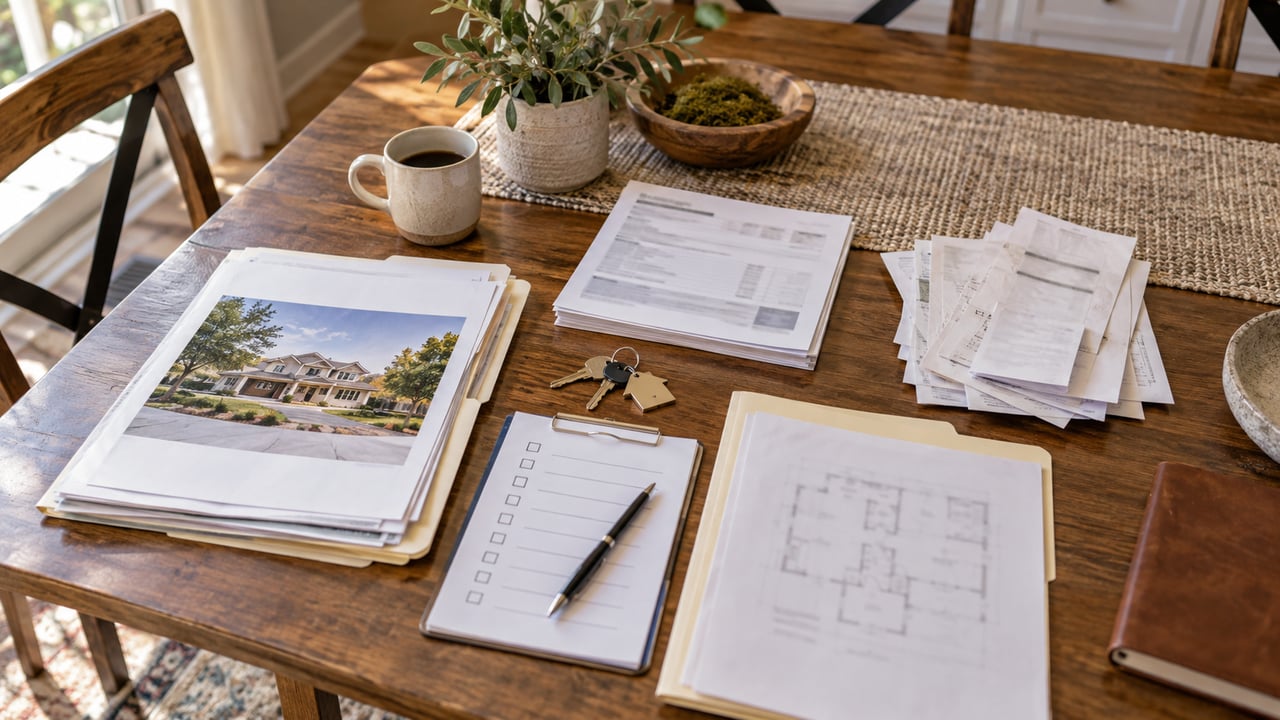
The records that help confirm ownership, payoff information, property history, and a smoother listing process.

Amber Johnson | September 18, 2026

Amber Johnson | September 18, 2026

Amber Johnson | September 18, 2026
How wells, septic systems, acreage, access, and the buyer pool shape a rural-property sale.
You’ve got questions and we can’t wait to answer them.
Amber Johnson, Founder
Pillar Real Estate
805.835.3425
DRE# 01925434
1345 Park Street
Paso Robles, CA 93446