Can I Live in Morro Bay Comfortably with Only One Car?
November 5, 2026
November 5, 2026
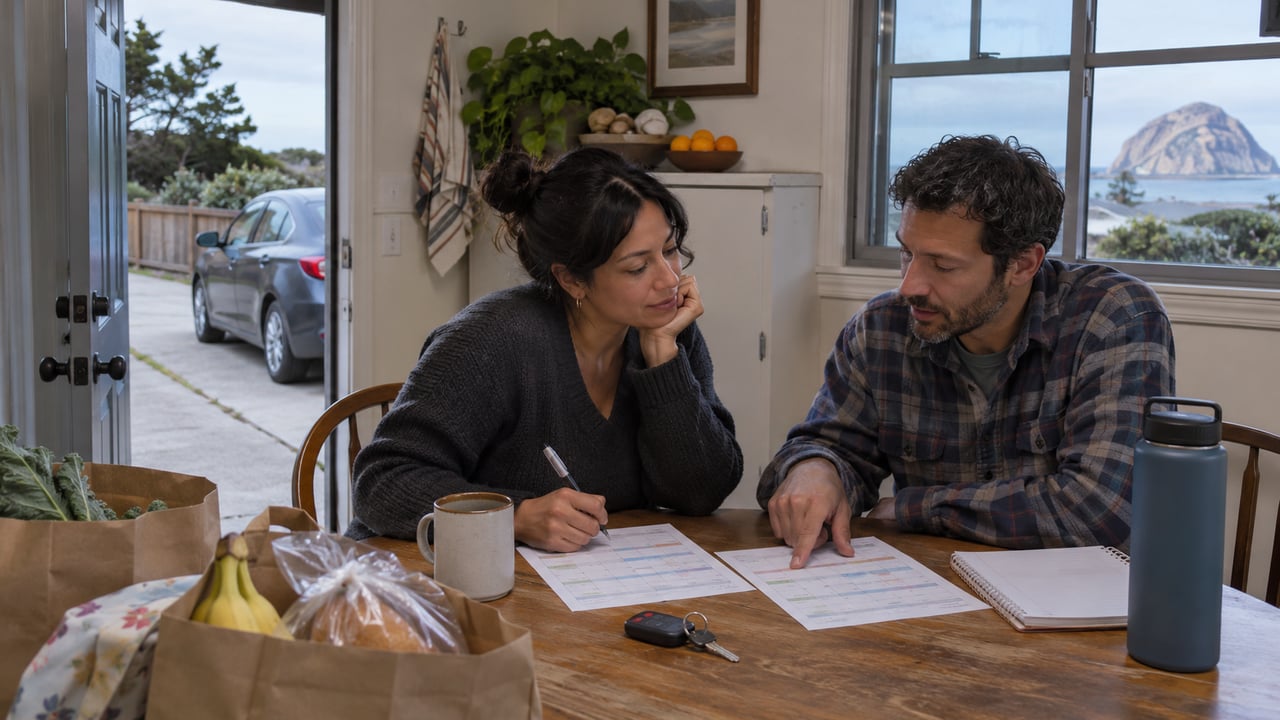
Yes, some households can live comfortably in Morro Bay with one shared car, but the answer depends much more on the location of a specific home and your weekly routine than on the city name alone. A couple who works from home, lives near the places they use most, and can coordinate appointments may find one car practical. A household with two separate commutes, frequent medical visits, school transportation, or activities in different parts of San Luis Obispo County may find the arrangement stressful.
The best way to decide is to test the idea against real addresses, real schedules, and the errands you repeat every week. Do not assume that a coastal town automatically supports a car-light routine. Morro Bay has areas where daily destinations may feel close together and other homes where the distance, terrain, street design, or personal mobility needs make driving more important.
As a local real estate broker serving Morro Bay and the rest of San Luis Obispo County, I help relocating households look beyond the view and ask how a home will support ordinary life. If you are considering a one-car household, these are the questions I would work through before choosing a property.
Write down a normal week for everyone who will depend on the shared car. Include work, school, medical appointments, groceries, childcare, fitness, social plans, and any regular trips outside Morro Bay. Note the days and times when two people need transportation at once.
This exercise usually shows whether the issue is occasional or built into the schedule. If one person works from home most days and the other has a predictable commute, sharing may be manageable. If both people leave early, return at different times, or travel to different cities, the arrangement may require frequent coordination.
Do not build the plan around an unusually quiet week. Use the schedule you actually live. Include seasonal work changes, after-school activities, weekend obligations, and the appointments that do not happen every day but still matter. A one-car plan should work on a busy Tuesday, not only on a relaxed Saturday.
A home’s location within Morro Bay can change the answer. When you find a property you like, map the routes to your most common destinations. Check grocery trips, work locations, schools, healthcare, recreation, and the people you visit regularly. Measure the route from that specific address rather than relying on a listing description that calls the property “close to everything.”
Walkability is personal. A route that feels easy to an active adult may not work for a young child, an older relative, someone carrying groceries, or a person with limited mobility. Hills, crossings, lighting, weather, and the amount you need to carry can affect whether a short distance is useful in practice.
If being able to walk for some errands is a key part of the plan, read my guide on moving to Morro Bay for a walkable coastal routine. Then test the routes yourself at the times you would actually use them.
List the trips that must happen on time. A work shift, school pickup, medical appointment, or airport connection is different from a flexible coffee stop. One car may work well when most essential trips line up and optional errands can move around them.
Next, look for trips that can be combined. Groceries might fit after work. Two appointments may be scheduled on the same day. One person may walk to a nearby errand while the other uses the car. These adjustments can make sharing easier, but they should feel reasonable for your household. If every week requires a complicated handoff, the plan may become tiring.
Also decide who gets priority when plans conflict. This is a practical household question, not a real estate question, but it affects the home you choose. A property that reduces one person’s essential trips may make the entire arrangement more comfortable.
Before relying on public transportation, rideshare services, taxis, bicycles, or help from friends, verify that the option serves the exact route and time you need. Service areas, schedules, availability, and fares can change. Check current information directly with the provider and test the trip when possible.
A backup option is most useful when it is available during the hours you are likely to need it. A service that works during the middle of the day may not solve an early work shift or a late appointment. The same applies to cycling or walking. The route needs to match your comfort level, daylight needs, weather tolerance, and ability to carry what you need.
Do not count a transportation option twice. If both adults may need the same backup service at the same time, the plan should account for that. A realistic test gives you better information than a general statement that alternatives exist.
Many households choose Morro Bay because they enjoy spending time near home. Even so, work, family, healthcare, shopping, and activities may take you to San Luis Obispo, North County, South County, or farther away. The frequency and timing of those trips can determine whether one car feels comfortable.
Review a full month of past trips if you can. How often did two people need to travel in different directions? How many trips were fixed, and how many could have moved? How often did an unexpected obligation appear? Past behavior is often a better guide than the routine you hope to have after moving.
For a broader look at the area and its daily tradeoffs, my article on what it is like living in Morro Bay can help you frame the questions to ask while comparing homes.
A walking or cycling plan may feel easy when the weather is calm and you are carrying only a phone. The same trip can feel different with groceries, work equipment, a child, or a pet. Coastal wind, cool mornings, rain, and reduced daylight can affect how often you want to make the trip without a car.
When touring a home, picture the return trip. Is there a practical place to set down bags? Can wet gear dry without taking over the living room? Is there secure storage for a bicycle or stroller? Does the entry make daily loading and unloading simple? These details sound small, but repeated inconvenience can decide whether the arrangement lasts.
The right property can make one-car living easier. Prioritize the features that reduce transportation friction for your household. That may include proximity to a frequent destination, safe storage for bikes, a practical entry, a home office, room for deliveries, or a layout that supports two people working from home.
Parking still matters even when you own only one car. Confirm where the vehicle can be parked, how easy it is to load, and whether any property rules apply. If the home is part of a homeowners association, review the current documents rather than assuming how parking, guests, bicycles, or storage are handled.
Do not pay for a location feature you will not use. A home may be near restaurants or the waterfront, but that does not solve a commute in another city. Rank the destinations that support your actual life, then compare each home against that list.
One-car living is more comfortable when the backup plan is clear before you need it. Decide what happens if the car is being repaired, one person has an urgent appointment, or two fixed commitments overlap. The answer could involve a verified service, a rental, a bicycle, help from a trusted person, or adjusting a work schedule.
Estimate how often you might use the backup and what it would cost in time and expense. A household may decide that occasional alternatives are easier than maintaining a second vehicle. Another household may find that the conflicts are too frequent. Either answer is reasonable. The goal is to make the choice with open eyes.
If you have already considered this question in another community, compare the same routine rather than comparing city labels. My article on living in Nipomo comfortably with one car uses the same address-and-schedule approach and can help you keep the comparison consistent.
If possible, spend time near the home on a weekday and a weekend. Drive the essential routes. Walk the trips you expect to make without the car. Check how long the errands take from door to door, including parking, waiting, and carrying items home. Repeat the test during the hours you would normally travel.
You can also try sharing one car where you live now for a short period. Keep notes on conflicts, extra trips, and the times one person felt stuck. Your current area will not match Morro Bay, but the test can reveal habits you overlooked.
When reviewing a property, I recommend creating a simple scorecard. Rate the home for essential-trip access, backup options, walking comfort, bike storage, home-office needs, and the number of weekly car conflicts. Use the same scorecard for every property. This keeps a beautiful view from distracting you from a daily problem.
One car may be a poor fit if two adults have separate fixed commutes, regular obligations in different cities, frequent evening activities, or mobility needs that make walking and cycling impractical. It may also be difficult when a household depends on transportation options that have not been verified for the required times.
That does not mean you should rule out Morro Bay. It may mean choosing a different neighborhood, adjusting the home search, keeping a second vehicle, or revisiting the plan after work schedules change. A good home search should reflect the life you have now while leaving room for the changes you can reasonably expect.
When a buyer tells me that one-car living is a priority, I use it as a property-selection requirement. We identify the household’s essential routes, compare specific addresses, and flag any claim that needs independent verification. I can help you focus the search on homes that support your routine and connect the transportation question with the property’s layout, storage, parking, and work-from-home needs.
The final answer is personal, but it should not be vague. You can live comfortably in Morro Bay with one car when the location, schedules, essential trips, and backup plan work together. If the plan depends on constant favors, unverified services, or perfect timing, the home may not support the routine as well as it first appears.
If you are considering a move to Morro Bay, I can help you compare homes through the lens of your real daily routine. We will look at the property, the location, and the practical details that affect how the home works after closing.
Ready to plan your move? Visit Sell With Amber to start the conversation.
Amber
Amber Johnson
Founder, Pillar Real Estate
805.835.3425
[email protected]
1345 Park St. Paso Robles, CA 93446
DRE# 01925434
Website: https://pillarrealestate.com/

Amber Johnson | November 7, 2026
Compare home styles, street patterns, terrain, access and daily routes before choosing between these San Luis Obispo areas.

Amber Johnson | November 6, 2026
Amber Johnson | November 6, 2026
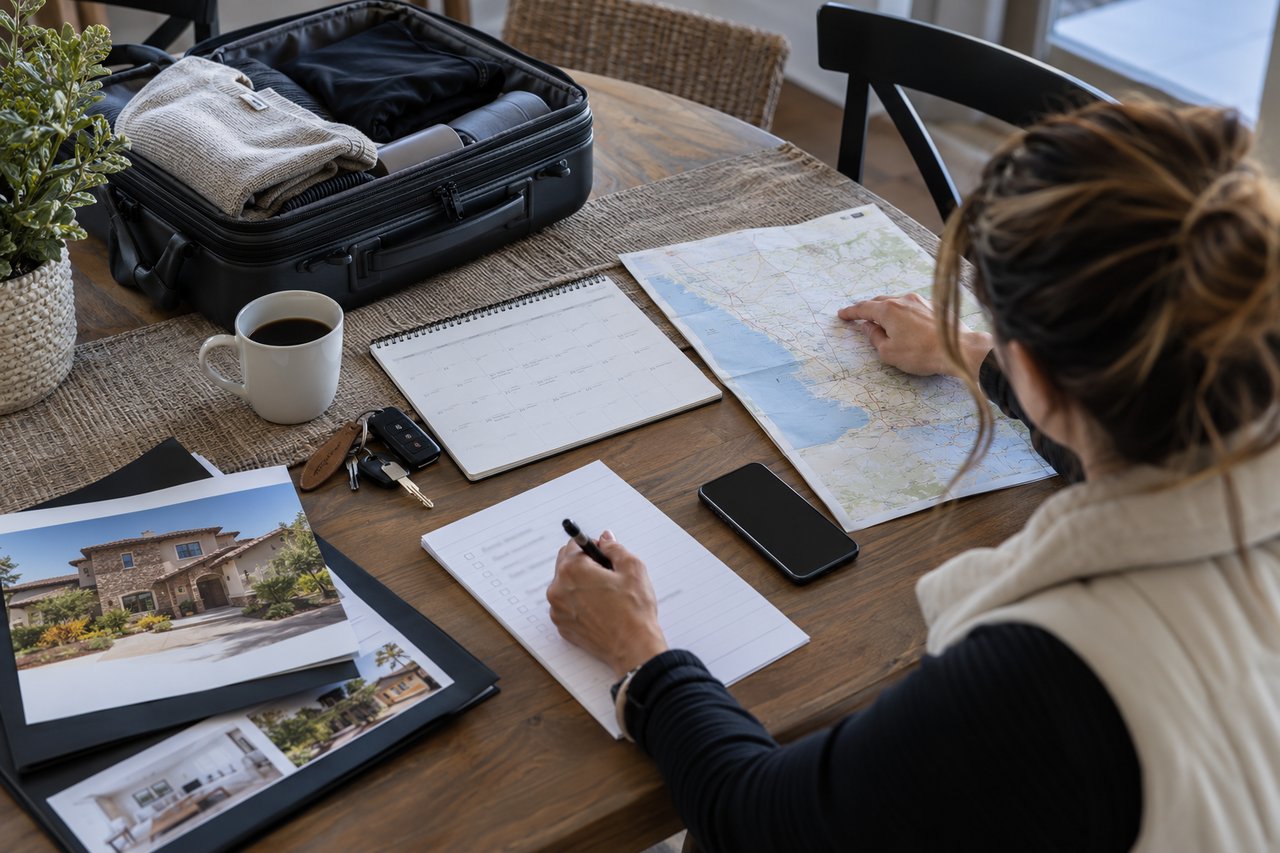
Compare the trip from a specific home, departure routines, backup transportation and time away before choosing Heritage Ranch.
Amber Johnson | November 6, 2026
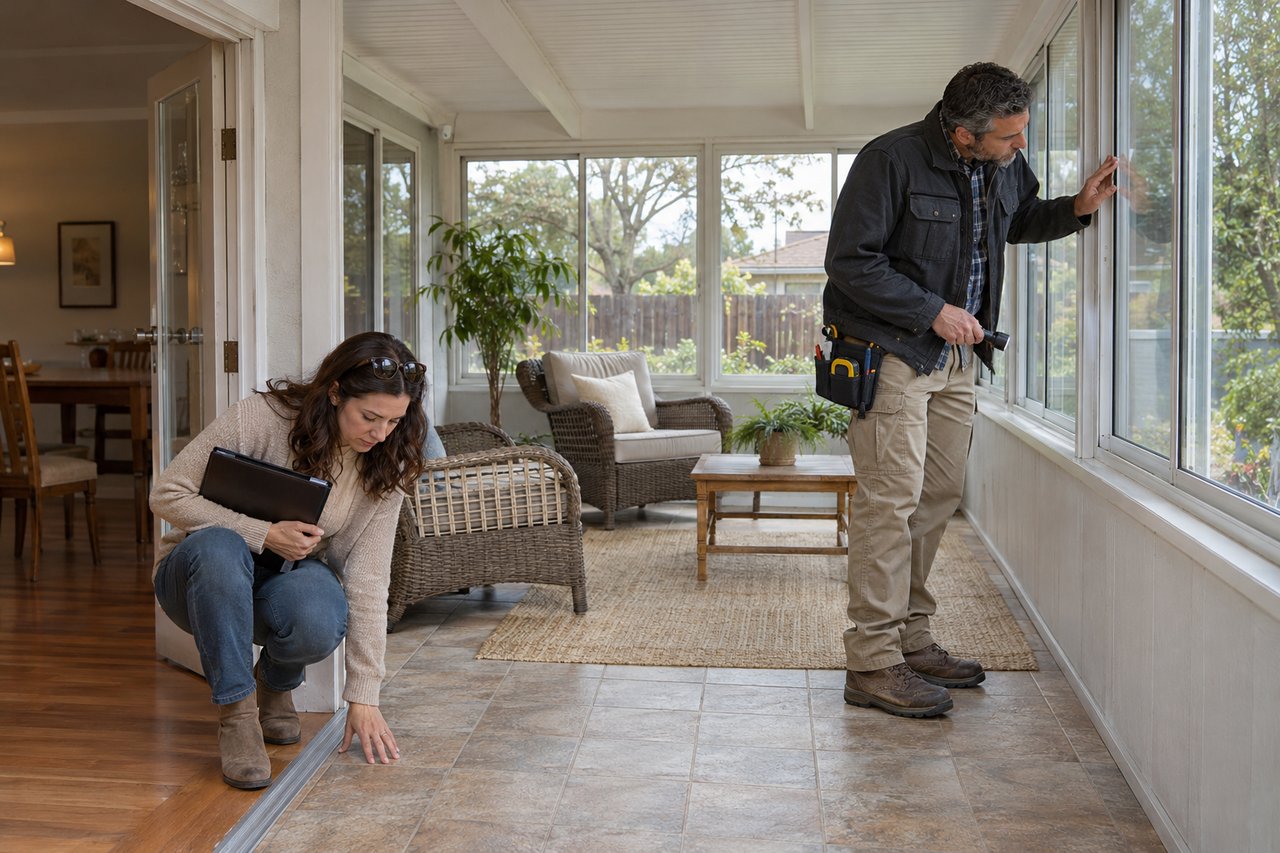
Review the sunroom's condition, records and usable space before treating it as part of the home.
Amber Johnson | November 5, 2026
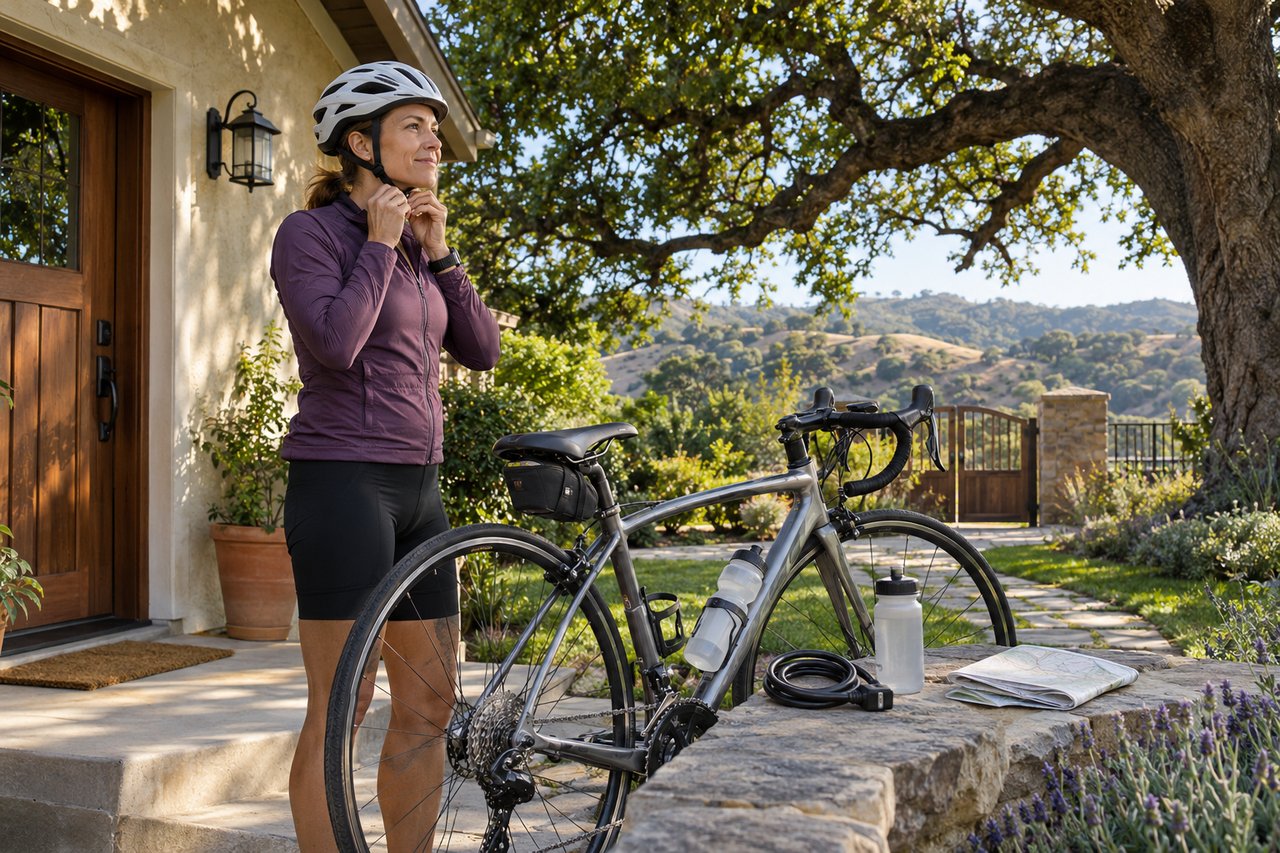
Compare a home's bike storage, nearby routes and the time your riding routine actually needs.
Amber Johnson | November 5, 2026
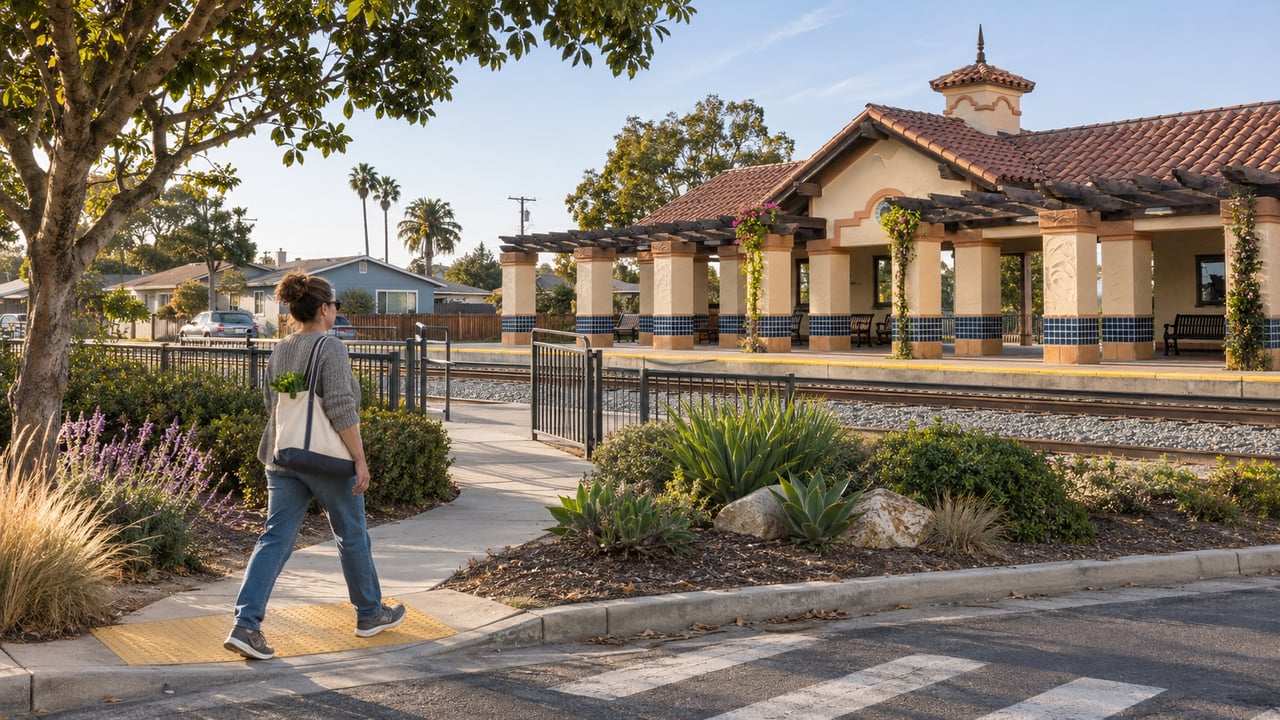
Consider station access, nearby activity and your usual routes from a specific Grover Beach home.
Amber Johnson | November 5, 2026
Test how one shared car fits errands, work, appointments and the location of a specific home.
Amber Johnson | November 5, 2026
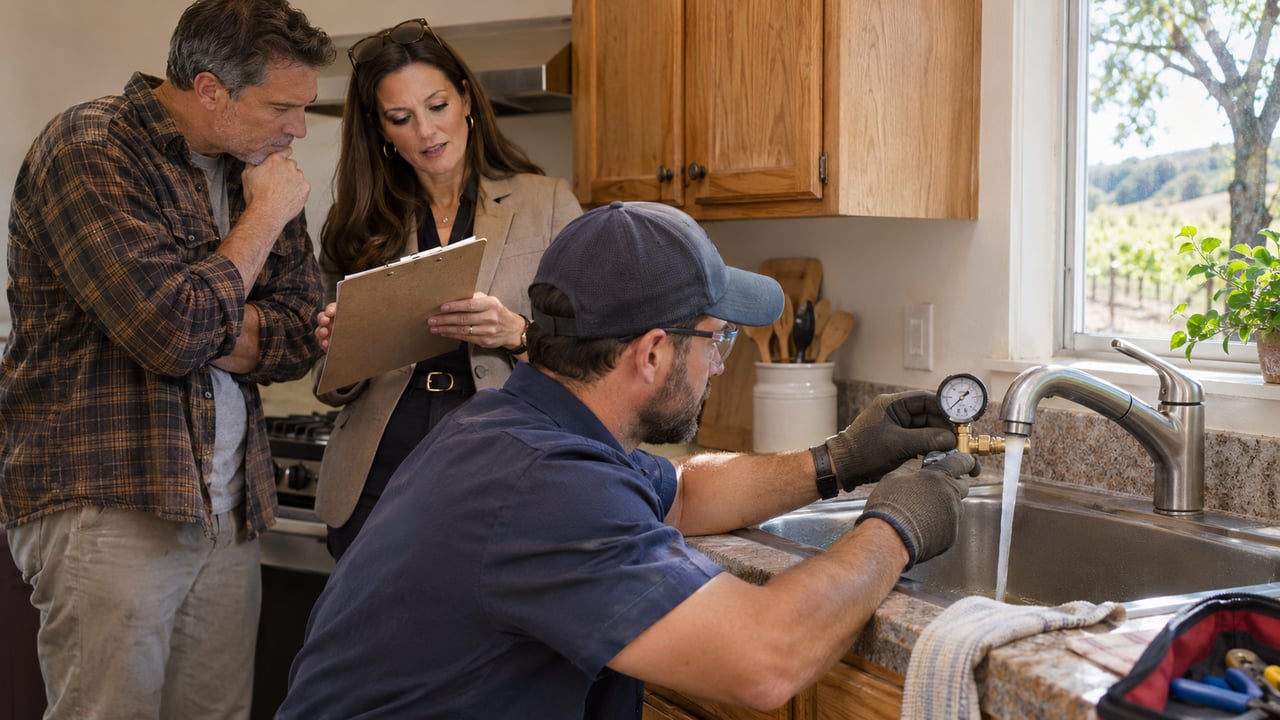
Identify where the pressure issue starts and weigh repairs, disclosure and buyer expectations before listing.
Amber Johnson | November 5, 2026
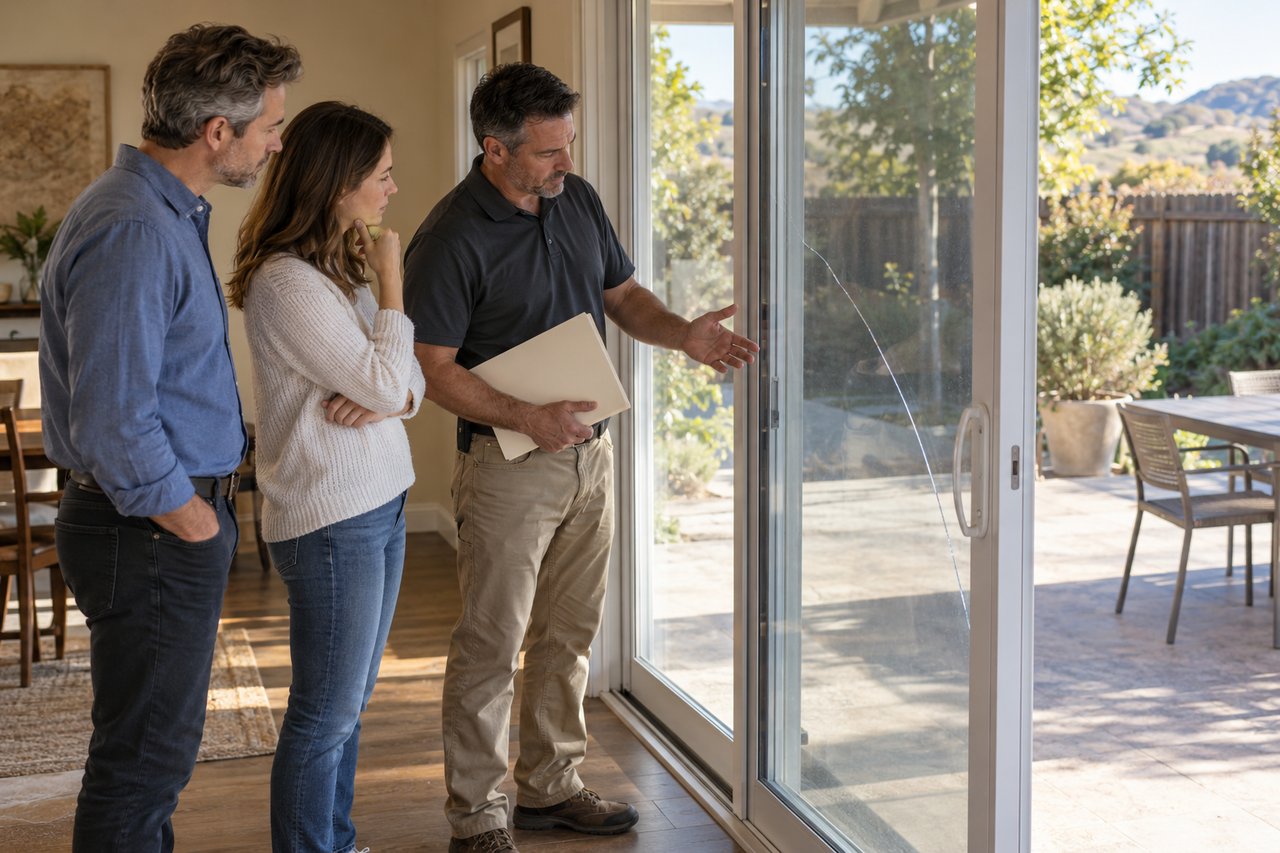
Compare safety, function, repair cost and buyer expectations before deciding whether the door needs repair or replacement.
You’ve got questions and we can’t wait to answer them.

Amber Johnson, Founder
Pillar Real Estate
805.835.3425
DRE# 01925434
1345 Park Street
Paso Robles, CA 93446