Can I Keep an RV at a San Miguel Home?
November 1, 2026
November 1, 2026
You may be able to keep an RV at a San Miguel home, but the answer depends on the exact property and how you plan to use it. An open driveway or a large lot doesn't confirm that your RV can be stored there. You need to check the applicable rules, the vehicle itself, and the route into the space.
Start with those checks before treating RV parking as a reason to buy. A home can look right in photographs and still leave you with an access problem or a restriction that changes your plans.
I'm Amber Johnson, founder of Pillar Real Estate in Paso Robles. I help buyers relocating to San Miguel and other SLO County communities connect their housing search to everyday needs. If keeping your RV at home matters, let's make it a clear search requirement and verify it property by property.
Write down the type of vehicle you own. Is it a motorhome, travel trailer, fifth wheel, or another setup? Include the tow vehicle if one is needed. Different configurations need different kinds of room.
Use the actual dimensions rather than a model name alone. Note overall length, width, height, mirrors, hitch equipment, and anything that extends beyond the body. Check the manufacturer's specifications and confirm measurements where appropriate.
Then describe the routine. Do you want long-term storage between trips, space to load before leaving, or occasional access for cleaning and maintenance? Include how frequently you expect to move it.
That list gives us something concrete to evaluate. It also keeps a home search from becoming a series of guesses about whether a particular driveway looks big enough.
Use the property address and Assessor's Parcel Number to confirm the jurisdiction and land-use category. Ask the responsible planning agency which standards apply to your proposed storage arrangement.
The County of San Luis Obispo's published accessory-storage standards address RV type, land-use category, storage location, and use. Its zoning guide also directs property owners to check planning-area standards and recorded maps. A broad description such as residential or rural doesn't replace that review.
Bring a simple sketch showing the proposed space, the home, driveway, and property boundaries. Include the RV's dimensions and explain what you intend to do with it.
Ask for an answer tied to that parcel and arrangement. A rule someone encountered at another North County home may not settle the question for this one.
Storing your RV at home is a different question from using it as an extra bedroom, guest space, or residence. Don't combine those plans when evaluating a listing.
The County's published guidance distinguishes accessory RV storage from living or sleeping in the vehicle. An allowed storage location does not, by itself, authorize occupancy. If your plan includes overnight use, raise that separately with Planning staff before relying on it.
The same care applies to a vehicle already connected to utilities. A connection, an existing parking pad, or the seller's past practice doesn't establish that your intended use is approved.
For this home search, decide what you actually need. If the requirement is storage between trips, we can focus on verifying that arrangement without assuming the property offers additional living space.
Ask whether the property has an HOA or recorded restrictions relevant to vehicle storage. Request the current documents and review the provisions that apply to RVs, trailers, parking areas, screening, and access.
Don't stop with a listing description saying there is no HOA. Ask your agent and the appropriate professionals what recorded documents should be reviewed for the property. If a provision is unclear, get help interpreting it rather than assuming it won't matter.
Where association approval is needed, find out what the process involves and whether the proposed arrangement has actually been approved. A seller's informal understanding isn't the same as documentation.
Public requirements and private restrictions are separate parts of the decision. You want a storage plan that works under both before you depend on it.
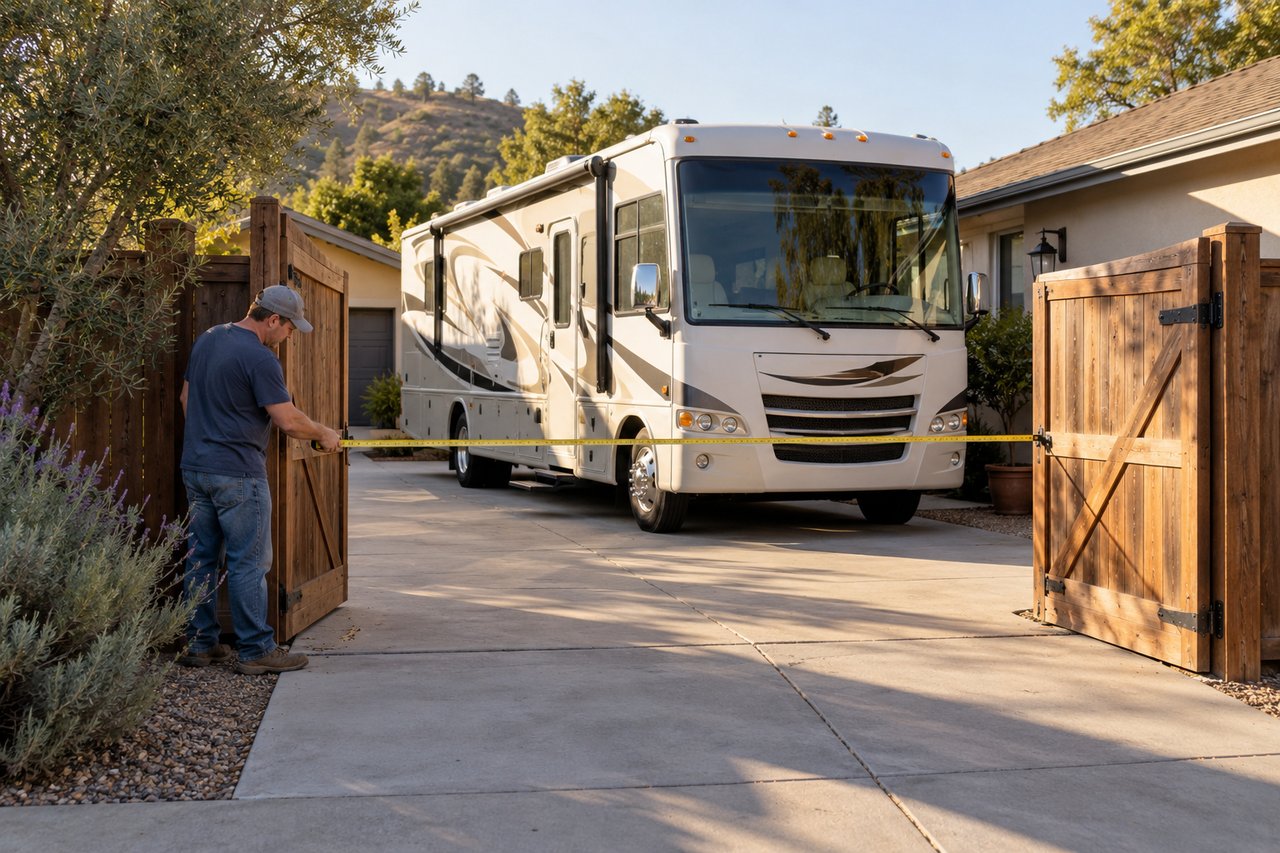
The parking area is only one part of access. Follow the route from the road to the final position, including the driveway entrance, gate, turns, and any narrow section beside the house.
Check usable clearance, not just the distance between fence posts. Open gates, hinges, eaves, trees, and other features may affect the route. Include the space needed for the driver and a spotter to work safely.
Ask an experienced RV operator or other qualified professional to assess a difficult approach. A tape measure helps, but it doesn't prove that a long vehicle can make the turn.
Any demonstration should be arranged with the owner's permission and appropriate precautions. Don't attempt a tight maneuver during a showing simply to see what happens.
Walk the proposed storage area and note changes in grade, surface condition, drainage, and overhead features. Give those observations to someone qualified to evaluate the setup for your vehicle.
Don't assume a paved area can support any RV or that gravel can be changed into a suitable pad without further review. If improvements are proposed, get the scope and any approval requirements checked.
Watch for differences between a photograph and actual usable space. A parked passenger car doesn't provide a reliable test for your motorhome's height, turning needs, or ground clearance.
If the only workable location requires substantial changes, treat those changes as an unresolved part of the purchase decision. Price the appropriate work and confirm feasibility before counting on the result.
Imagine the RV in its final position while the household is using the home normally. Can you still reach the garage, gates, trash area, and regular entrances? Where will the other vehicles park?
Think about departure and return days too. Can you load the RV without blocking essential access? Is there room to connect a trailer and position the tow vehicle? Does the arrangement depend on someone else's land?
Don't count street parking, a neighboring driveway, or a shared access area as part of your solution without verifying the relevant rights and rules. Mark the actual property area clearly.
This is where a practical home search helps. You want a place that accommodates the RV and your ordinary week, rather than a home that becomes difficult to use whenever the vehicle is present.
A larger property may give you more possible locations to investigate, but acreage alone doesn't answer the storage question. The usable area, route, land-use rules, and existing improvements still need review.
An in-town home may have a workable arrangement for a particular vehicle, while a larger property may have an awkward entrance. Avoid deciding from lot size alone.
My article on living in San Miguel's town setting versus rural acreage helps frame the broader daily-life comparison. For your RV, add a specific storage and access checklist to that decision.
If you're considering land as part of the purchase, buying a home with land in San Miguel provides additional context. Keep the RV requirement explicit rather than assuming land automatically solves it.
When a listing advertises RV parking, ask what that description is based on. Is there a designated pad? What vehicle has used it? Are there records for any related improvements or approvals?
Request information rather than a general reassurance. A photograph of the seller's vehicle can help you understand the arrangement, but your own RV may have different dimensions and needs.
If a gate, fence, wall, or driveway would need alteration, identify that early. Ask which professionals should evaluate the work and whether permits or other approvals are required.
Keep the answers with the property file. Written details make it easier to compare homes and identify the items that still need confirmation before you make a commitment.
Separate the purchase price from the proposed RV setup. Ask for appropriate estimates if the plan includes a new surface, a wider entrance, screening, or other changes.
Confirm what each estimate includes and what remains uncertain. A price for a gate doesn't establish that widening the entrance is allowed or that the full route will work afterward.
If off-site storage would be the backup, check actual availability, vehicle limits, access hours, and terms directly with the operator. Don't rely on an assumed nearby option when comparing properties.
You may decide a home is still the right fit with off-site storage. Or keeping the RV at home may remain a requirement. Either answer is useful when it reflects your real routine and confirmed options.
Before touring, give me the vehicle details and your intended storage routine. We can use that information to ask targeted questions and avoid treating every large driveway as a match.
During your evaluation, work through the parcel rules, private restrictions, access, usable space, and any proposed improvements. Keep a short list of what is confirmed and what remains open.
My broader guide to living in San Miguel before moving can help you consider the community alongside the property. Your RV should fit within that larger housing decision, including the home, upkeep, and everyday travel you want.
The answer to whether you can keep an RV at a San Miguel home is property-specific. Verify permission and practical access before relying on either. That gives you a clearer basis for choosing a home that makes sense for your goals.
Planning a move to San Miguel? At Pillar Real Estate, I help relocating buyers ask the right property questions before committing. Visit Sell With Amber to start a conversation about the home and RV setup you're looking for.
Amber
Pillar Real Estate | Amber Johnson, Founder
805.835.3425 | [email protected]
1345 Park St. Paso Robles, CA 93446 | DRE# 01925434
Amber Johnson | November 3, 2026
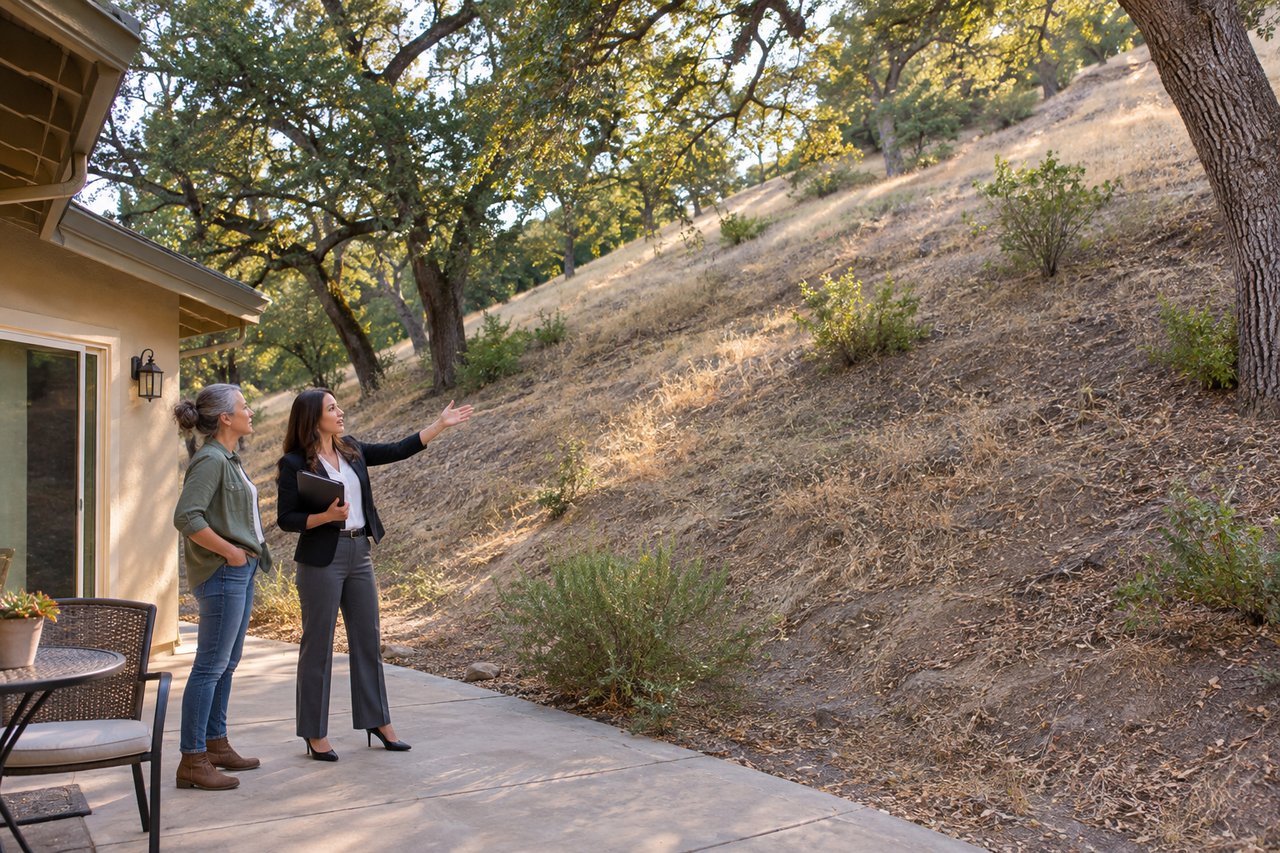
Show how the yard can be used while setting clear expectations about the slope.
Amber Johnson | November 3, 2026
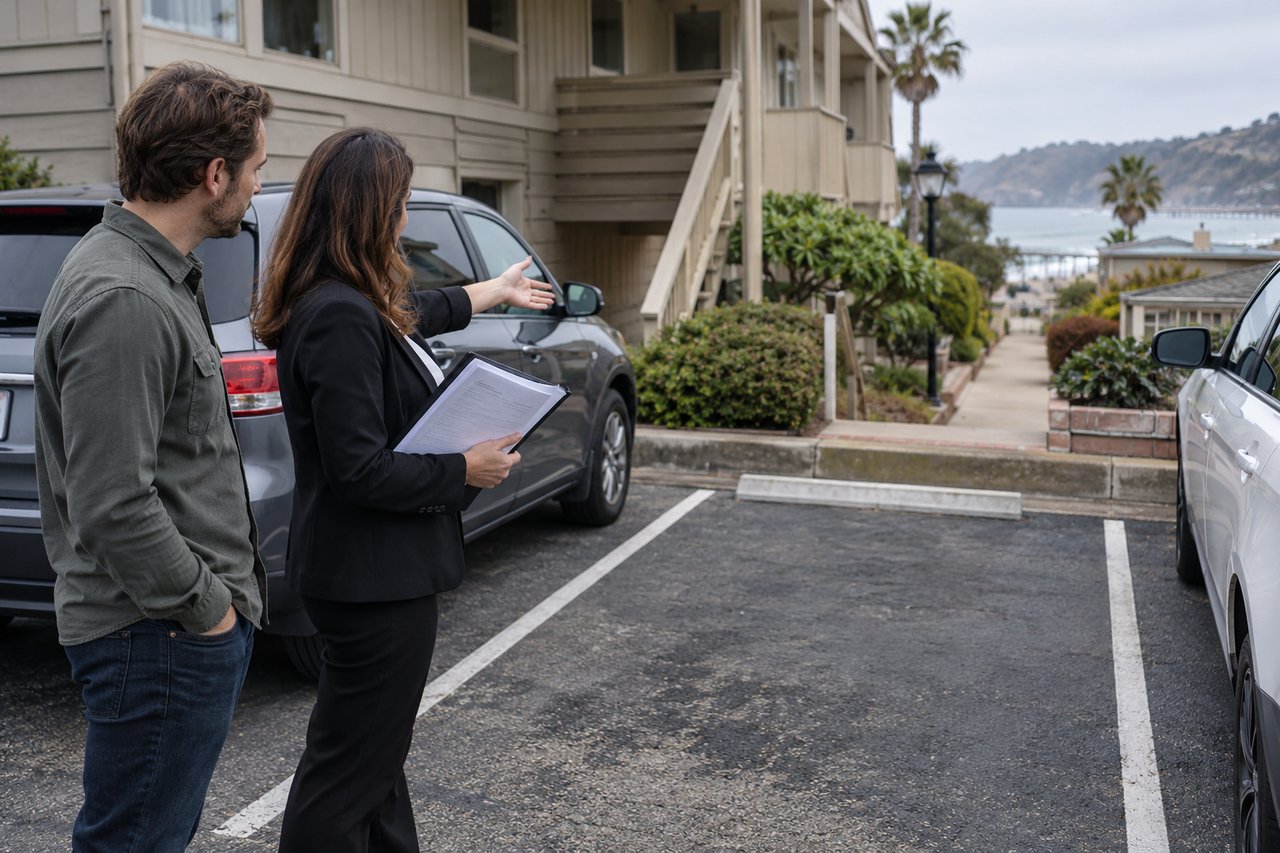
Verify the assigned space, governing documents, access, dimensions and guest-parking rules before relying on the parking arrangement.
Amber Johnson | November 3, 2026
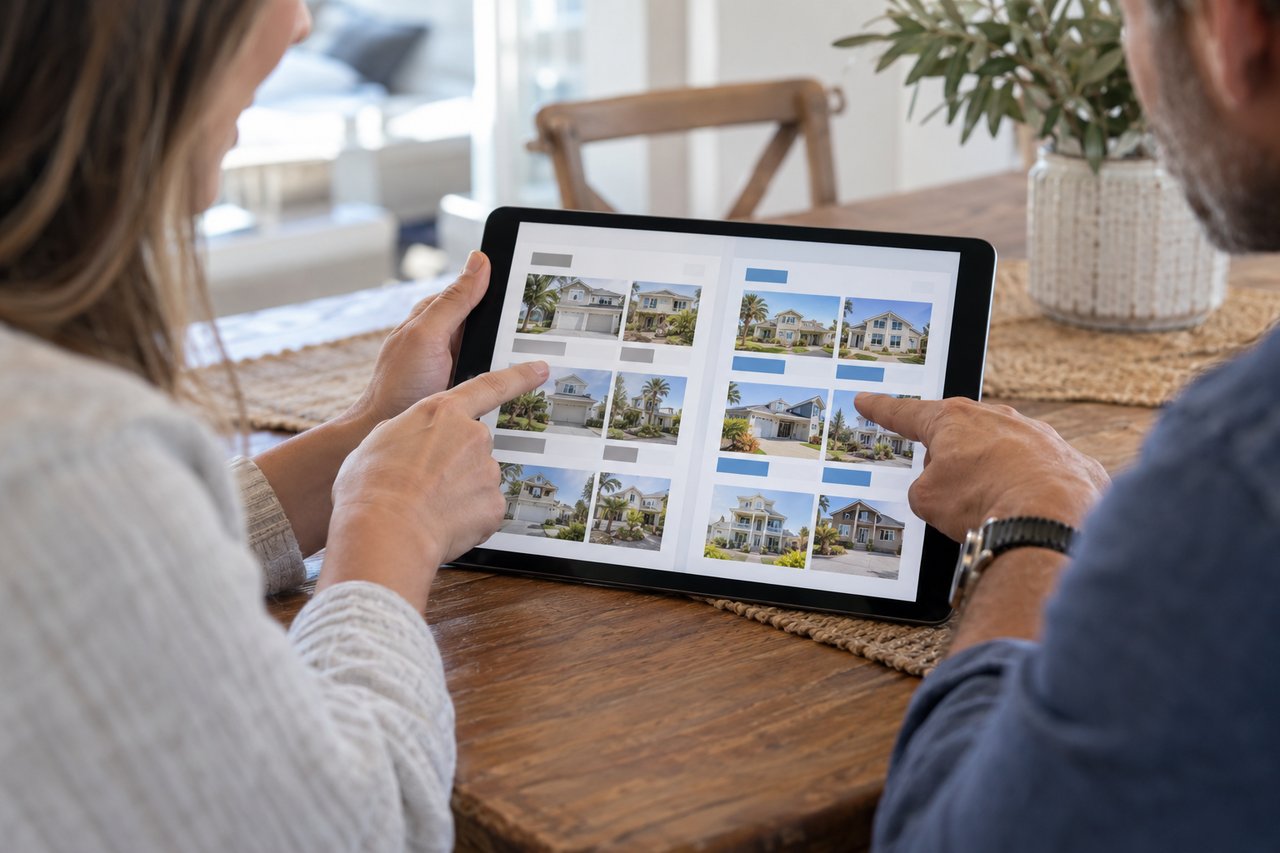
Use both groups of listings to understand choice without assuming a single number tells the whole story.
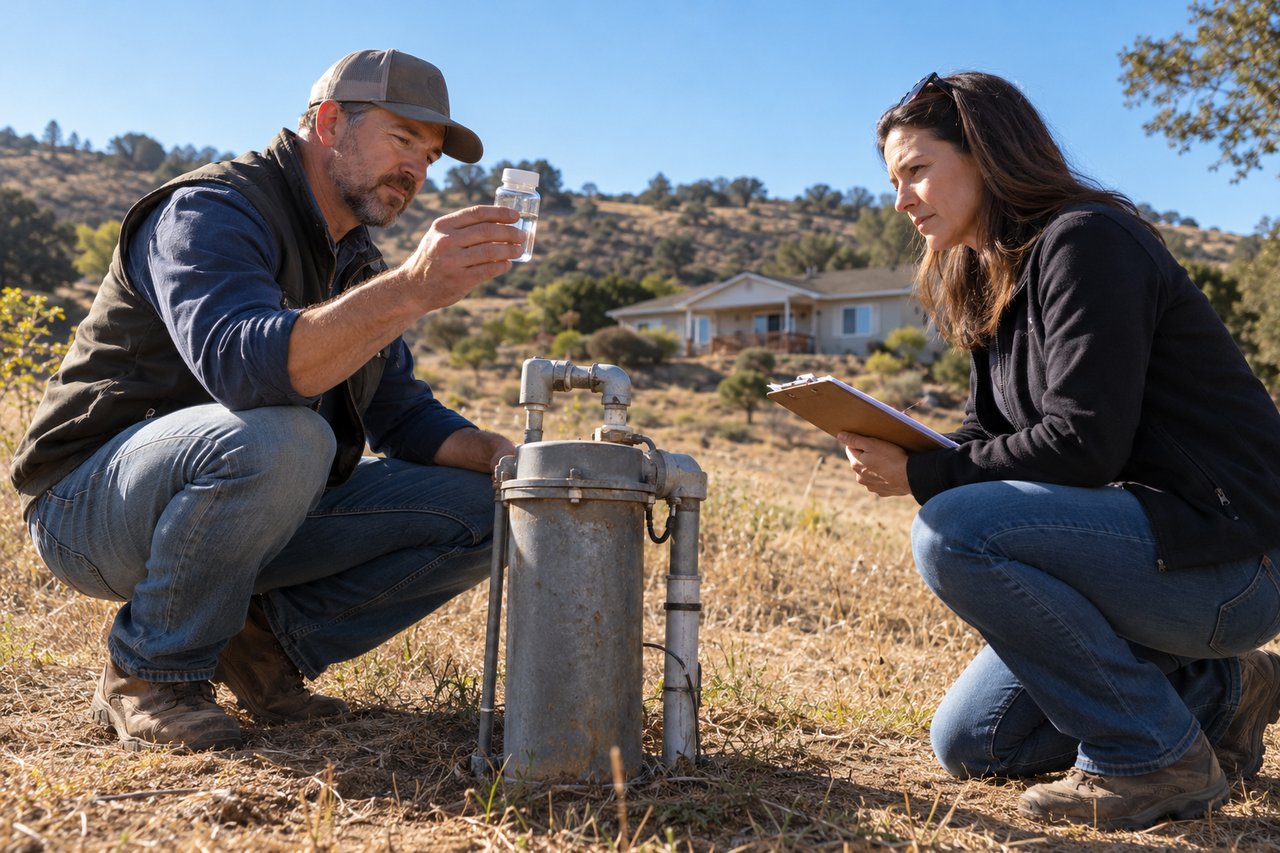
Amber Johnson | November 3, 2026
Review well records, testing, equipment and water needs before making the property decision.

Amber Johnson | November 2, 2026
Compare the routes from specific homes to the errands you actually make.

Amber Johnson | November 2, 2026
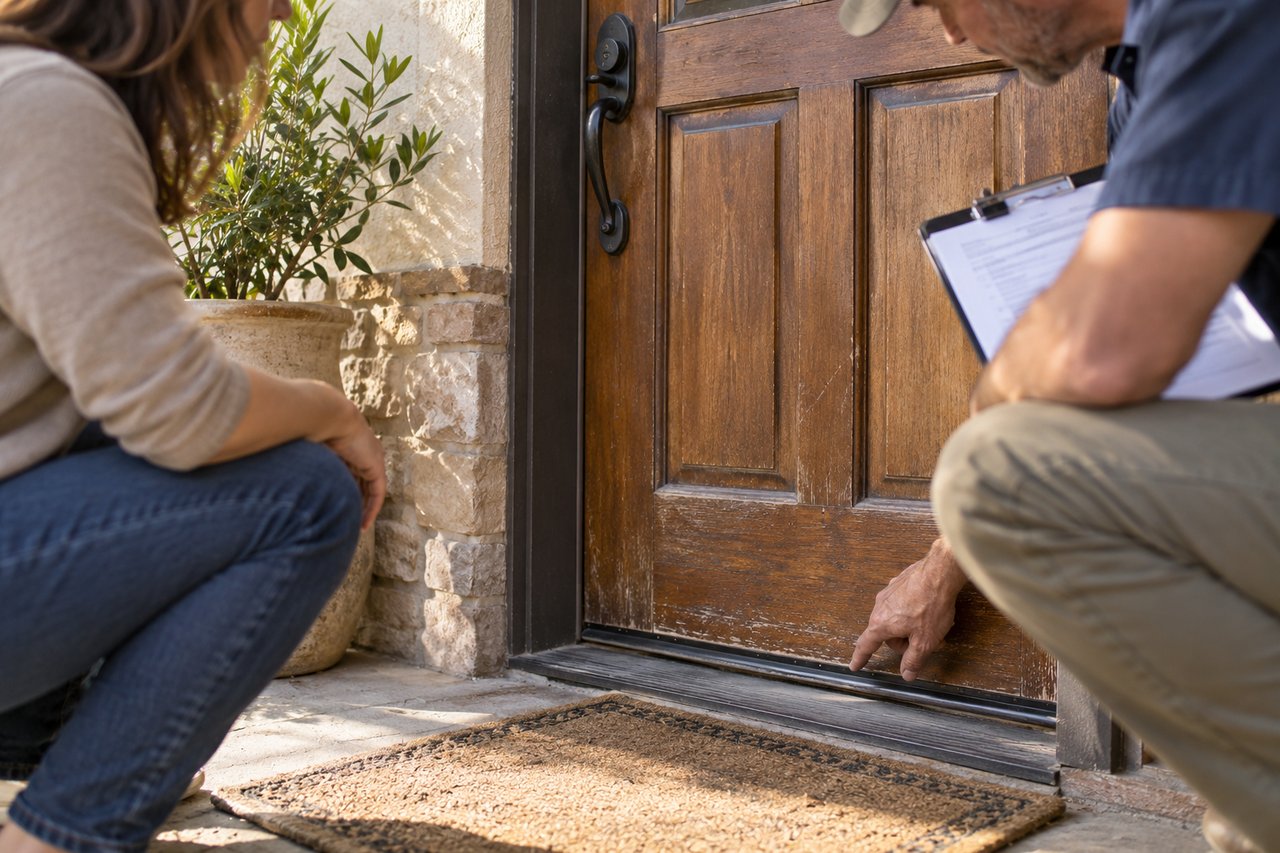
Amber Johnson | November 2, 2026
Compare condition, repair cost and buyer expectations before replacing a front door.
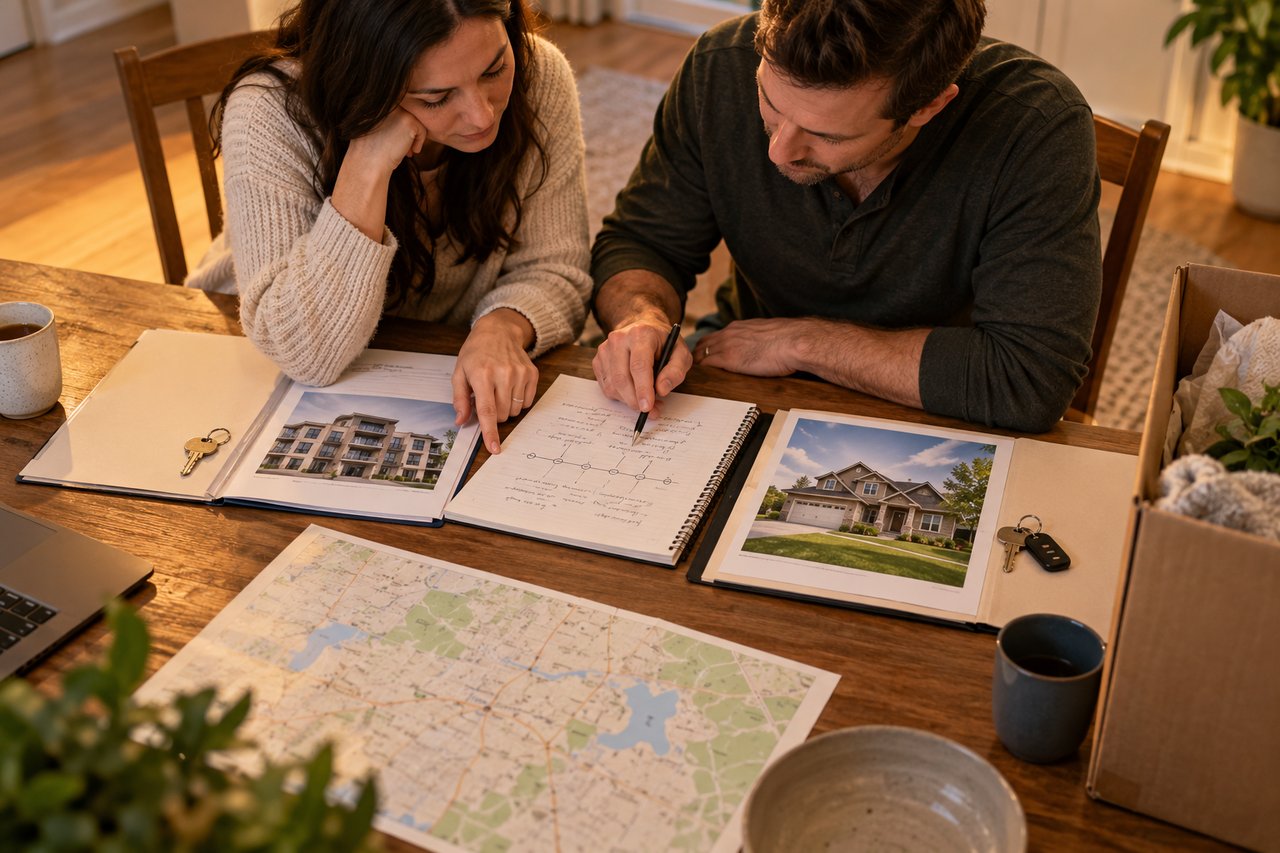
Amber Johnson | November 2, 2026
Compare timing, rental availability, moving costs and what you need to learn before deciding whether to rent first.
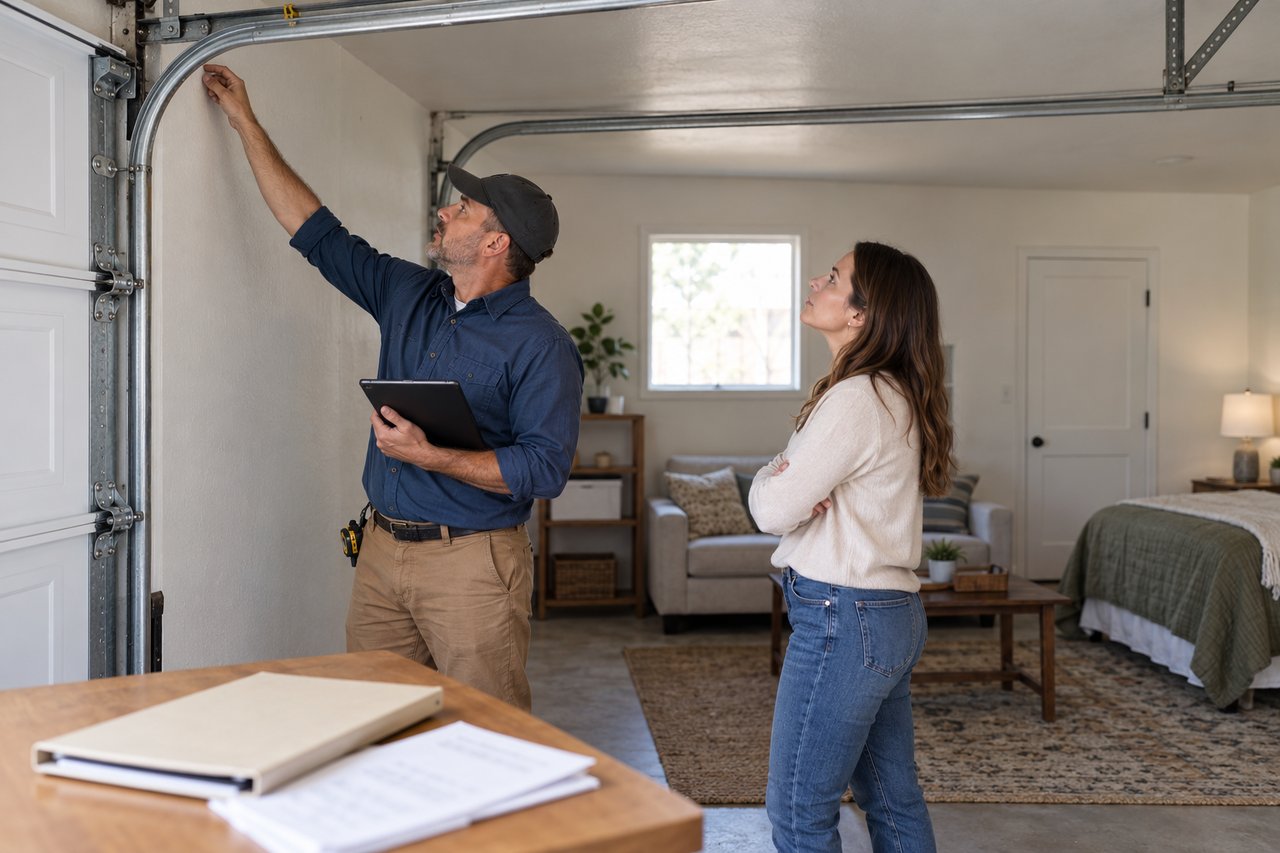
Amber Johnson | November 2, 2026
Review permits, condition and intended use before counting a converted garage as living space.
You’ve got questions and we can’t wait to answer them.
Amber Johnson, Founder
Pillar Real Estate
805.835.3425
DRE# 01925434
1345 Park Street
Paso Robles, CA 93446