Can I Build a Weekly Kayaking Routine While Living in Los Osos?
October 29, 2026
October 29, 2026
Yes, a weekly kayaking routine can fit life in Los Osos if the practical pieces fit your home and schedule. Start with where you'll keep the kayak, how you'll transport it and which lawful access point you'll use. Then allow enough time for preparation, changing conditions and cleanup.
Living near the bay is appealing. It doesn't mean every home has water access or every free afternoon is suitable for paddling. A sustainable routine needs flexibility, especially when the conditions call for staying ashore.
I'm Amber Johnson, founder of Pillar Real Estate in Paso Robles. I help people think through what a home will support in everyday life across SLO County. If kayaking is part of your reason for considering Los Osos, let's connect that goal to the actual property.
Decide what weekly kayaking means to you. You might want a short weekday outing, a longer weekend session or an occasional guided paddle. Those plans place different demands on storage, transportation and the amount of time you need away from home.
Write down your available window, including work and household commitments. Count the entire outing from getting equipment ready to putting it away again. If the routine only fits when every step goes perfectly, give yourself more room.
Keep a backup window rather than promising yourself one fixed departure every week. The habit can remain consistent even when the day changes. Choosing not to paddle in unsuitable conditions belongs in the plan from the start.
Use the exact home address to evaluate the trip to an appropriate access point. A nearby shoreline view doesn't establish a place where you may launch, park or carry equipment. Confirm those details through the responsible agency or operator.
Visit the access point before building it into your routine. Look at the authorized approach, the distance you would carry equipment and the practical steps between parking and the water. Check current restrictions, hours and any applicable costs.
Don't assume a neighborhood path, private dock or waterfront parcel provides permission to enter or launch. Your real estate search should distinguish an attractive setting from verified access. Ask specific questions and get the information behind the answer.
Make current weather and water-condition checks part of each outing. Morro Bay's Harbor Department advises boaters to check forecasts and sea conditions before starting a trip. A familiar location still needs a fresh assessment.
Discuss wind, tides, visibility and a suitable route with a qualified local paddling instructor or operator. Your experience, equipment and the day's conditions matter together. Don't treat a calm-looking photograph or a previous visit as permission to go.
Keep this a lifestyle decision rather than a promise of weekly water time. If the conditions or your preparation aren't right, postpone. A flexible routine is more useful than owning a home whose appeal depends on never missing a paddle.
If you're new to kayaking or unfamiliar with the bay, start with qualified instruction or a guided outing. Ask about the skills and equipment appropriate to your intended activity. This article helps evaluate a home routine; it doesn't replace paddling instruction.
Wear a properly fitted, U.S. Coast Guard-approved life jacket and follow current safety guidance. California State Parks recommends life jackets and boating safety education. Review the complete requirements for your vessel and activity before you head out.
Discuss a trip plan and communication arrangements with an appropriate instructor, then share your plan with someone ashore. Avoid building a first routine around going alone or reaching a particular destination regardless of conditions.
Look at the actual space where the kayak would live. Measure the equipment and check the full path from storage to the loading area. A garage can seem large enough until turns, doors, shelves and parked vehicles are included.
Follow the equipment manufacturer's storage instructions. Consider the support system, protection from damage and how you'll reach the kayak without creating a difficult lifting task. A storage arrangement needs to work for the person using it.
If you're considering outdoor storage, confirm property rules and any relevant restrictions. Don't assume a side yard can accommodate equipment simply because it's visible during a showing. Include other household uses of that space in the decision.
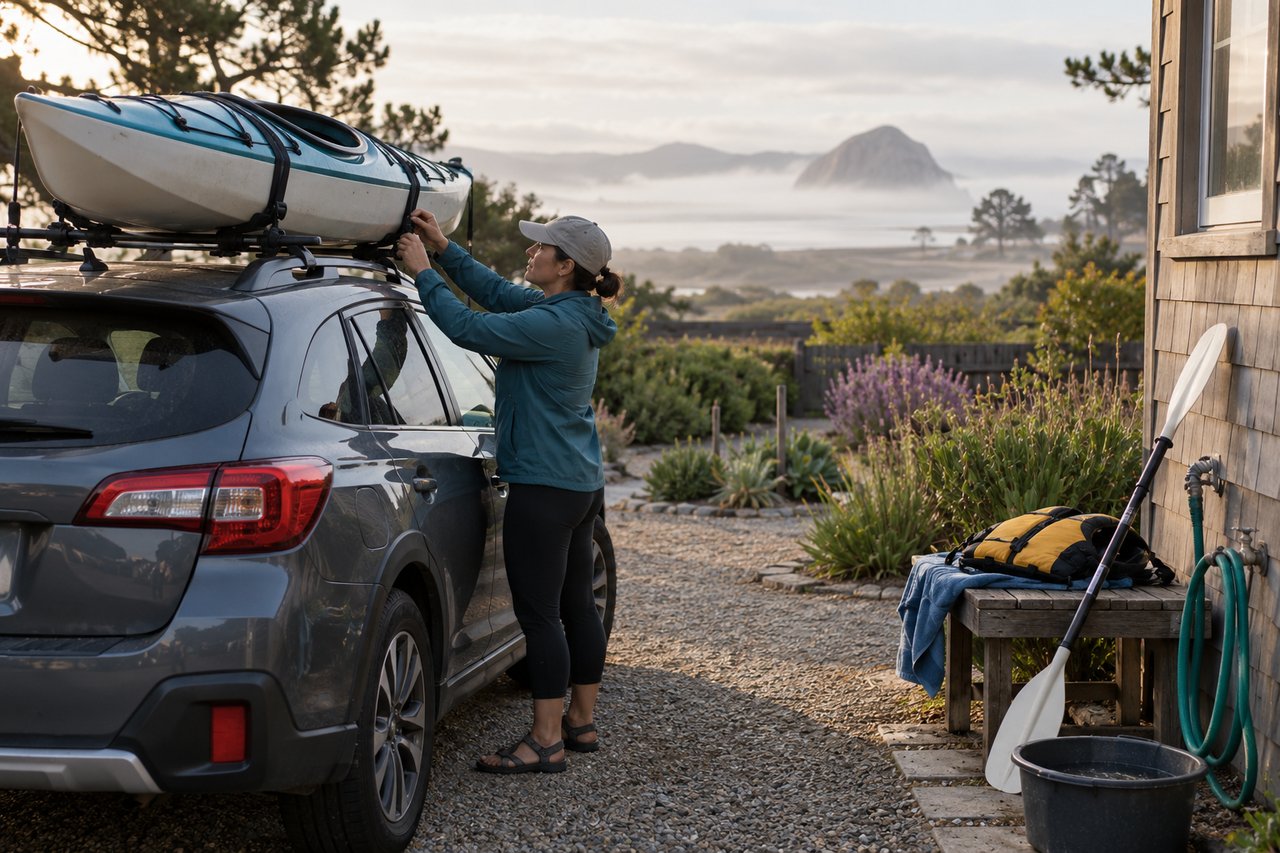
Picture an ordinary departure from the driveway or parking space. Can you reach the vehicle, bring out the kayak and load it using an appropriate method? Consider the room available around the vehicle and whether you need another person's help.
Verify rack compatibility, load limits and securement instructions with the relevant manufacturers or a qualified outfitter. Don't buy a home based on a transport setup you haven't confirmed. The vehicle and equipment need to work together.
Include the reverse process after the outing, when you may be tired and the equipment is wet. An easy departure followed by awkward unloading can make a weekly habit difficult. Test the whole sequence before deciding it will feel simple.
Time more than the drive. Include loading, finding lawful parking, carrying equipment, getting ready and returning everything afterward. Those steps may be a meaningful part of a short weekday outing.
Compare your plan with the time you actually have. A smaller paddling window might still work if the preparation is manageable. If setup consumes most of it, change the plan rather than assuming you'll become faster every week.
Consider how another household member's schedule affects shared equipment or assistance. If every departure depends on someone being available, discuss that expectation. The routine should fit the household rather than become a recurring source of pressure.
Plan for cleanup before you evaluate the home's finishes or decorative details. Identify a suitable place to deal with wet equipment and clothing, following care instructions and applicable water-use and drainage rules. Don't assume every outdoor faucet solves the problem.
Think about towels, footwear, a paddle and your life jacket as well as the kayak. Find appropriate places for cleaning, drying and storage. Keeping that process separate from everyday clutter can make the routine easier to repeat.
Check how equipment moves through the home. A narrow gate, a long carry or limited storage access may matter more to you than it would to another buyer. These are useful showing questions because they connect the property with your actual use.
Visit the area under different conditions when practical. Notice how the outdoor spaces feel and whether your proposed gear area remains useful. Ask yourself how you would handle damp equipment on a day when immediate drying isn't practical.
Our article on how coastal fog shapes everyday life in Los Osos offers broader context. Use it to develop questions for the specific property, rather than assuming every home has the same exposure.
Visibility on the water requires a separate, current assessment. A comfortable morning at home doesn't establish paddling conditions. Keep the home-selection questions and the outing decision connected without treating them as interchangeable.
You don't have to make equipment ownership the starting point for a move. Consider whether a rental or guided option better fits your experience and likely frequency. Verify current availability, operating hours and terms with the provider.
Compare the full effort involved. Owning may require storage, transport, care and replacement costs. Renting may introduce booking and schedule limits. Use confirmed information and your own preferences rather than assuming one choice is always easier.
A trial period can help you decide how much storage a future home truly needs. You may find that kayaking remains a weekly priority, or that a more flexible mix of activities fits better. Both answers are useful before buying.
Keep work, errands and household needs in the picture. A home that supports paddling still needs to function on the days you don't go. Evaluate the trips and responsibilities that make up most of your week.
If you're considering that part of the community, our discussion of daily life by the Elfin Forest can help frame location questions. Proximity to a natural area does not itself establish kayak access or storage permission.
Our broader article on Los Osos lifestyle can also help you consider the days spent ashore. Choose the property for the full week you want, with kayaking as one meaningful part of it.
Before narrowing your search around kayaking, rehearse a realistic outing with appropriate guidance. Track preparation, travel, equipment handling and cleanup. Notice the steps you enjoyed and the ones you would want to simplify.
Then bring those observations into showings. Measure the access route, check storage and discuss relevant property restrictions. Ask for confirmation when a feature or claimed right would influence your decision.
I'd rather help you identify a workable routine than promise that living near the bay automatically creates one. The right strategy starts with your goals and tests them against the actual home, your schedule and the conditions.
Visit Sell With Amber to discuss your move and a Los Osos home that makes sense for your everyday life.
Amber
Pillar Real Estate | Amber Johnson, Founder
805.835.3425 | [email protected]
1345 Park St. Paso Robles, CA 93446 | DRE# 01925434

Amber Johnson | October 30, 2026
Use days on market with price changes, property condition and local competition before deciding how much negotiating room exists.
Amber Johnson | October 29, 2026
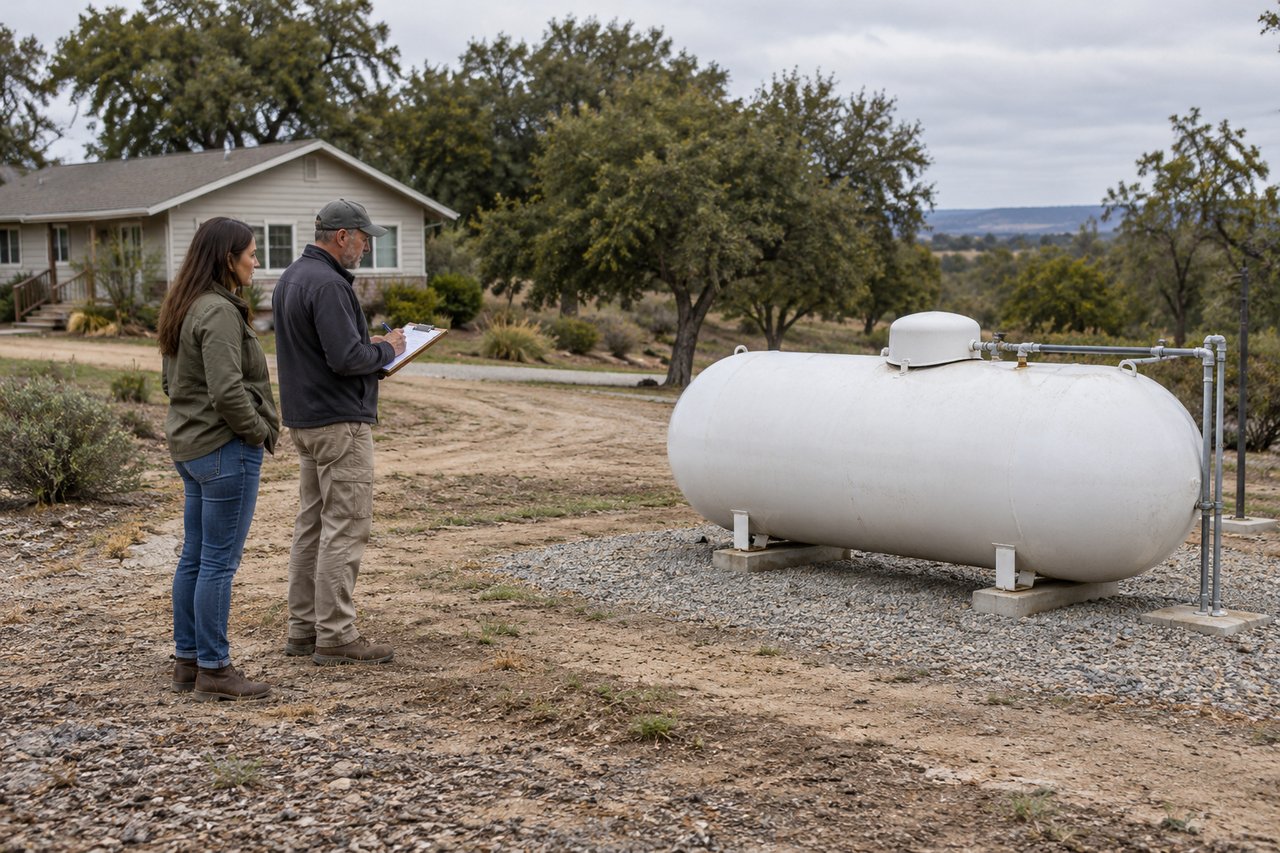
Confirm ownership, records, fuel access, tank condition and service history before relying on propane at the property.
Amber Johnson | October 29, 2026
Compare bay access, storage, weather, cleanup and weekday timing before making paddling part of your routine.

Amber Johnson | October 29, 2026
Test the route, schedule, lighting and daily errands from the exact homes and workplaces you are considering.

Amber Johnson | October 29, 2026
Lead with privacy and setting, then answer access, address visibility and driveway questions before buyers have to ask.
Amber Johnson | October 29, 2026
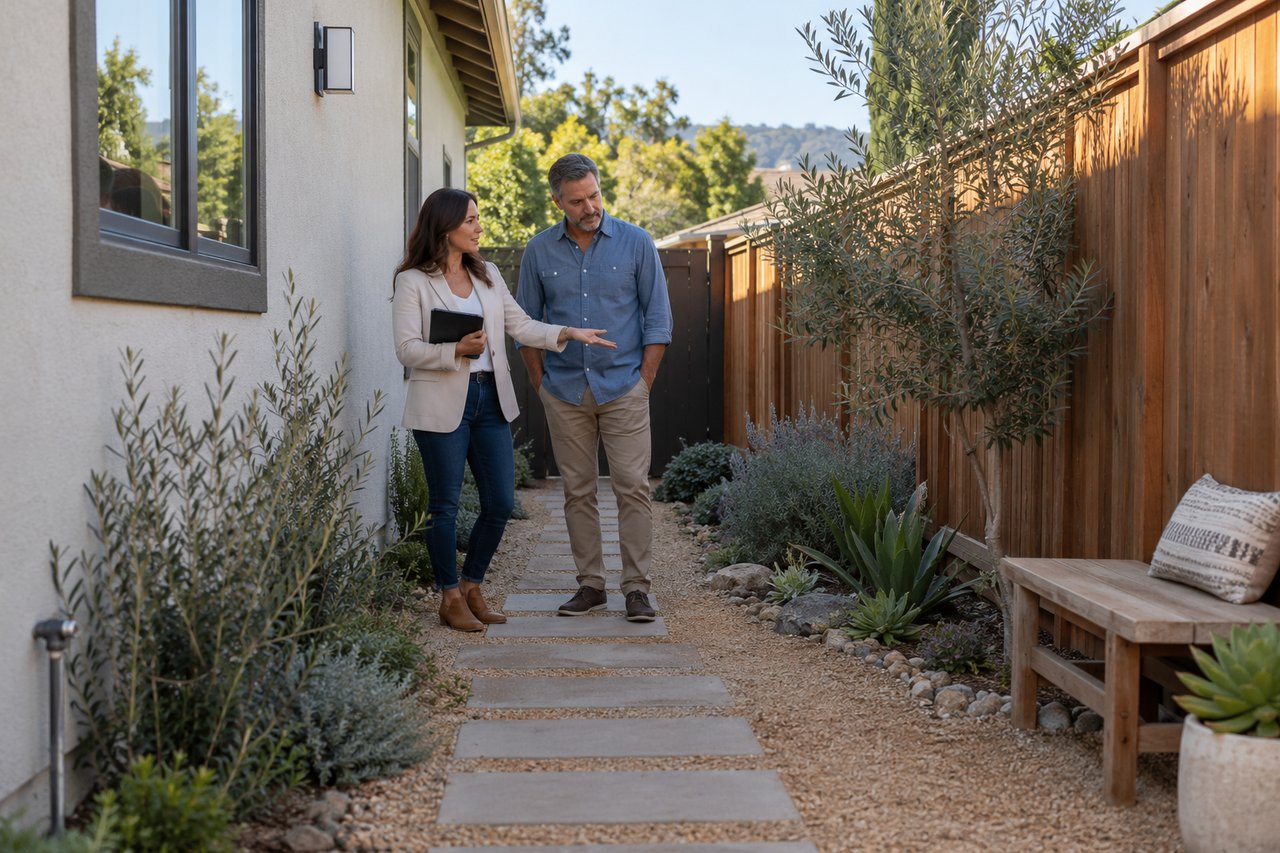
Show buyers how the space functions, improve access and frame realistic outdoor uses without overselling it.

Amber Johnson | October 28, 2026

Amber Johnson | October 28, 2026

Amber Johnson | October 26, 2026
You’ve got questions and we can’t wait to answer them.
Amber Johnson, Founder
Pillar Real Estate
805.835.3425
DRE# 01925434
1345 Park Street
Paso Robles, CA 93446