6 Signs You’ve Outgrown Your SLO County Home—and What to Do Next
July 24, 2025
July 24, 2025
Your house is your haven... until it isn’t. What once felt cozy and comfortable may now feel cramped, chaotic, or just plain frustrating. If your lifestyle has changed but your square footage hasn’t, it might be time to consider moving up.
Here are six clear signs that you’ve outgrown your home—and what to do about it if you're a homeowner in San Luis Obispo County.
1. The Dining Room Is Now Your Office
If you’re working from the kitchen table—or constantly shuffling between makeshift work zones—it’s not just inconvenient. It’s a sign your home no longer supports your daily life. Remote work and online school demand space. When you don’t have it, stress builds quickly.
2. Your Closets Are Exploding
Stuffed closets and overflowing storage bins are more than just visual clutter. They signal that your home doesn’t fit your real needs anymore. Whether it’s clothes, toys, tools, or hobby gear, a lack of proper storage can impact your peace of mind.
3. Kids (or Guests) Are Sharing Spaces
If children are doubling up in bedrooms, or your guest room has become a permanent overflow zone, it might be time for more square footage. Growing families, frequent visitors, or aging parents can turn a once “just right” home into a logistical puzzle.
4. You’re Compromising Lifestyle Essentials
Your outdoor space is a small slab of concrete… or maybe there’s no dining area large enough to host family gatherings. These small compromises start to add up—and can impact your ability to live the lifestyle you want and deserve.
5. You’re Constantly Renovating or Reworking Rooms
If you’re always modifying or “making things work,” you may be delaying the inevitable. At some point, it’s no longer worth investing time and money into spaces that just aren’t right. Your needs have evolved—and your space should evolve too.
6. You Feel Emotionally Frustrated
Do you sigh every time you walk through the door? Do small inconveniences trigger big irritation? These emotional cues are powerful indicators that your current home no longer serves you. When your space adds stress instead of support, it’s time to re-evaluate.
Why Waiting Could Cost You
Many homeowners wait too long to move—hoping the perfect conditions will magically align. But delaying a move often means:
• Rising interest rates can reduce future buying power
• Inventory may shift and reduce your options
• Emotional frustration increases over time
• More wear and tear on your current home = lower resale value
What to Do Next
If this sounds familiar, don’t worry—you’re not alone. Here’s a simple game plan:
1. Make a list of your current frustrations
Be honest about what’s working and what’s not.
2. Estimate your equity
Have a local agent run a comparative market analysis (CMA).
3. Watch the rest of the Move-Up Seller Series
We’ll guide you step-by-step through timing, coordination, financing, and more.
Final Thoughts
Your next home might be closer than you think—and your future self will thank you for making the move when it mattered.
Clarity, not pressure. That’s the way forward in today’s market.
If you're curious what a move might look like for you, there are options worth exploring.
Amber Johnson, Founder
Pillar Real Estate
805.835.3425
[email protected]
1345 Park St. Paso Robles, CA 93446
DRE# 01925434

Amber Johnson | October 15, 2026
Use price per square foot as context, then account for property type, location, views, condition, lot, and the limits of a small data set.

Amber Johnson | October 14, 2026
Consider beach access, wind, fog, parking, visitor activity, errands, and the routines that come with living near the shoreline.
Amber Johnson | October 14, 2026
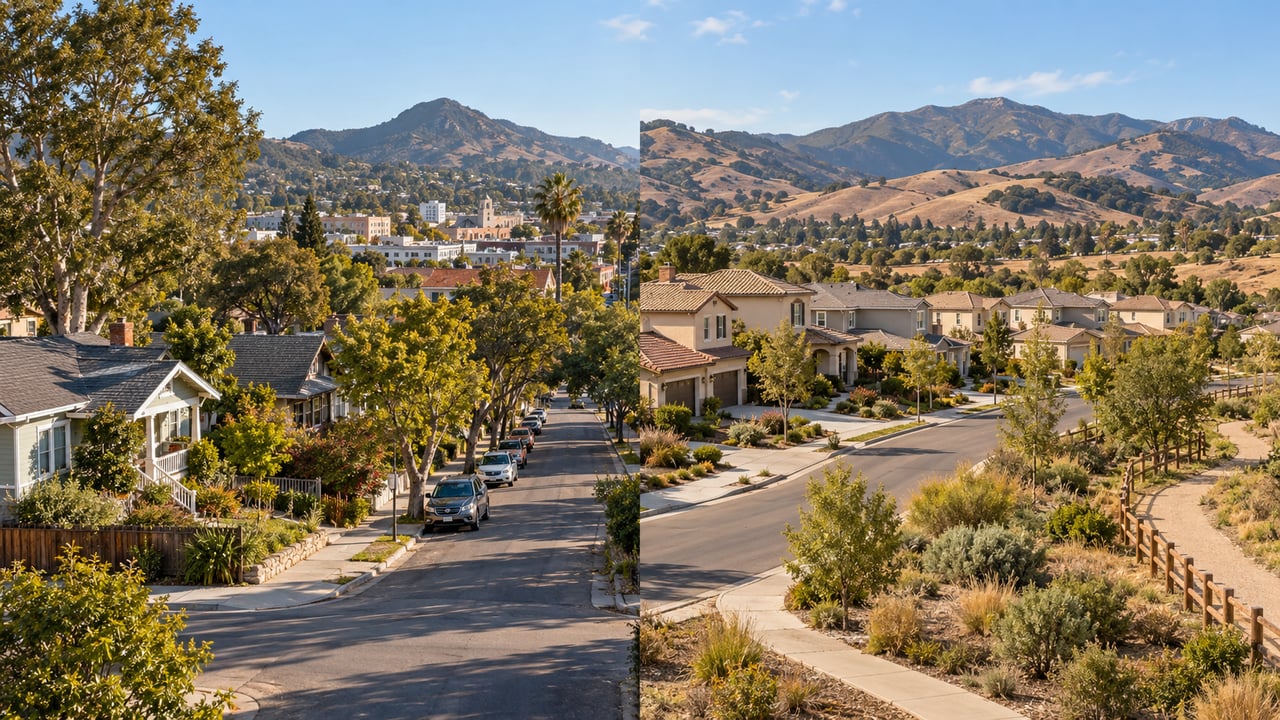
Compare street patterns, access, housing character, nearby services, outdoor options, and the routines each setting supports.

Amber Johnson | October 14, 2026
Review access rights, maintenance agreements, road condition, emergency access, drainage, utilities, financing, and insurance before committing.

Amber Johnson | October 14, 2026
Compare walkability, street activity, lot patterns, home styles, recreation, and the daily routines each area supports.
Amber Johnson | October 14, 2026
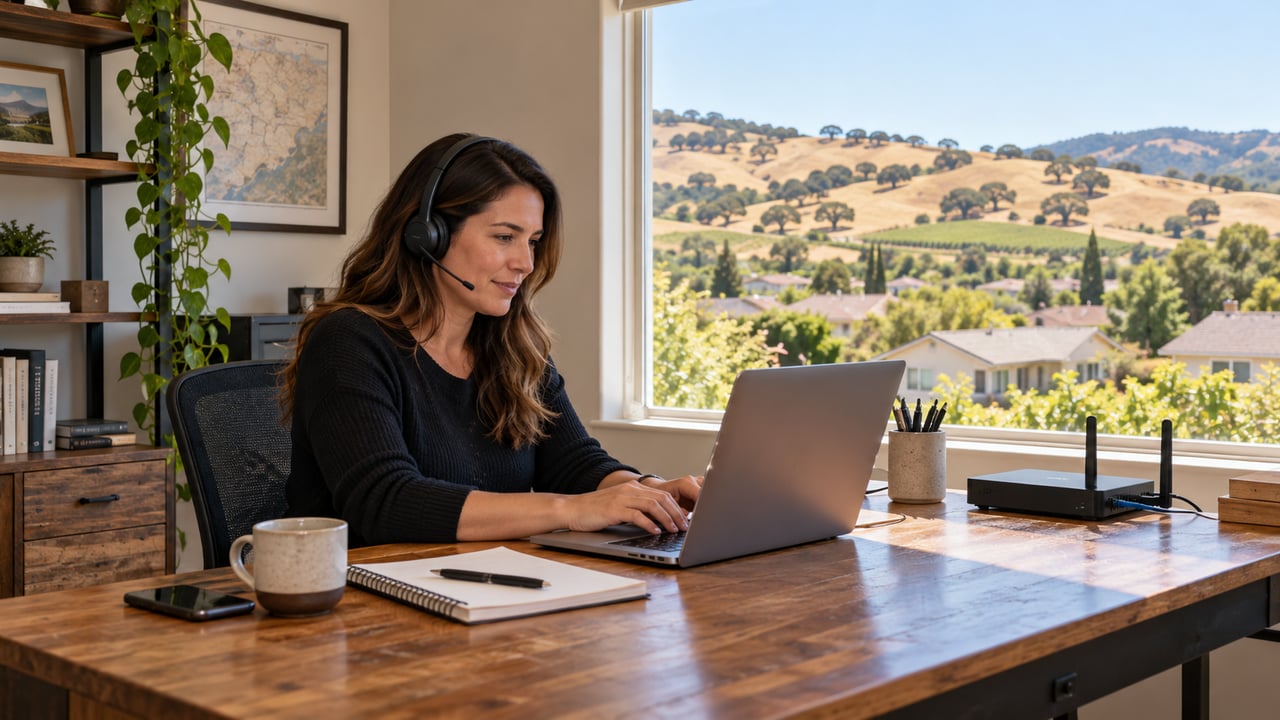
Evaluate internet reliability, workspace needs, errands, climate, neighborhood choices, and the routines that make remote work sustainable.
Amber Johnson | October 14, 2026
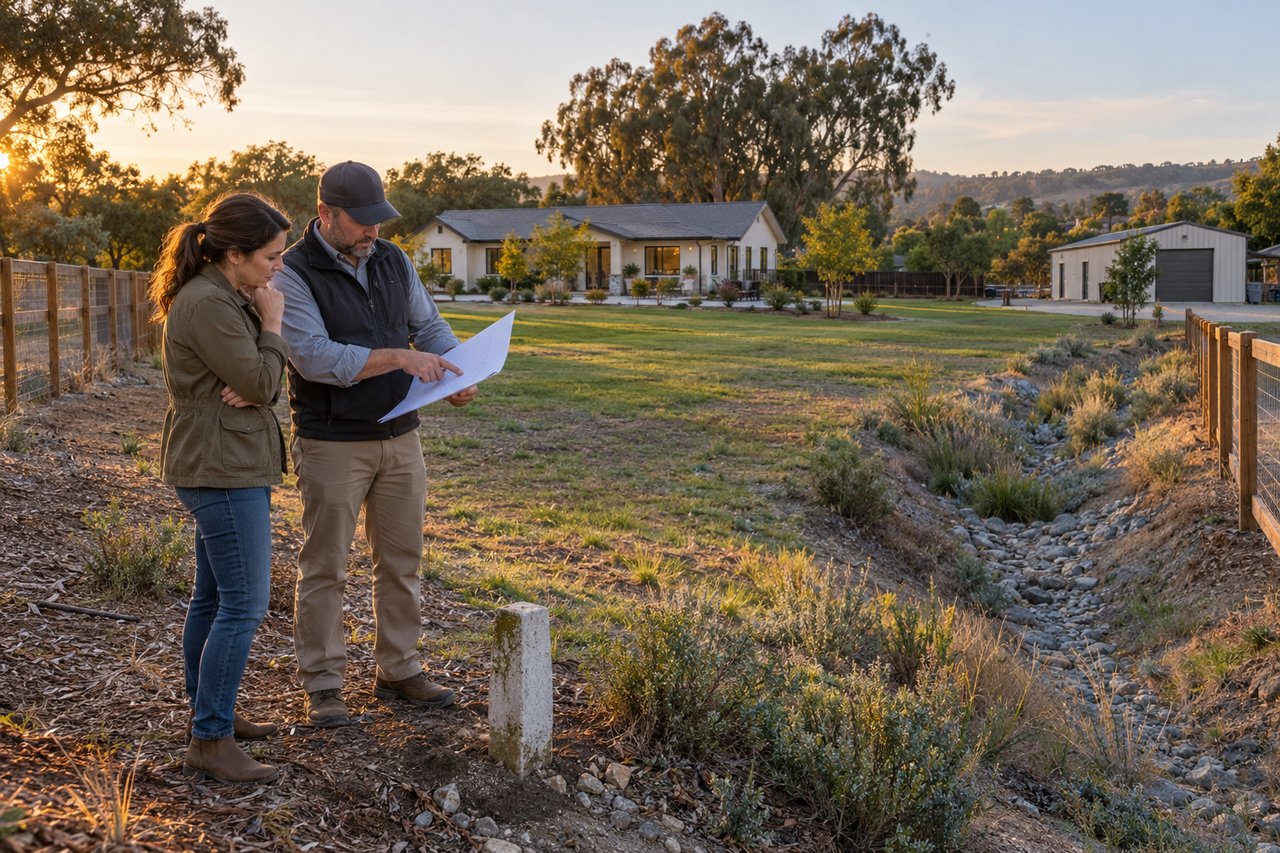
Review access, usable space, utilities, drainage, boundaries, outbuildings, and maintenance before deciding whether the property fits your plans.

Amber Johnson | October 13, 2026
Look at the daily rhythm, coastal access, neighborhood activity, parking patterns, and tradeoffs around this Shell Beach landmark.

Amber Johnson | October 13, 2026
Compare elevation, atmosphere, access, daily routines, and housing tradeoffs between two distinct Los Osos settings.
You’ve got questions and we can’t wait to answer them.
Amber Johnson, Founder
Pillar Real Estate
805.835.3425
DRE# 01925434
1345 Park Street
Paso Robles, CA 93446